
IBM Patents a System That Automatically Routes Database Queries to the Fastest Available Engine
Every time a big company asks its database a question, something has to decide which computer should answer it. IBM's new patent automates that decision, running two separate evaluations in parallel to find the fastest path.
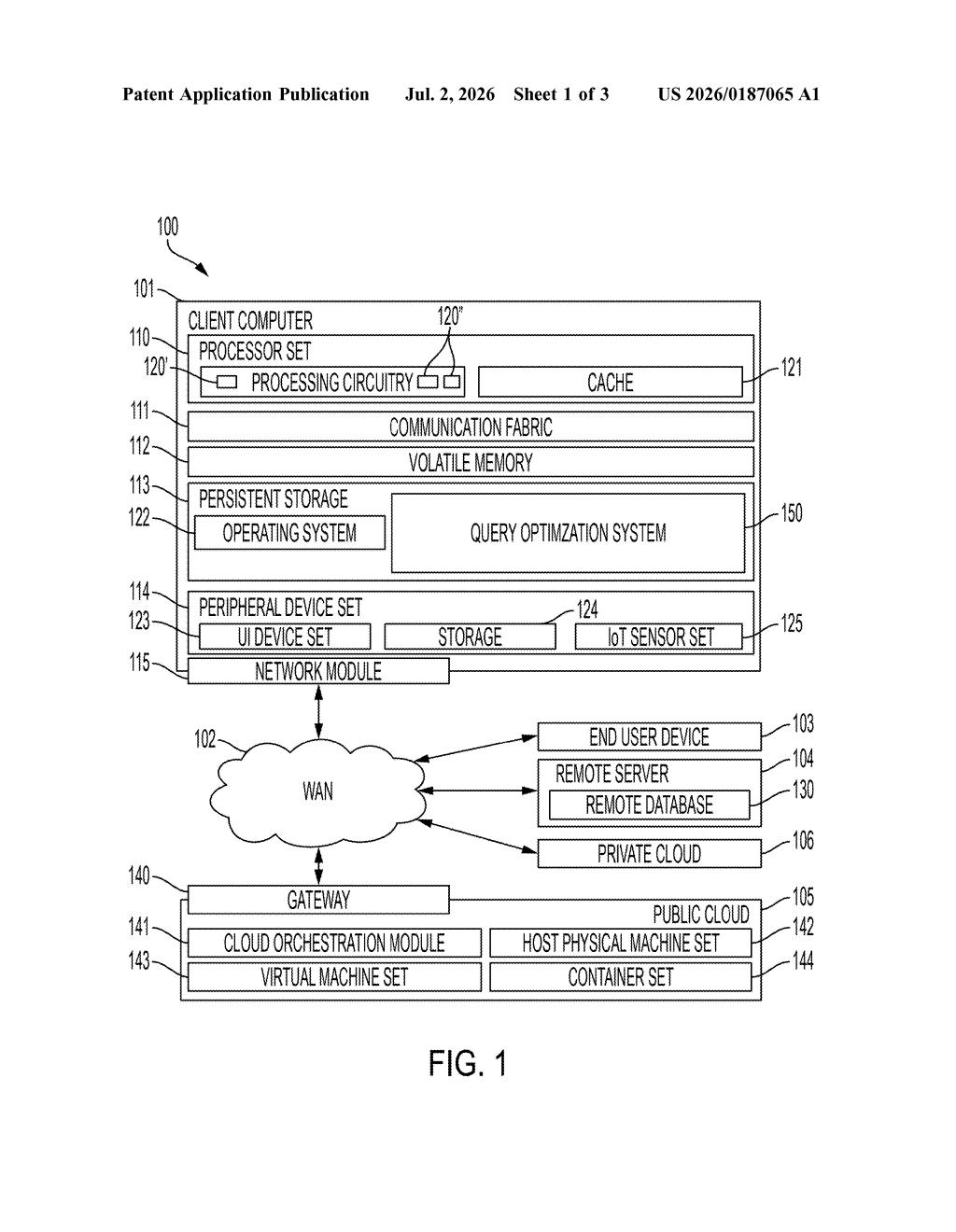
What IBM's automatic query-routing system actually does
Imagine a busy hospital routing incoming patients. Instead of sending everyone to the same doctor, a triage system quickly checks which specialist and which room will get that patient treated fastest. IBM's patent works the same way for database queries, the questions that software fires at a database to pull up records, run reports, or crunch numbers.
When a query arrives, IBM's system simultaneously checks two things: which specialized processor chips are best suited to run it, and which specialized database engines are best positioned to handle it. It then cross-references those two lists and recommends the winning combination to the main database system.
The clever part is that the system doesn't just look at raw speed. It also factors in how long it would take to transfer the query to a specialist engine in the first place, and how familiar each engine is with that type of question based on past history. If the overhead of routing the query elsewhere is too high, it just keeps the work local.
How the optimizer scores and assigns each incoming query
The patent describes a query optimizer that sits in front of a primary database management system (DBMS) and acts as a traffic director for incoming queries.
Two evaluations run at the same time (in parallel):
- Processor suitability check: Which specialized chips (think GPU-class accelerators or purpose-built analytics processors) are capable of executing this query?
- DBMS suitability check: Which specialized database engines are eligible, have handled similar query structures before, and can estimate how long they'd take given the specific data fields being requested?
An analytics accelerator (a piece of dedicated hardware or software designed to speed up data analysis) then correlates the two lists and produces a combined recommendation: use this engine on this processor.
The DBMS evaluation is the most detailed step. For each candidate engine, the system estimates processing time based on past query history and the data elements involved, then compares the candidate's access speed plus transfer overhead against simply keeping the query on the general-purpose DBMS. The faster path wins. This prevents the system from routing a query to a specialist engine when the overhead of doing so would wipe out any performance gain.
What this means for enterprise database performance
Enterprise databases at large organizations are increasingly heterogeneous, meaning they mix general-purpose relational databases with specialized engines for analytics, time-series data, or in-memory processing, often running on different processor types. Today, a database administrator or application developer typically has to decide manually which engine to target. IBM's approach would make that routing automatic and data-driven.
For you as an end user, this is invisible plumbing, but it directly affects how fast a business application responds. Faster query routing means quicker reports, shorter wait times in enterprise apps, and lower compute costs because work ends up on the most efficient hardware for the job rather than defaulting to the most familiar one.
This is solidly useful infrastructure work, not a flashy consumer-facing idea. IBM's enterprise database business, particularly Db2 and its analytics stack, is the natural home for something like this, and the patent is specific enough to describe a real engineering decision rather than an abstract concept. It won't make headlines outside database circles, but it addresses a genuine bottleneck in how large organizations manage mixed database environments.
There are more where this came from
We read every patent application Big Tech publishes and send you the ones worth knowing. Plain English, free, every week.
Want this weekly breakdown for a company we don't cover? Patentlyze Pro →
Be the first to weigh in