
Qualcomm Patents Smart Antenna Selection Driven by Active Application Type
Your phone or headset has multiple antennas, but right now most devices don't know or care which app is asking for a signal. Qualcomm wants to change that by letting the app itself tell the radio which antennas to switch on.
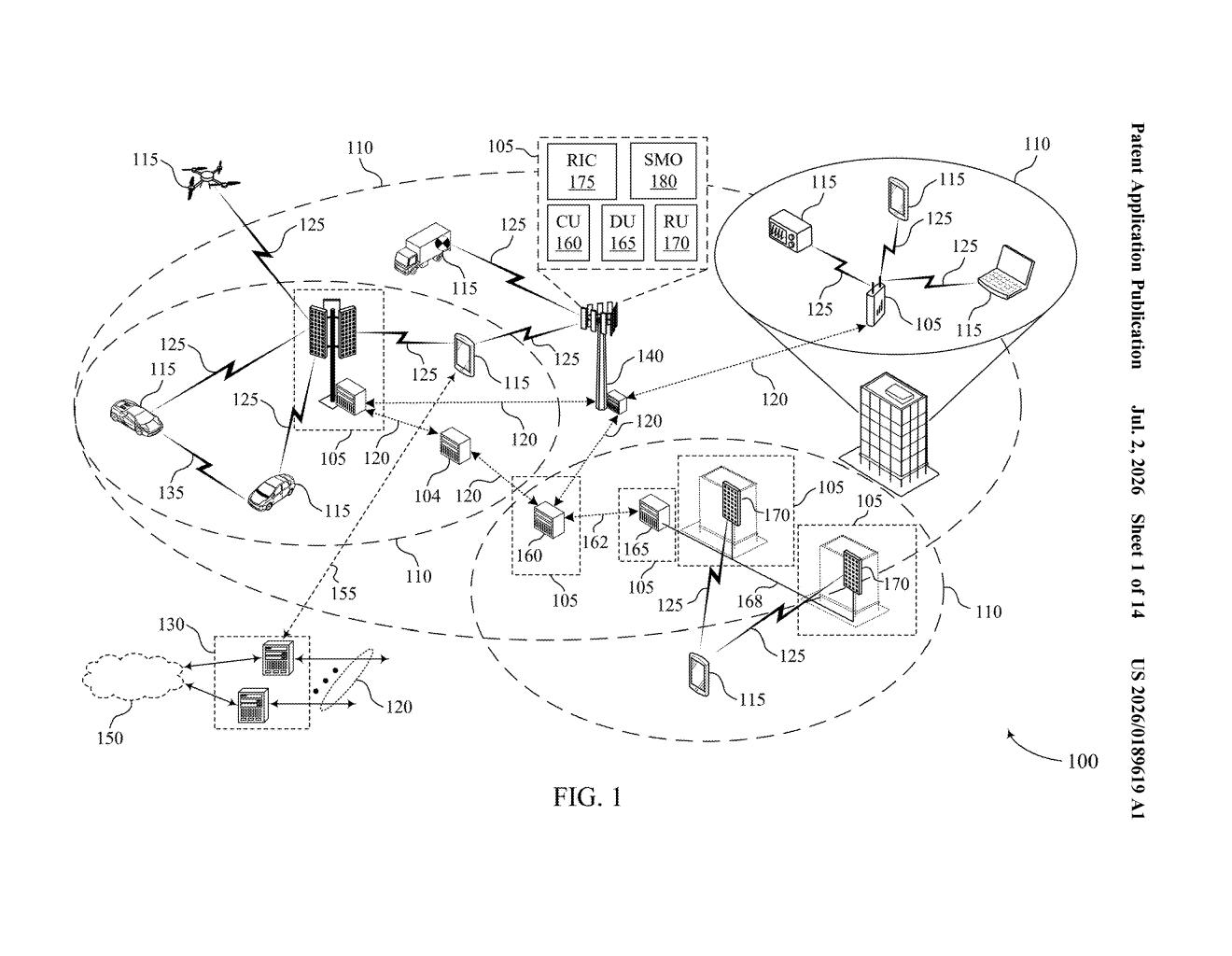
How Qualcomm's antenna trick works for XR apps
Imagine your phone is running a mixed-reality app that streams high-definition 3D video directly to a headset. That kind of app needs a very different wireless connection than, say, loading a webpage or sending a text. Right now, your device's radio usually can't tell the difference.
Qualcomm's patent describes a system where an extended reality (XR) app can pass details about itself through a software handoff point to the device's wireless chip. Those details include whether the connection is good enough, how much power the battery has left, and what kind of traffic the app is sending. The wireless chip then decides which of the device's antennas to actually turn on based on all of that.
The practical result is that an XR app that needs a rock-solid, low-delay connection could automatically get more antenna power behind it, while an app that needs to stretch the battery could tell the radio to back off. It's the device's radio becoming aware of what you're actually doing on it, rather than treating every app the same.
How the API feeds app context to the antenna selector
The patent describes a receiver diversity trigger system for devices running XR applications. Most modern phones and headsets carry multiple antennas, and turning on more antennas generally improves signal quality but burns more power. Normally, the radio decides how many antennas to use based purely on signal conditions, with no knowledge of which app is running.
Here, an application program interface (API) (a standard software bridge that lets two programs share information) connects the running app to the device's modem. The app passes along a bundle of context, including:
- Whether it is an XR-type application
- The quality of service (QoS) level the app needs (how fast and reliable the connection must be)
- Whether those performance targets are currently being met
- The network slice in use (a reserved lane on the 5G network dedicated to a specific traffic type)
- Current power consumption and whether the battery budget is being respected
The modem takes all of that information and decides which subset of the device's antennas to activate. An XR session that is falling short of its speed or delay targets can trigger more antennas to switch on. A session that is already meeting targets, or one where the battery is running low, can keep fewer antennas active to save power.
The design is specifically tied to the XR application type: the antenna selection logic only kicks into this more context-aware mode when it detects that an extended reality app is the one making demands on the connection.
What this means for wireless XR headsets and battery life
Wireless XR is one of the harder engineering problems in consumer electronics right now. Streaming high-resolution 3D content in real time is extremely sensitive to even brief drops in connection quality, and XR headsets and phones also have to last through hours of use on a battery. Those two goals pull in opposite directions. More antennas mean better signal but faster battery drain.
Qualcomm's approach lets the device stop guessing and start asking. If a patent like this makes it into shipping modems, XR apps could get a more reliable connection exactly when they need one, without leaving every antenna burning power during the moments when the connection is already fine. That is a meaningful tradeoff for any device where you care about both quality and runtime.
This is solid, practical modem engineering aimed at a real and well-known problem in wireless XR. It is not a flashy concept patent. Qualcomm builds the chips inside most flagship Android phones and many XR devices, so if this antenna-awareness logic ships in a future Snapdragon modem, it would benefit a large slice of the market. Worth tracking for anyone following the wireless XR hardware space.
Get our take in your Top Stories
Liked this breakdown? Add Patentlyze as a preferred source on Google, and our plain-English take shows up more often in your Top Stories the next time Qualcomm patent news breaks.
There are more where this came from
We read every patent application Big Tech publishes and send you the ones worth knowing. Plain English, free, every week.
Want this weekly breakdown for a company we don't cover? Patentlyze Pro →