
Sony Files Patent for a System That Builds 3D Models From Text Descriptions
Type a description, get a 3D model. Sony has filed a patent for a system that reads plain text and turns it into a three-dimensional object, no modeling software skills required.
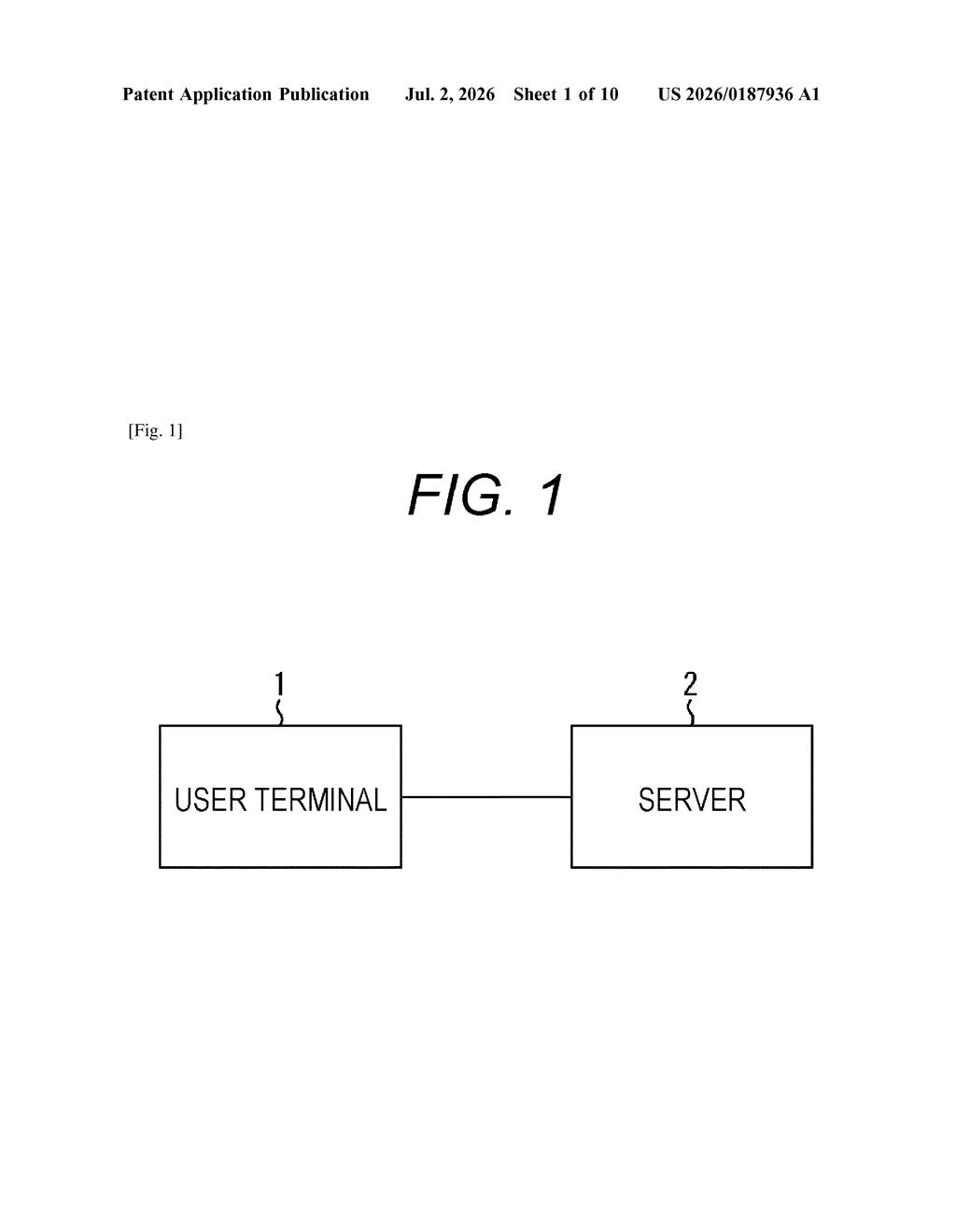
What Sony's text-to-3D modeling system actually does
Imagine you want a 3D model of a vintage wooden chair with curved armrests, but you have no idea how to use design software. Sony's patent describes a system where you could simply type that description and get a working 3D model back.
The system reads your text, picks out the important details (like "wooden," "vintage," and "curved armrests"), and matches each of those details to known 3D model features. From there, it generates the model based on a set of parameters it builds from your words.
This kind of tool could matter a lot for game developers, product designers, filmmakers, or anyone who needs quick 3D assets without spending hours in programs like Blender or Maya. The barrier to entry for 3D creation has always been the software itself, and this patent is pointed squarely at that problem.
How Sony maps text elements to 3D model features
The patent describes a system built around processing circuitry that handles three main jobs: reading text input, generating parameters from that text, and retrieving or constructing a 3D model based on those parameters.
The more specific part of the filing explains how the system breaks your text down into individual elements (think: descriptive keywords or concepts pulled from your sentence) and then matches each element to a corresponding 3D model feature. So if you write "round," the system connects that word to a geometric property; if you write "metallic," it connects that to a surface or material feature.
- Text acquisition: The system ingests a plain-language description of a target object.
- Parameter generation: It converts that description into a structured set of values that define shape, material, and other model properties.
- Element extraction and matching: Individual descriptors in the text are isolated and linked to specific 3D model attributes.
- Model output: A 3D model is assembled or retrieved based on the matched parameters.
The patent does not specify whether the 3D model is generated from scratch using generative AI or pulled from a library of existing assets, which leaves the core engine somewhat ambiguous. The claim is broad enough to cover either approach.
What this means for 3D design and creative tools
3D modeling has long been gated behind expensive software and years of practice. A reliable text-to-3D pipeline would open up asset creation to writers, directors, marketers, and product teams who currently have to hire specialists or wait weeks for outsourced work. Sony, which operates across games (PlayStation), film (Sony Pictures), and professional imaging, has real incentive to build this kind of tool into its creative ecosystem.
That said, the patent's first independent claim is quite broad, covering any system that takes text in and produces a 3D model out. That breadth makes it a strong foundational filing, but it also means the interesting technical detail is in the dependent claims and the element-matching approach, not the top-level claim. Whether this translates into a shipping product or stays as a defensive filing is the real open question.
This is a reasonable and timely patent for Sony to hold, given how fast text-to-image and text-to-video tools are moving. The element-matching approach, where individual words get linked to specific 3D features, is the part worth watching: it suggests a more controlled, structured output than purely generative methods, which is exactly what professional production pipelines need. The top-level claim is broad to the point of being generic, but the underlying method gives Sony something concrete to build on.
Get our take in your Top Stories
Liked this breakdown? Add Patentlyze as a preferred source on Google, and our plain-English take shows up more often in your Top Stories the next time Sony patent news breaks.
There are more where this came from
We read every patent application Big Tech publishes and send you the ones worth knowing. Plain English, free, every week.
Want this weekly breakdown for a company we don't cover? Patentlyze Pro →