
Google Patents a Tap-to-Add Word Suggestion Tool for AI Image Generators
Getting AI image generators to produce what you actually want is notoriously tricky. Google is patenting a system that watches what you type and offers clickable suggestions to fill in the gaps before you even know you need them.
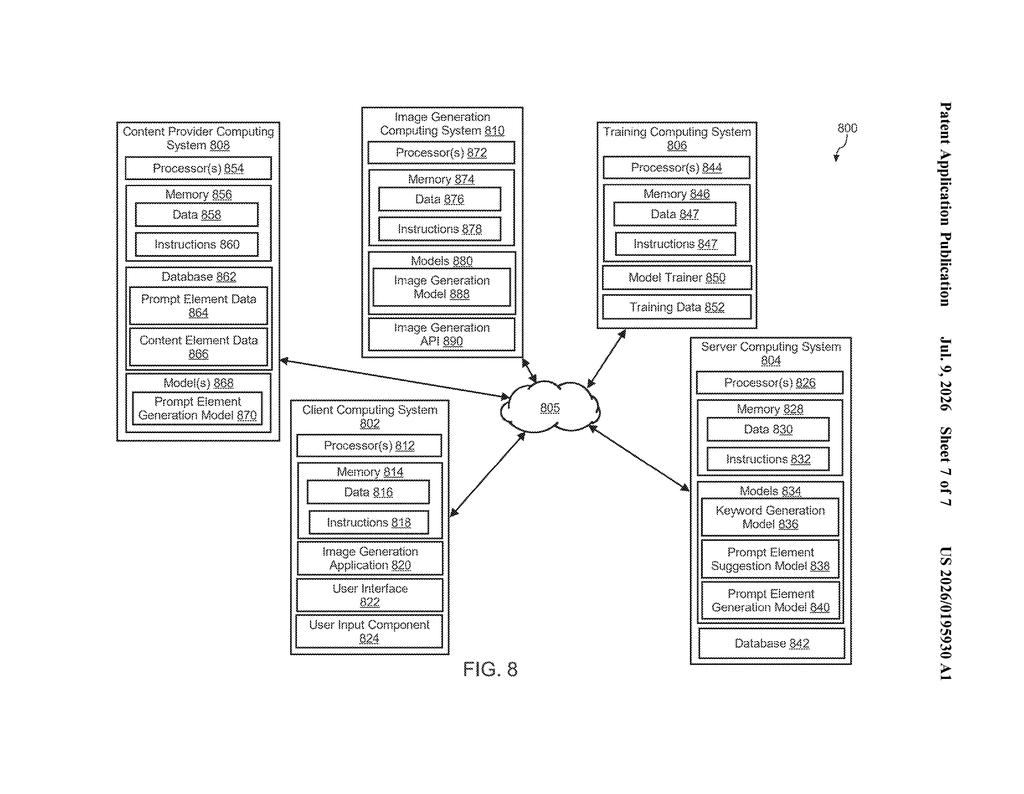
What Google's AI prompt suggestion system actually does
Imagine you type 'a cat sitting on a rooftop' into an AI image generator. You get something back, but it's not quite right. You're not sure if you should add 'at sunset,' 'photorealistic,' or 'oil painting style' to fix it. Most people just guess and re-run the image over and over.
Google's patent describes a system that reads your initial description and automatically suggests specific additions, called prompt elements, as clickable buttons in the interface. You'd see something like 'golden hour lighting' or 'wide-angle shot' as options you can simply tap to include, rather than having to know the right words yourself.
Once you select the options you like, the system feeds your expanded description into an AI image model, which then generates an image that reflects your choices. The goal is to take the guesswork out of the process for people who aren't fluent in AI prompting language.
How the prompt element suggestion model picks its options
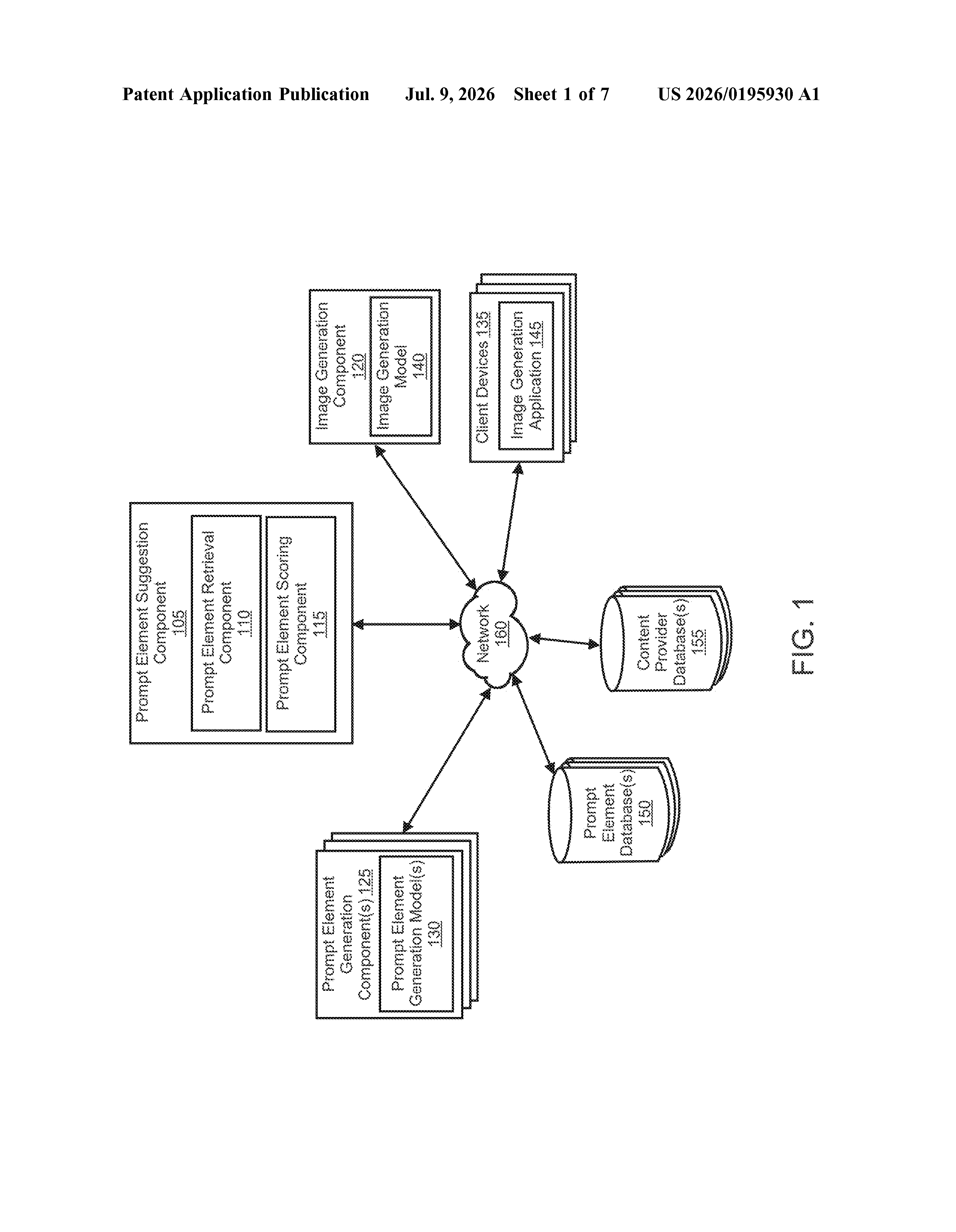
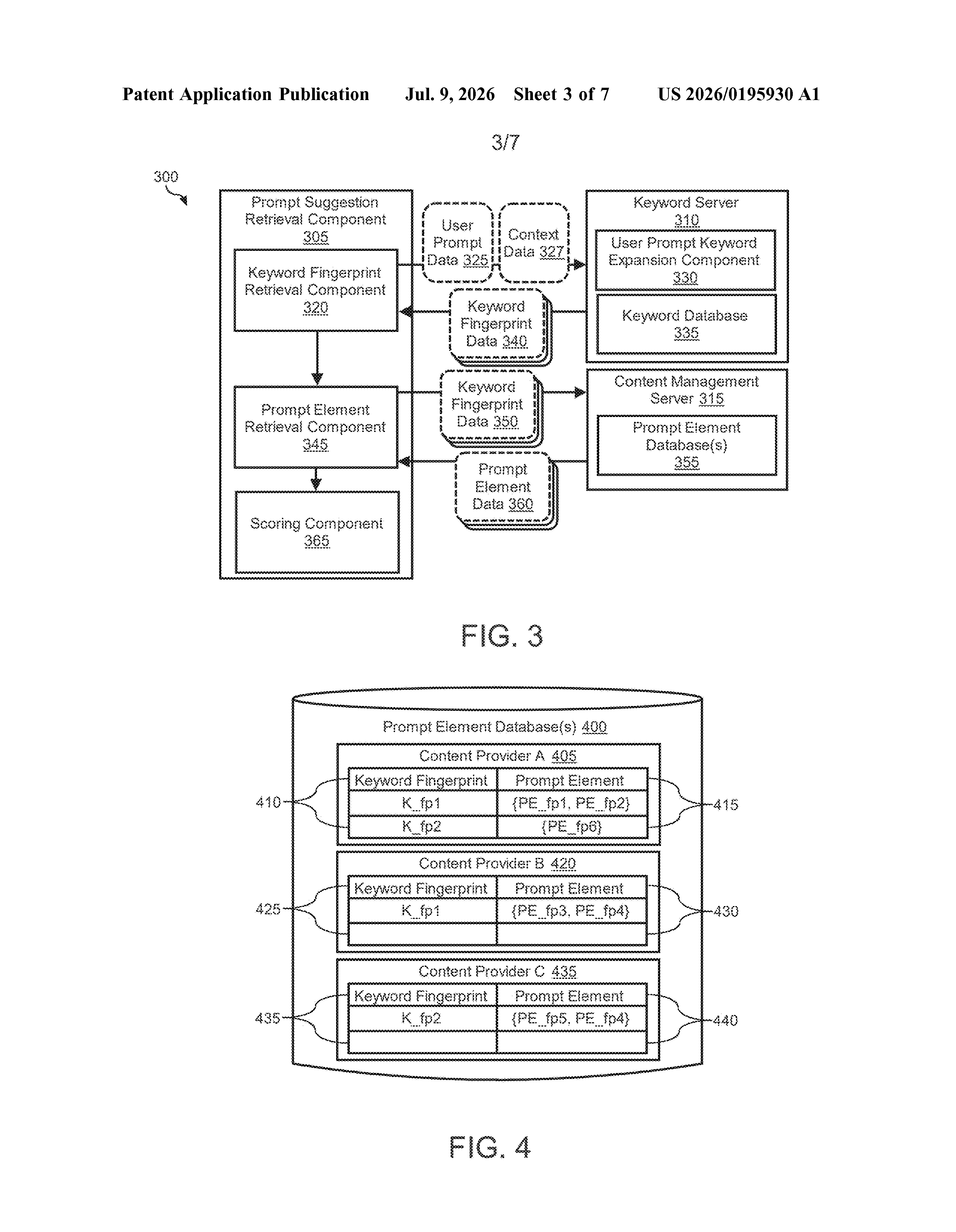
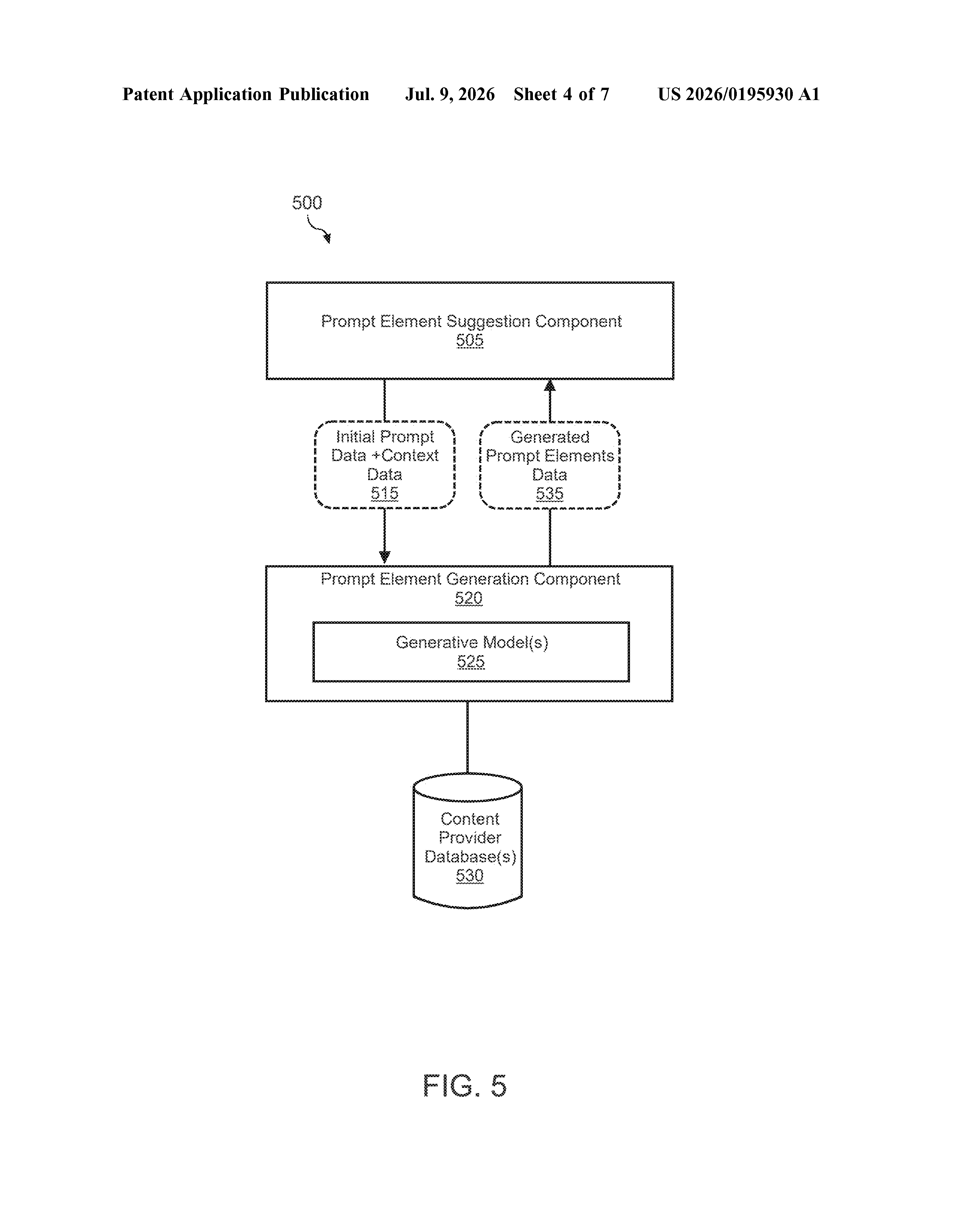
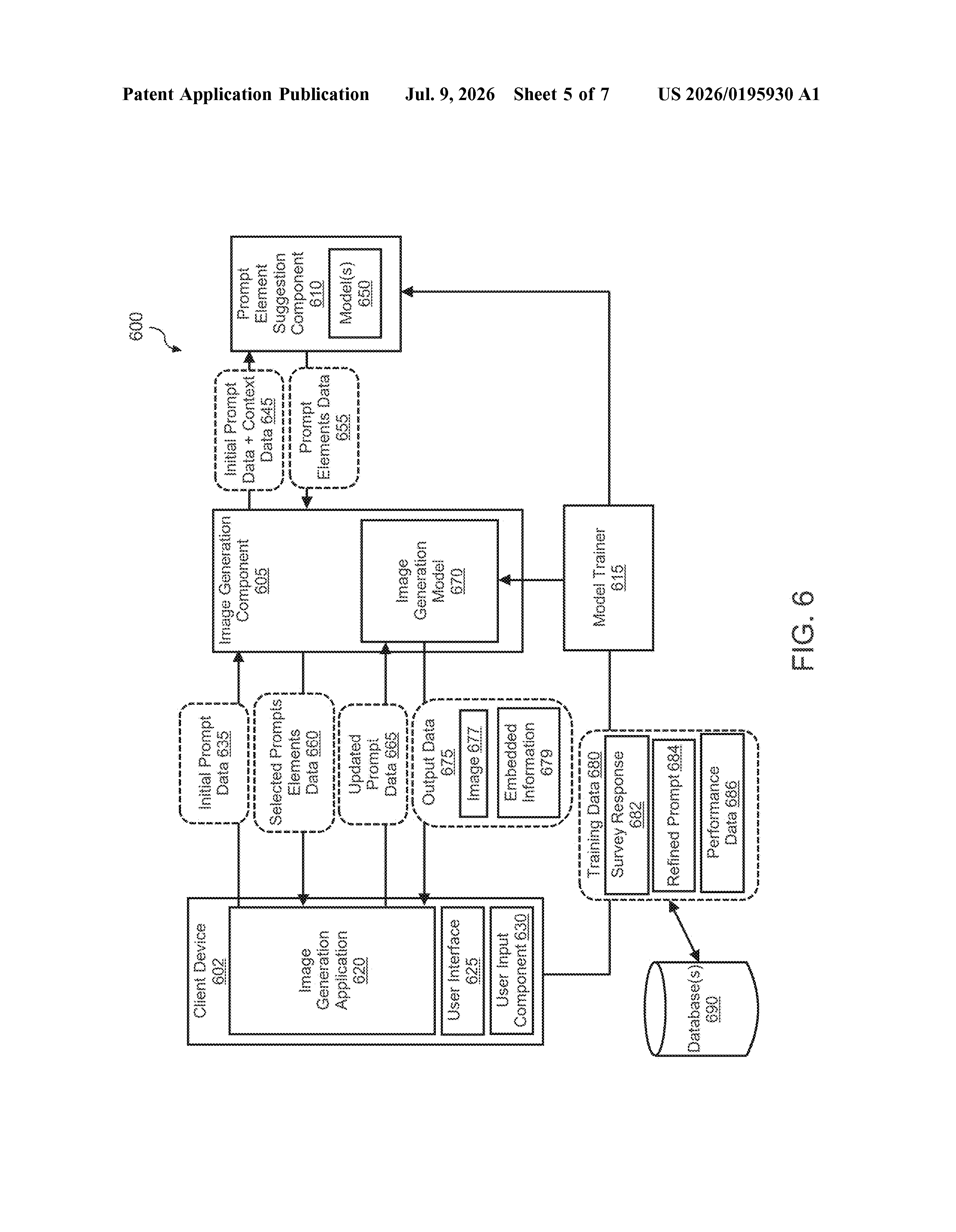
The patent describes two connected systems working together. The first is a prompt element suggestion model, a separate AI that reads your initial text and predicts which descriptive additions would most improve your result. It sends those suggestions back to your device as selectable buttons in the user interface.
The second is the image generation model itself, which only gets involved once you've made your selections. The suggestion model acts as a translator sitting between you and the image generator.
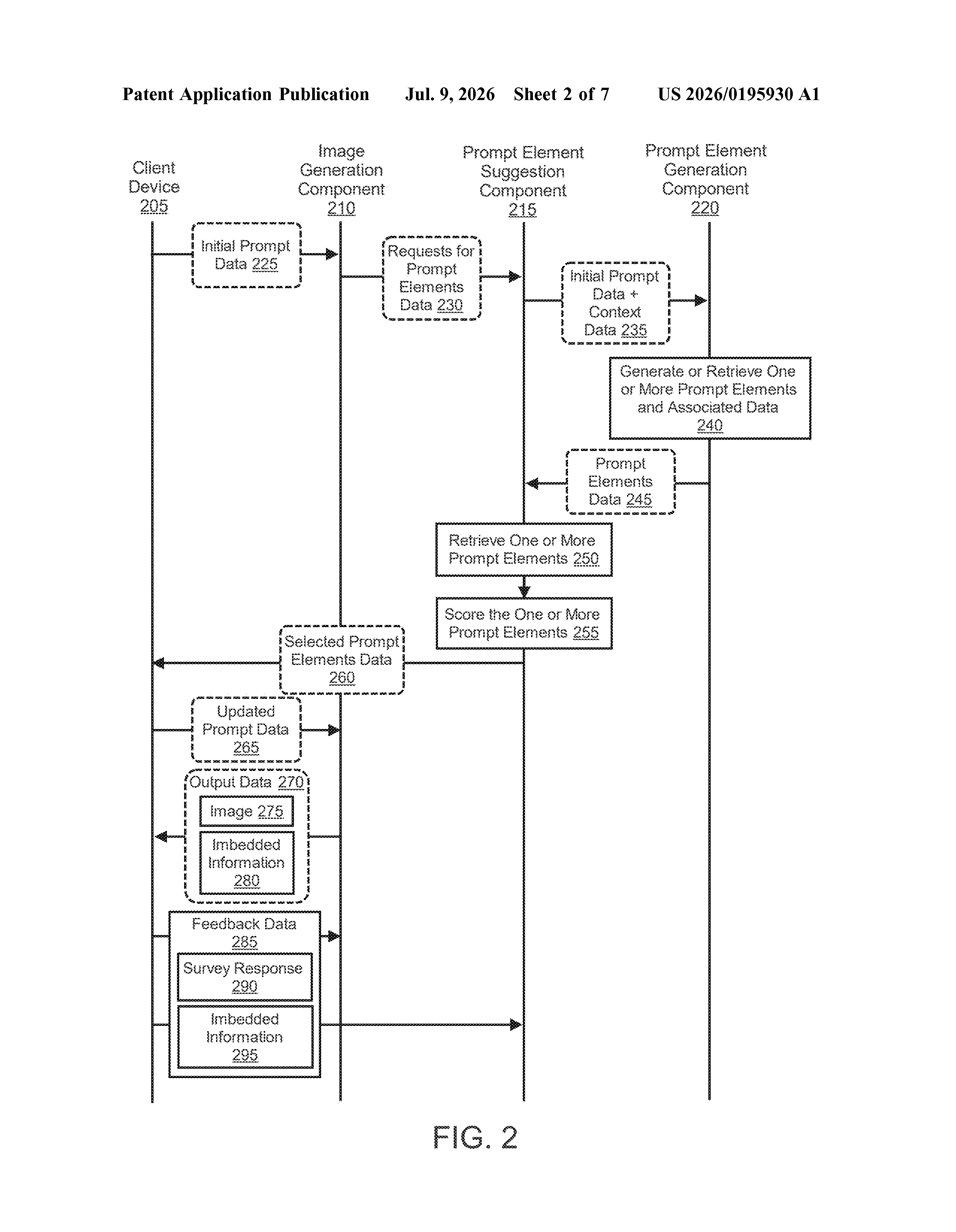
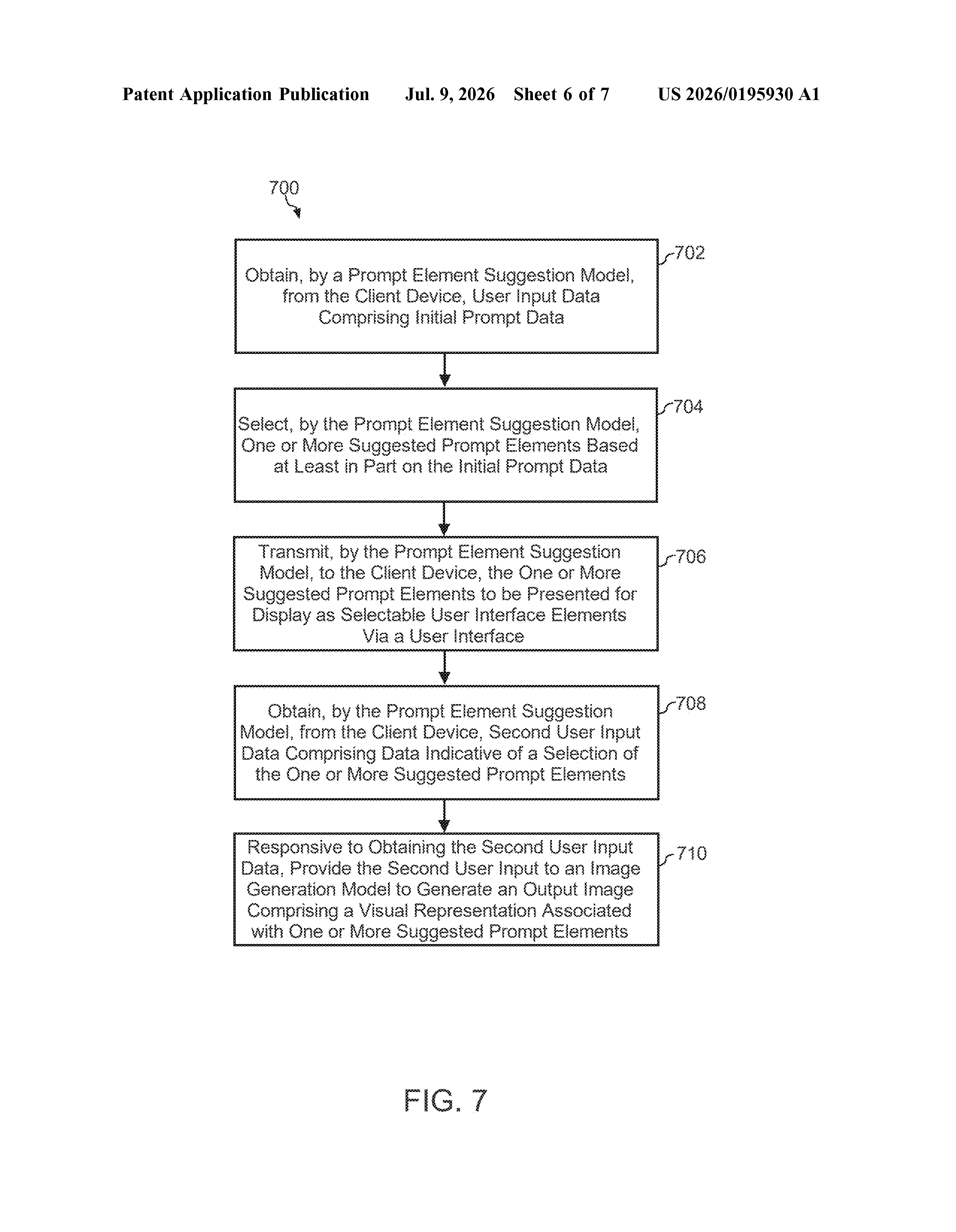
- You type an initial description into the app
- The suggestion model analyzes your text and picks relevant prompt elements (things like style, lighting, mood, or subject detail)
- Those elements appear as clickable UI options on your screen
- You tap the ones you want, and the combined input goes to the image model
- The image model generates an output reflecting your expanded prompt
The claim is careful to separate the suggestion step from the generation step, which suggests Google sees real value in the intermediary layer as a distinct, trainable system.
What this means for everyday AI image generation tools
Right now, the gap between 'I know what I want' and 'I know how to ask an AI for it' is a real barrier for most people. Prompt engineering has become its own informal skill set, and that friction keeps AI image tools feeling like expert software rather than everyday ones. A tap-to-add suggestion layer directly lowers that floor.
For Google, this fits into a broader pattern of building assistive layers on top of its generative AI products. If this shows up in Google Imagen or any image-generation feature inside Google's apps, it could meaningfully change how non-expert users interact with those tools. It also gives Google a patented framework for a UI pattern that competitors are already building informally.
This is a sensible, user-focused patent rather than a technical leap. The core idea, suggesting clickable prompt additions based on what you've already typed, is genuinely useful and addresses a real pain point. What makes it worth watching is that Google is formally staking a claim to this as a distinct system, separate from the image model itself, which hints at plans to build and refine it as a standalone product layer.
Get our take in your Top Stories
Liked this breakdown? Add Patentlyze as a preferred source on Google, and our plain-English take shows up more often in your Top Stories the next time Google patent news breaks.
There are more where this came from
We read every patent application Big Tech publishes and send you the ones worth knowing. Plain English, free, every week.
The drawings
7 drawing sheets from US 2026/0195930 A1 · click any drawing to enlarge
Want this weekly breakdown for a company we don't cover? Patentlyze Pro →