
Nvidia Patent Reveals Robots That Mentally Rehearse Tasks Before Acting
Before a robot picks up an object or opens a drawer, what if it could first watch a video of itself doing it correctly? That's the idea behind this Nvidia patent.
How Nvidia's robot-training video trick works
Imagine you're learning to parallel park. Watching a video of the exact maneuver first, from your car's point of view, makes the real thing easier. Nvidia is applying a similar idea to robots: show the robot a short video of what it's supposed to do, generated by an AI, and use that to teach it how to move.
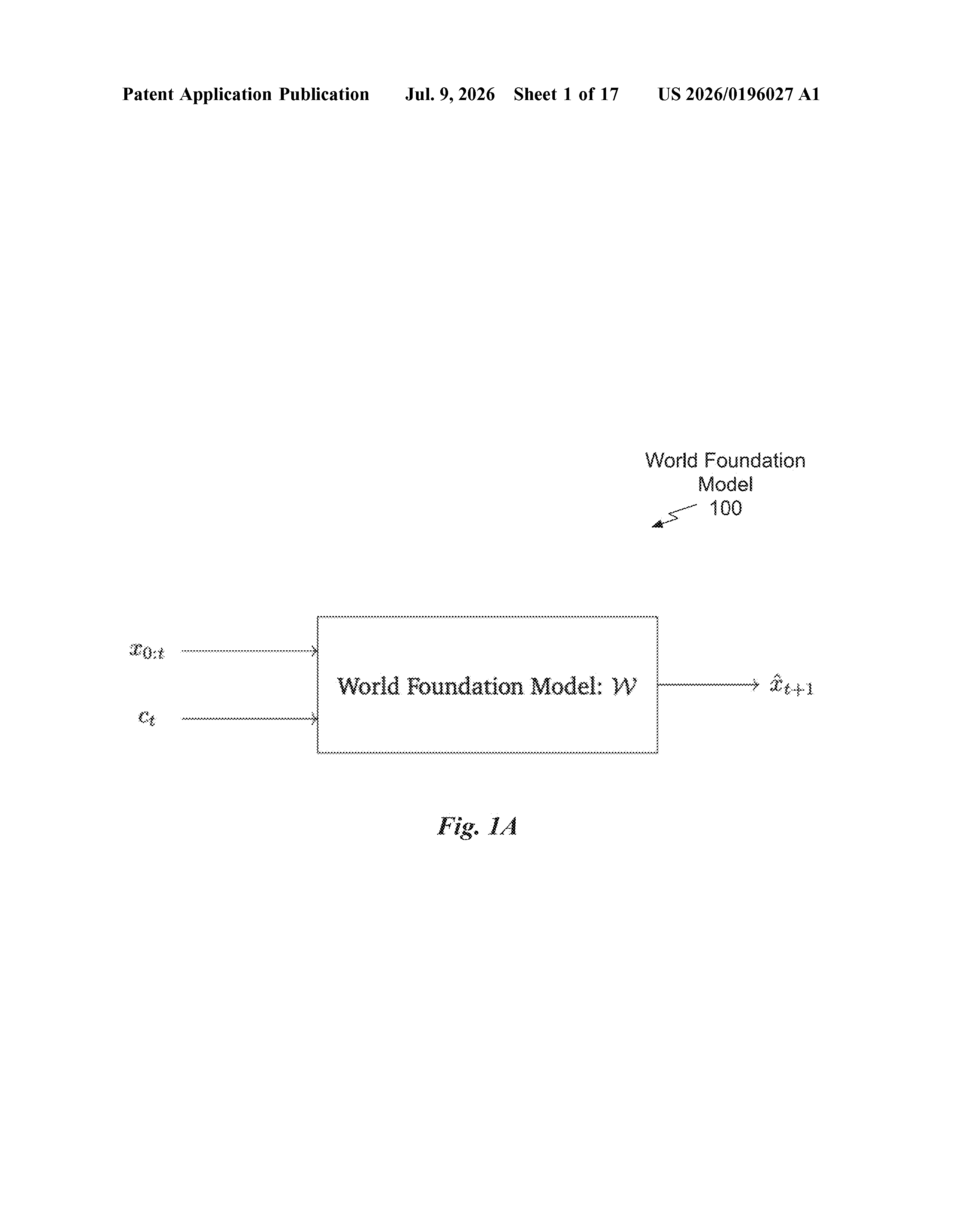
The AI doing the generating here is called a world foundation model. These are large AI systems (similar to the ones behind video-generation tools) that have already learned how physics and 3D space work from watching massive amounts of video. Nvidia's patent describes taking one of those pre-trained models and fine-tuning it specifically for robotics, so it can produce realistic videos of a robot arm picking up objects, pressing buttons, or handling tools.
The key detail is accuracy. The generated videos aren't just plausible-looking clips; the model is required to keep the physics and the 3D geometry consistent frame by frame. That matters because a robot trained on unrealistic video would learn bad habits.
How the world model generates physics-accurate task video
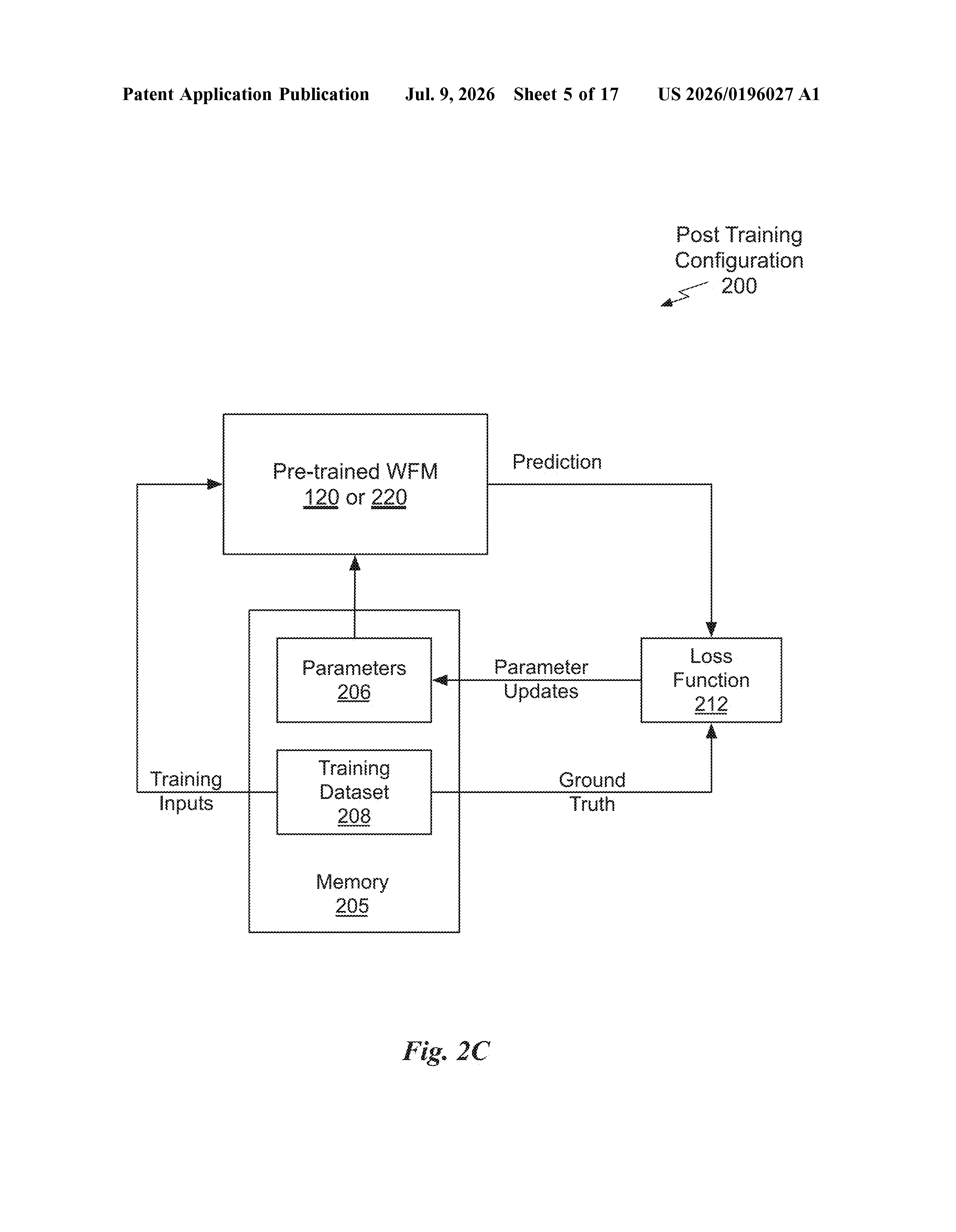
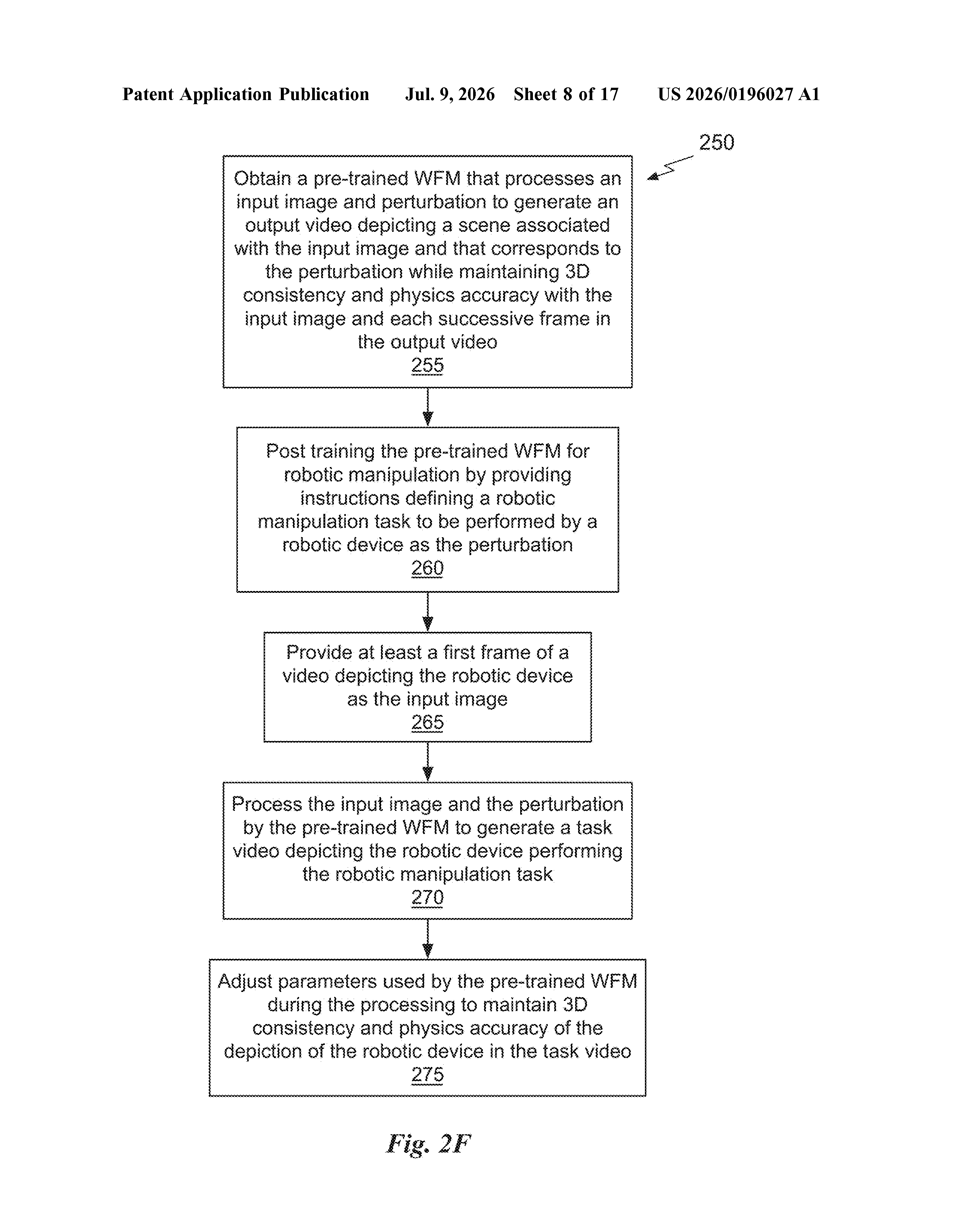
The patent describes a two-step process: pre-training and then post-training (also called fine-tuning).
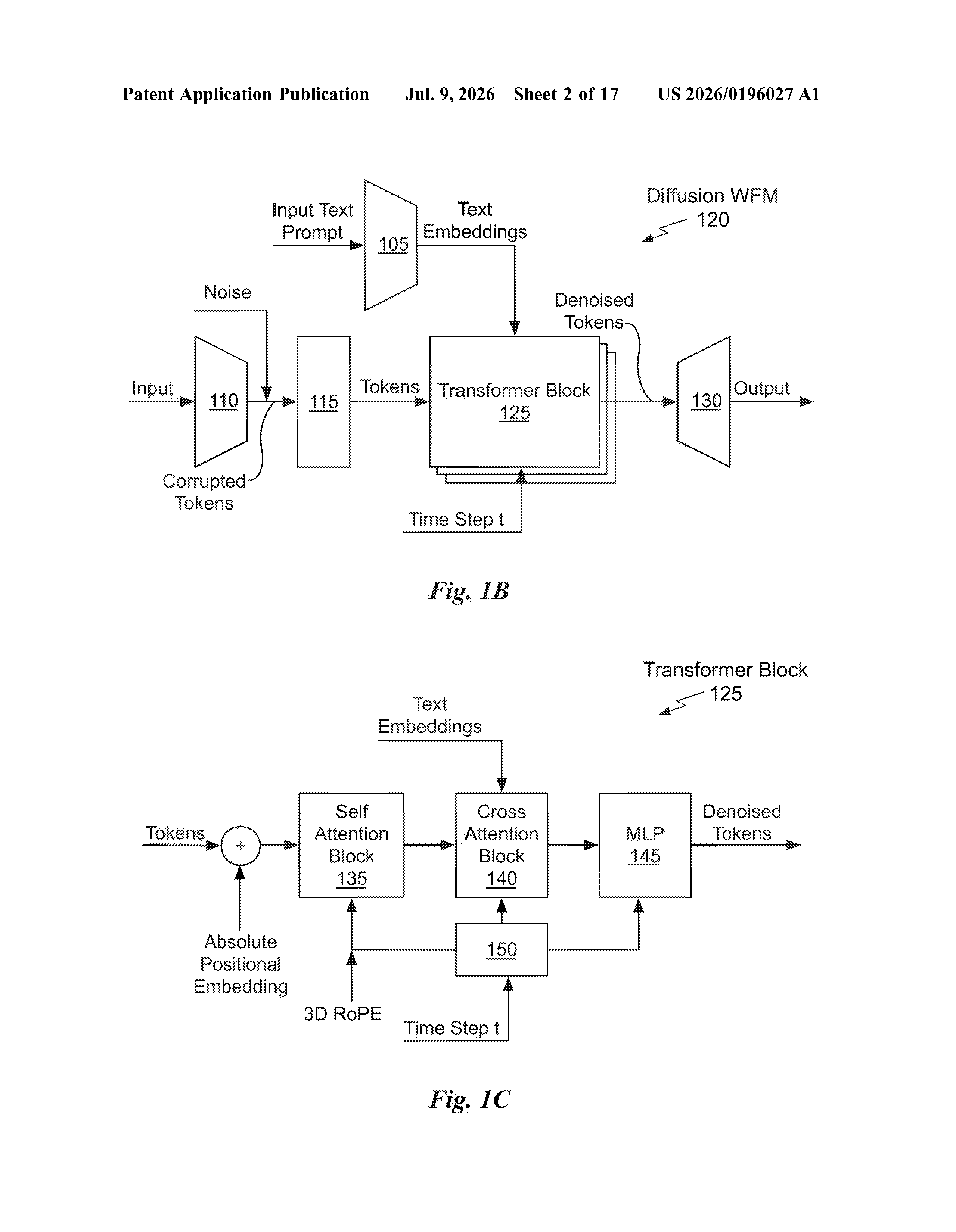
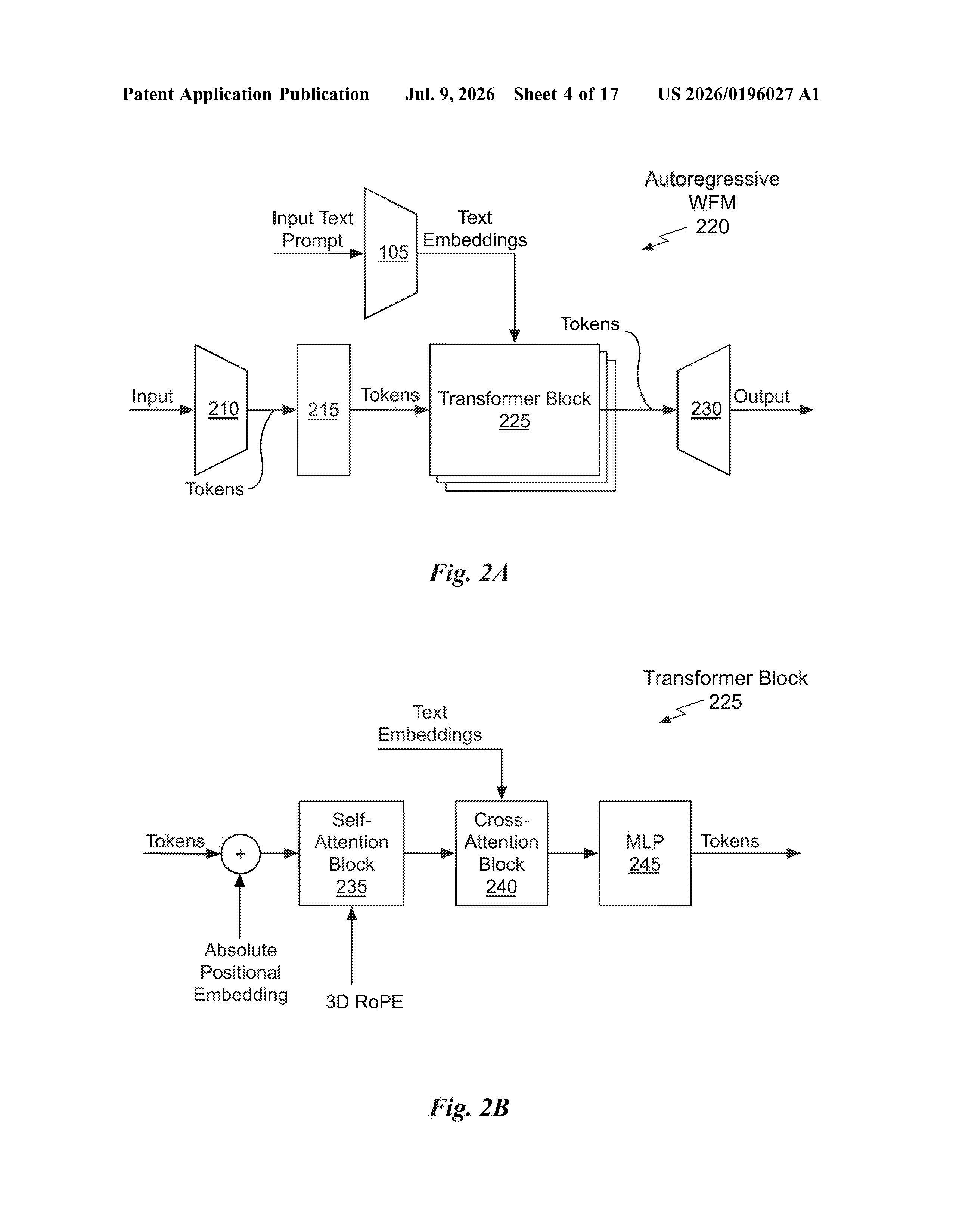
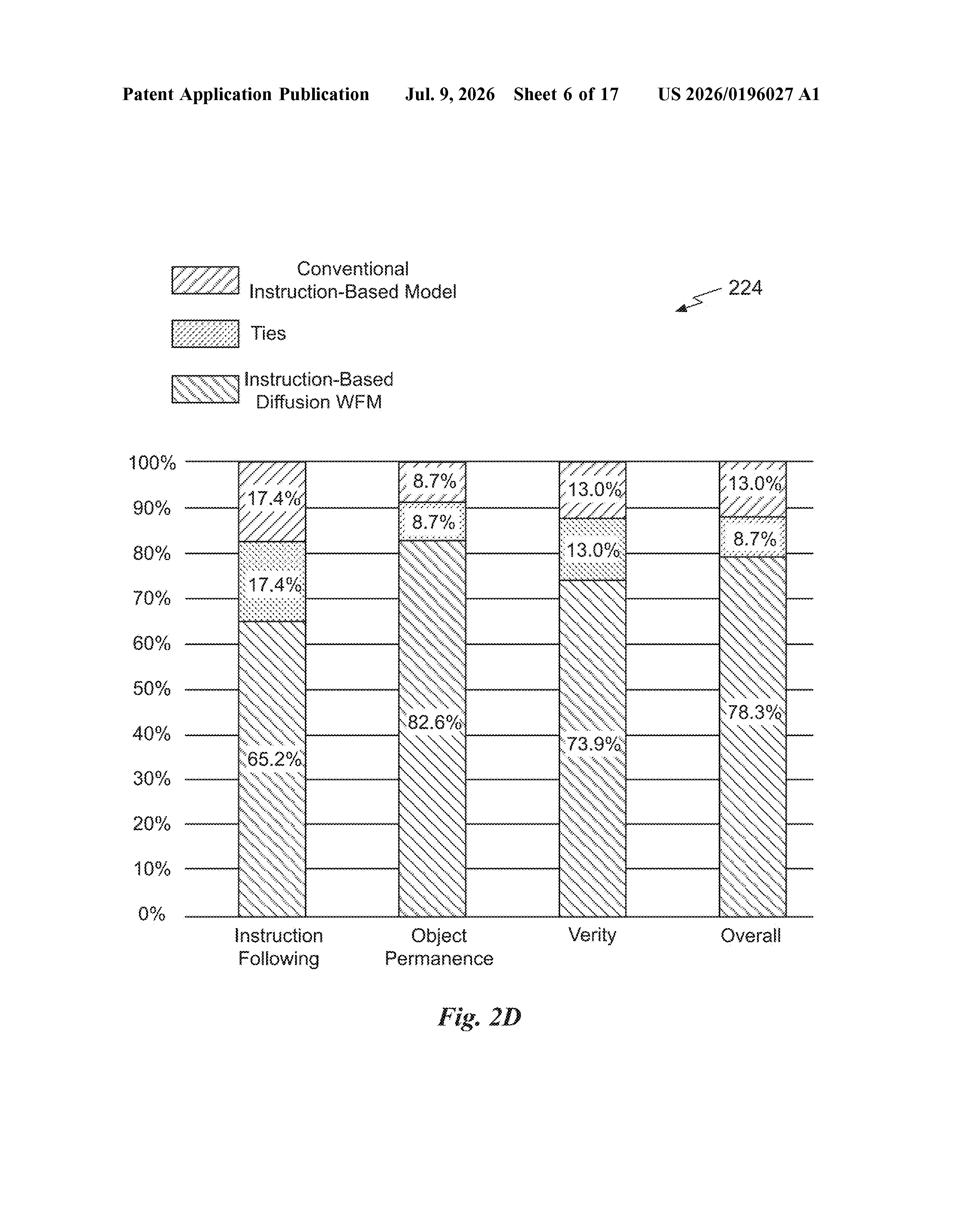
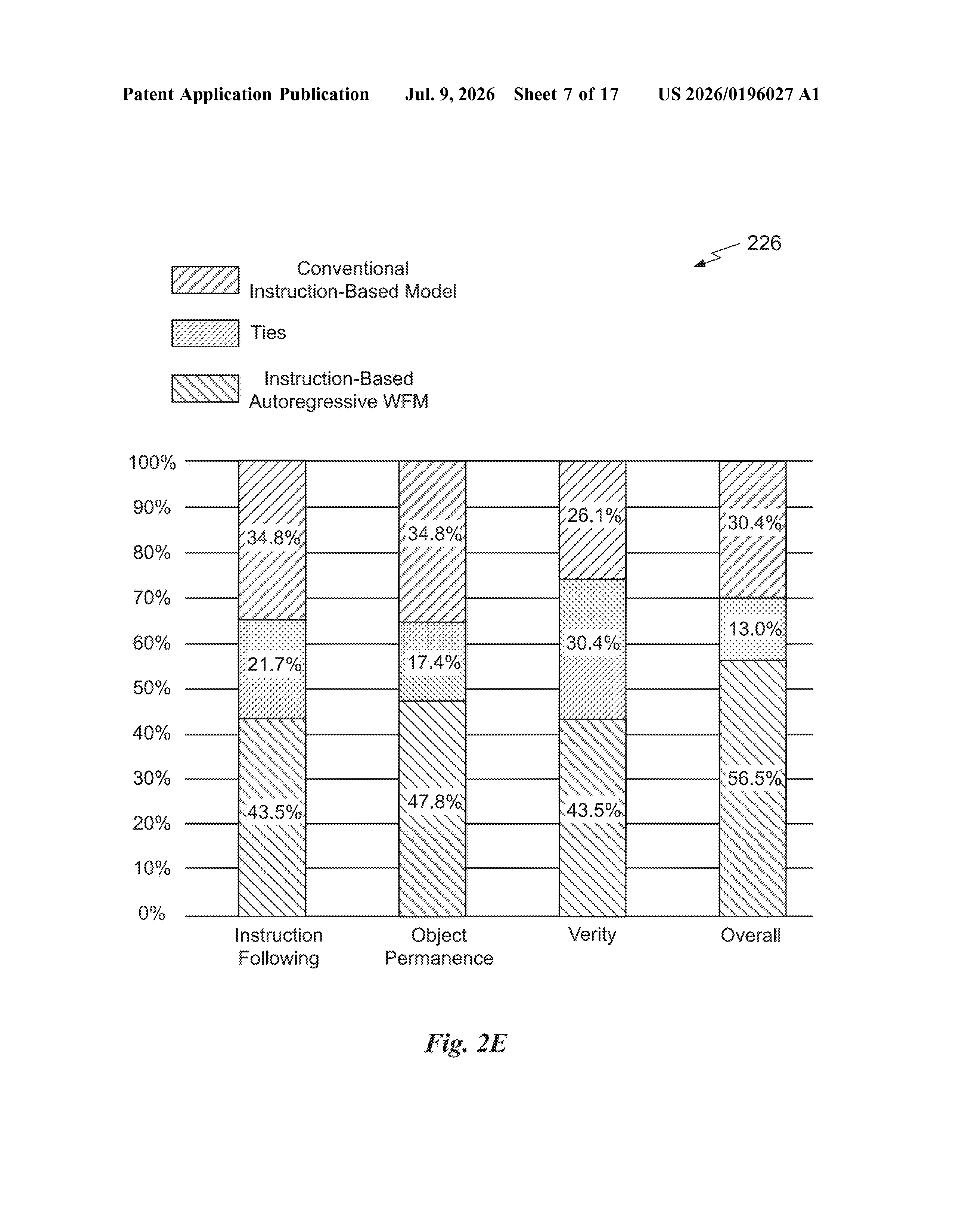
In the first step, a large AI model called a world foundation model (WFM) is already trained on broad video data. It knows, in a general sense, how objects move, how light behaves, and how 3D scenes evolve over time. Two common architectures are mentioned: diffusion models (which generate video by progressively refining noise into a coherent image, the same family of models used in tools like Sora or Stable Video Diffusion) and autoregressive models (which predict one frame at a time, similar to how a language model predicts the next word).
In the second step, that general-purpose model is given robotic manipulation tasks. The inputs are:
- A real video frame showing the robot and its environment
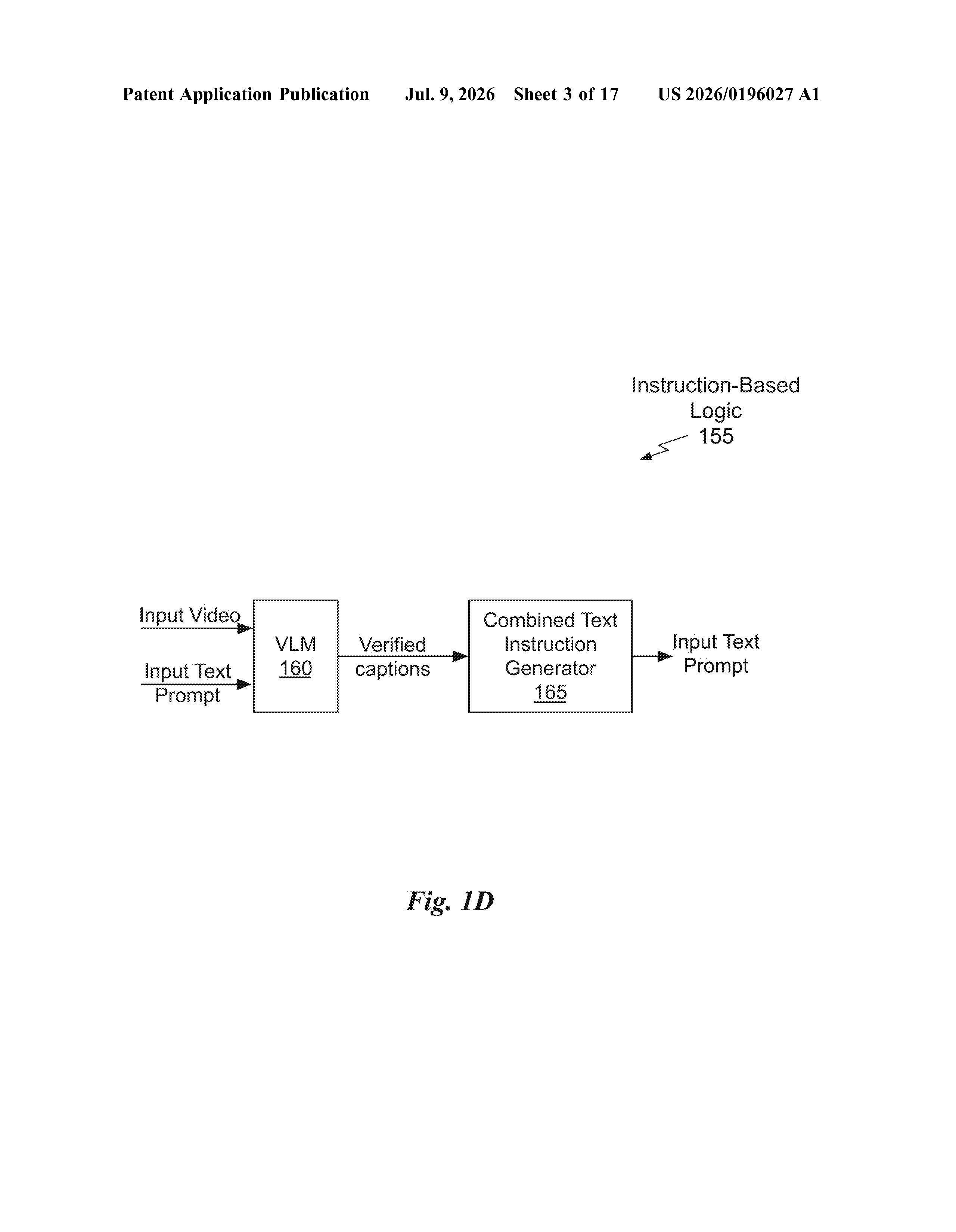
- A text instruction describing what the robot should do (for example, "pick up the red block")
The WFM then generates a video showing the robot completing that task, maintaining 3D consistency (objects don't warp or teleport between frames) and physics accuracy (a robot arm can't pass through a table). The model's internal parameters are then adjusted based on how well the generated video matched those constraints, sharpening its ability to plan realistic robot behavior.
What this means for real-world robot deployment
Training physical robots is expensive. Every time a robot arm fails a task in the real world, that's wear on hardware, wasted time, and sometimes a broken object. If an AI can generate realistic, physics-accurate videos of a robot completing a task, engineers can do a large portion of the training in software before the robot ever touches anything real. That could dramatically cut the time and cost of deploying robots in warehouses, labs, or factories.
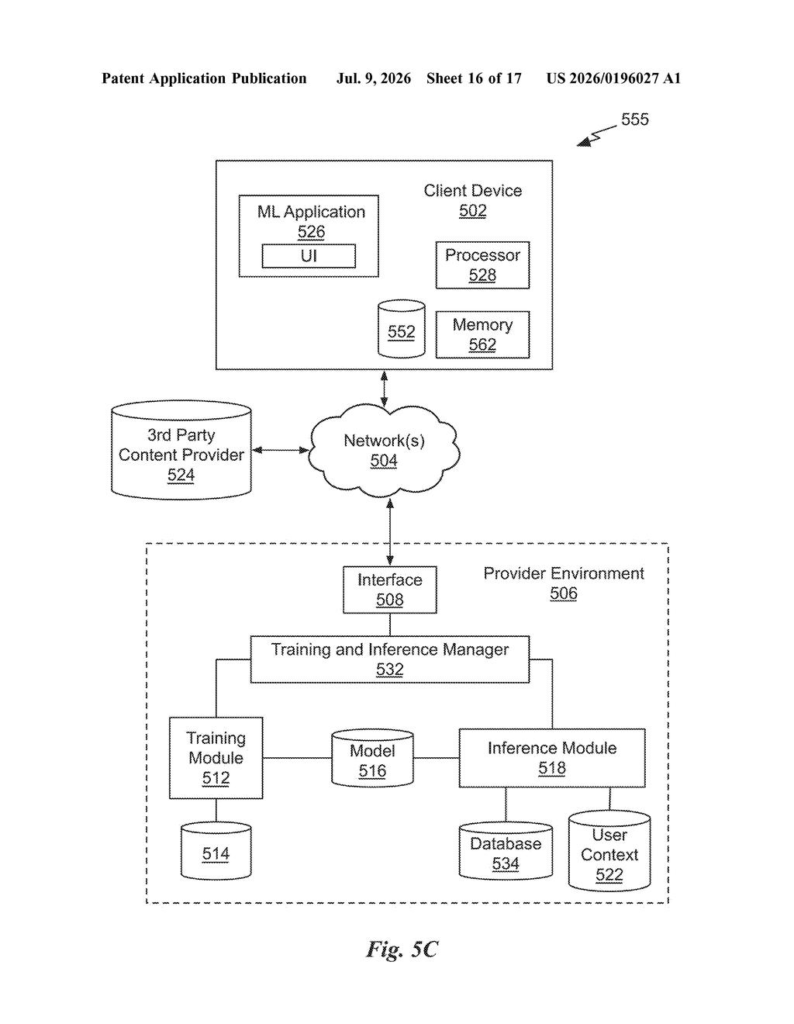
For Nvidia, this fits directly into its Isaac robotics platform, which already uses simulated environments to train robots. Adding a world foundation model that generates video rather than relying on a hand-coded physics simulator is a meaningful step toward training robots from general-purpose AI, the same way large language models are fine-tuned for specific tasks.
This is a genuinely interesting patent because it sits at the intersection of two areas where Nvidia has real infrastructure: large-scale video AI and robotics simulation. The fine-tuning approach described here is pragmatic, not speculative, it mirrors exactly how the industry already adapts large language models for narrow tasks. Whether the physics accuracy claims hold up in practice is the real question, but the direction is sound.
Get our take in your Top Stories
Liked this breakdown? Add Patentlyze as a preferred source on Google, and our plain-English take shows up more often in your Top Stories the next time Nvidia patent news breaks.
There are more where this came from
We read every patent application Big Tech publishes and send you the ones worth knowing. Plain English, free, every week.
The drawings
17 drawing sheets from US 2026/0196027 A1 · click any drawing to enlarge
Want this weekly breakdown for a company we don't cover? Patentlyze Pro →