
Intel Patents a Way to Help AI Pick the Best Starting Point for Video
When an AI generates a video, the random starting point it picks can mean the difference between a coherent clip and a jumbled mess. Intel has patented a way to let the AI read its own internal signals to pick the best starting point before it even begins.
How Intel's system steers AI video generation from the start
Imagine you're about to bake a cake but you get to taste three different batters after just one minute in the oven, then pick whichever one is already developing the most consistent flavor. That's essentially what Intel's system does for AI-generated video.
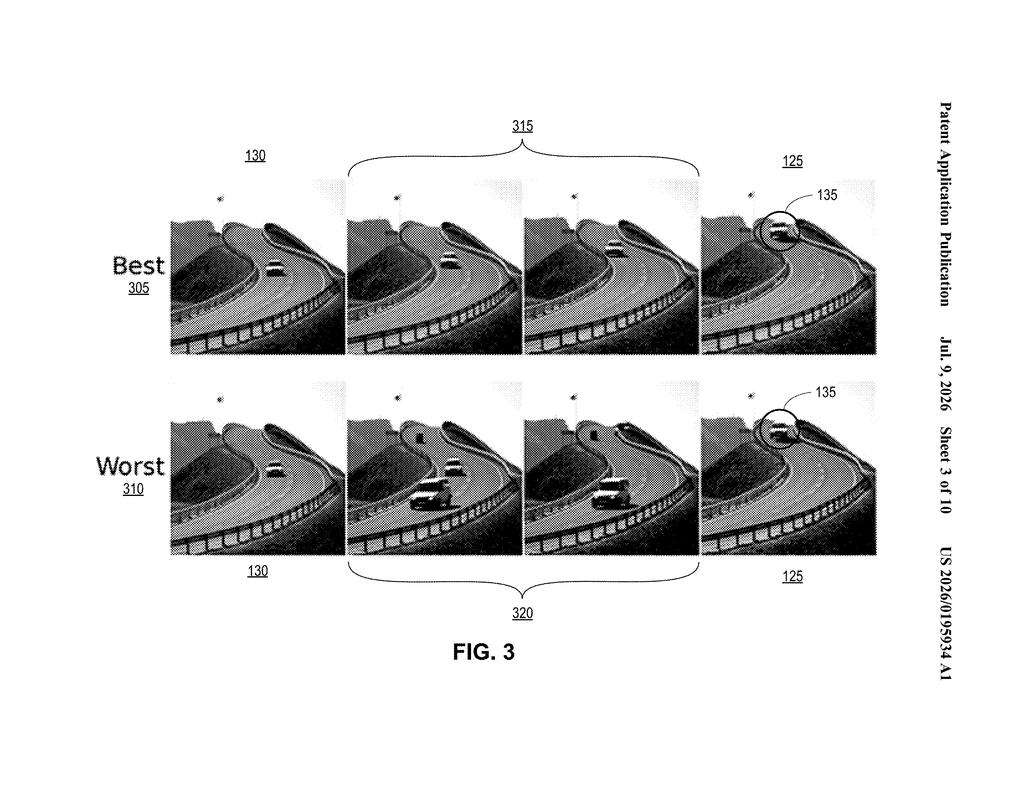
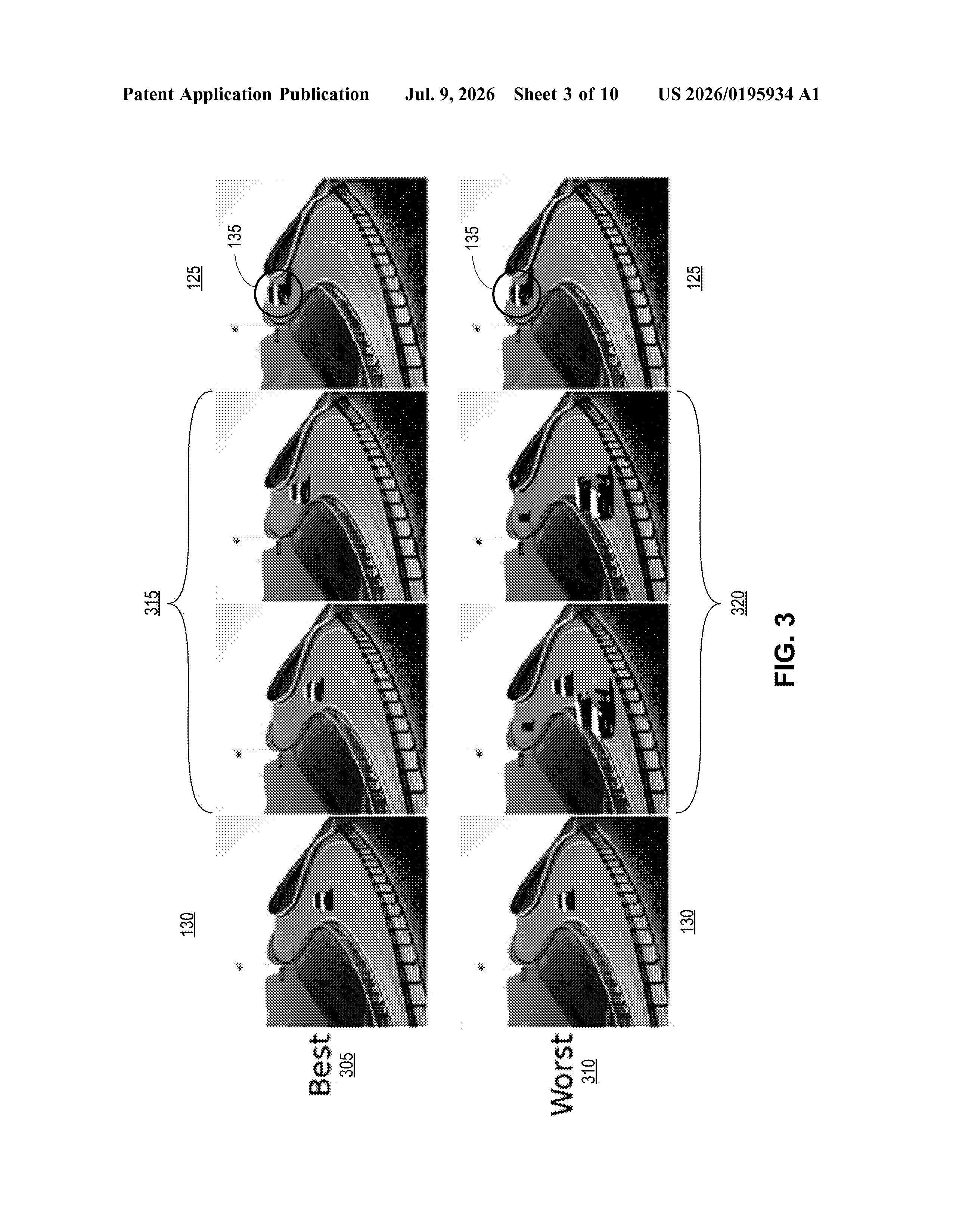
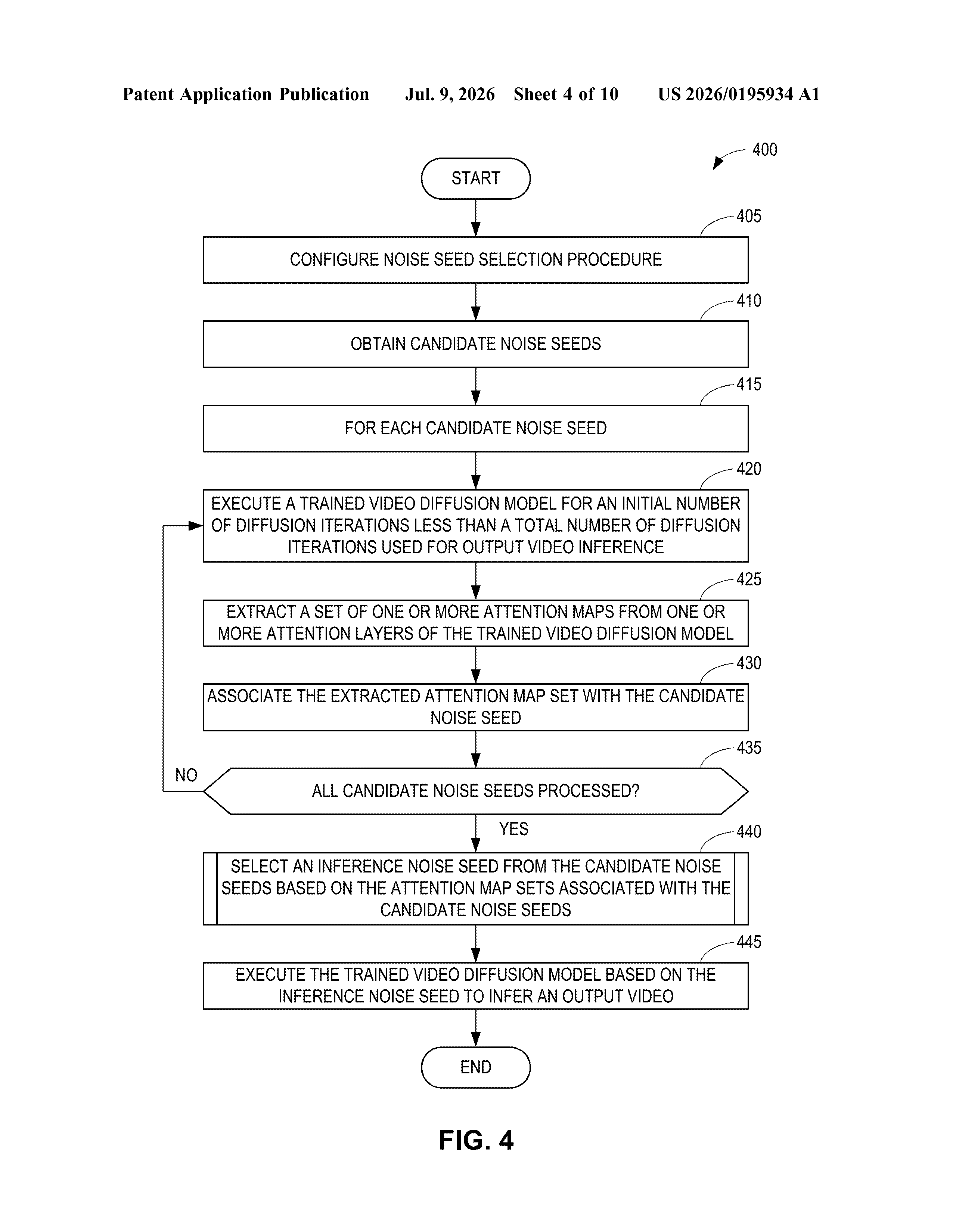
When AI video tools create a clip, they start from a blob of random digital noise and gradually shape it into something coherent. The random starting blob, called a noise seed, has a big influence on whether the final video looks good. Intel's patent describes a system that generates several candidate seeds, runs the AI model for just a few steps with each one, and then checks the model's own internal "attention" signals (the parts of the AI that decide what to focus on) to see which seed produces the most consistent patterns.
The seed with the steadiest, most agreeable internal signals wins, and the AI finishes generating the video from that point. You get a better result without the AI needing any extra training, and the whole selection process adds very little extra time.
How attention maps decide which noise seed wins
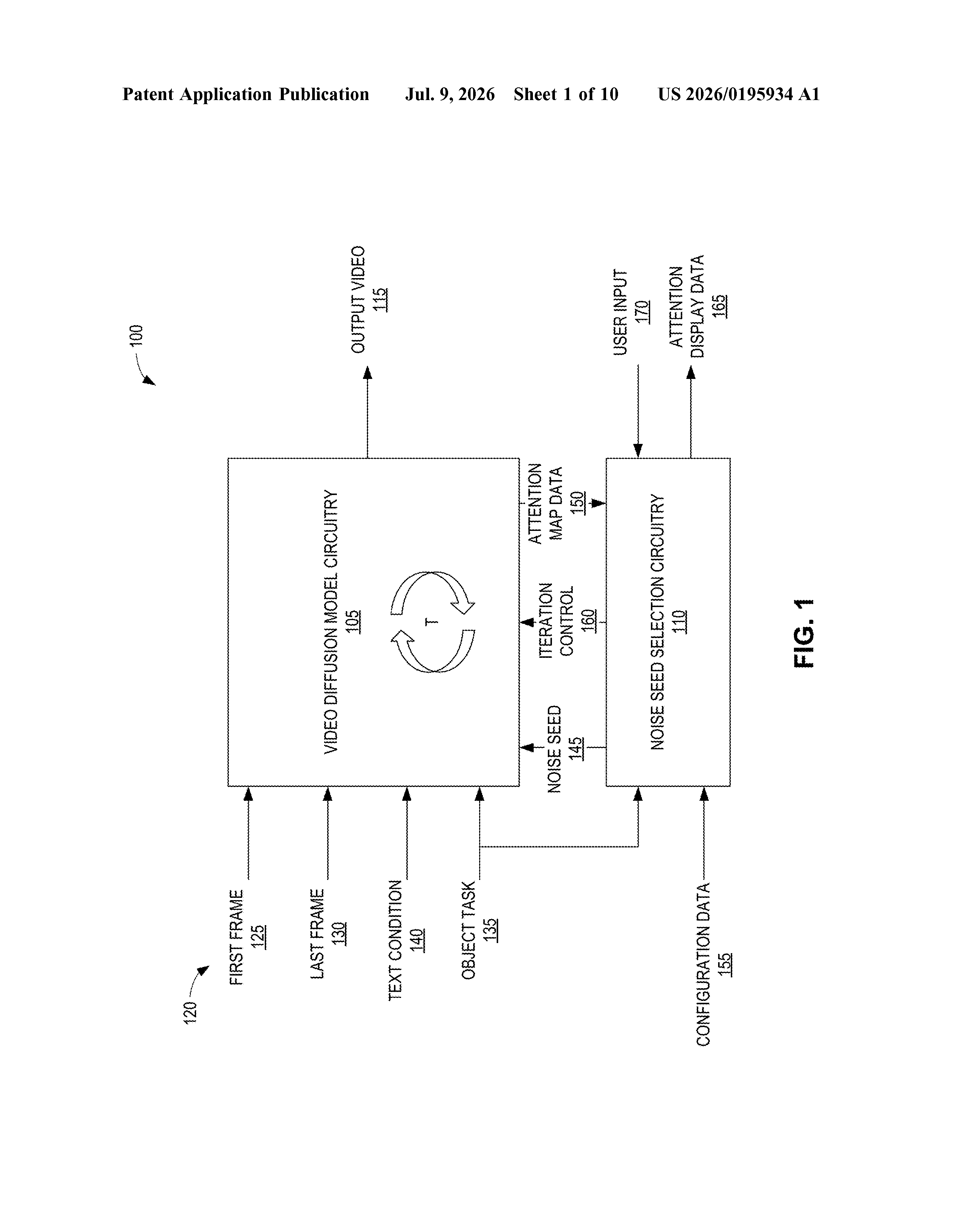
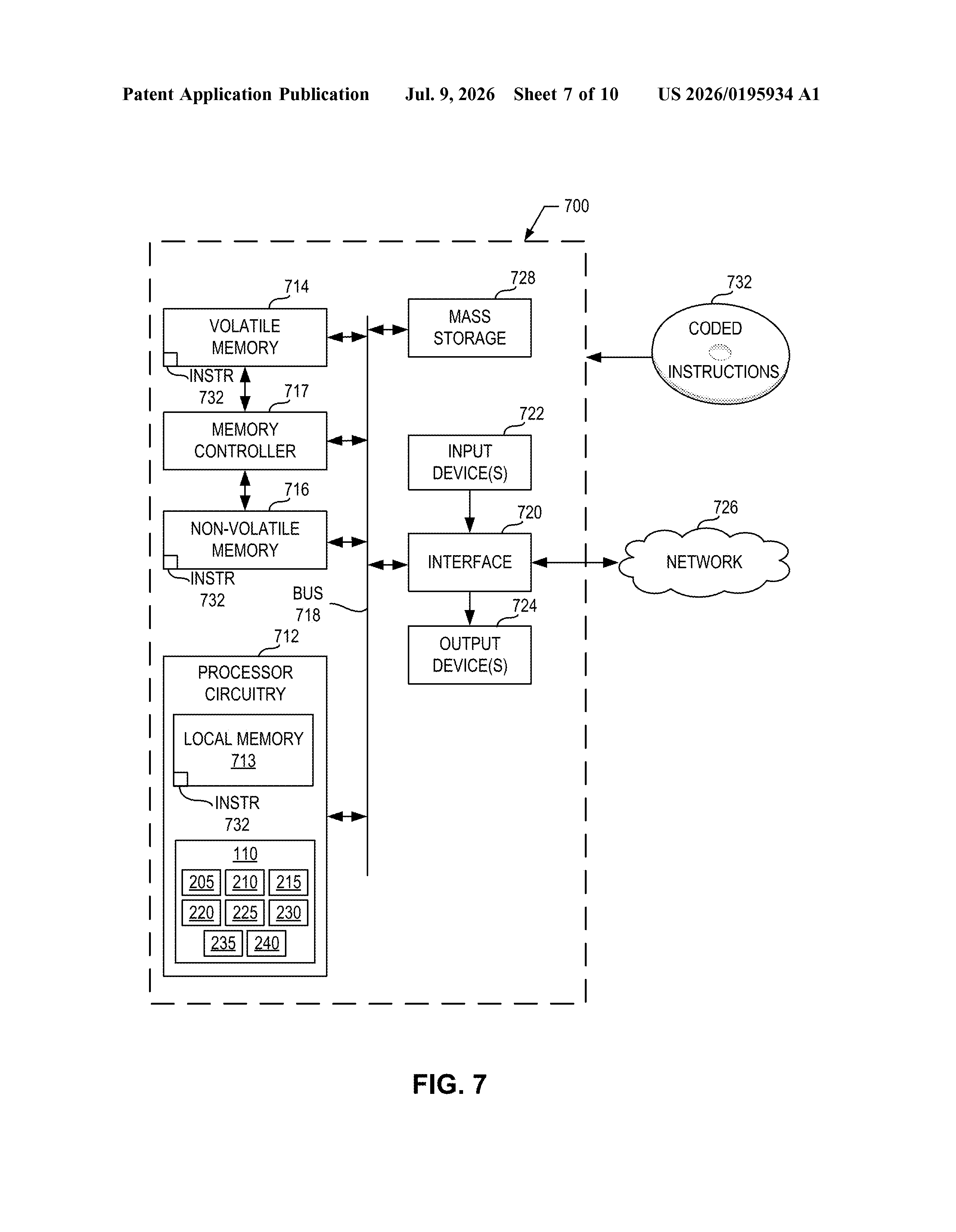
The patent describes a hardware and software system built around a trained video diffusion model (an AI that creates video by repeatedly refining noise into a coherent image sequence). The key insight is that the model's internal attention maps (heat maps showing which parts of a scene the model is paying attention to at each step) can reveal, very early in generation, whether a given starting point is going to produce a stable, coherent video.
Here's the process the system follows:
- Generate several candidate noise seeds (different random starting blobs).
- Run the video diffusion model for a small number of iterations with each candidate, far fewer than a full generation pass.
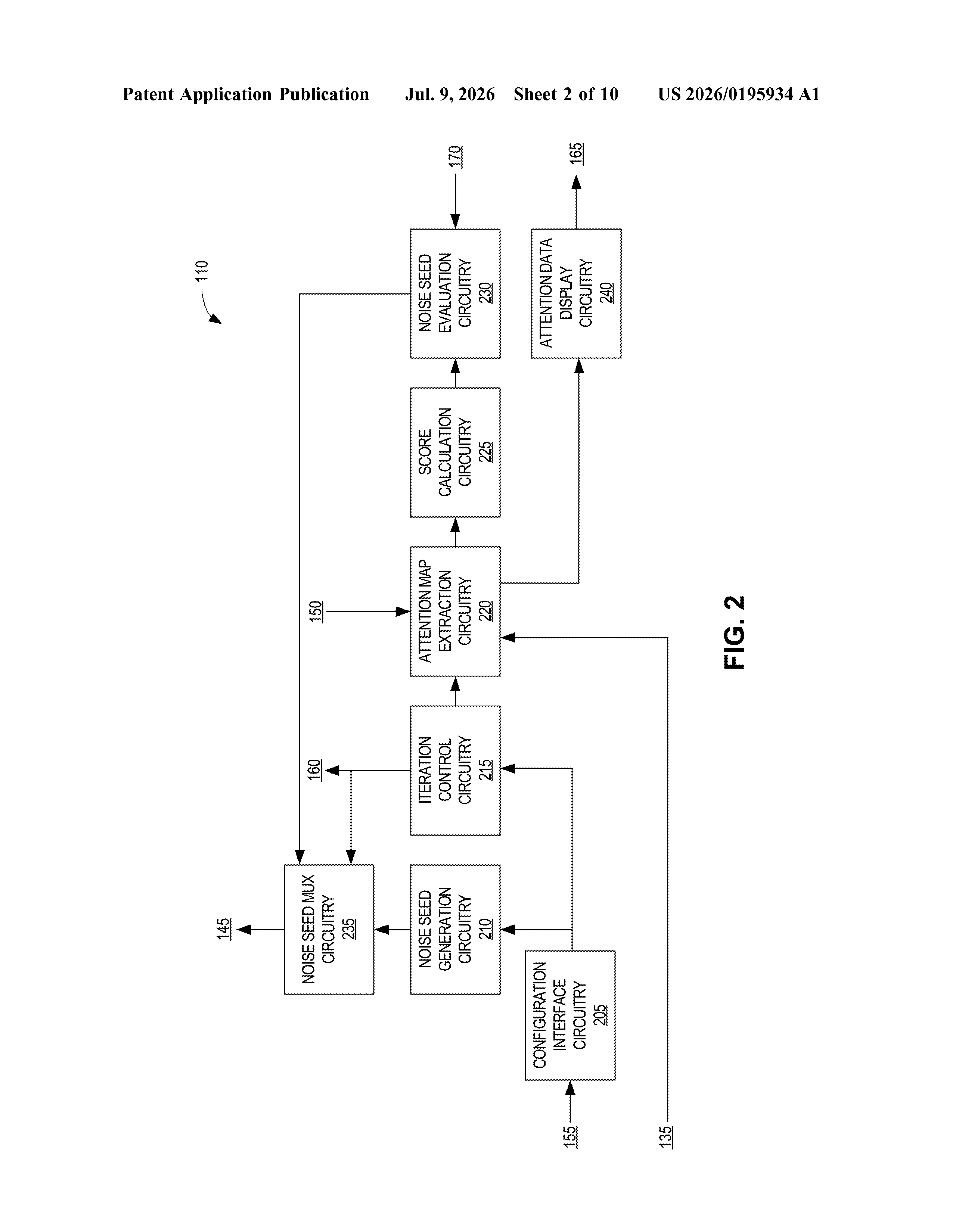
- Extract attention maps from one or more layers of the model during those short runs.
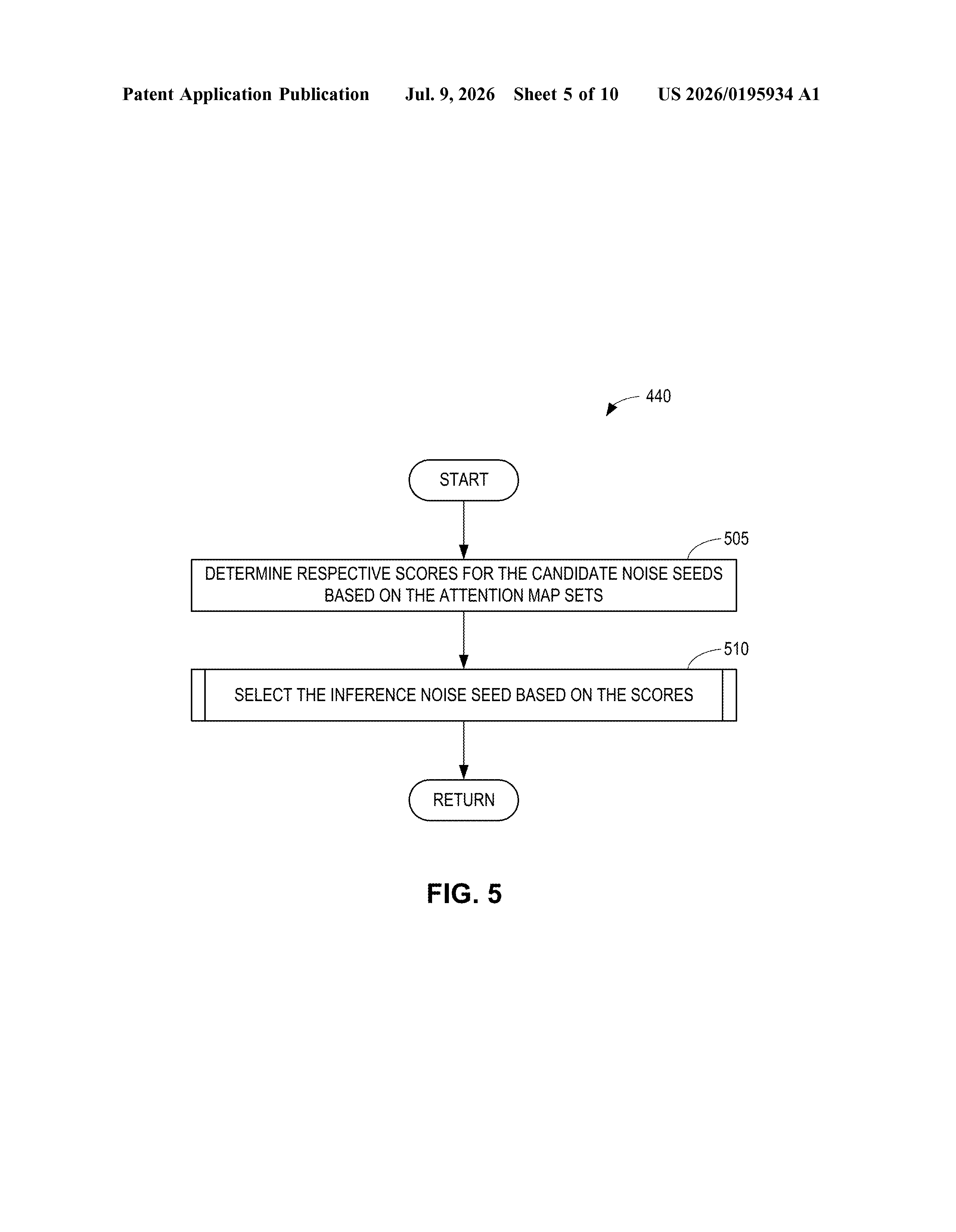
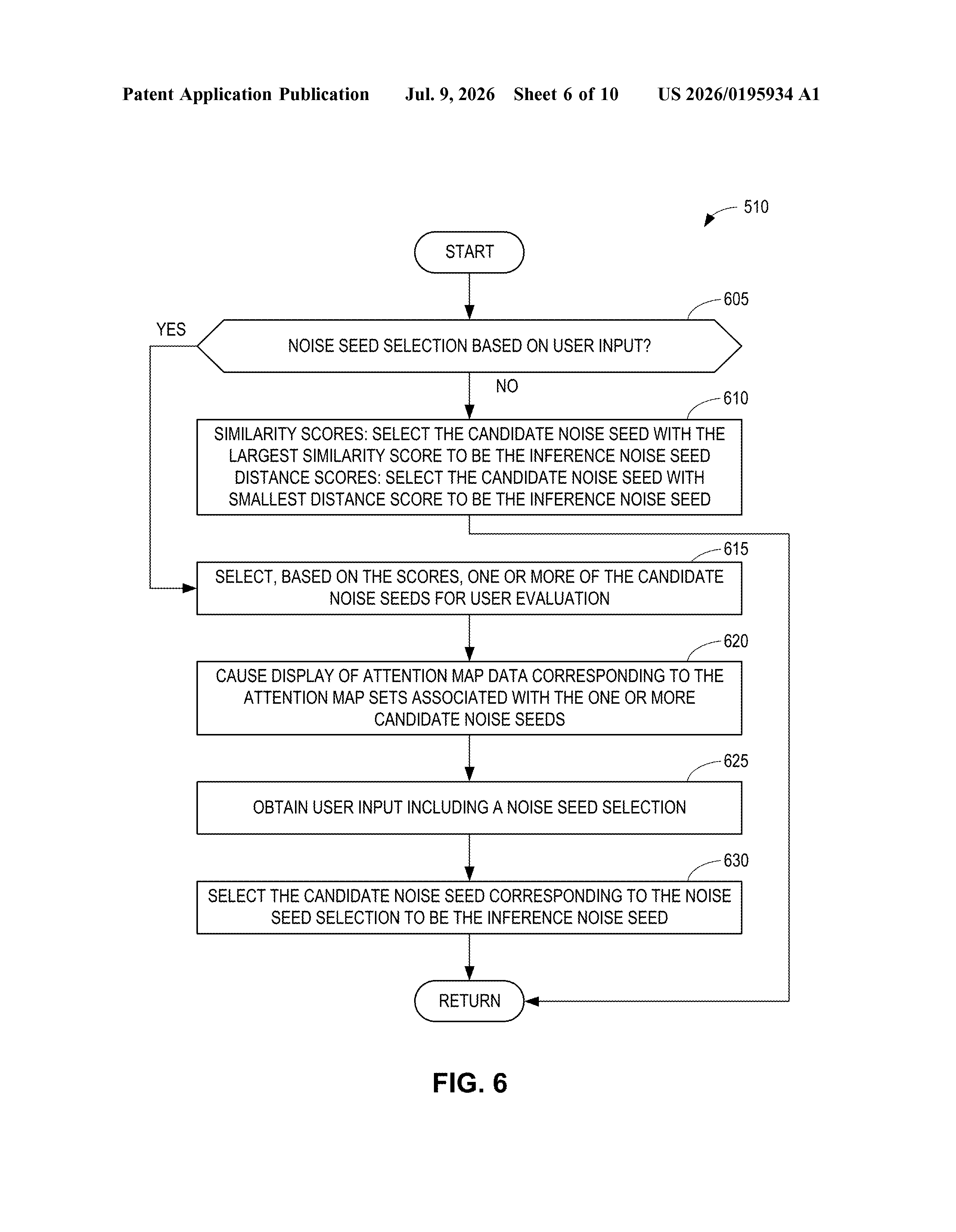
- Compute a similarity score comparing each candidate's attention patterns to the others, looking for the seed whose patterns are most consistent across the group.
- Use the winning seed to drive the full remaining generation and produce the final video.
Because the selection step uses only a few early iterations, the extra compute cost is low. The system also requires no retraining of the underlying model, and the attention maps can be displayed as visual heat maps so a human operator can inspect what the model was focusing on.
What this means for AI video quality and consistency
AI video generation tools, including the kind powering products from OpenAI, Google, and others, can produce wildly different results depending on factors users can't control. A bad starting seed means wasted GPU time and an unusable clip. Intel's approach gives the system a way to self-correct at the very beginning, which could meaningfully improve output consistency without making generation slower or more expensive overall.
For professional video workflows, where time and compute costs are real concerns, a system that reliably picks better starting points could reduce the number of re-generation attempts users need. The fact that this works with an existing, already-trained model also means it could, in principle, be dropped into current tools as an add-on rather than requiring anyone to rebuild their pipeline from scratch.
This is a genuinely practical idea rather than a flashy one. The insight that a model's own attention patterns can predict output quality after only a few steps is clever, and the no-retraining requirement makes it actually useful in real production pipelines. Intel doesn't dominate the AI accelerator space the way Nvidia does, so patents like this signal where they're trying to carve out an edge in AI software and tooling.
Get our take in your Top Stories
Liked this breakdown? Add Patentlyze as a preferred source on Google, and our plain-English take shows up more often in your Top Stories the next time Intel patent news breaks.
There are more where this came from
We read every patent application Big Tech publishes and send you the ones worth knowing. Plain English, free, every week.
The drawings
10 drawing sheets from US 2026/0195934 A1 · click any drawing to enlarge
Want this weekly breakdown for a company we don't cover? Patentlyze Pro →