
Samsung Patents a System That Picks What Your Foldable's Inner Screen Shows When You Open It
When you open a foldable phone, should the app on the cover screen jump to the big inner display automatically, or wait for you to decide? Samsung has a patent that tries to answer that question with a lot more precision than current devices do.
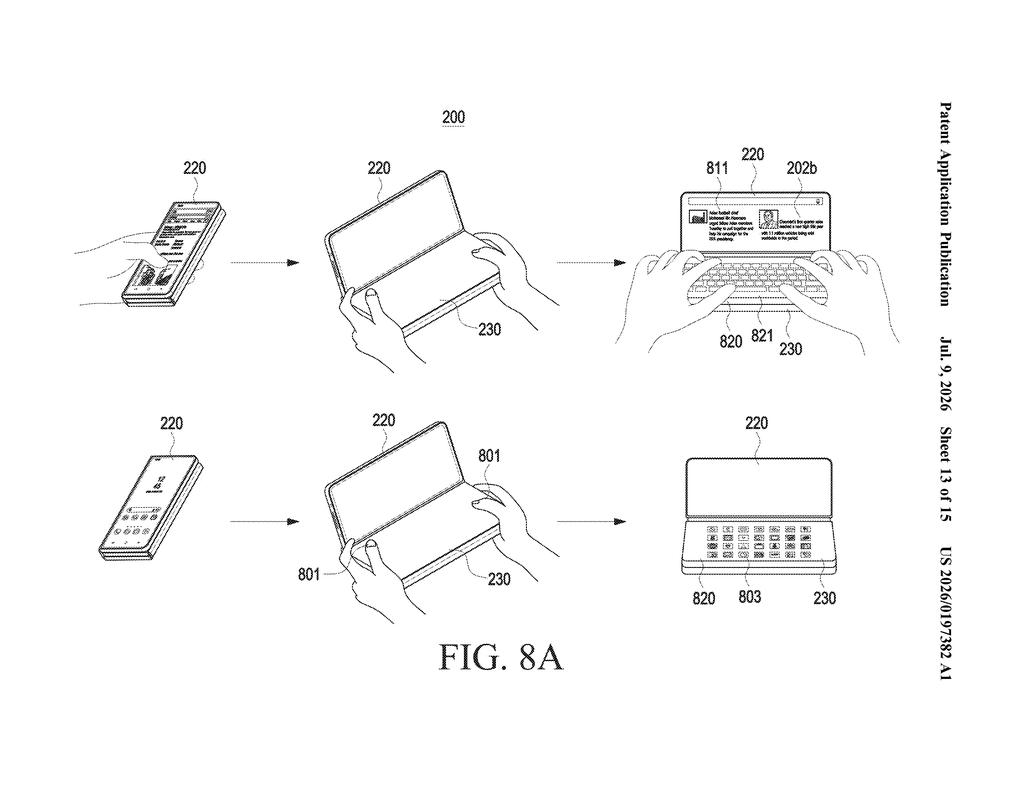
What Samsung's foldable screen-switching patent actually does
Imagine you're watching a video on the small outer screen of a foldable phone, then you unfold it. Right now, different phones handle that moment inconsistently: some apps jump to the big screen, some don't, and it can feel like a coin flip. Samsung's patent is about making that moment deliberate.
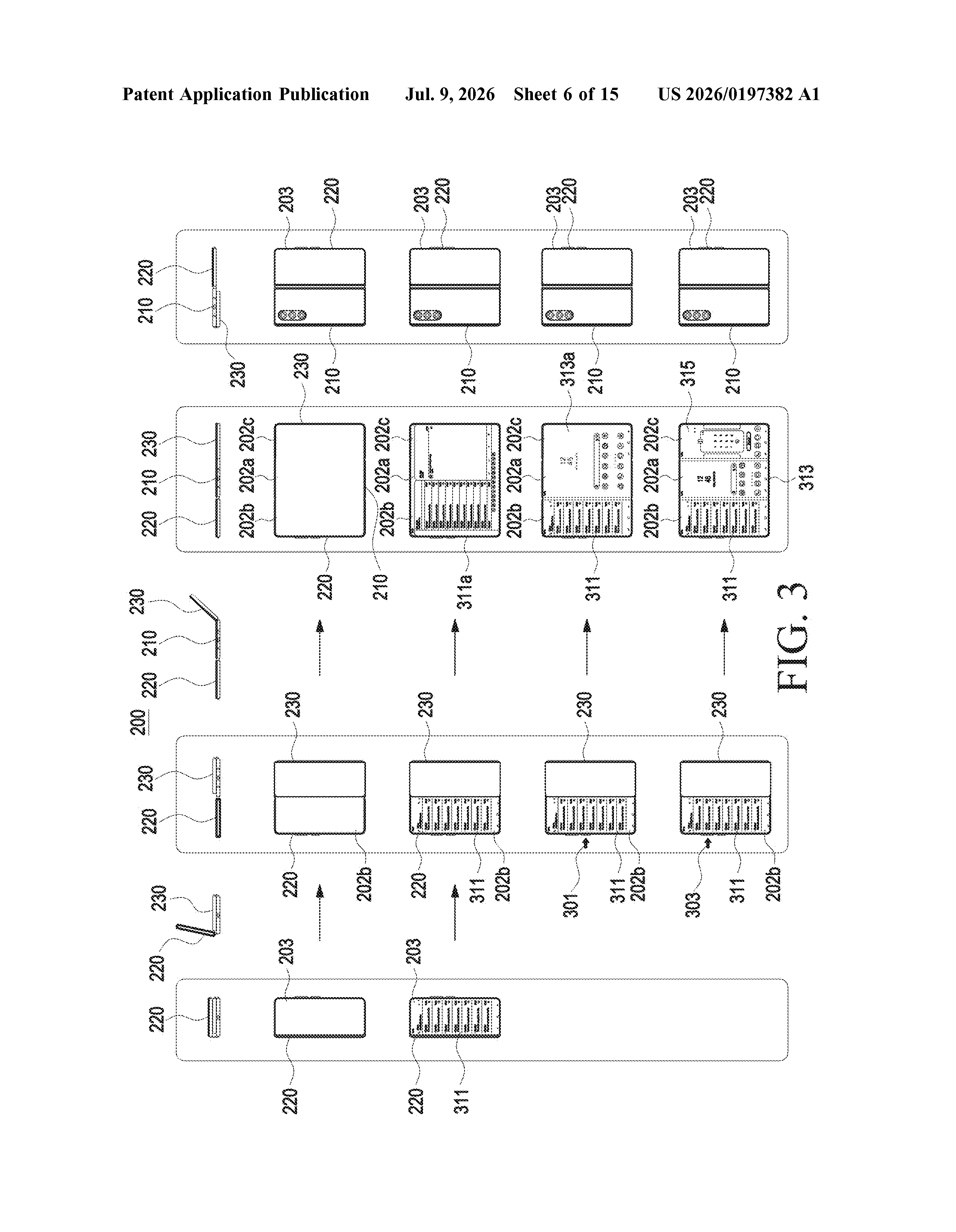
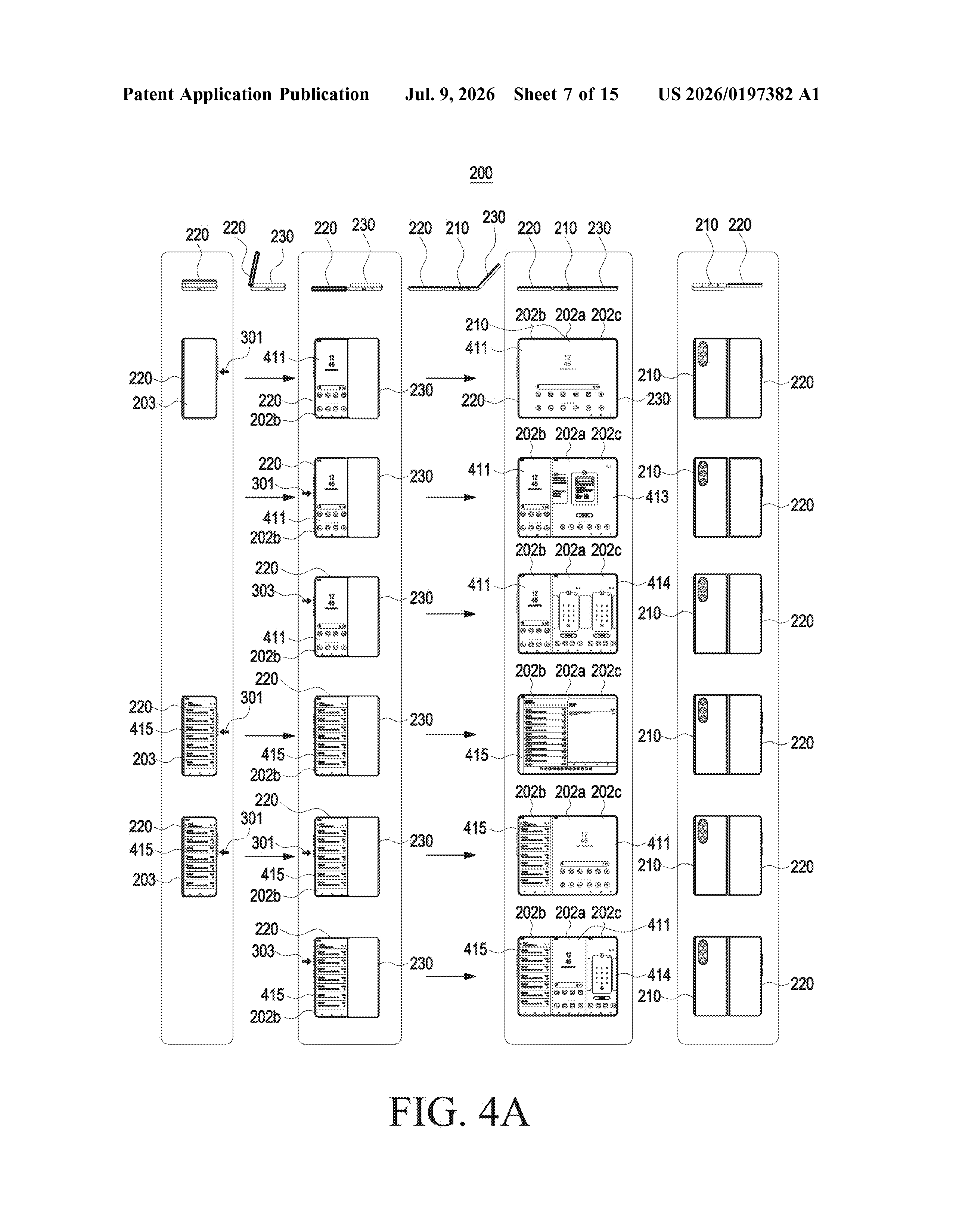
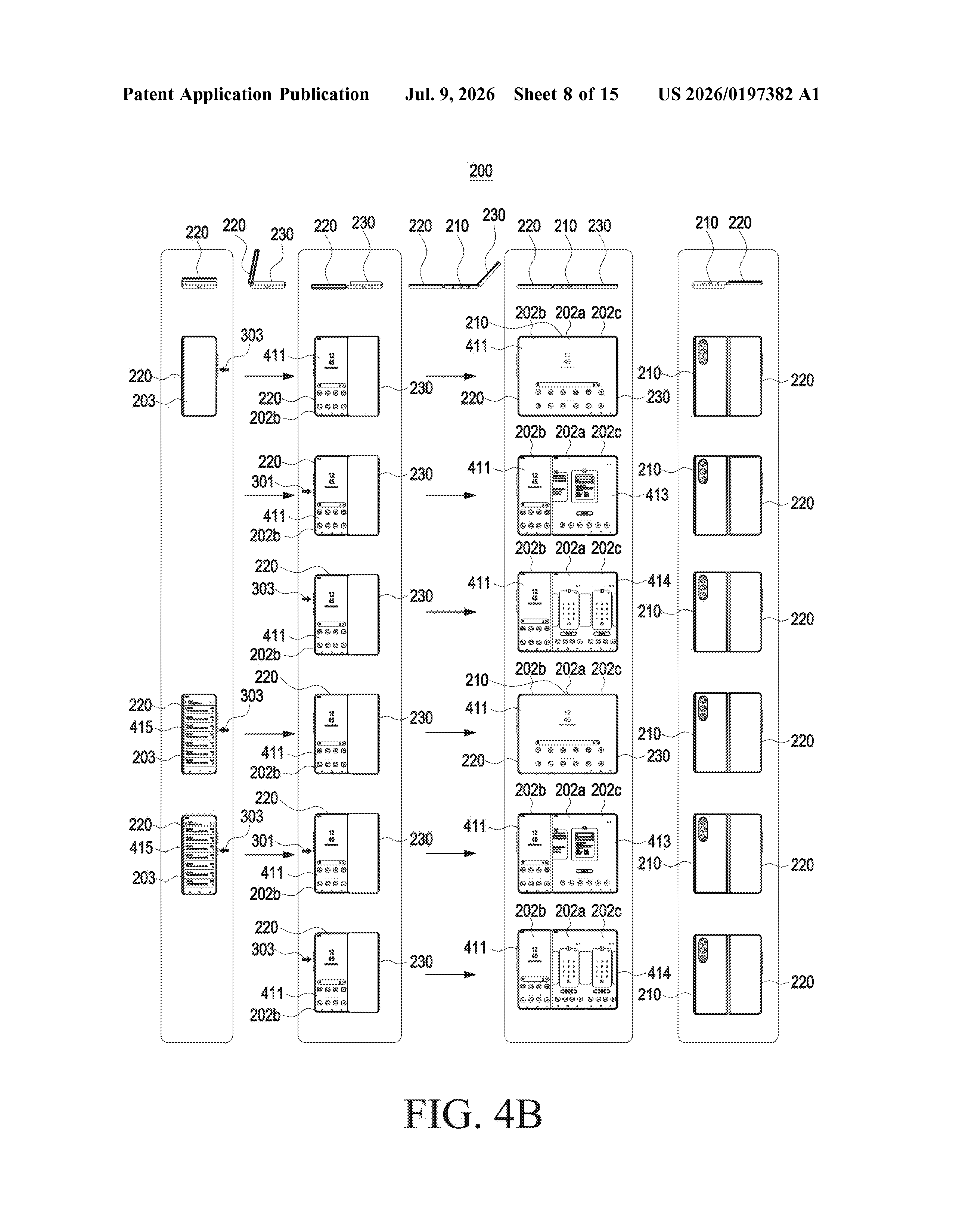
The idea is straightforward: when the device detects that the angle between its two halves is changing (meaning you're opening or closing it), it checks whether you've done something intentional, like tapped the screen or pressed a button. If you did, the big inner display shows one specific screen. If you didn't touch anything, it shows a different one.
In plain terms, Samsung wants the phone to tell the difference between you actively opening the phone to switch to the big display and the phone just moving around in your bag or hand. That distinction could make foldable phones feel a lot less chaotic to use day to day.
How the angle sensor and user input decide which screen appears
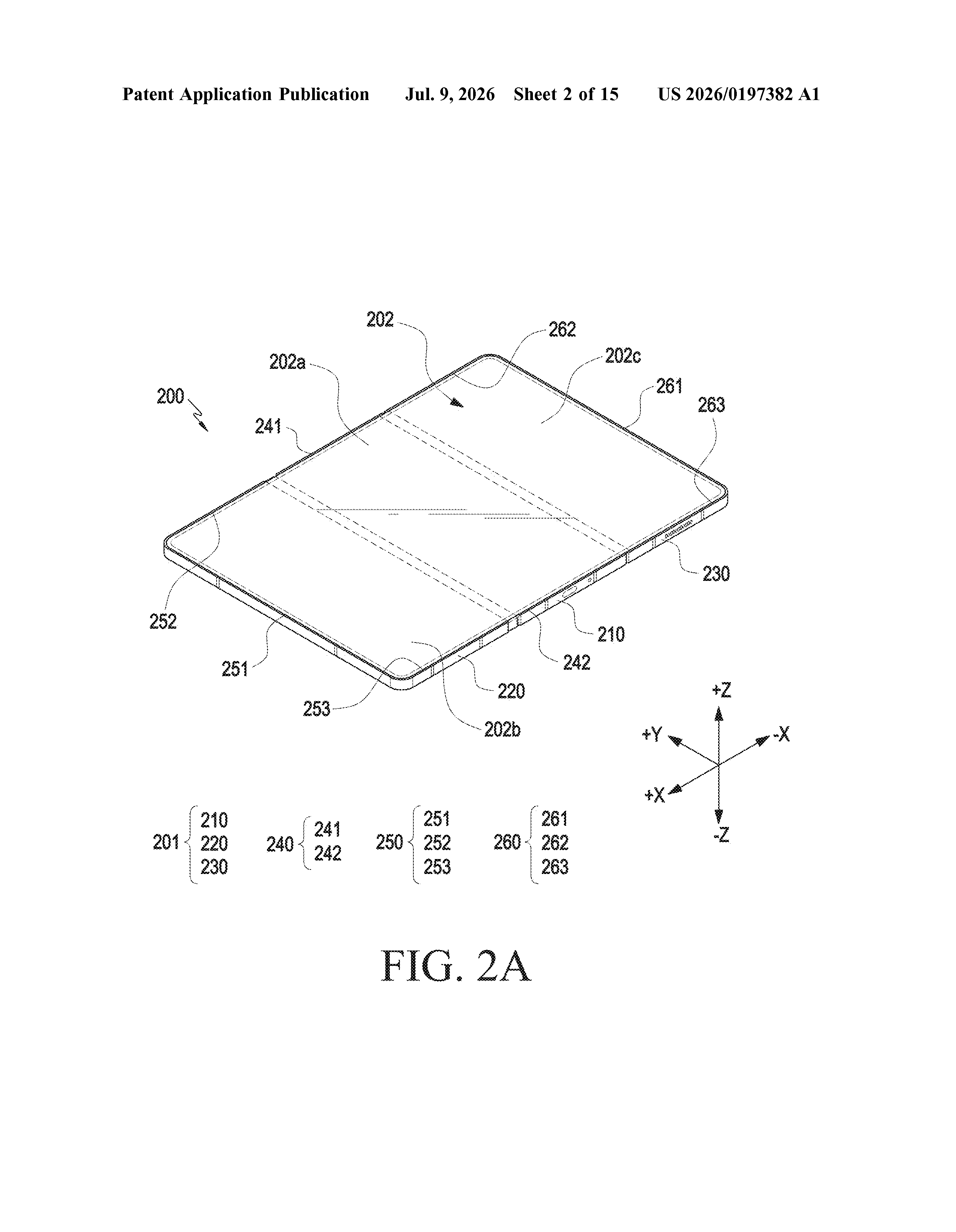
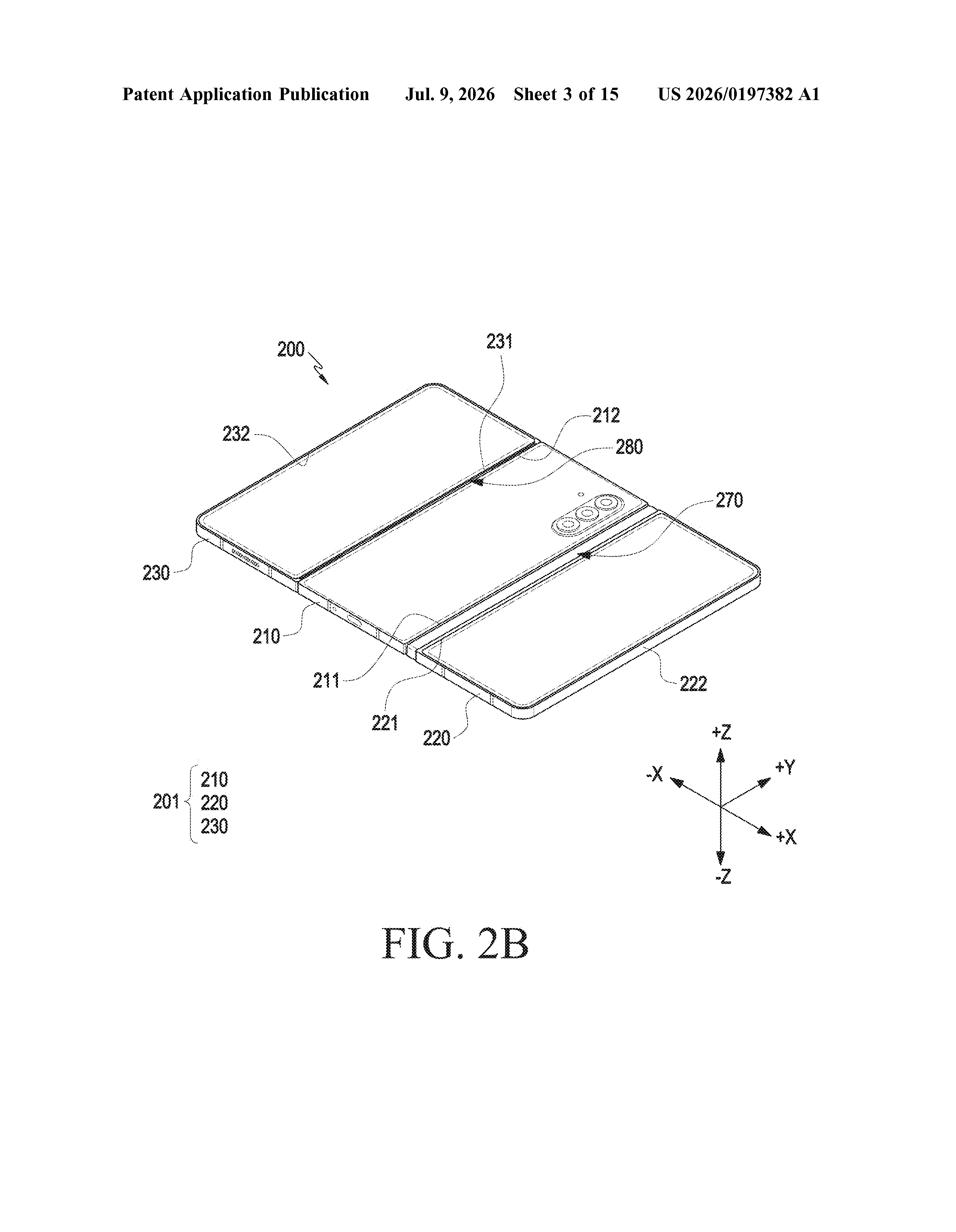
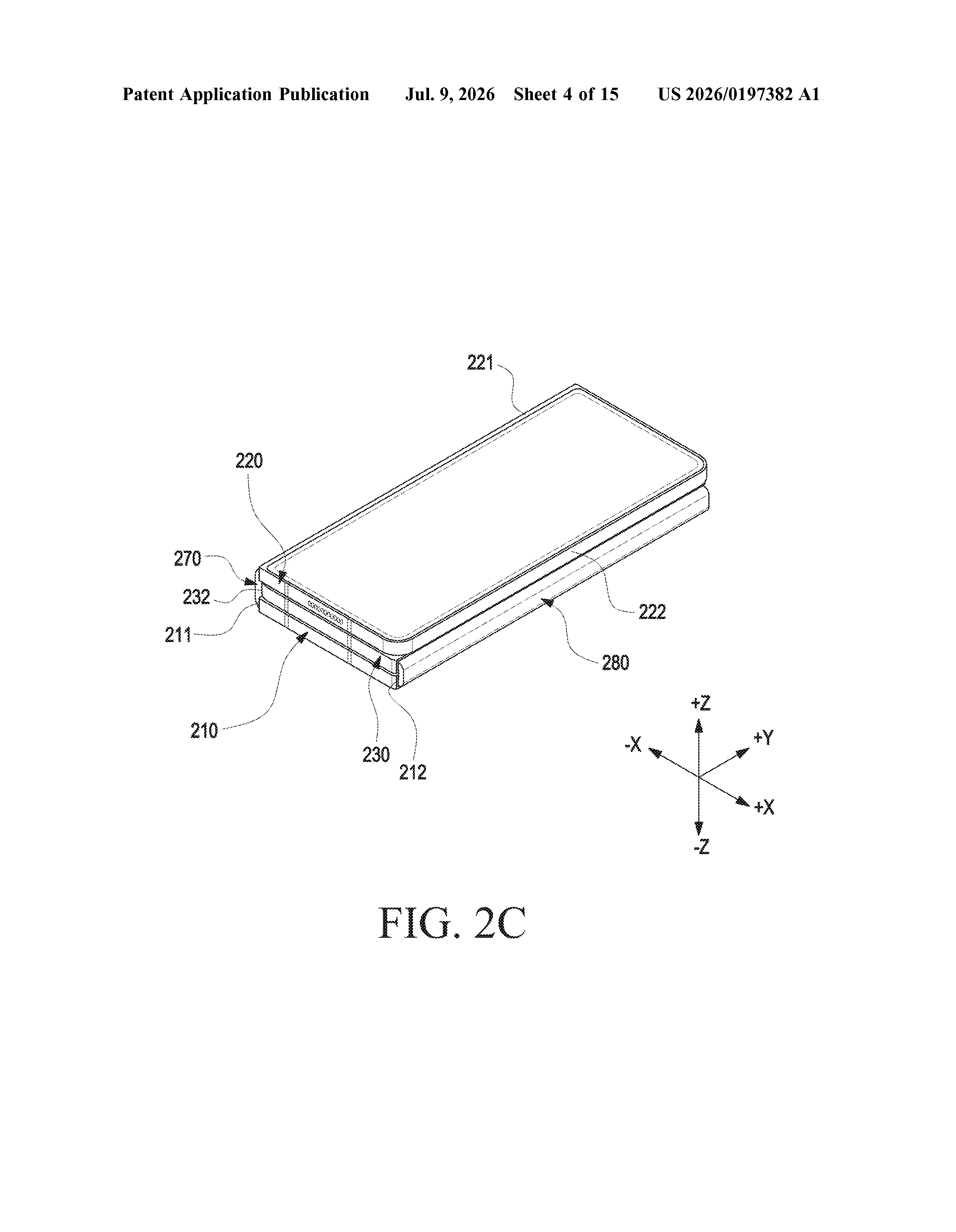
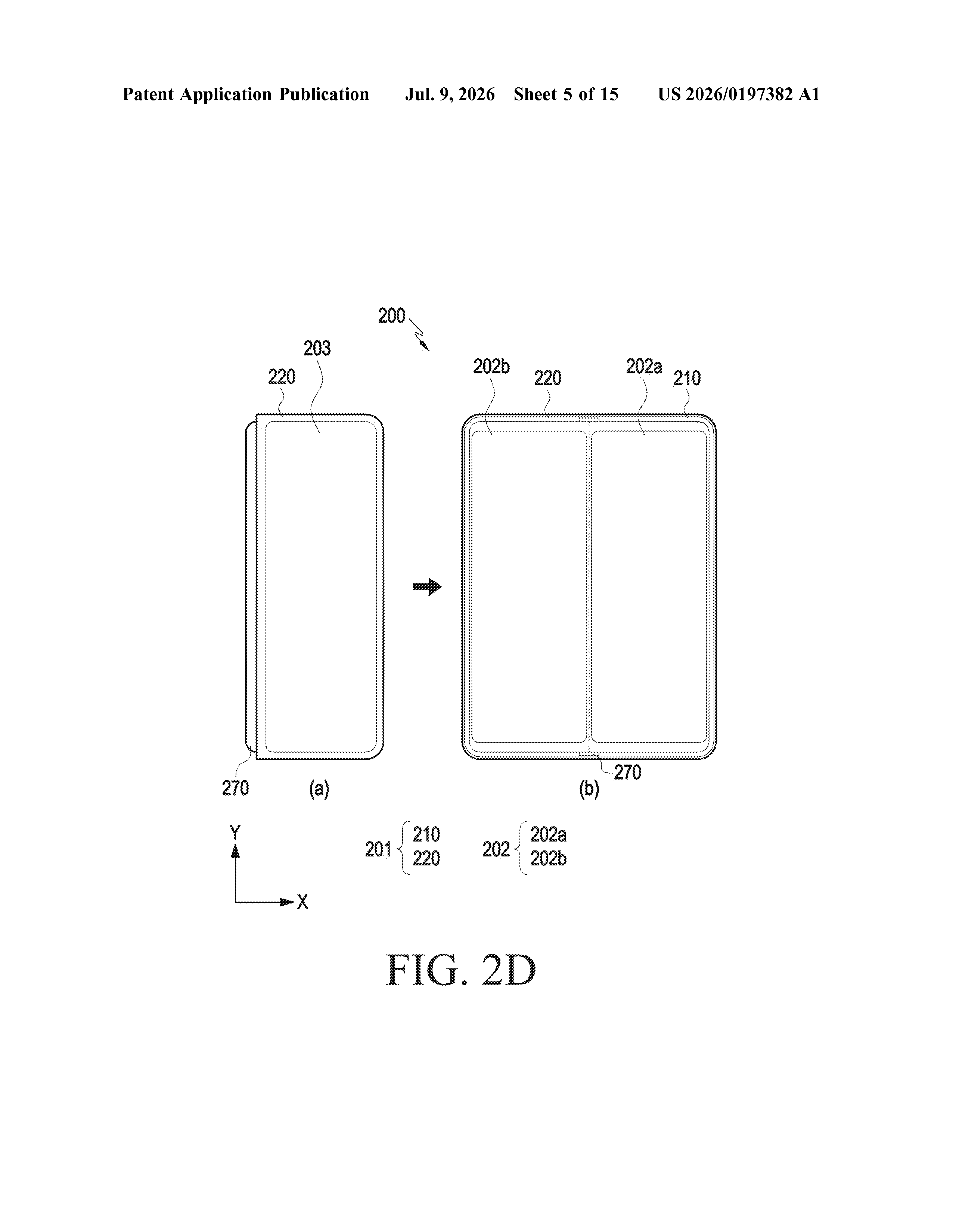
The patent describes a device with two housings connected by a hinge: think of a Galaxy Z Fold or Z Flip form factor. One display spans the front of both halves when the phone is open (the inner, large screen). A second, smaller display sits on the back of the outer half (the cover screen).
Here's the control logic the patent defines:
- An app is running and visible on the cover (outer) screen.
- The device's sensors detect that the hinge angle is changing, meaning the phone is being opened or closed.
- The system checks whether a first user input has been received during that motion (a deliberate tap, swipe, or button press).
- If yes: the inner display shows a "first screen" (for example, the app that was on the cover screen, now expanded).
- If no: the inner display shows a "second screen" (for example, a home screen or a different default view).
The patent keeps the exact definitions of "first screen" and "second screen" flexible, which is typical in patent claims to cover many possible implementations. The core idea is that user intent, detected through active input at the moment of opening, determines what happens on the big display rather than relying on a one-size-fits-all automatic transition.
What this means for Galaxy Z Fold and Flip users
Foldable phones are still in the phase where the software experience hasn't fully caught up with the hardware. One of the most common complaints from owners of devices like the Galaxy Z Fold is that app continuity between the cover and inner screens feels unpredictable. This patent suggests Samsung is thinking carefully about how to map physical gestures (opening the hinge) to intentional software actions.
For you as a user, the practical benefit would be fewer moments where you open your phone and find the wrong thing on screen. It also points toward foldables that behave more like deliberate tools and less like devices that are just guessing what you want.
This is a focused, specific UX patent rather than a flashy technology bet. The problem it addresses is real and annoying for anyone who owns a foldable phone. Whether it ships exactly as described is another matter, but it's a sign Samsung is iterating on the software details that make or break the day-to-day foldable experience.
Get our take in your Top Stories
Liked this breakdown? Add Patentlyze as a preferred source on Google, and our plain-English take shows up more often in your Top Stories the next time Samsung patent news breaks.
There are more where this came from
We read every patent application Big Tech publishes and send you the ones worth knowing. Plain English, free, every week.
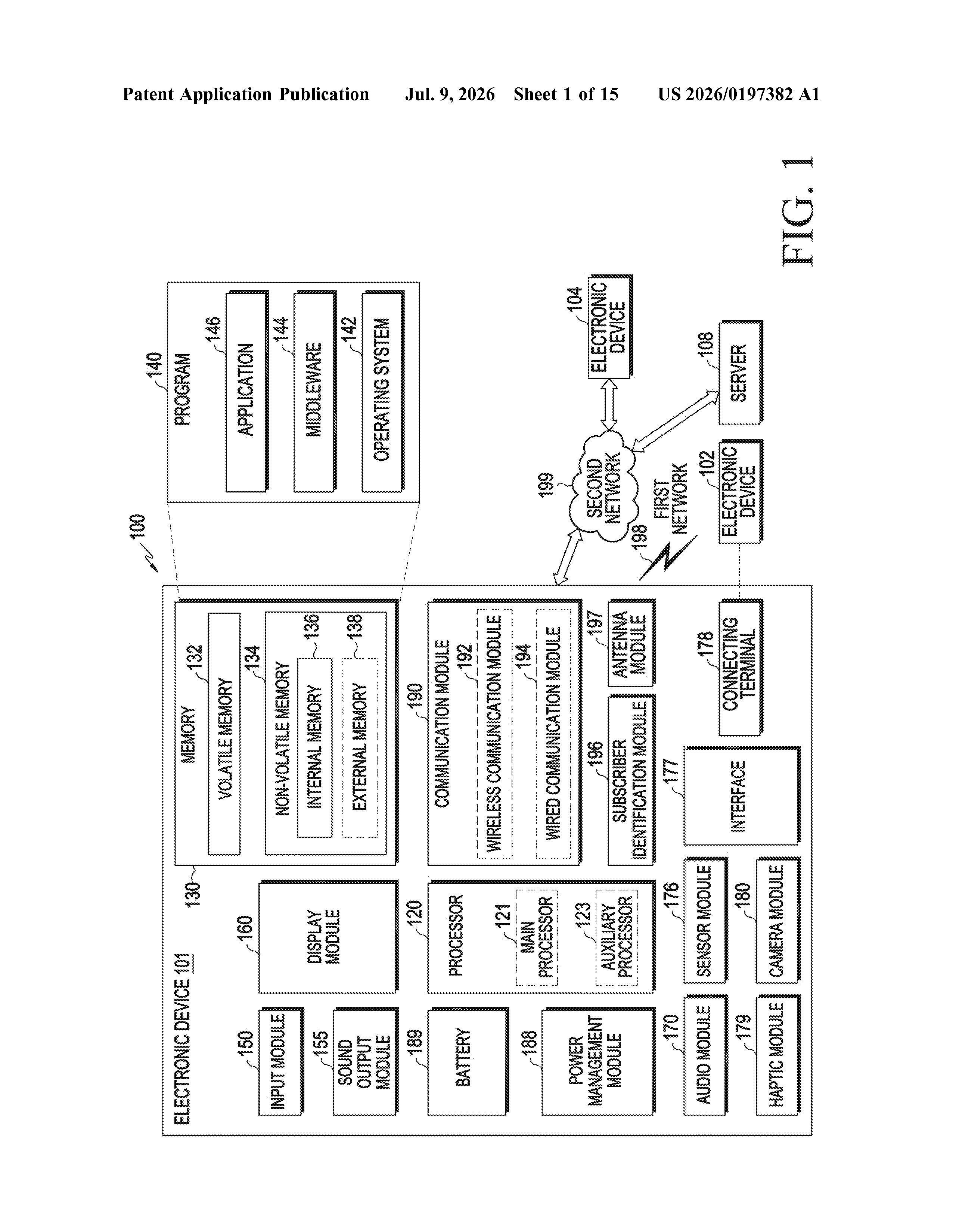
The drawings
15 drawing sheets from US 2026/0197382 A1 · click any drawing to enlarge
Want this weekly breakdown for a company we don't cover? Patentlyze Pro →