
IBM Patents an AI System That Builds Videos From Your Existing Footage
Instead of hiring an editor or starting from scratch, IBM's patent describes an AI that digs through footage you already own, figures out how good videos are typically cut together, and then assembles a new one to order.
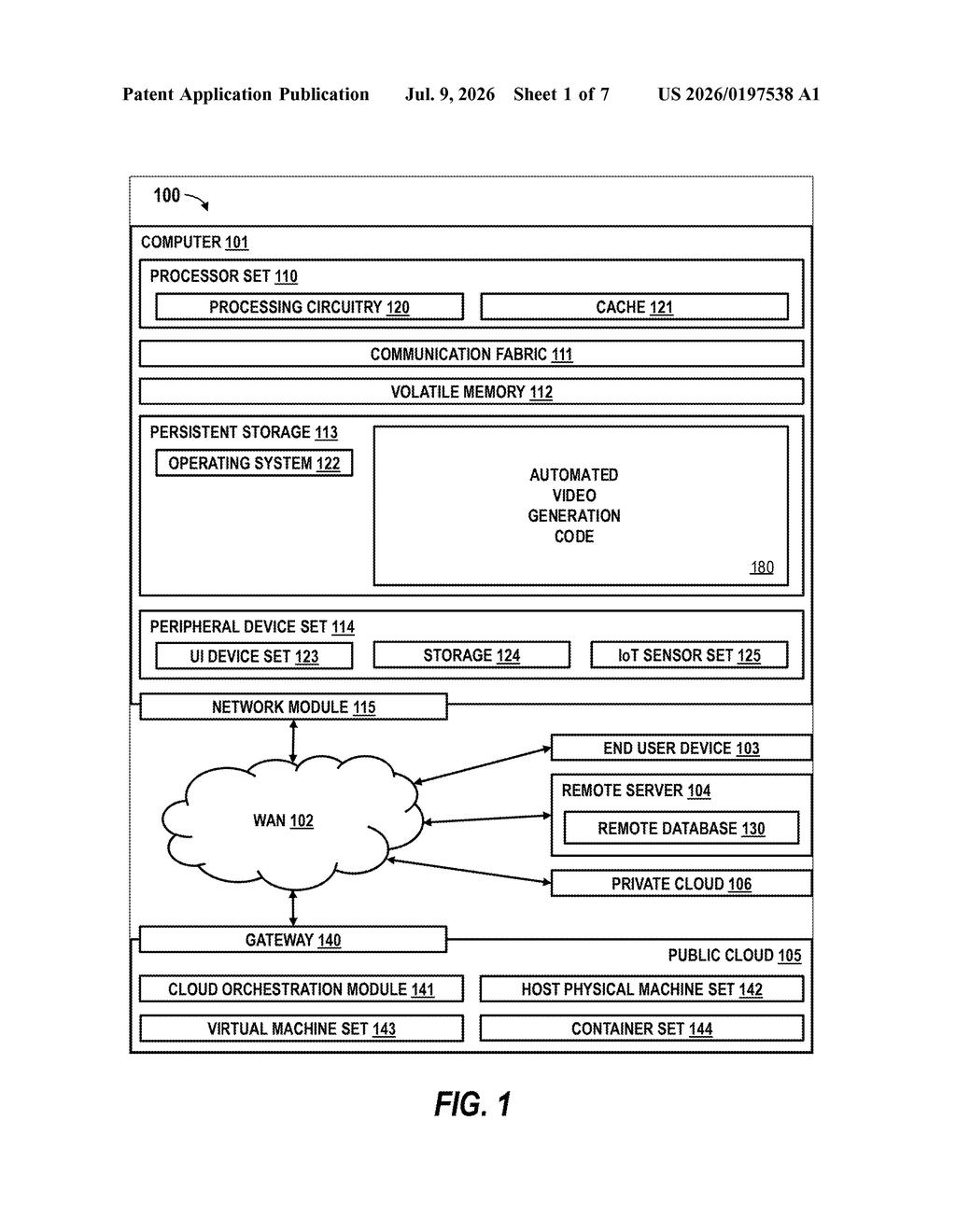
How IBM's auto-editor turns raw clips into a finished video
Imagine you run a company and need a two-minute highlight video of your product for a trade show. You have hundreds of raw clips scattered across a shared drive, but no time to sort through them. IBM's patent describes a system that does exactly that job automatically.
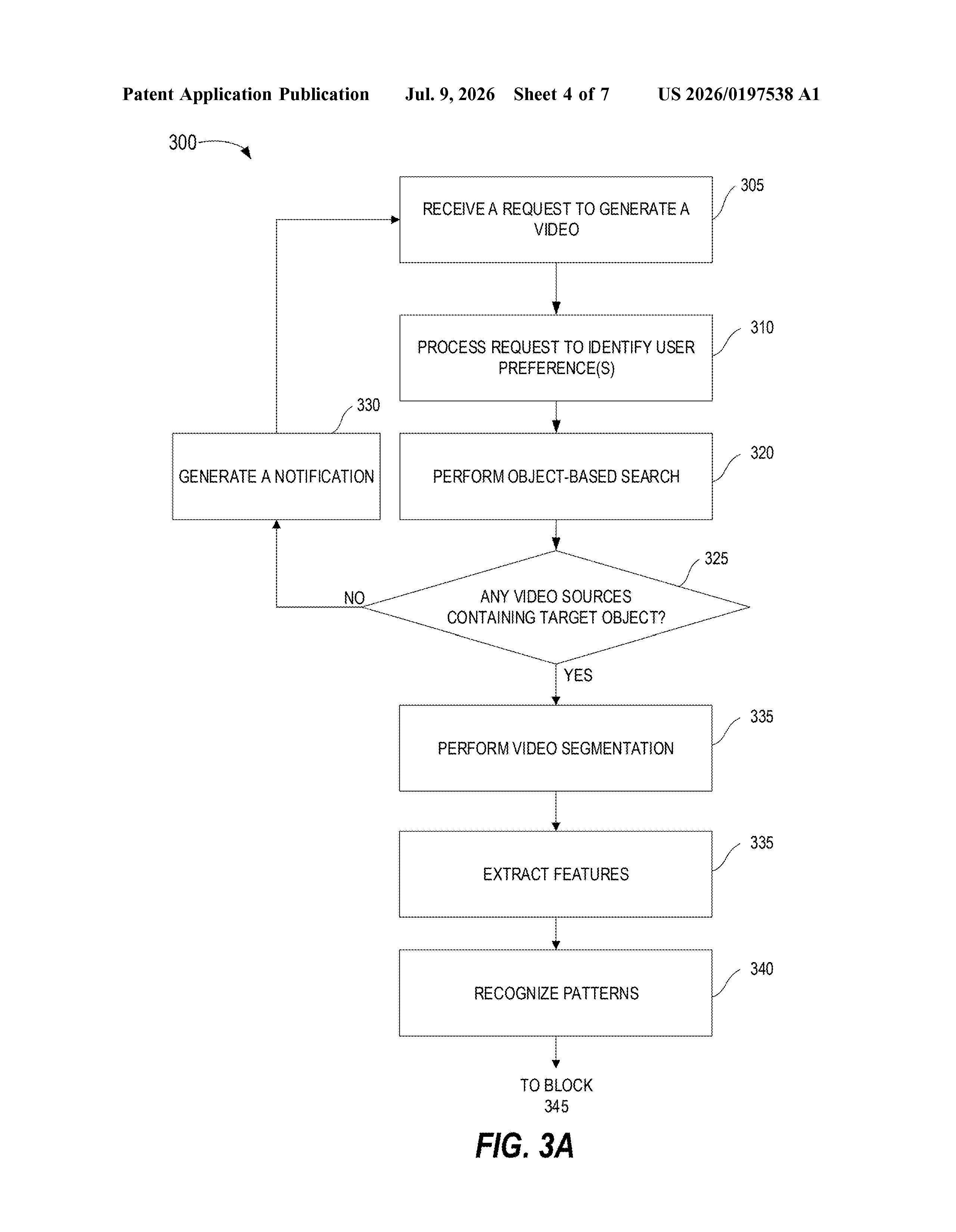
You tell the system what you want: the subject of the video, the length, maybe the tone. It searches your footage library for clips that feature the right subject, studies how those clips were originally shot and edited, and uses those observations to write a rough blueprint (called a script) for your new video. Then it picks the best matching clips and stitches them together.
The key idea here is that the AI learns from the editing patterns already present in your existing footage, so the finished product should feel consistent rather than like a random mashup. You don't need to feed it a template or hire a producer to guide it.
How the system finds patterns and writes its own edit script
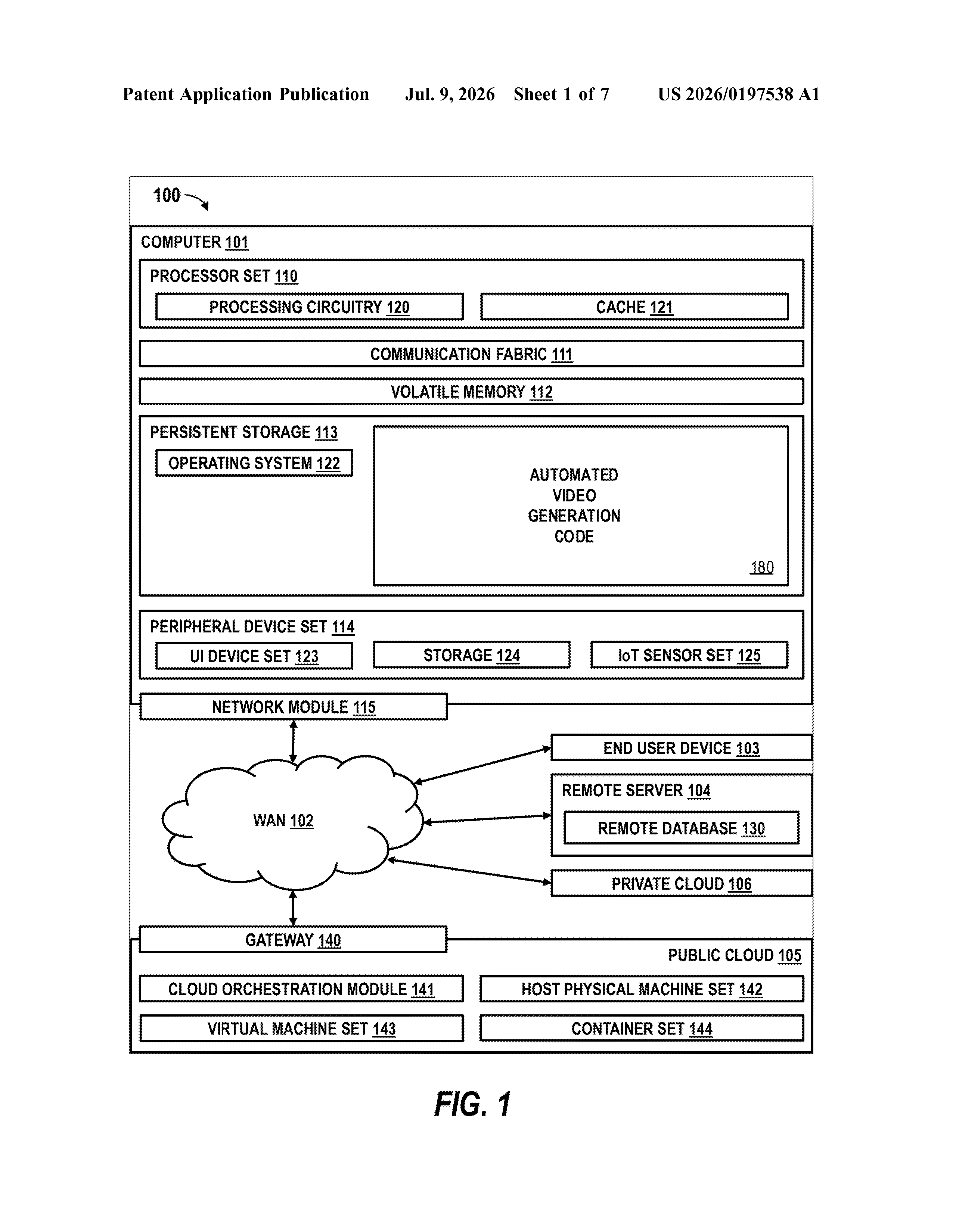
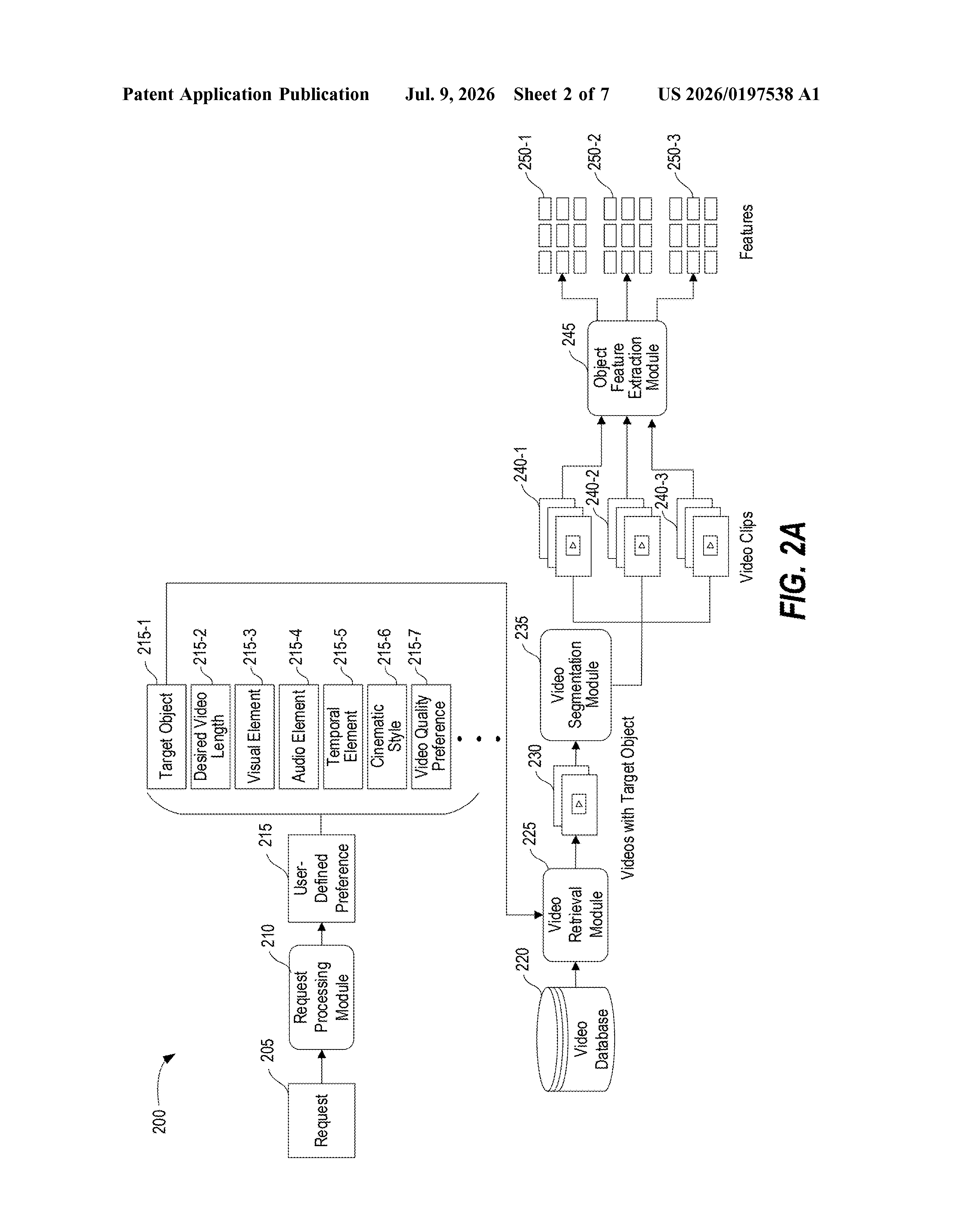
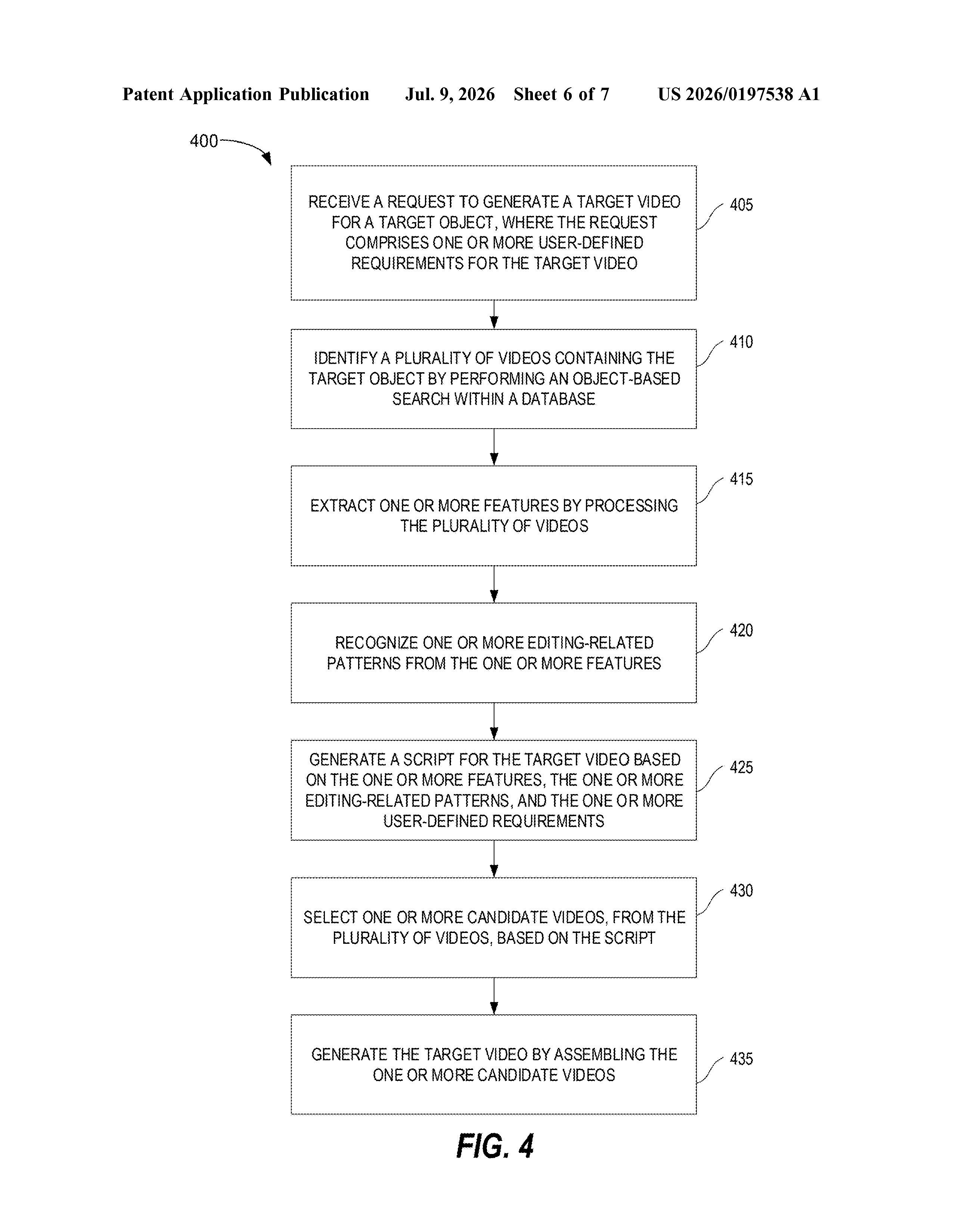
The system starts when a user submits a request that includes a target object (a product, a person, a location) and one or more requirements such as desired length or style. The AI then runs an object-based search through a video database, pulling every clip that contains that subject.
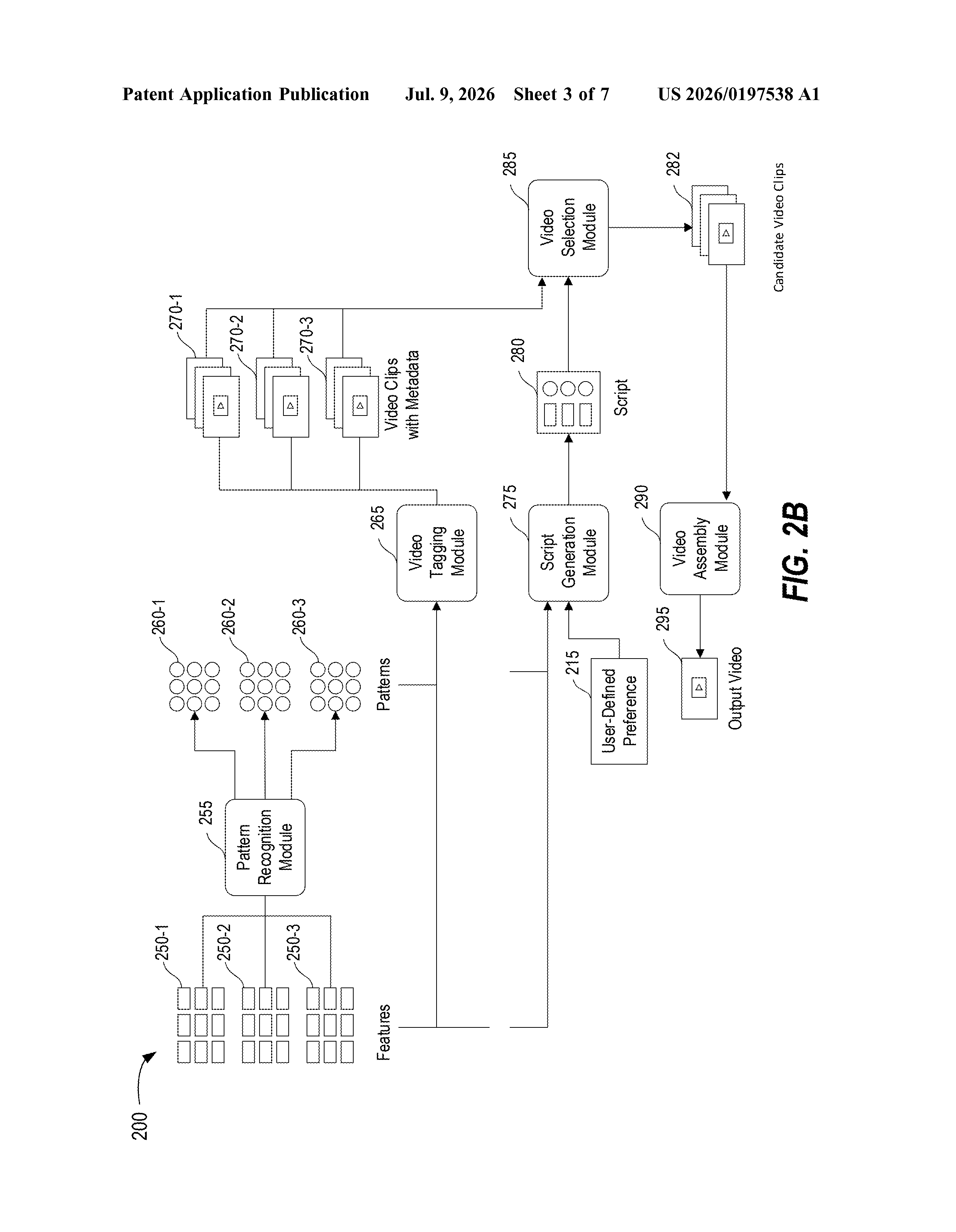
Next, it extracts features from those clips. Features here means measurable attributes of the footage: shot angles, clip durations, color grading, scene transitions, pacing rhythms, and similar characteristics. From those features, the system identifies editing-related patterns, essentially recurring structural choices that appear across the footage (for example, that product close-ups are usually followed by wide-angle context shots).
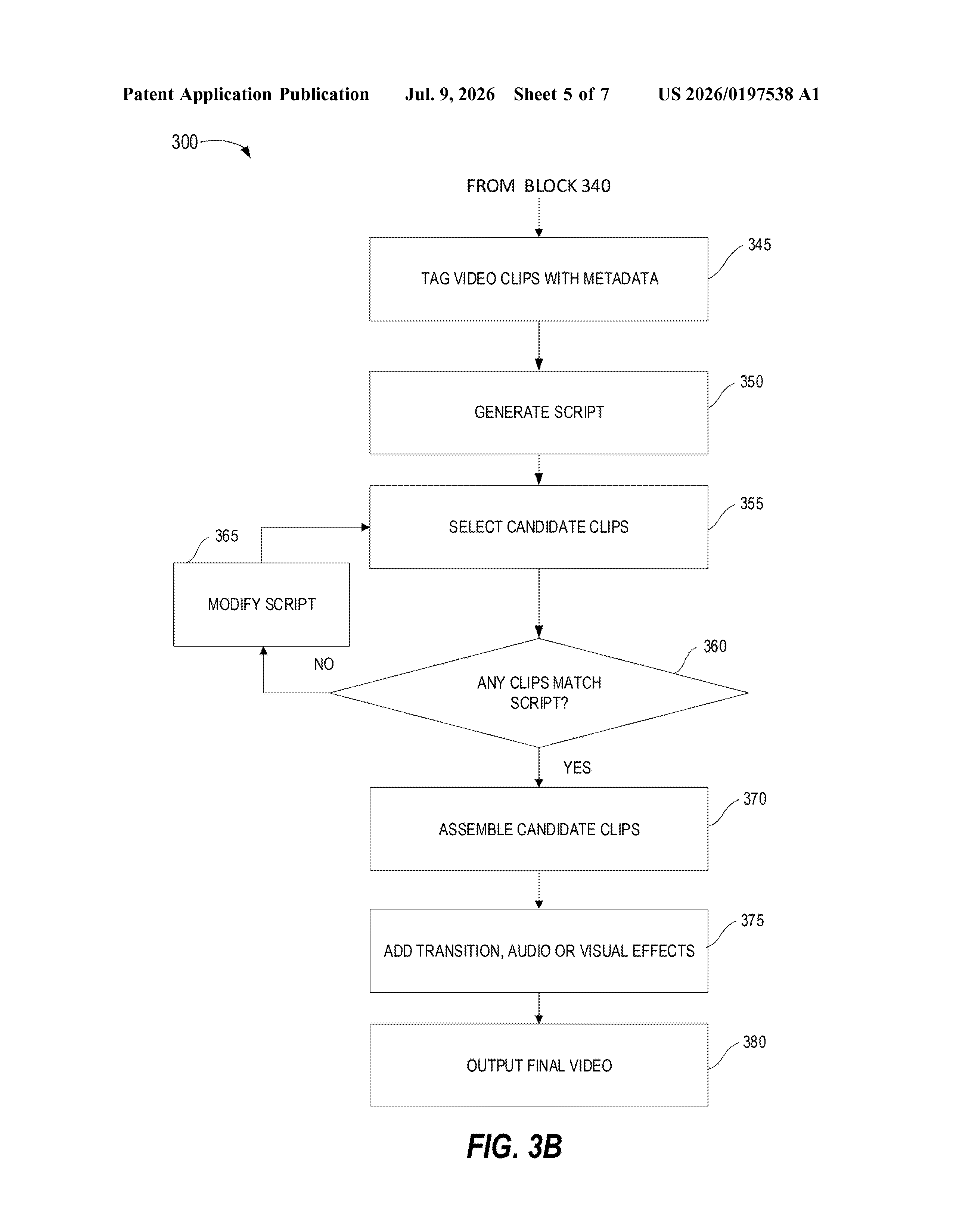
Armed with those patterns and the user's requirements, the AI generates a script. Think of this less like a screenplay and more like a shot list or edit plan: scene A should be this type of clip, scene B should be this type, and so on. The system then selects real clips from the original pool that best match each slot in the script, and assembles them into the finished video.
The filing does not specify which AI architecture or model family powers the pattern recognition, but the claim language covers the full pipeline from search through final assembly.
What this means for corporate and marketing video production
For any organization sitting on large archives of footage, this kind of automated assembly could cut the time between "we need a video" and "here's the video" from days to minutes. Marketing teams, broadcasters, and corporate communications departments are the obvious targets, since they typically have enormous libraries of existing material that goes unused simply because sorting and editing it takes too long.
The broader strategic angle is that IBM is positioning AI inside the content production workflow, not just the content distribution or analysis side. If the system works as described, you end up with less reliance on specialist editing software or external agencies for routine video work. Whether IBM ships this as a standalone product or folds it into an existing platform like Watson or watsonx is not clear from the filing.
This is a competent but fairly predictable application of AI-driven search and assembly to video production. The core ideas (search by object, learn editing patterns, generate a plan, assemble clips) are individually well-established; IBM is patenting the specific pipeline that chains them together. It's worth watching mainly because large enterprises already use IBM tools to manage media libraries, which gives this a plausible path to shipping rather than sitting on a shelf.
Get our take in your Top Stories
Liked this breakdown? Add Patentlyze as a preferred source on Google, and our plain-English take shows up more often in your Top Stories the next time IBM patent news breaks.
There are more where this came from
We read every patent application Big Tech publishes and send you the ones worth knowing. Plain English, free, every week.
The drawings
7 drawing sheets from US 2026/0197538 A1 · click any drawing to enlarge
Want this weekly breakdown for a company we don't cover? Patentlyze Pro →