
IBM Files Patent to Enhance Hearing Aid Functions Through Augmented Reality Glasses
IBM has filed a patent for AR glasses that don't just show you digital overlays, they also amplify the sounds coming from whatever you're looking at, acting as a built-in hearing aid that follows your gaze.
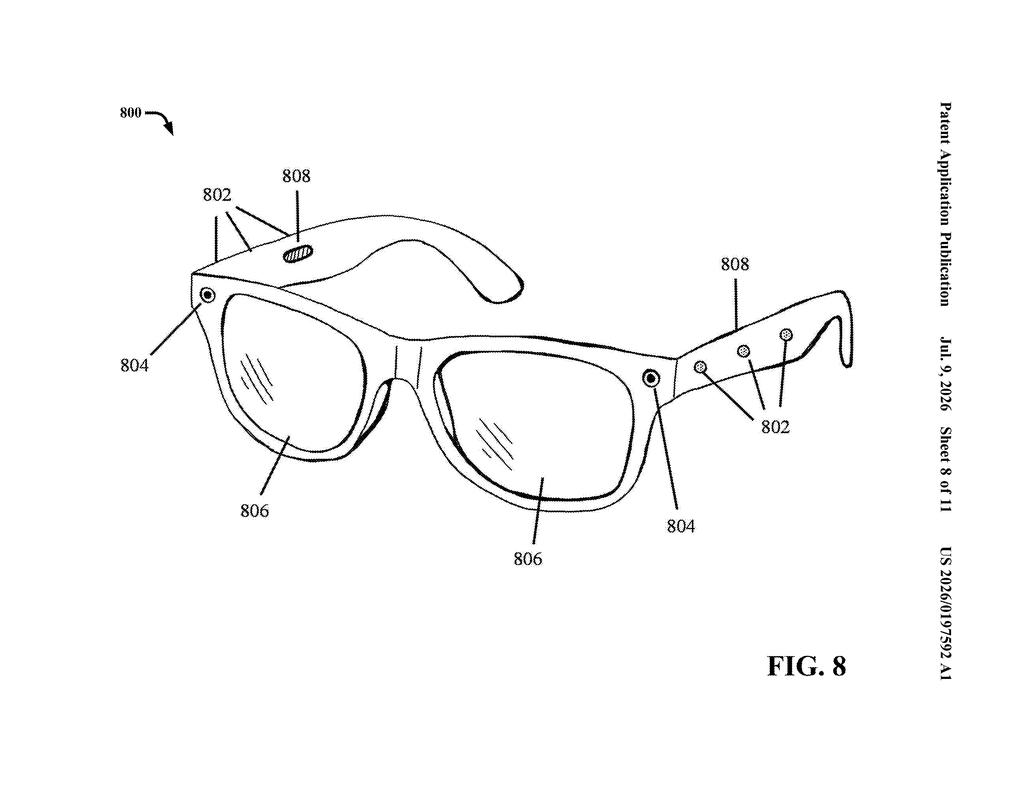
What IBM's gaze-guided hearing aid actually does
Imagine you're at a crowded party and you want to hear the person standing across the room. A traditional hearing aid just turns up everything, the music, the side conversations, the clinking glasses. IBM's patent describes a smarter approach built into a pair of AR glasses.
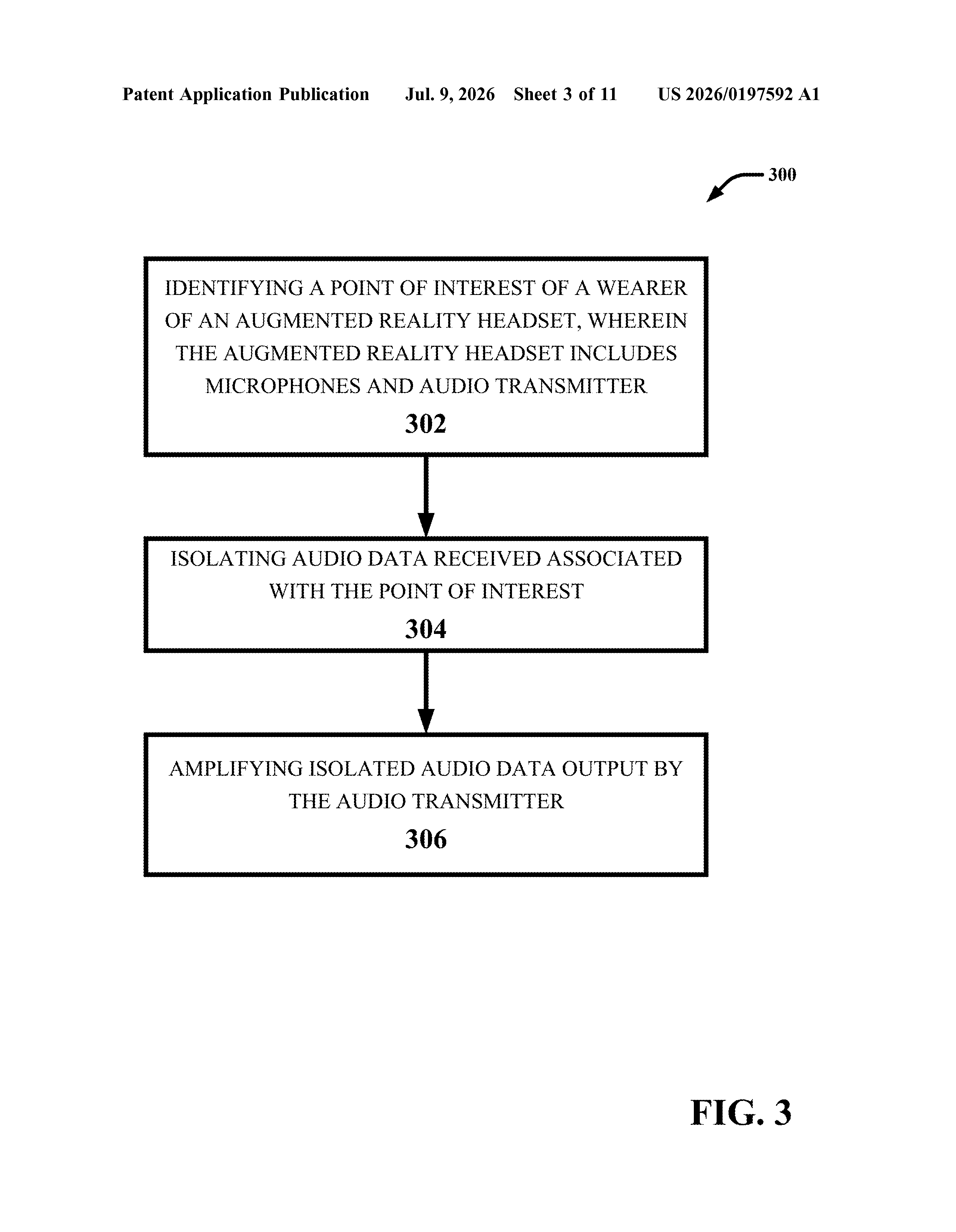
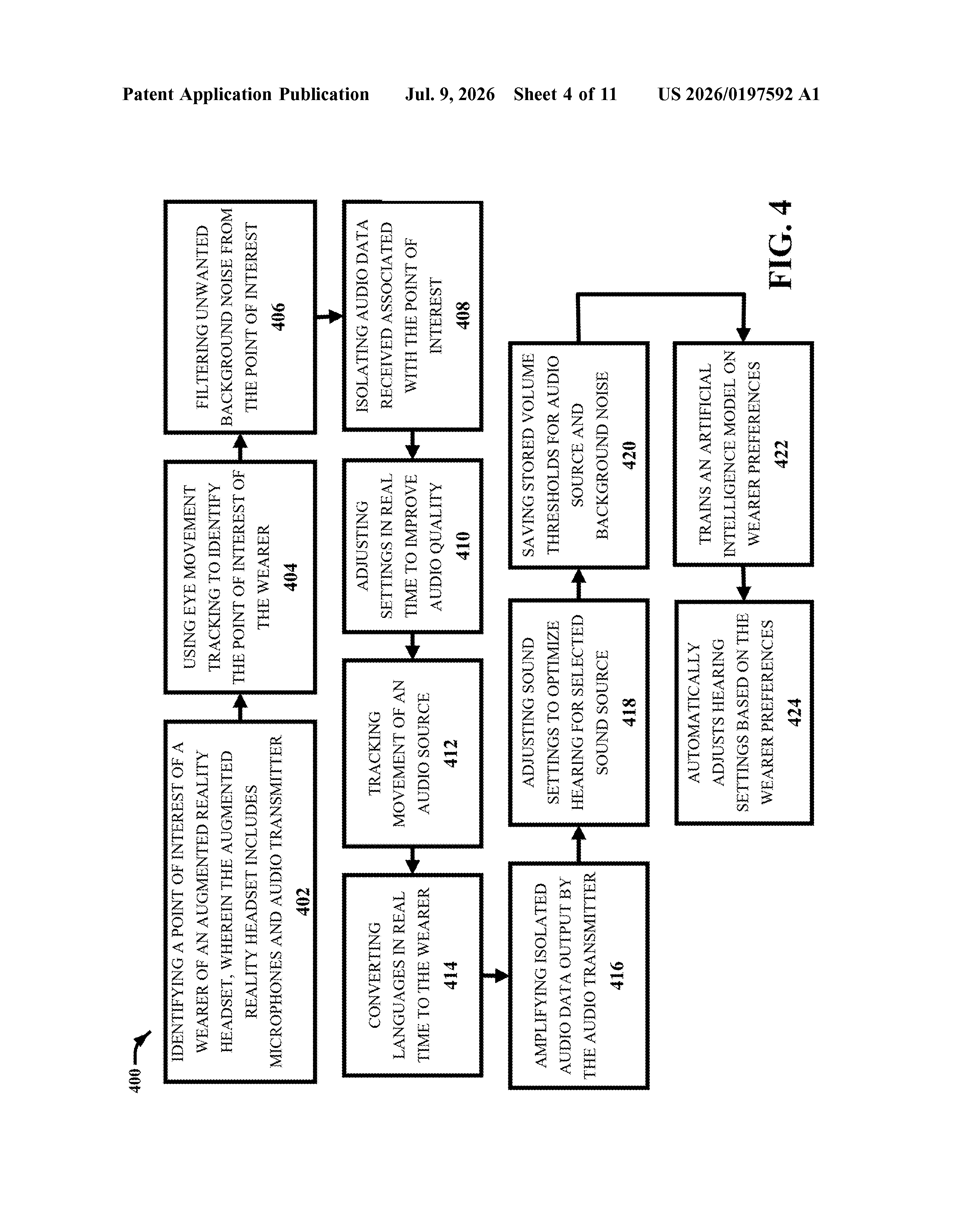
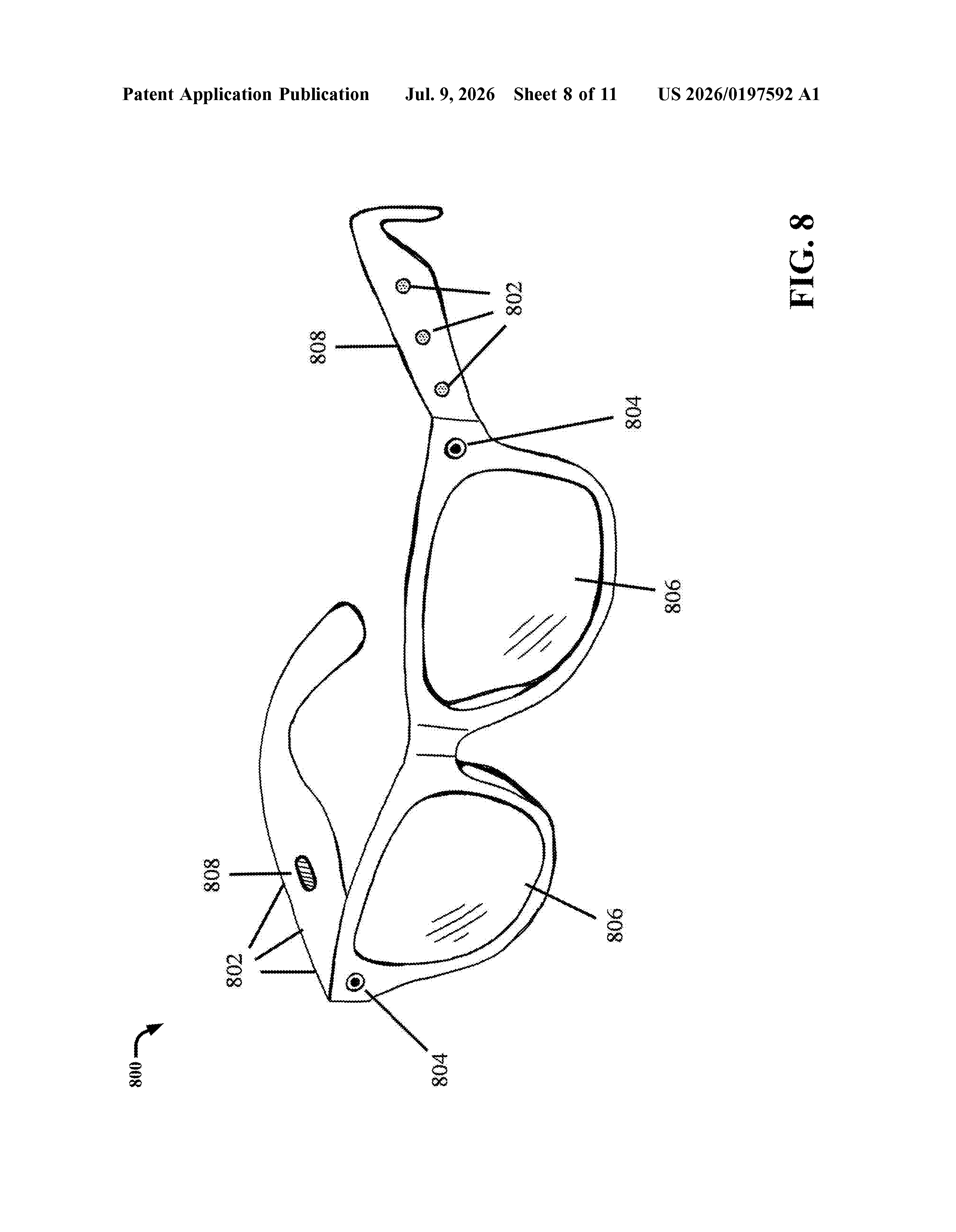
The glasses track what you're looking at (your "point of interest") and use their built-in microphones to isolate the audio coming from that direction. Only that audio gets amplified and played back to you through the glasses' speakers.
The result is something like a zoom lens for your ears. You look at someone, and the glasses figure out which sounds belong to them, filter out the rest, and turn up just what you want to hear. No manual controls, no fumbling with a phone app, just look and listen.
How the system isolates audio from your point of focus
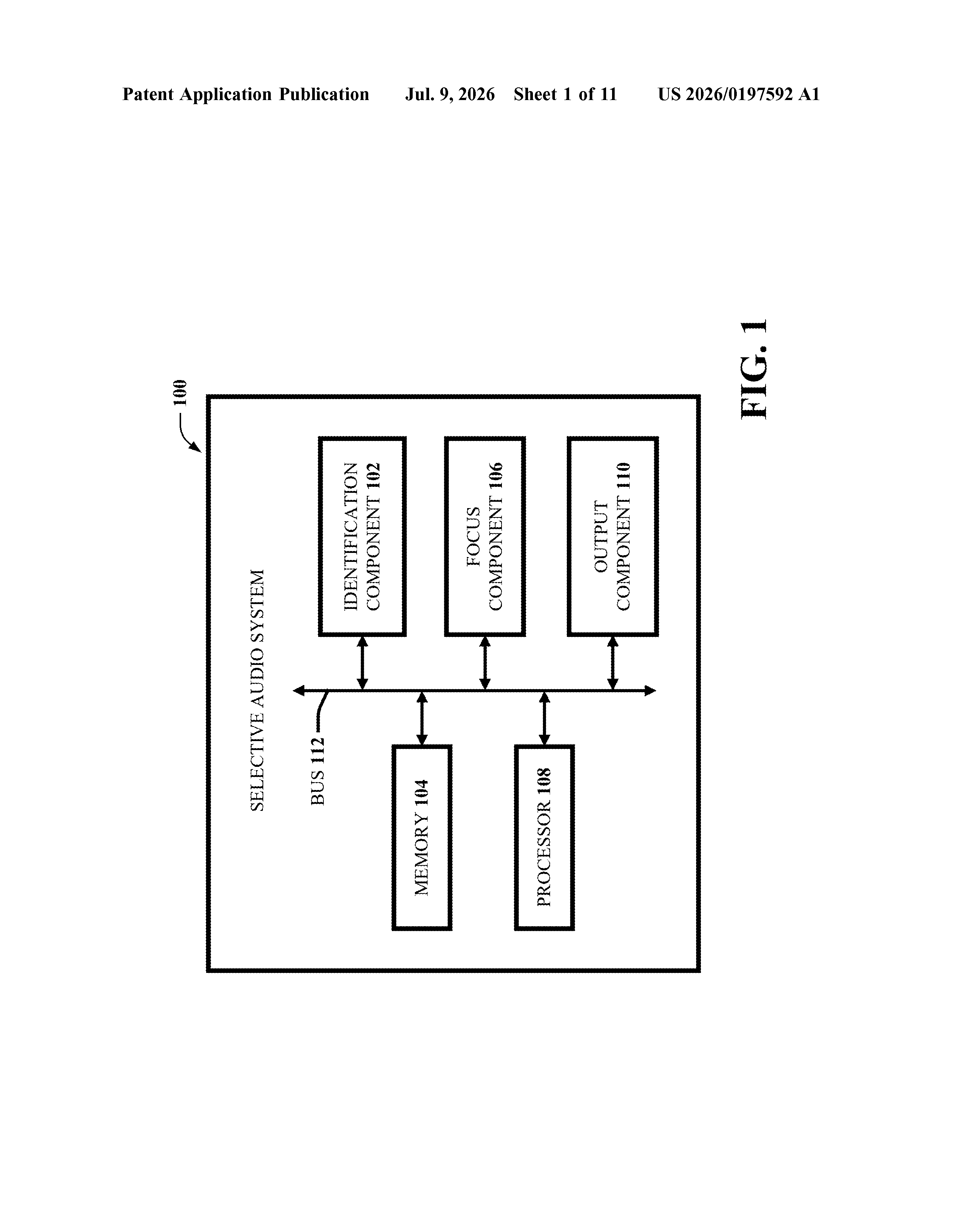
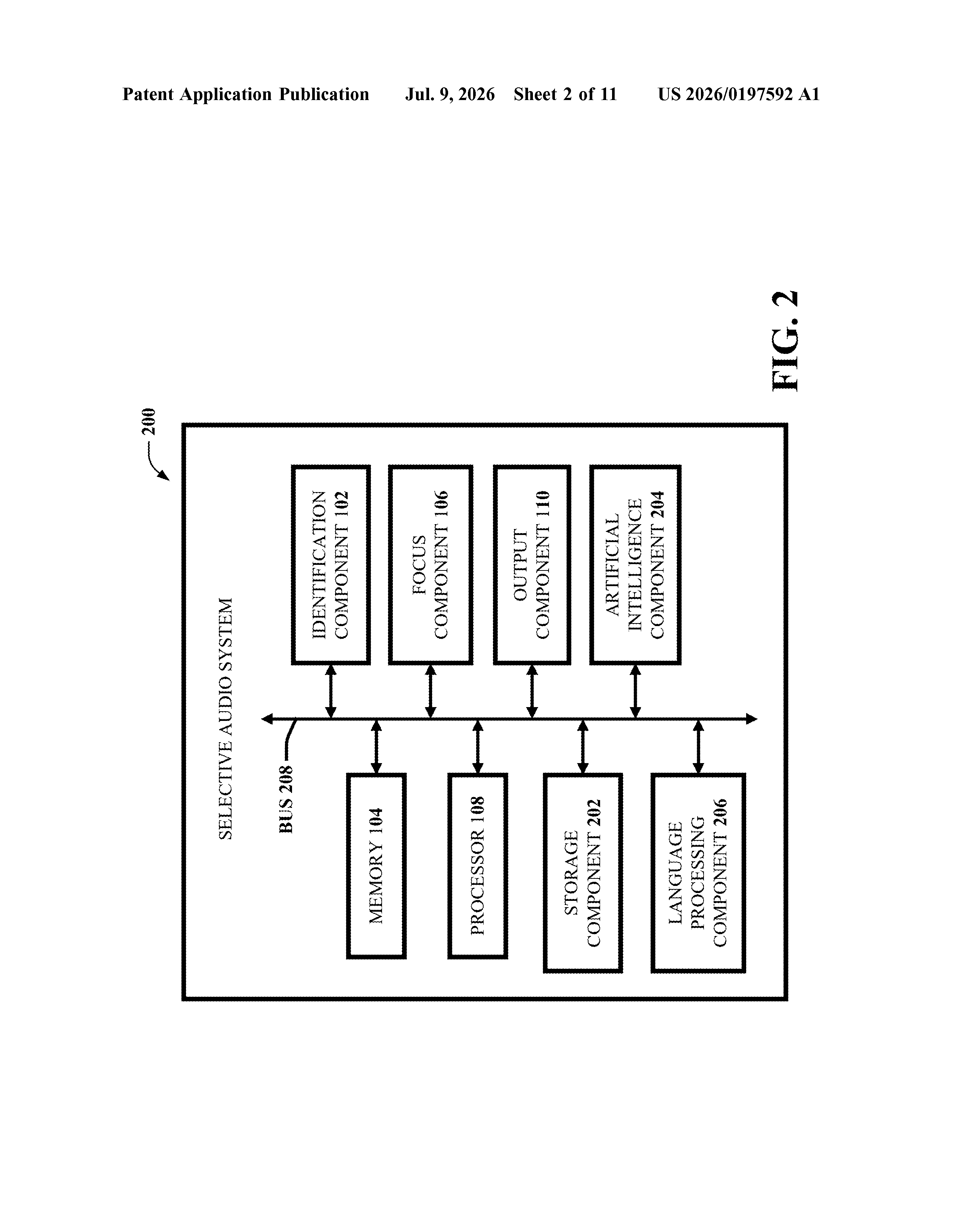
The patent describes a three-part software system running on a processor inside an AR headset:
- Identification component: Detects what the wearer is focused on, IBM calls this the "point of interest." This likely uses the headset's cameras or gaze-tracking sensors to pinpoint a direction or object in the real world.
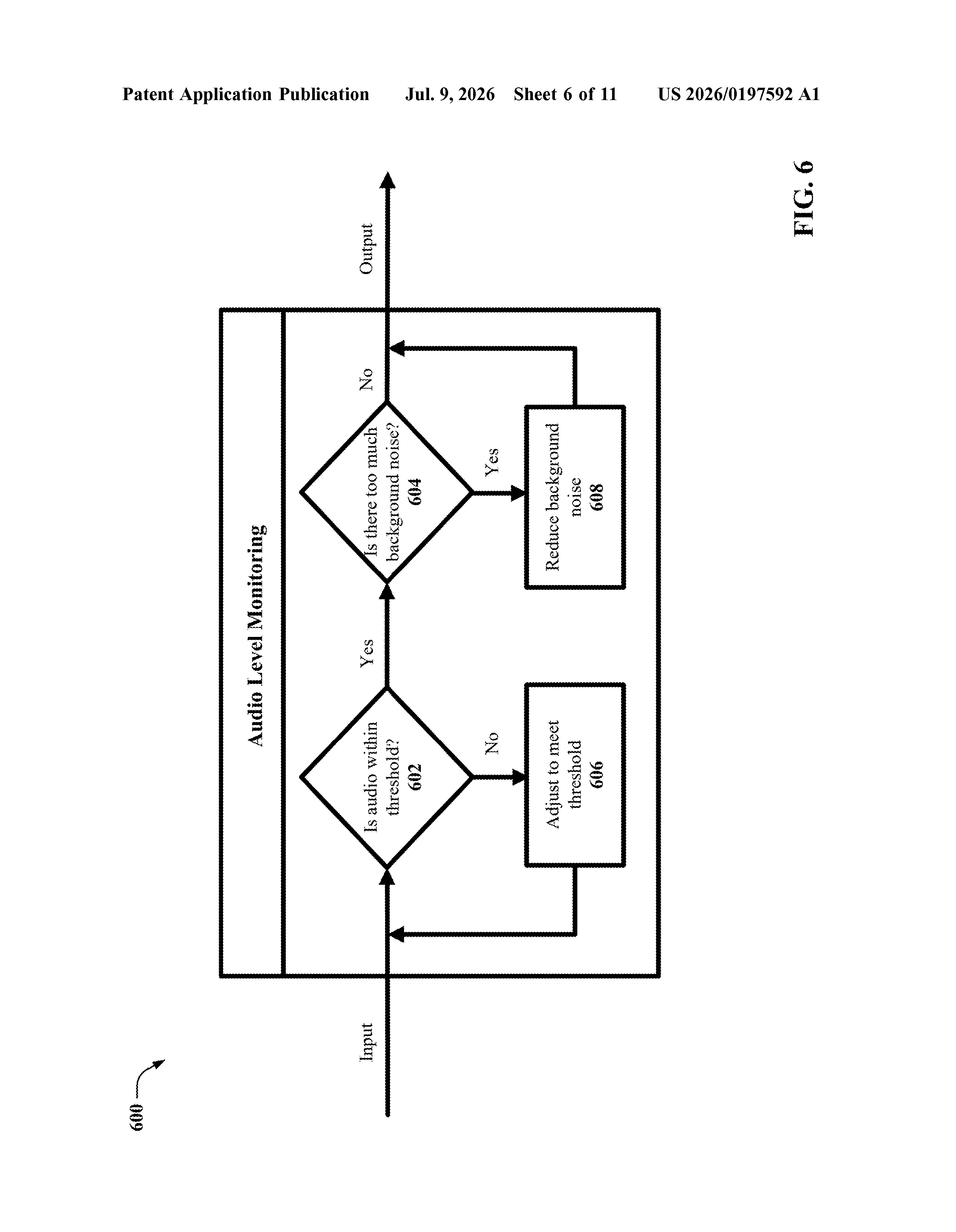
- Focus component: Isolates the audio data associated with that point of interest. In practice, this means using the headset's microphone array (multiple microphones spread across the frame) to apply spatial filtering, picking up sound from one direction and suppressing everything else.
- Output component: Takes the isolated audio and amplifies it through the headset's built-in audio transmitters, which could be speakers or earbuds attached to the glasses frame.
The key technical idea is coupling visual attention (where you're looking) with directional audio processing (beamforming, which is the technique microphone arrays use to focus on a specific direction). By linking what you see to what you hear, the system automates the targeting step that usually requires manual adjustment in traditional hearing aids.
What this means for hearing assistance and AR wearables
Hearing loss affects roughly 15% of adults, and one of the biggest complaints about hearing aids is that they amplify everything, making noisy environments exhausting. A gaze-driven system that amplifies only what you're looking at could be a meaningful quality-of-life improvement, particularly in social settings where background noise is the enemy.
For IBM, this patent also fits a broader pattern of companies trying to make AR glasses useful for everyday accessibility, not just enterprise or entertainment. If AR headsets are going to sit on people's faces all day, building in hearing assistance is a practical reason to wear them, especially for older adults. The real question is whether the audio processing can be done well enough in real time to feel natural, rather than like a clunky digital filter.
This is a genuinely useful idea, and the concept of linking gaze to audio focus is more intuitive than most AR patent concepts. IBM isn't a hardware company, so don't expect an IBM-branded hearing aid on shelves, but the approach could translate well into a licensing deal or a partnership with an existing hearing health company.
Get our take in your Top Stories
Liked this breakdown? Add Patentlyze as a preferred source on Google, and our plain-English take shows up more often in your Top Stories the next time IBM patent news breaks.
There are more where this came from
We read every patent application Big Tech publishes and send you the ones worth knowing. Plain English, free, every week.
The drawings
11 drawing sheets from US 2026/0197592 A1 · click any drawing to enlarge

Want this weekly breakdown for a company we don't cover? Patentlyze Pro →