
Samsung Patents Tech That Keeps Calls Stable When Phones Switch Cell Towers
Every time your phone jumps from one cell tower to another, it has to make a fast decision about where to go. Samsung's new patent puts more of that decision-making intelligence on the phone itself, not just the network.
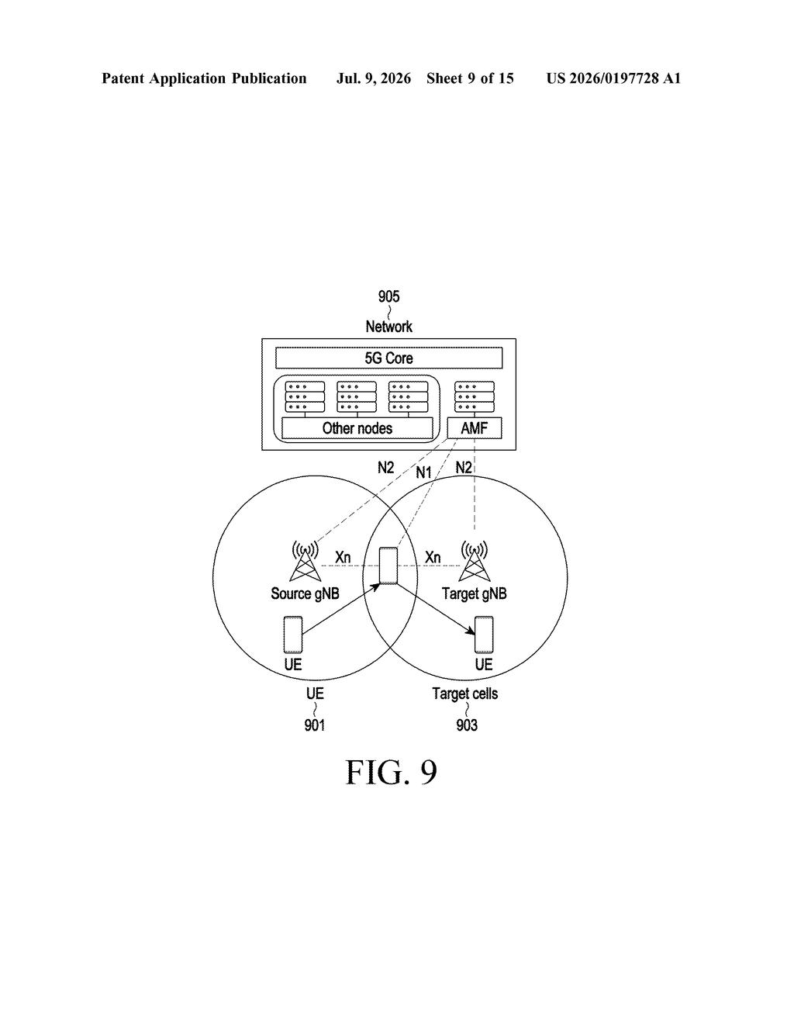
What Samsung's cell-switching priority system actually does
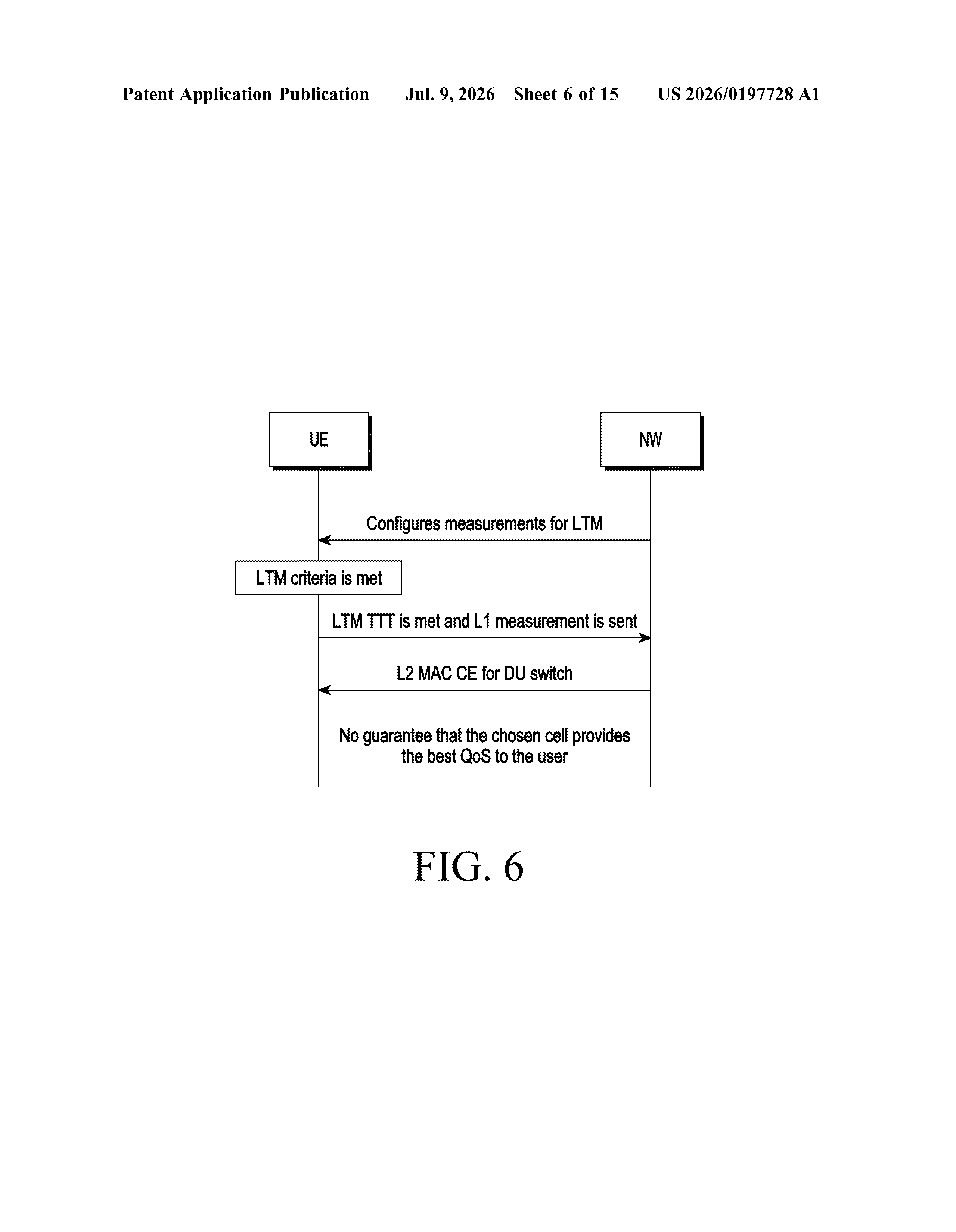
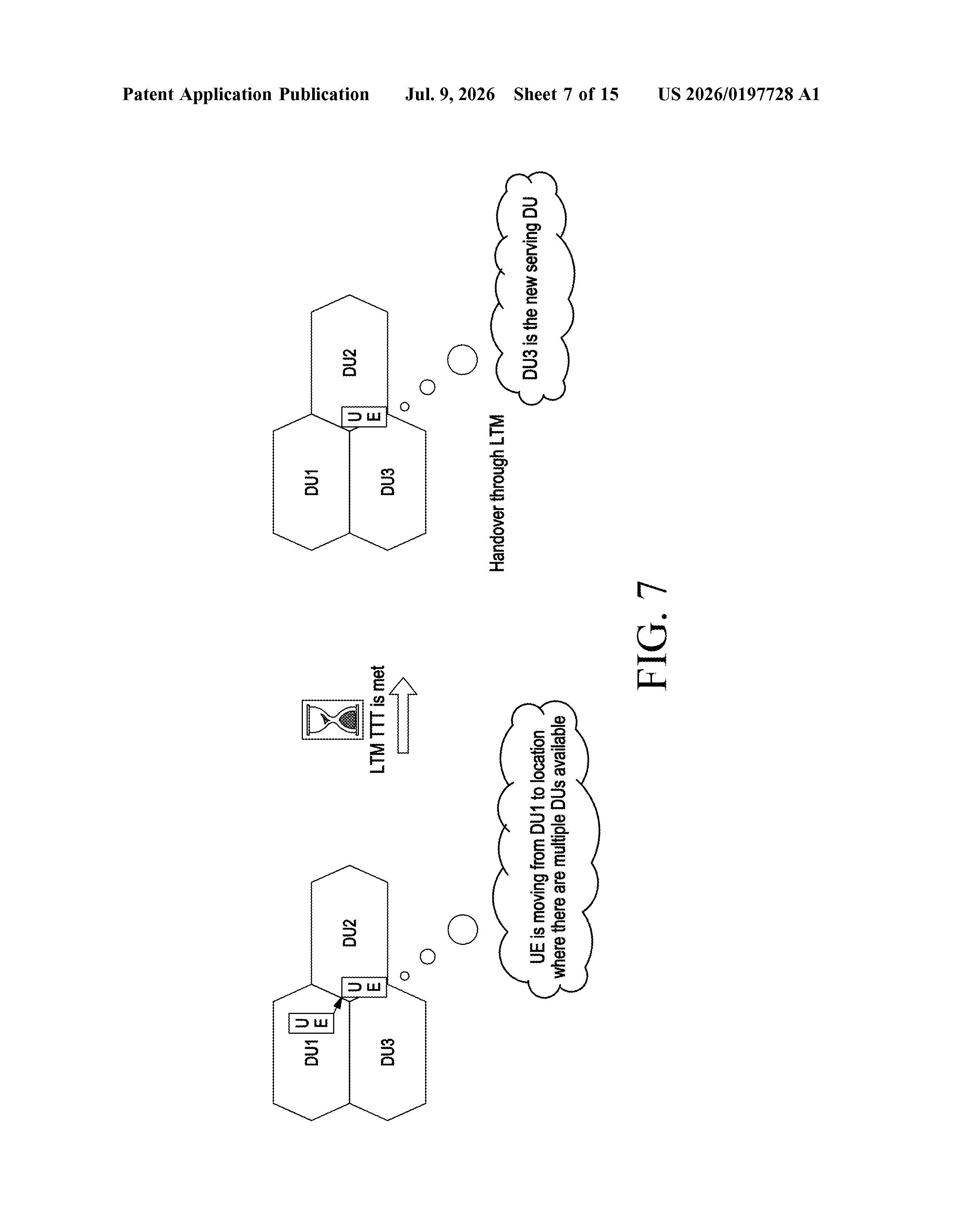
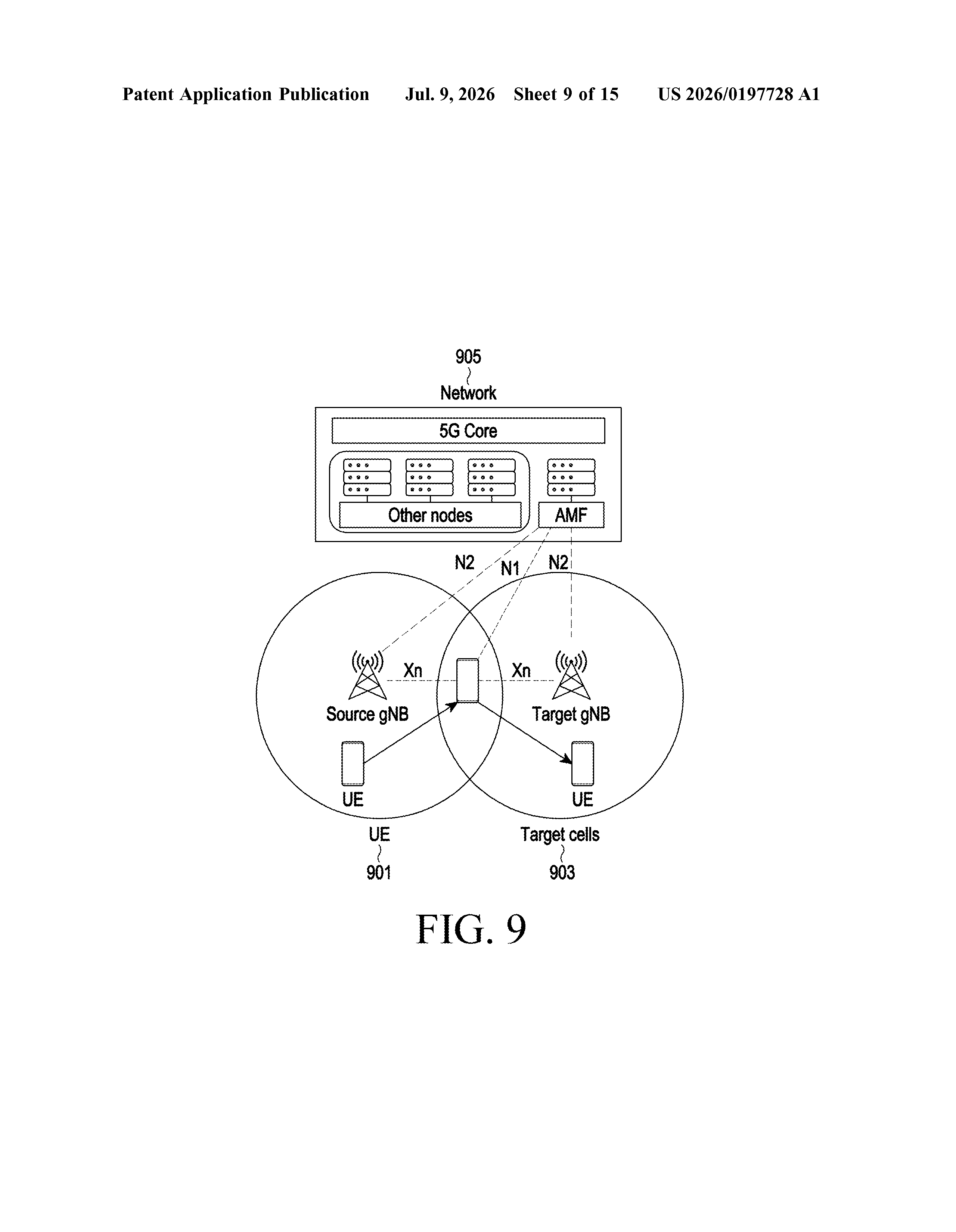
Imagine you're on a video call while riding a train, and your phone needs to switch from one cell tower to another to keep the signal alive. That switch is called a handover, and if your phone picks a bad tower, your call drops or stutters.
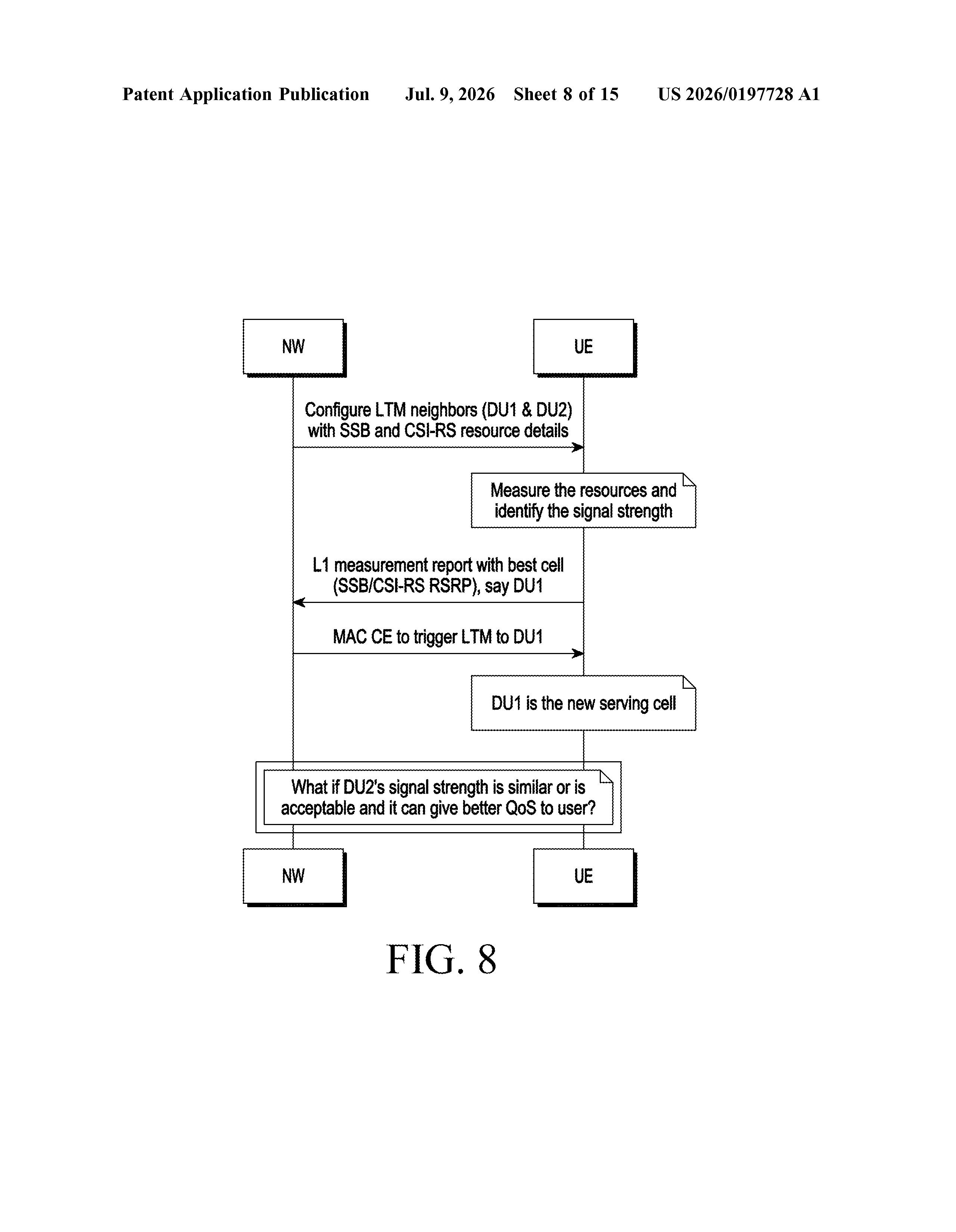
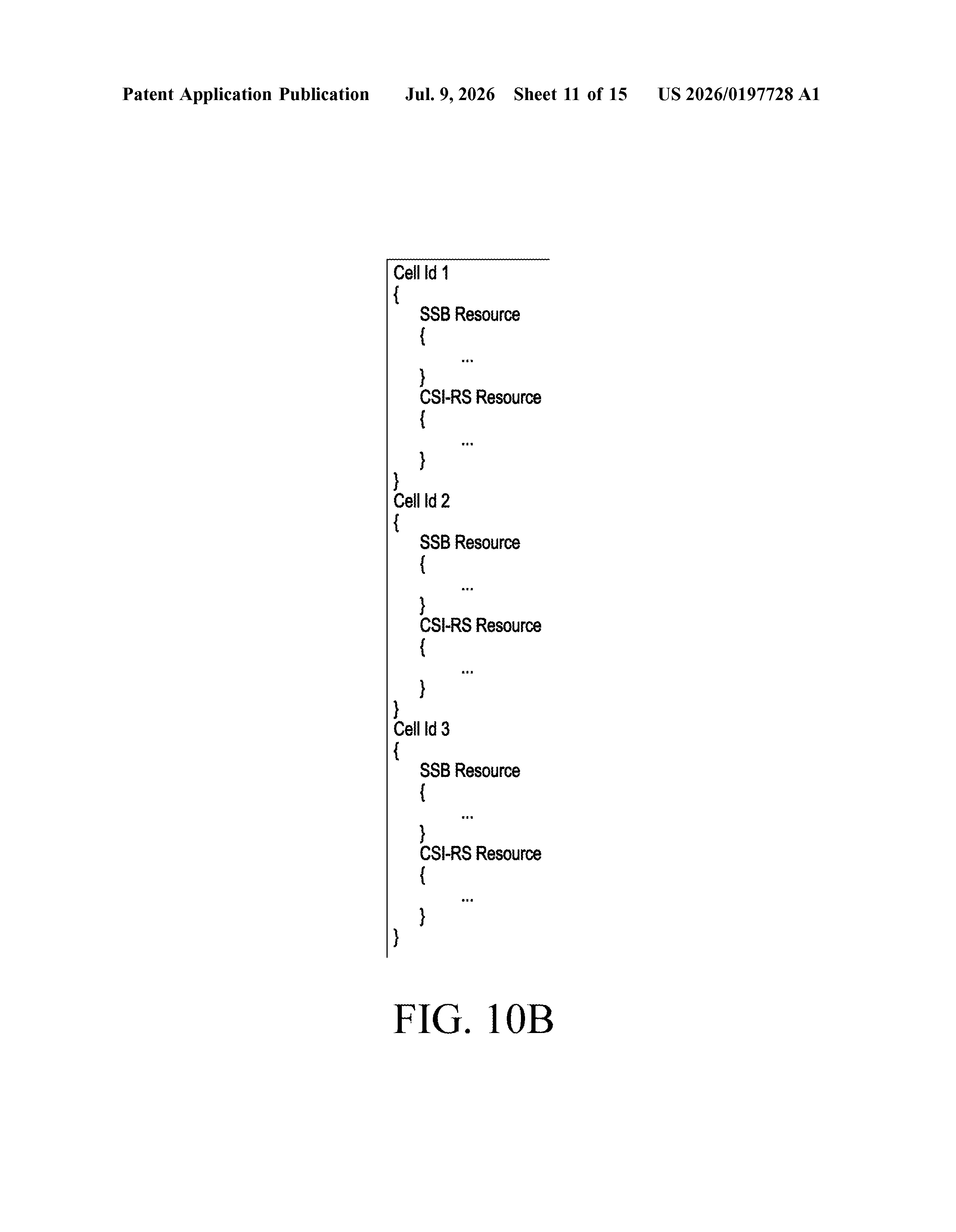
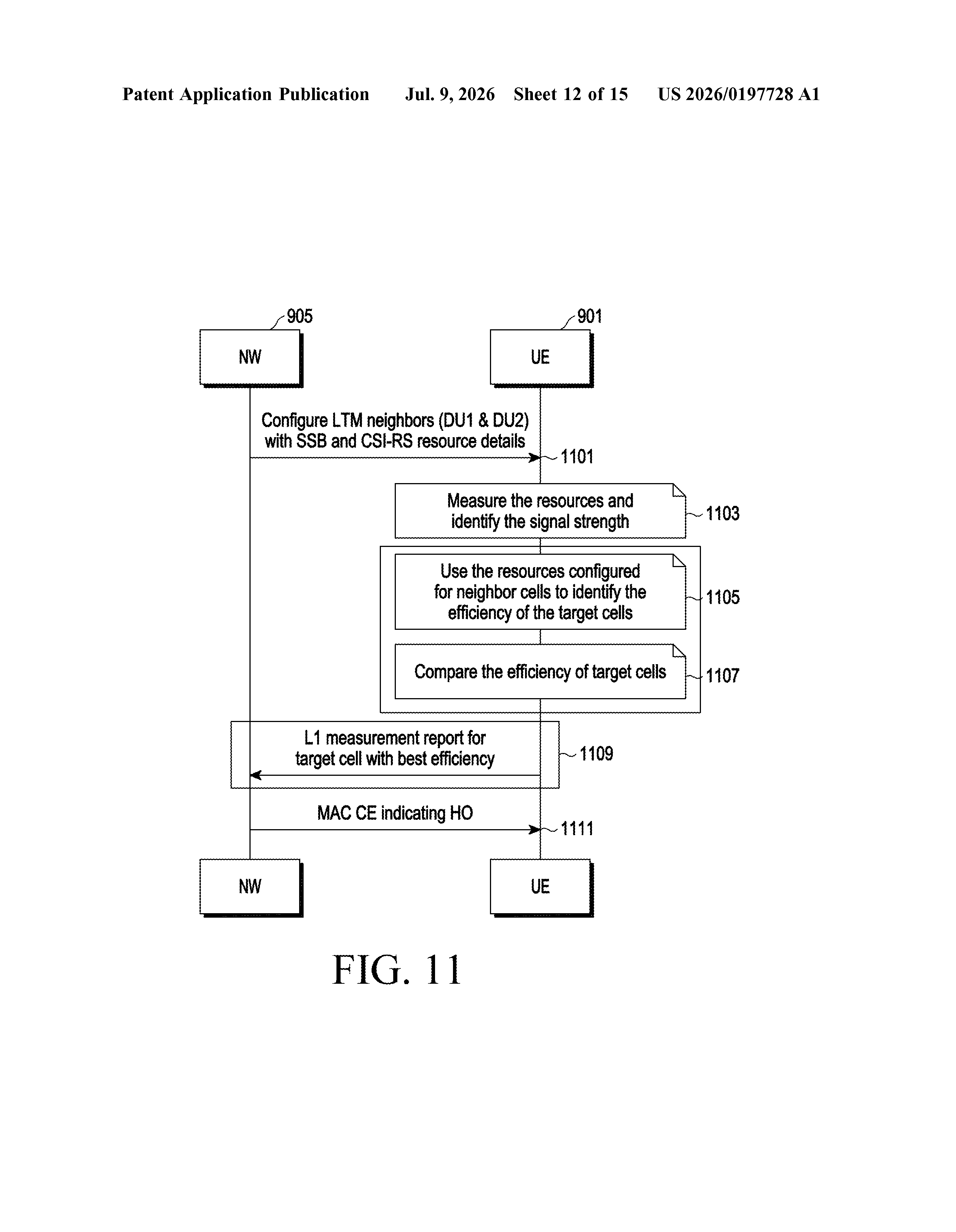
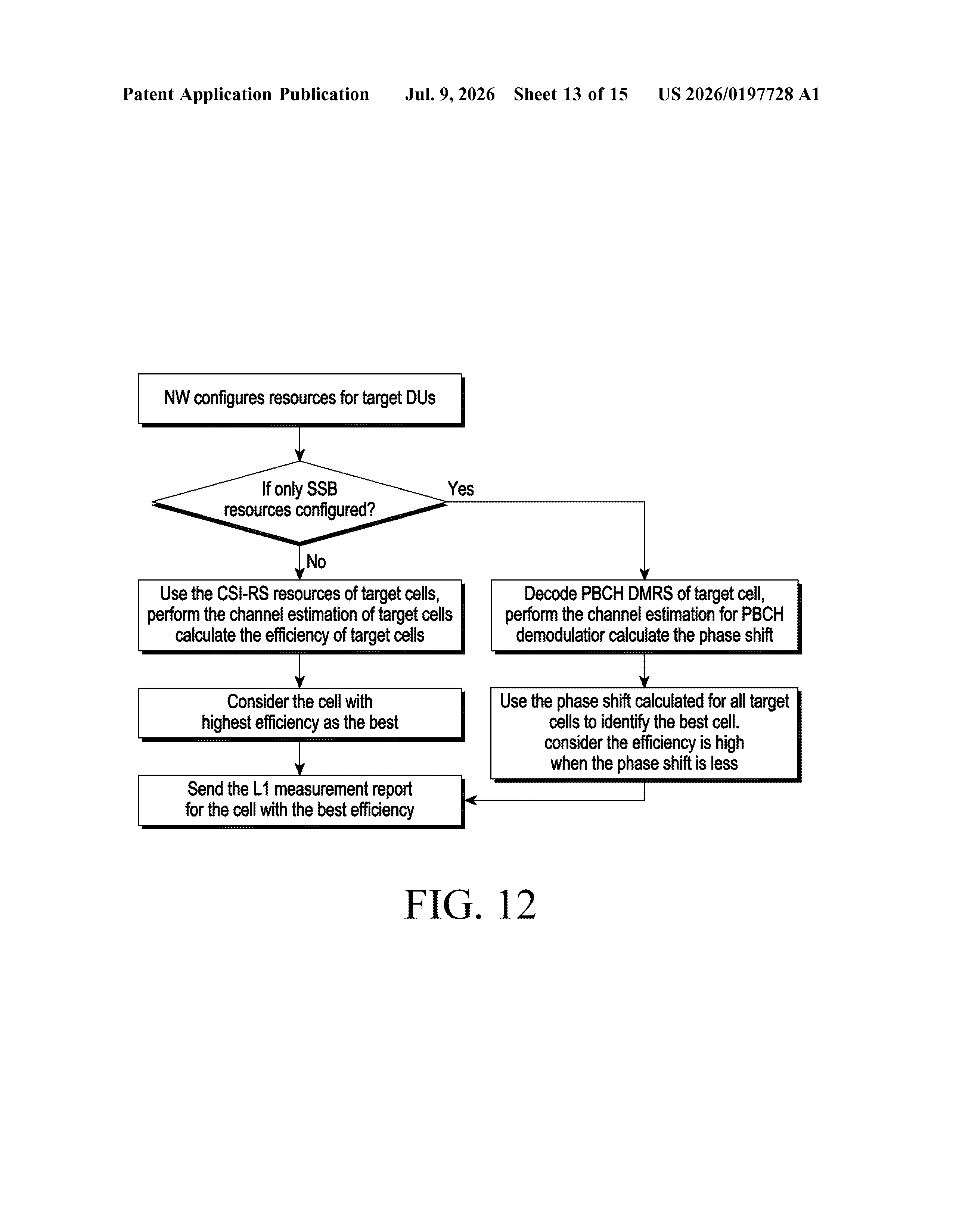
Samsung's patent describes a system where your phone actively calculates which nearby tower is the most efficient option before committing to the switch. The network sends your phone a list of candidate towers along with details about each one, and your phone runs its own scoring process to rank them.
Instead of just accepting whatever tower the network points it to, your phone picks the best candidate from the list based on that efficiency calculation. The goal is fewer dropped calls and smoother connections during movement.
How the phone scores and ranks target towers
The patent describes a method where the phone (called a UE, or user equipment, in cellular standards language) takes an active role in choosing which tower to hand off to during a network transition.
Here's the basic flow:
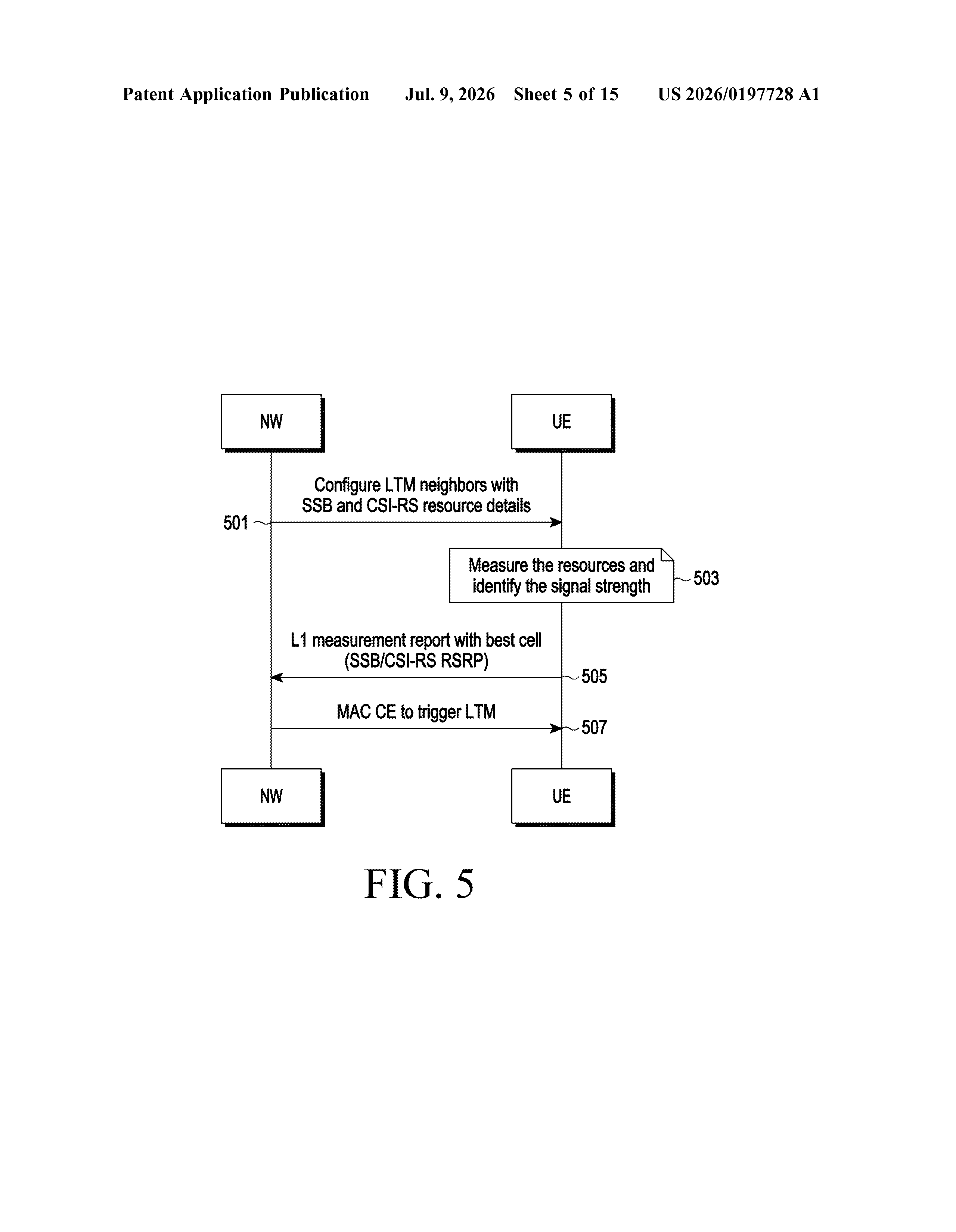
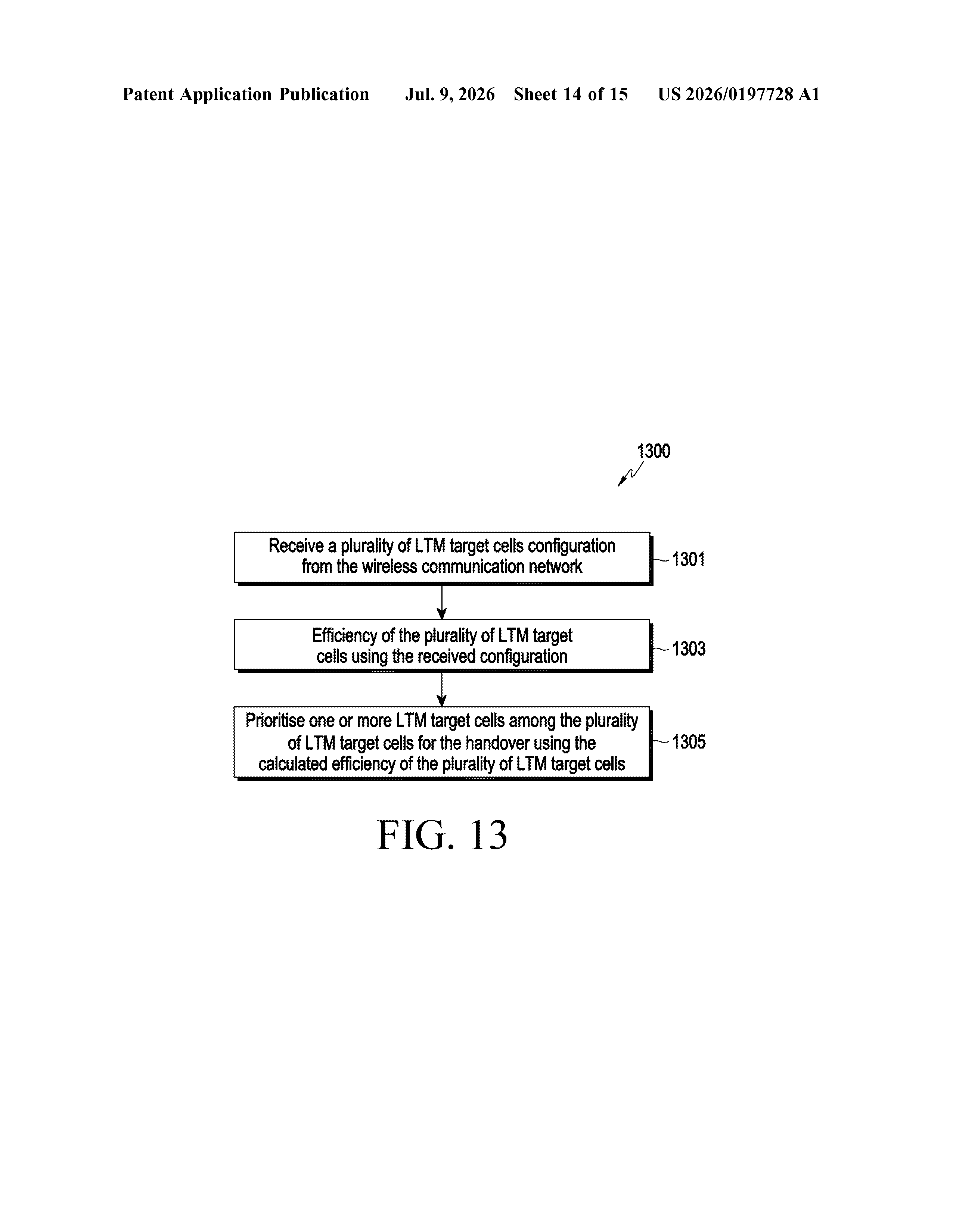
- The network sends the phone a list of potential target cells along with configuration details about each one.
- The phone calculates an efficiency score for each candidate cell using that information.
- The phone ranks the cells and prioritizes one or more for the actual handover based on those scores.
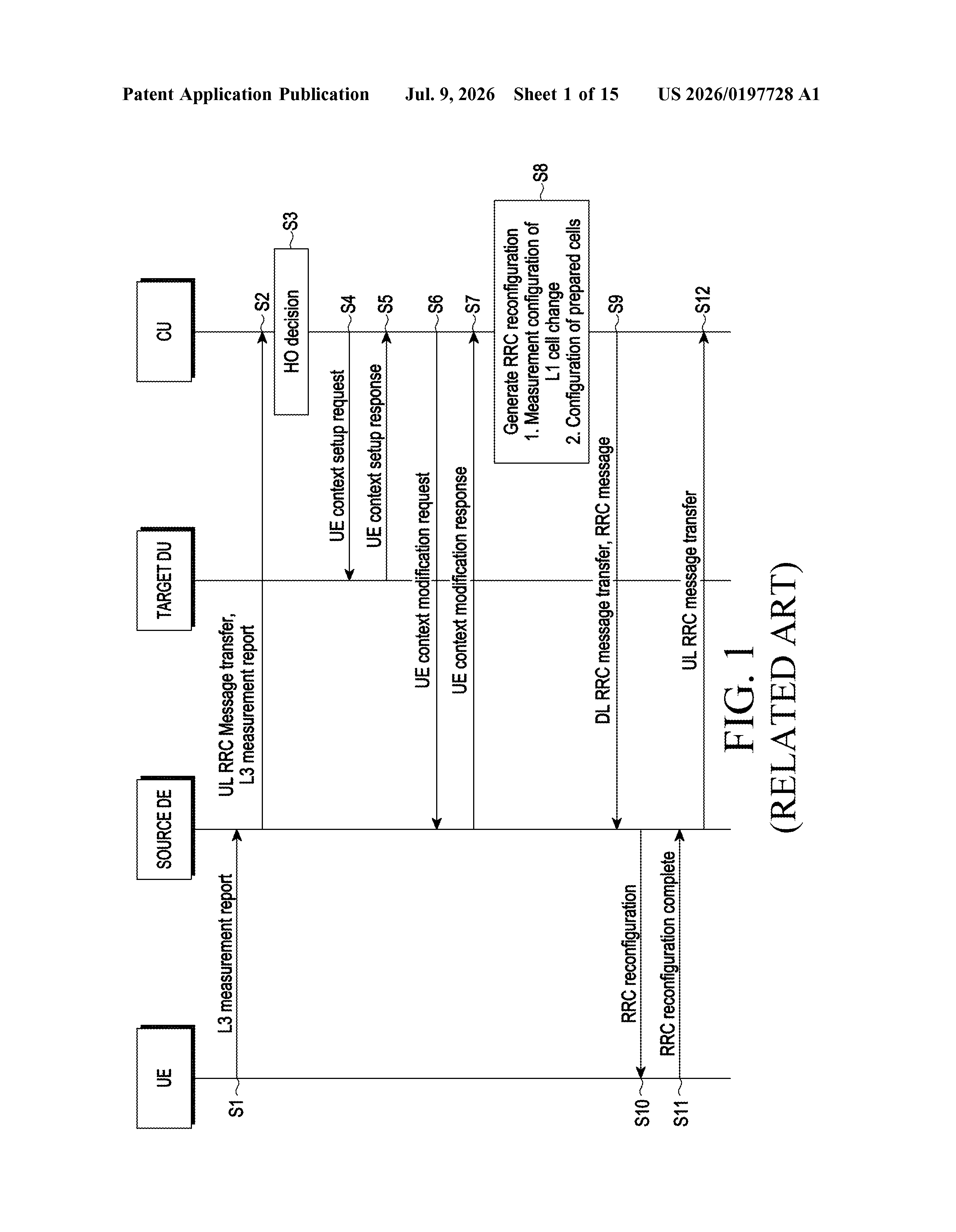
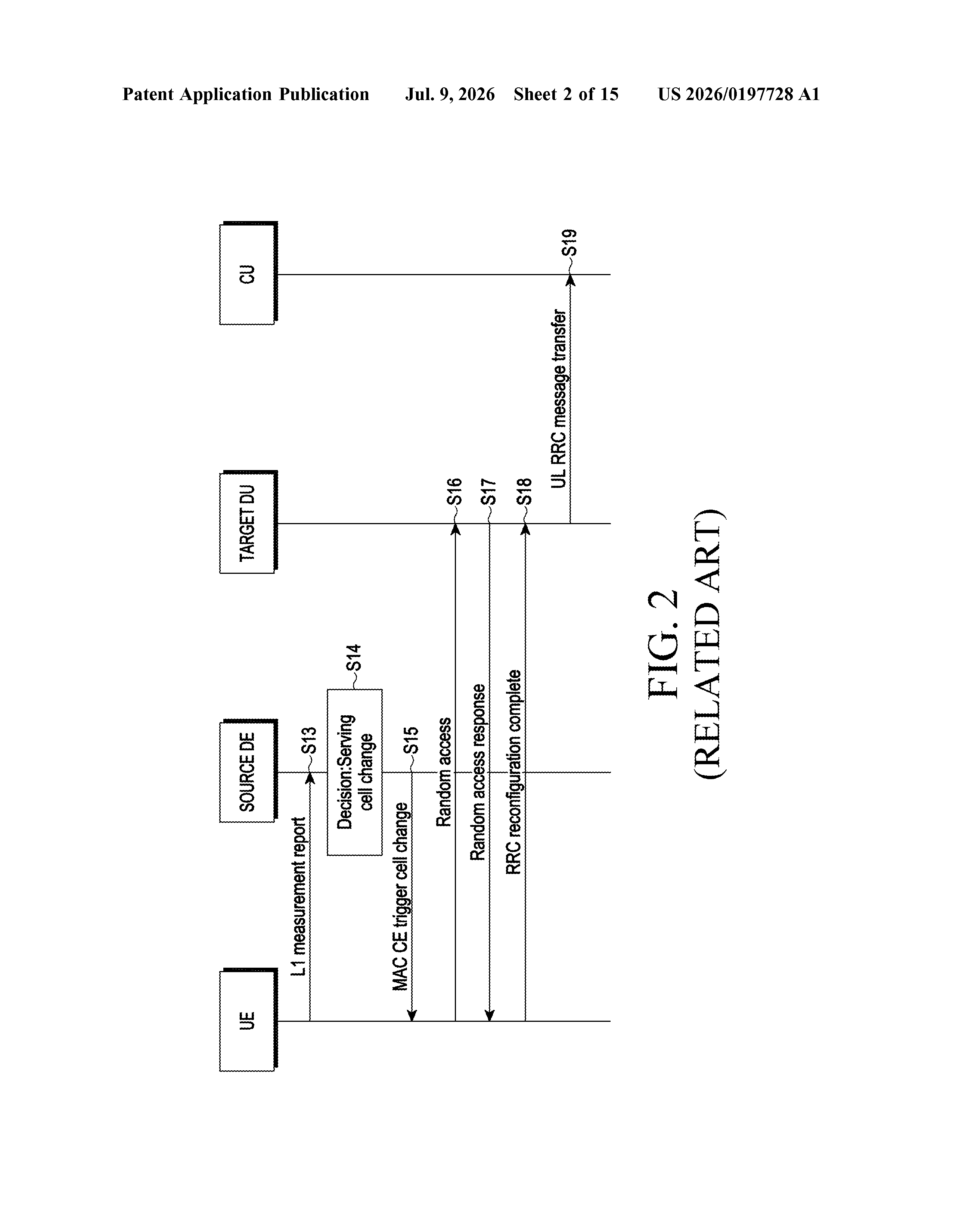
The term "low layer triggered mobility" in the title refers to handovers initiated by the radio hardware layer of the phone itself, rather than being fully commanded by the network. This is a newer pattern in 5G standards where devices take on more autonomous decision-making to speed up the process.
The patent doesn't spell out exactly what goes into the efficiency calculation, which is common at this stage. The key claim is that the phone, not just the network, does the ranking work.
What this means for call drops and mobile connections
Handover quality is one of the biggest factors in whether a mobile call or video stream survives a gap in coverage. If the phone picks a congested or poorly positioned tower, the connection degrades even if signal strength looks acceptable. Giving the phone its own ranking logic, fed by real configuration data from the network, could reduce that kind of mismatch.
For Samsung, this fits into a broader push in 5G standards to distribute intelligence between the network and the device. More autonomous handover decisions at the phone level can also reduce the back-and-forth signaling that slows traditional handovers down, which matters most in fast-moving scenarios like vehicles or crowded transit.
This is solidly functional cellular infrastructure work, not flashy AI territory. Handover reliability is a real and persistent problem, especially as 5G networks multiply the number of cells a phone might interact with. The patent is narrow and incremental, but the problem it addresses is one users actually feel when calls drop on the subway.
Get our take in your Top Stories
Liked this breakdown? Add Patentlyze as a preferred source on Google, and our plain-English take shows up more often in your Top Stories the next time Samsung patent news breaks.
There are more where this came from
We read every patent application Big Tech publishes and send you the ones worth knowing. Plain English, free, every week.
The drawings
15 drawing sheets from US 2026/0197728 A1 · click any drawing to enlarge
Show the other 7 sheets
Want this weekly breakdown for a company we don't cover? Patentlyze Pro →