
Samsung Patents a Way for Wi-Fi Devices to Warn Routers When They Go Offline
When your phone goes to sleep or switches tasks, your router often has no idea. Samsung wants to fix that with a simple signal that tells the router to stop wasting time waiting.
What Samsung's Wi-Fi unavailability signal actually does
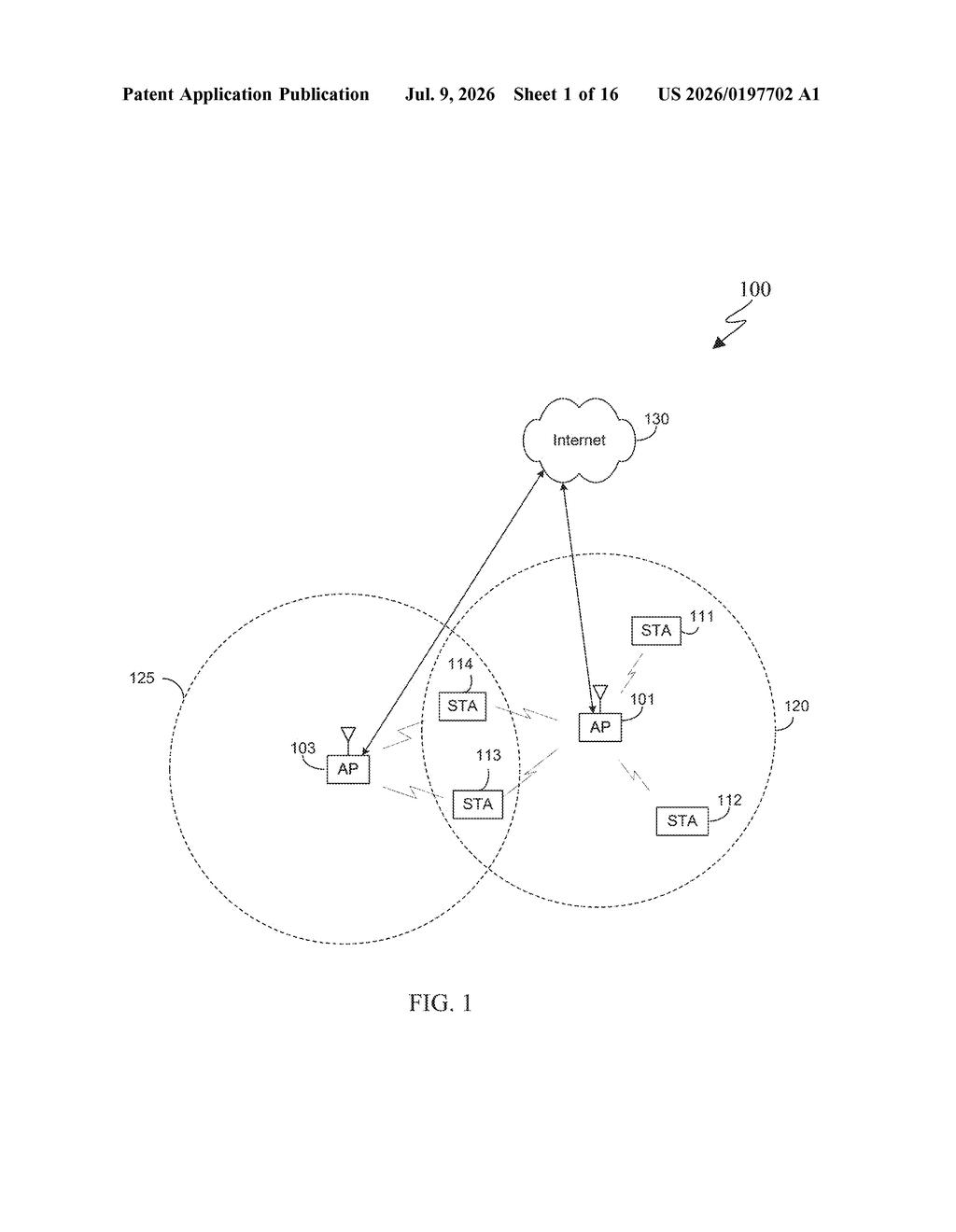
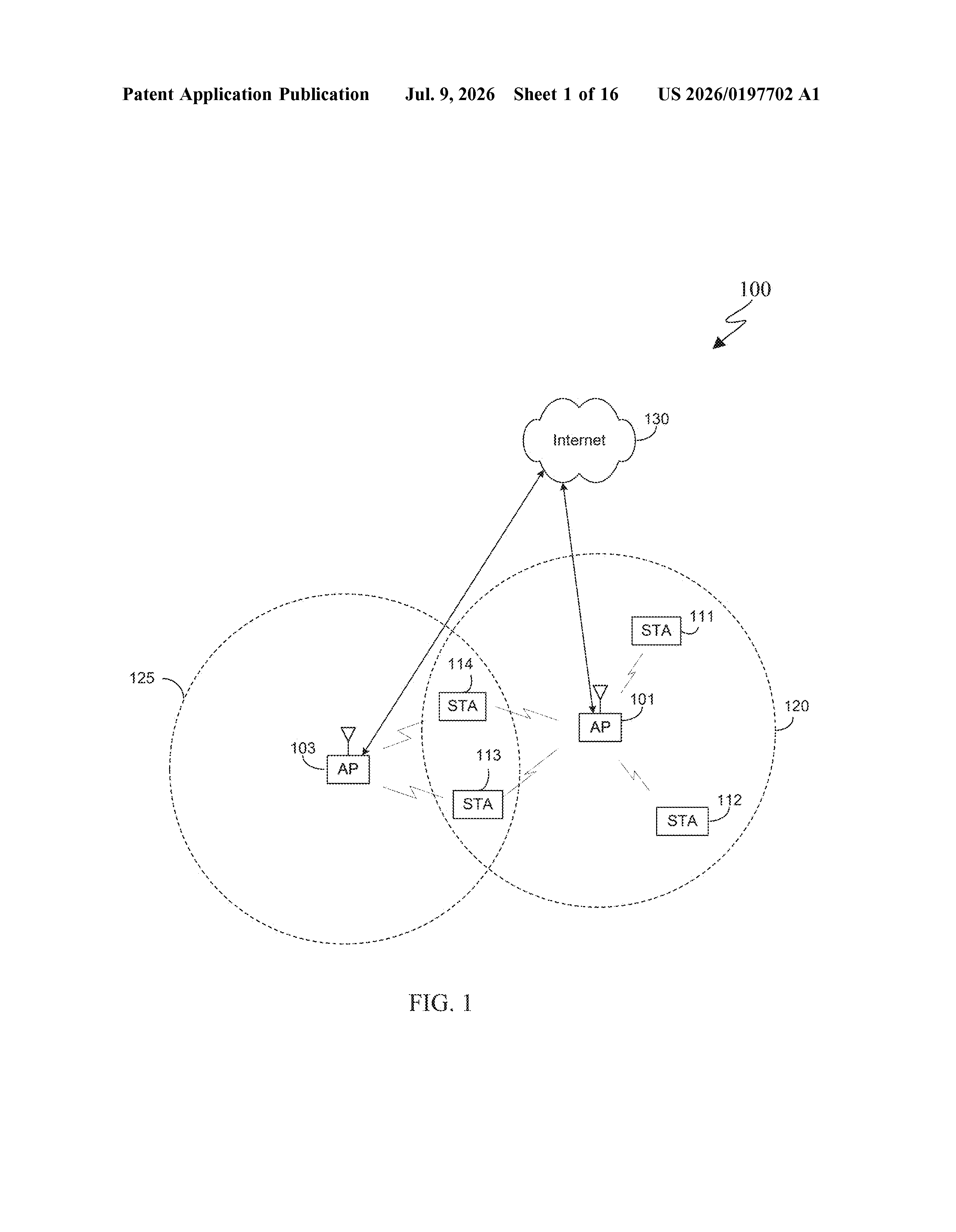
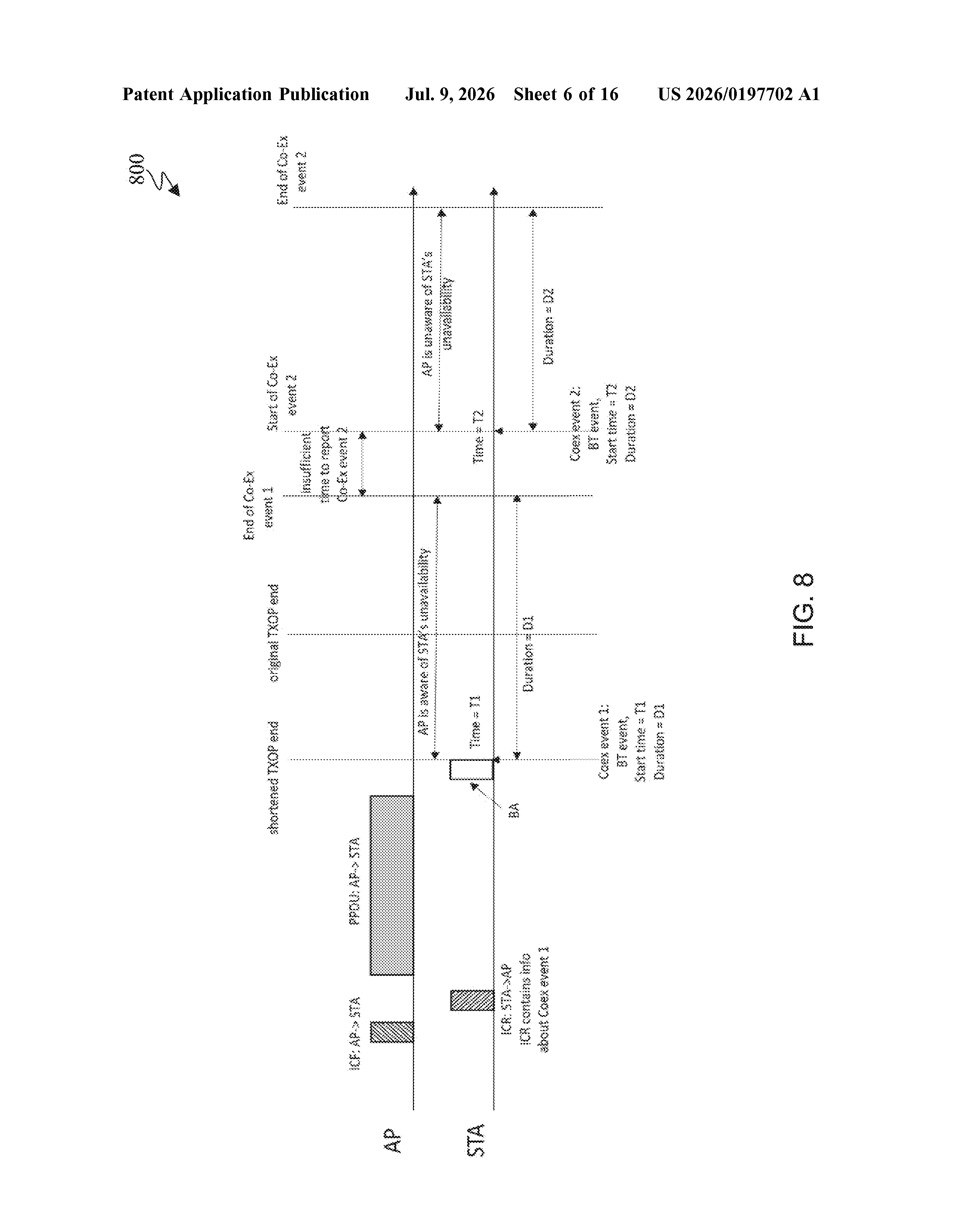
Imagine your router keeps trying to send data to your phone, but your phone is busy doing something else and can't receive it right now. The router doesn't know that, so it waits, retries, and wastes time that could go to other devices on your network.
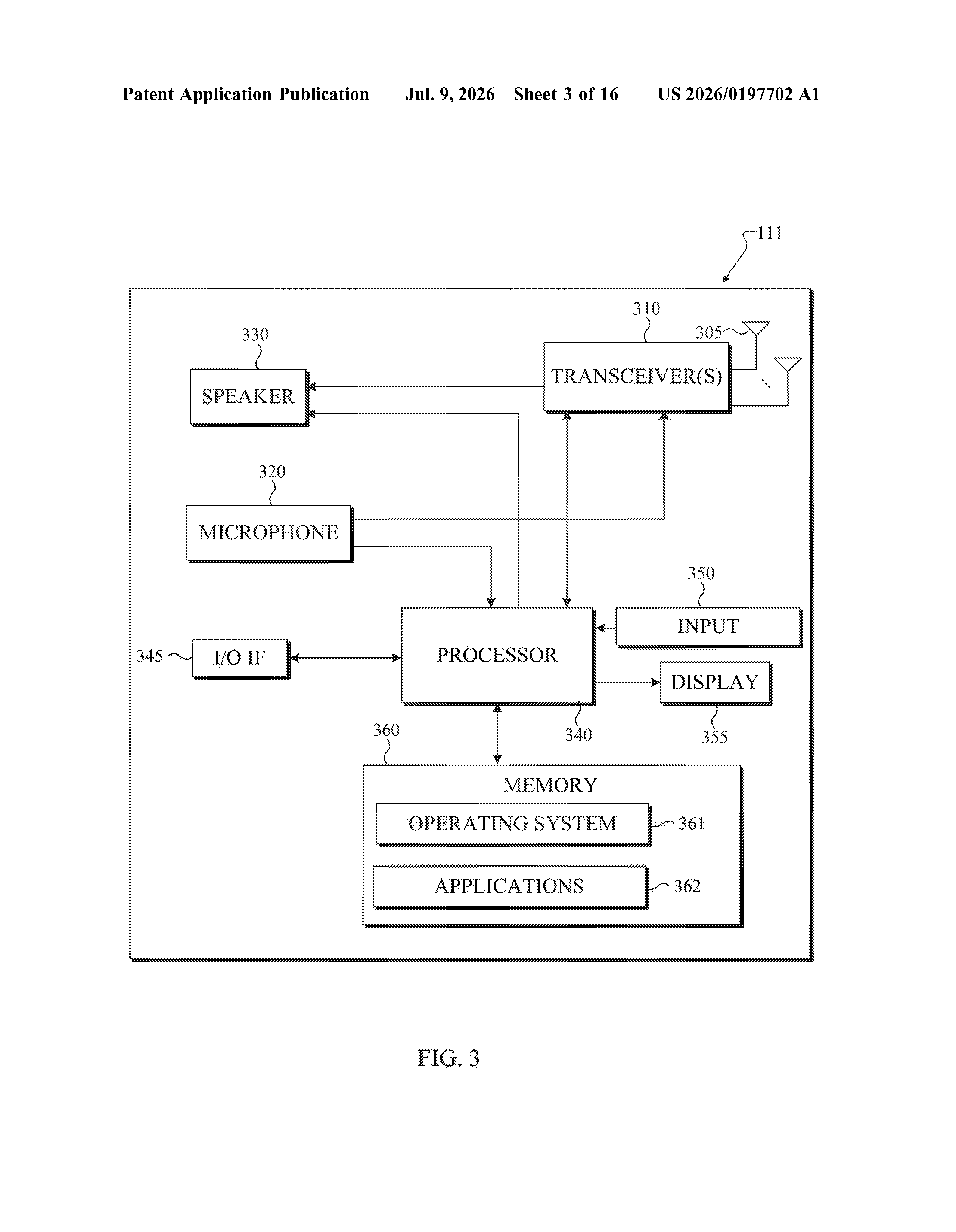
Samsung's patent describes a way for a Wi-Fi device (like your phone or laptop) to proactively tell the router, "Hey, I'm not available right now." It does this by tucking that information into a type of message the device was already going to send anyway, so there's no extra overhead.
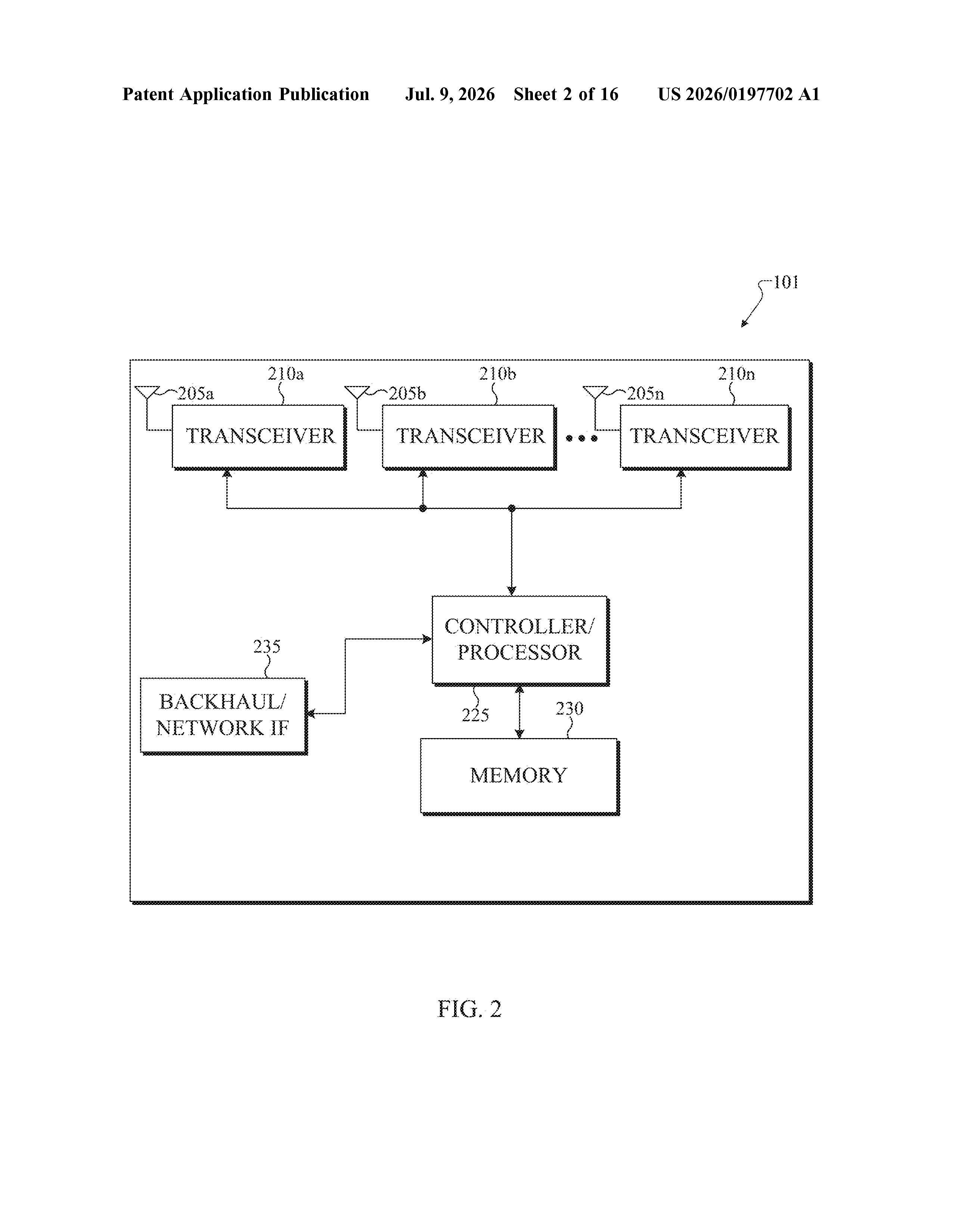
The router then receives that heads-up and can respond accordingly, skipping the waiting game and focusing on devices that are actually ready to communicate. It's a small coordination improvement, but in crowded Wi-Fi environments with lots of devices, those small improvements add up.
How the BSRP frame carries the unavailability flag
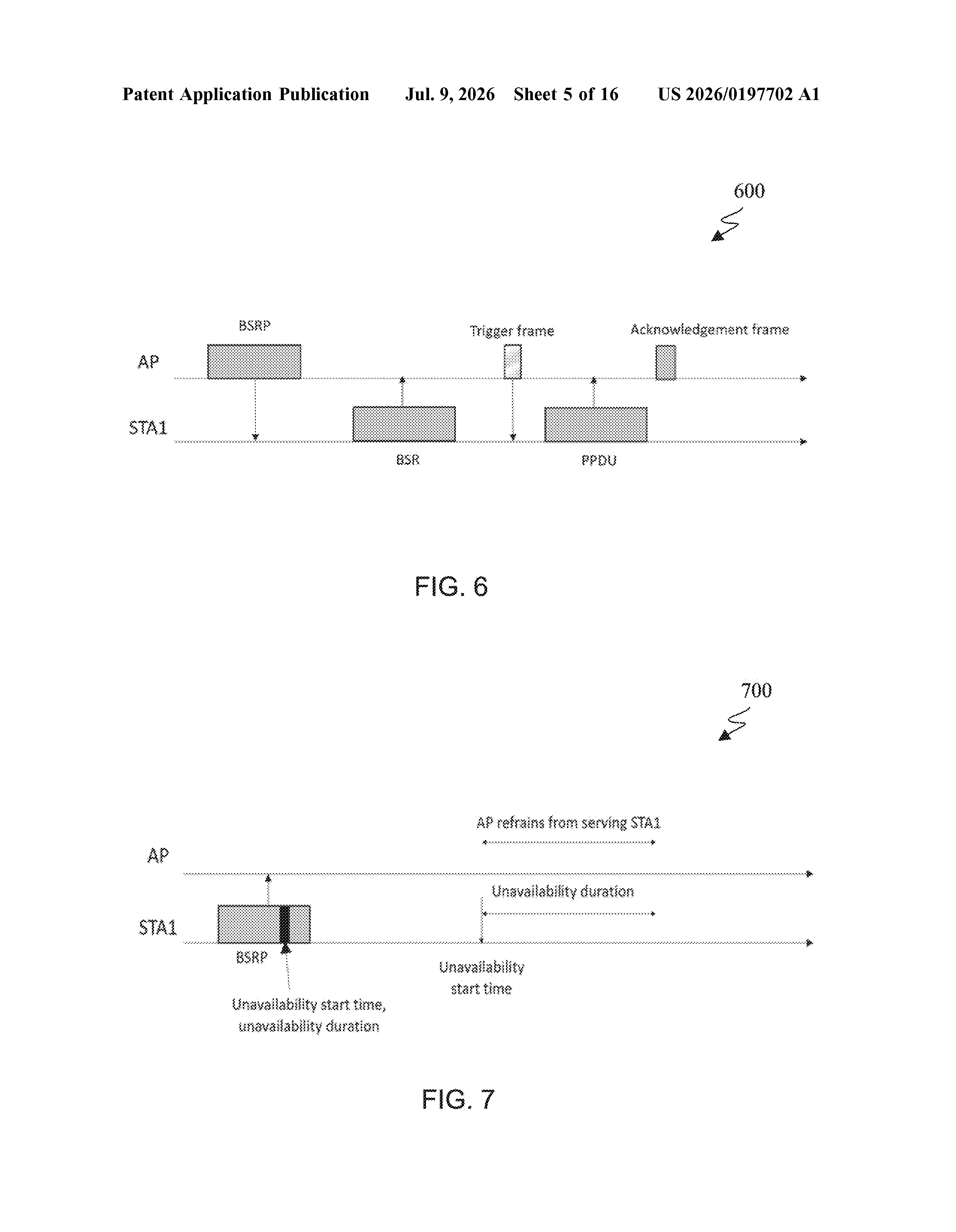
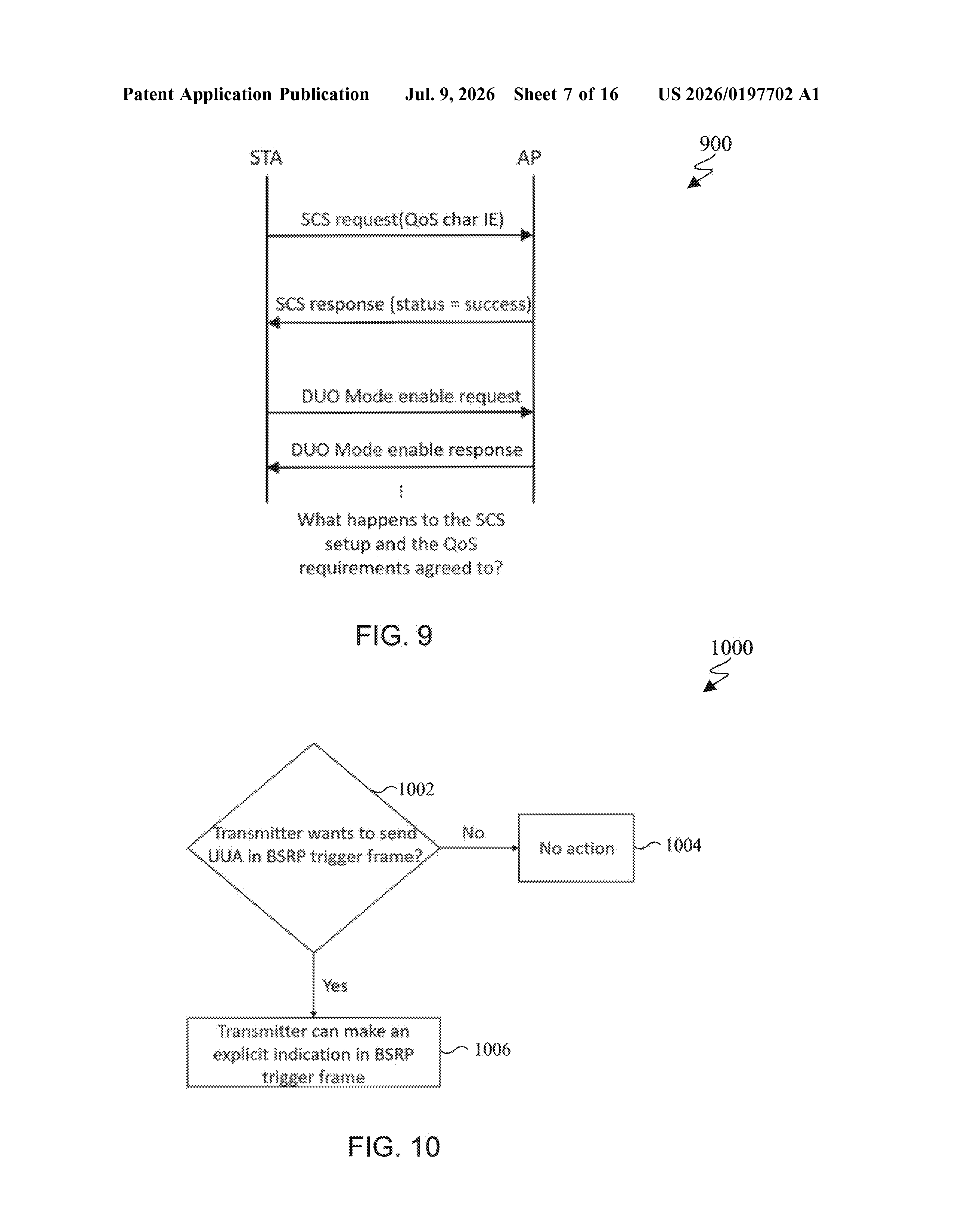
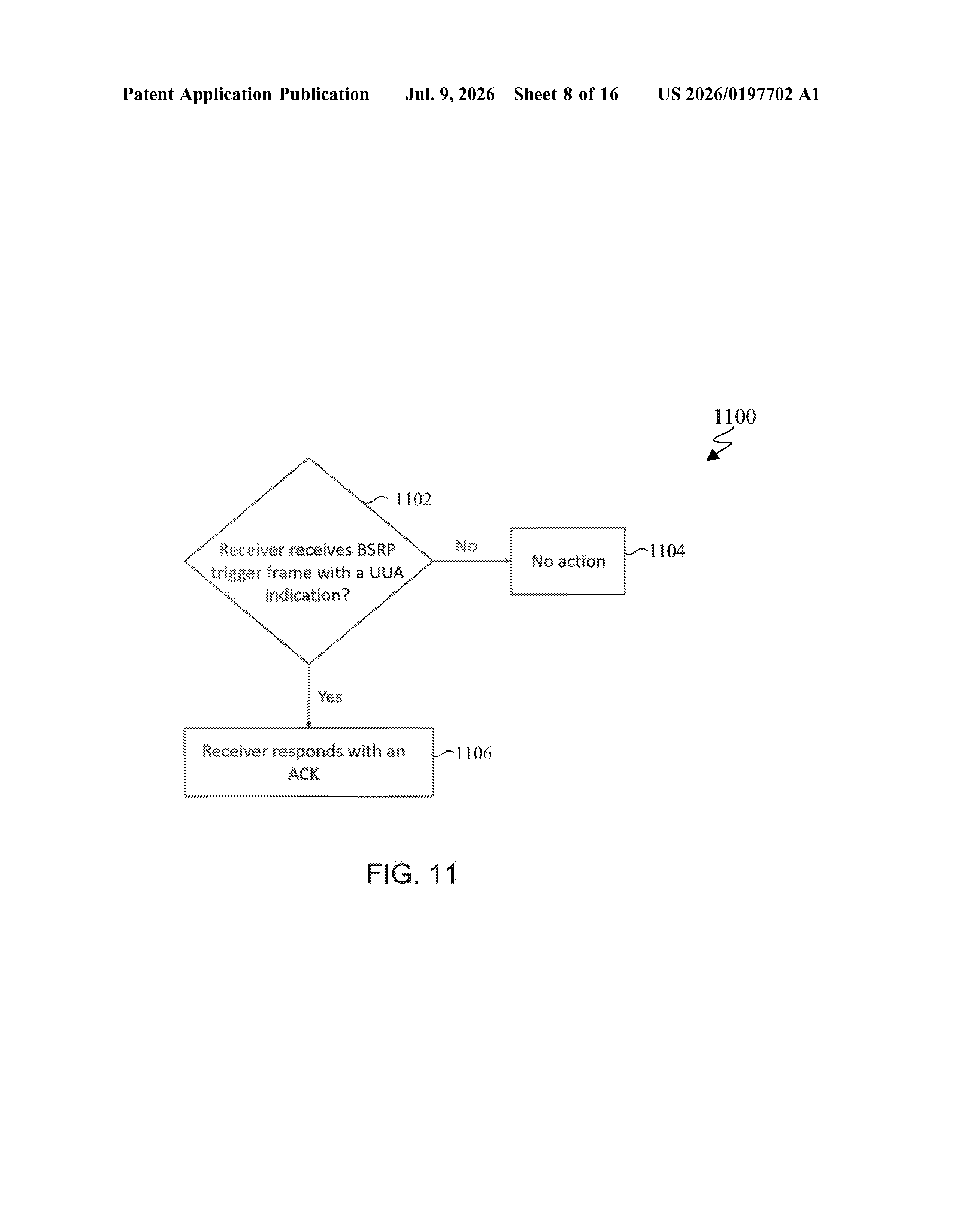
The patent describes a mechanism where a Wi-Fi client device (called a station, or STA in the spec) piggybacks an unavailability flag onto an existing control message called a Buffer Status Report Poll (BSRP) frame. A BSRP frame is normally used to ask the access point (your router) about buffered data waiting to be sent. Samsung's invention repurposes it to also carry a signal saying the device is temporarily unavailable.
The access point reads that flag and sends back a response frame acknowledging the device's status. This lets the router adjust its scheduling without blindly queuing up transmissions to a device that isn't ready.
Key components of the system:
- Modified BSRP frame: carries an extra bit or field indicating unavailability
- Access point response: confirms receipt and adjusts its transmission schedule
- No new message type required: the unavailability info rides along in an existing frame structure
This is squarely a Wi-Fi protocol-level improvement, likely targeting the Wi-Fi 7 (802.11be) generation of devices where multi-link operation and tighter scheduling make coordination between devices and routers more important than in earlier Wi-Fi versions.
What this means for Wi-Fi network scheduling
In homes and offices with dozens of Wi-Fi devices, routers are constantly juggling who gets to transmit and when. When a device goes quiet without warning, the router can waste scheduling slots waiting for it, which slightly degrades performance for everyone else. This patent gives routers a clean, low-cost way to get that warning, which could reduce wasted airtime in dense environments.
For you as an end user, this kind of improvement probably never shows up as a feature you can toggle. It would just mean your Wi-Fi feels slightly more consistent when a lot of devices are connected. Samsung is a major contributor to Wi-Fi standards, so there's a real path for something like this to end up in a future spec rather than staying proprietary.
This is unglamorous infrastructure work buried several layers below anything a consumer would notice. It's not a bad patent, it solves a real coordination problem in Wi-Fi scheduling, but it reads more like a standards-body contribution than a product announcement. Worth a glance if you follow Wi-Fi protocol development; easy to skip otherwise.
There are more where this came from
We read every patent application Big Tech publishes and send you the ones worth knowing. Plain English, free, every week.
The drawings
16 drawing sheets from US 2026/0197702 A1 · click any drawing to enlarge
Want this weekly breakdown for a company we don't cover? Patentlyze Pro →
Be the first to weigh in