
Samsung Patents a Display Upgrade That Spreads Brightness Signals to Cut Screen Flicker
Screen flicker is one of those problems most people don't consciously notice until it gives them a headache. Samsung's latest patent targets the root cause of it inside the pixel itself.
How Samsung's new pixel design fights screen flicker
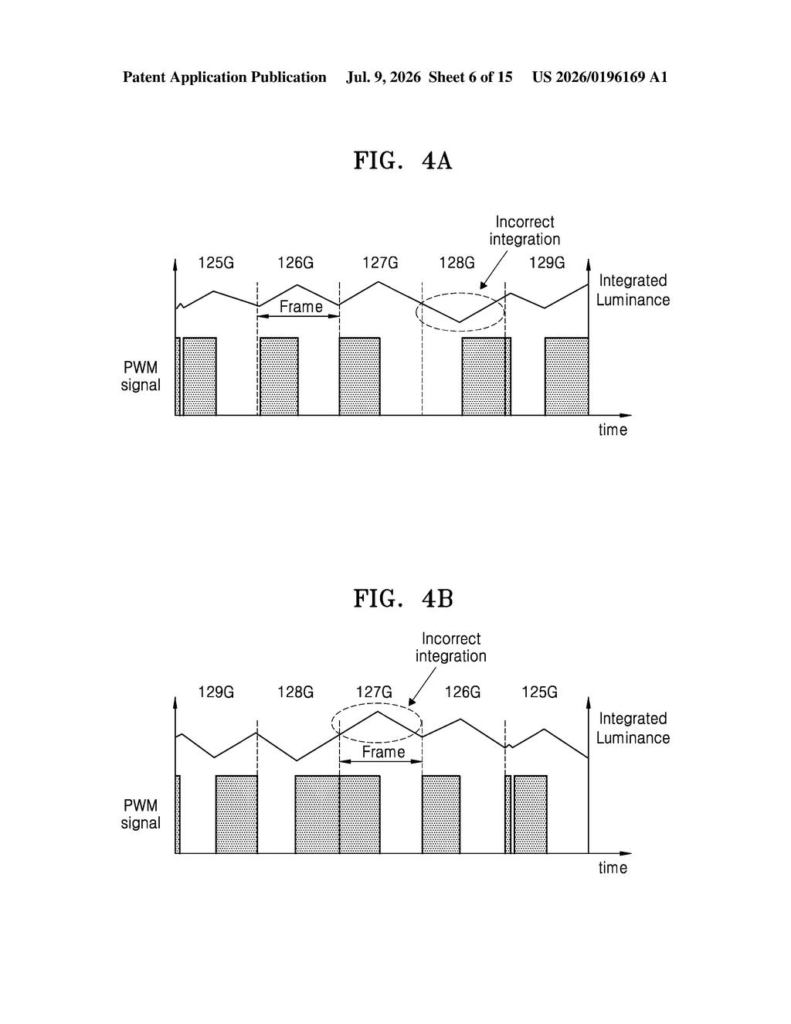
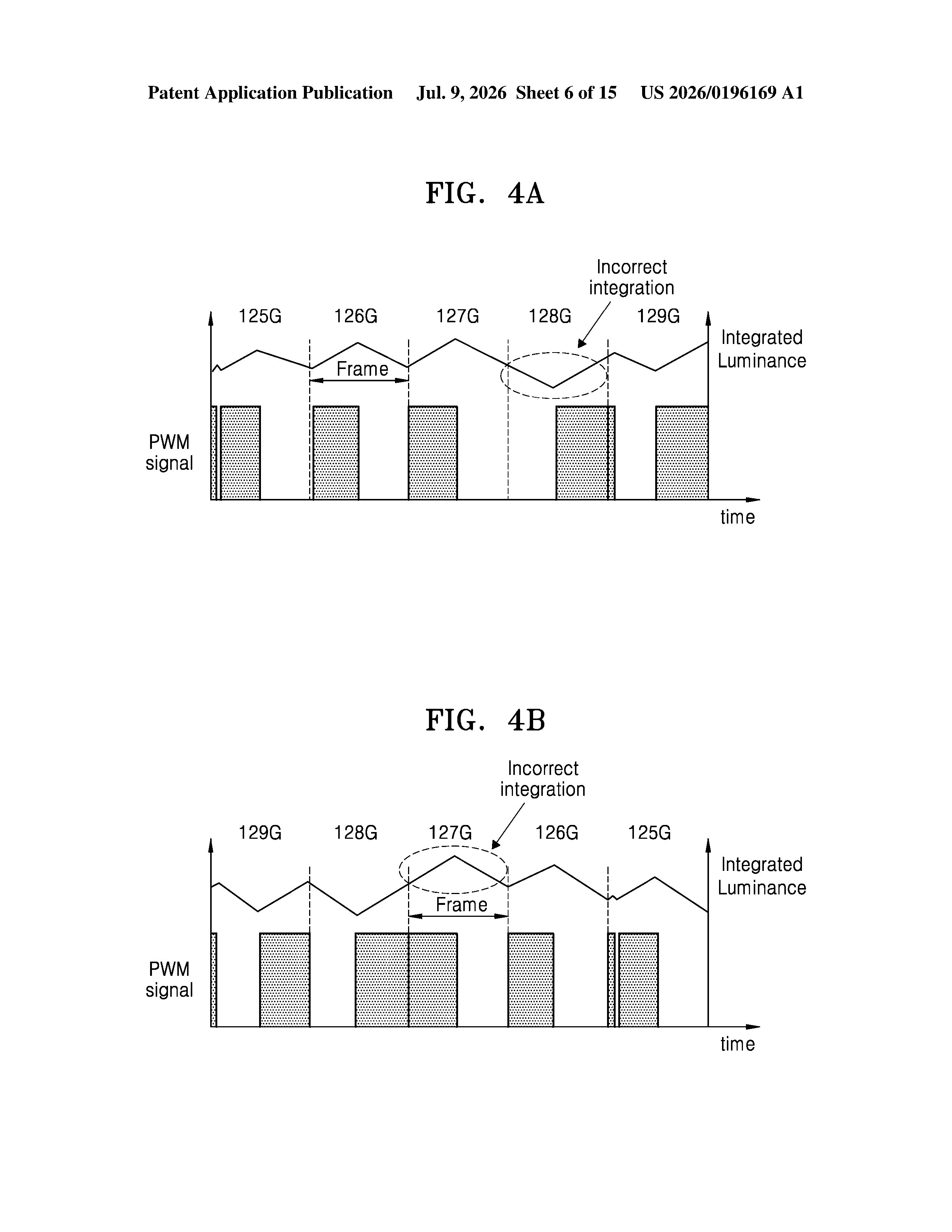
Imagine a light switch that can only be fully on or fully off. To make a light look dim, you'd flip it on and off very fast, so fast your eye averages it out as a softer glow. That's basically how modern OLED and LED screens control brightness, using a technique called pulse width modulation (PWM). The catch is that when those on-off pulses aren't timed carefully, you get flicker, which can cause eye strain.
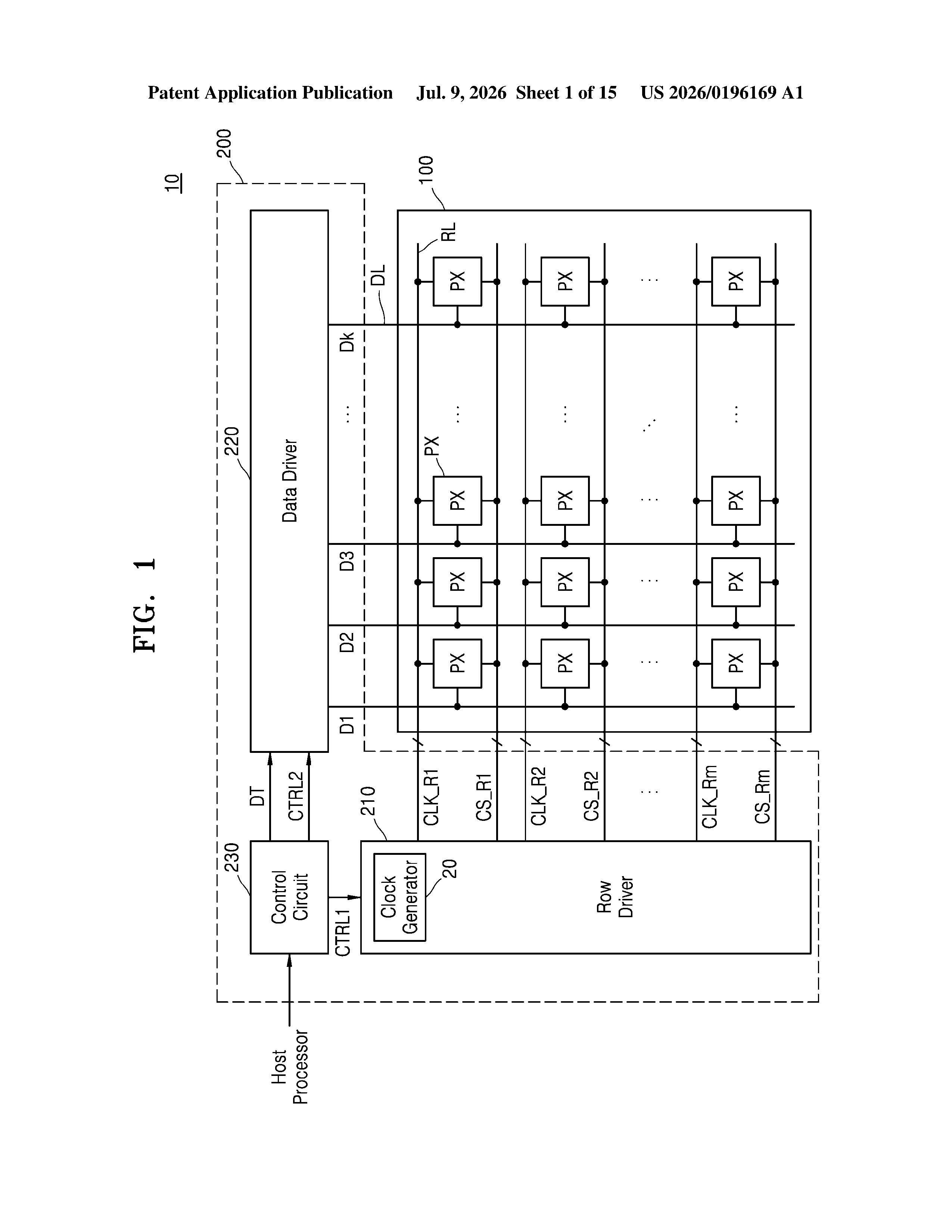
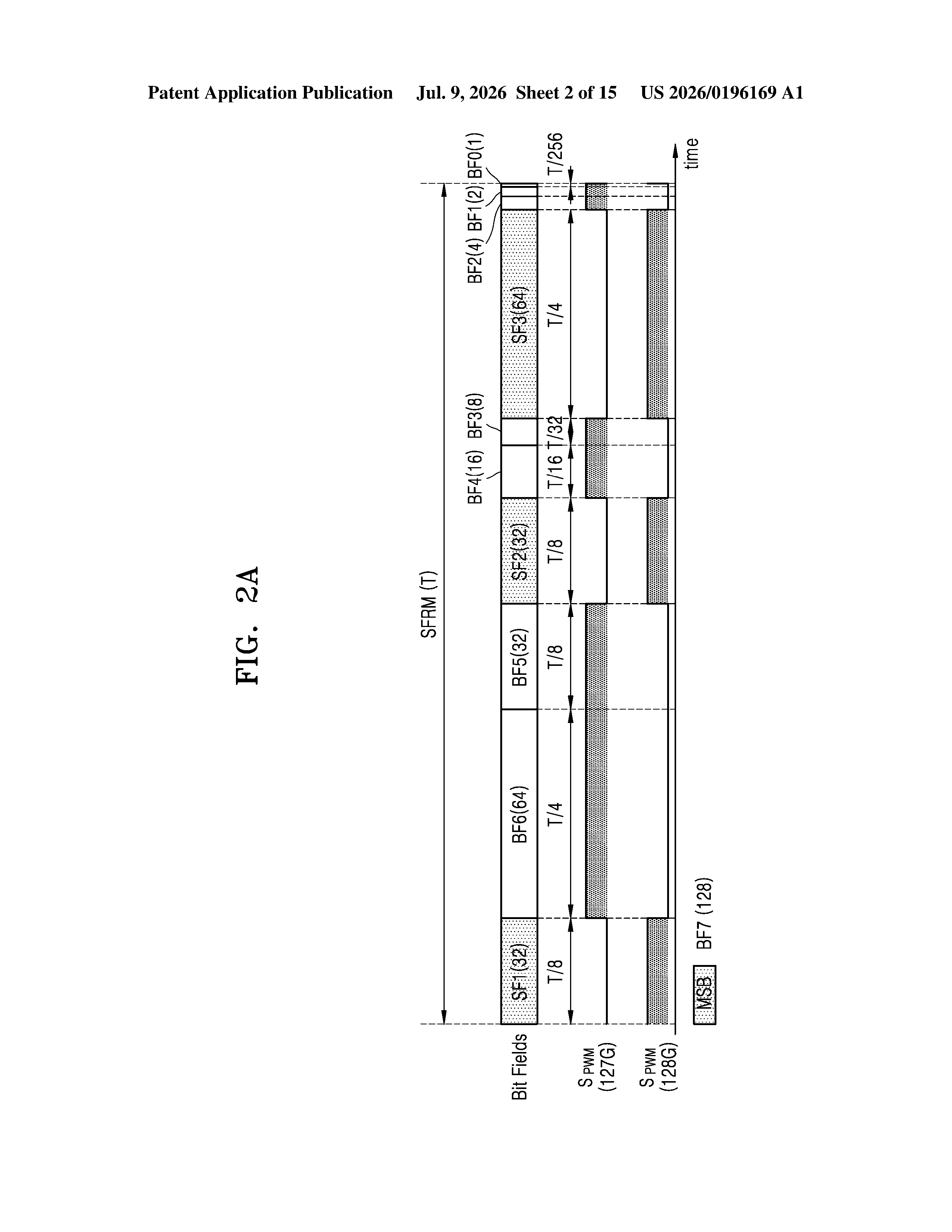
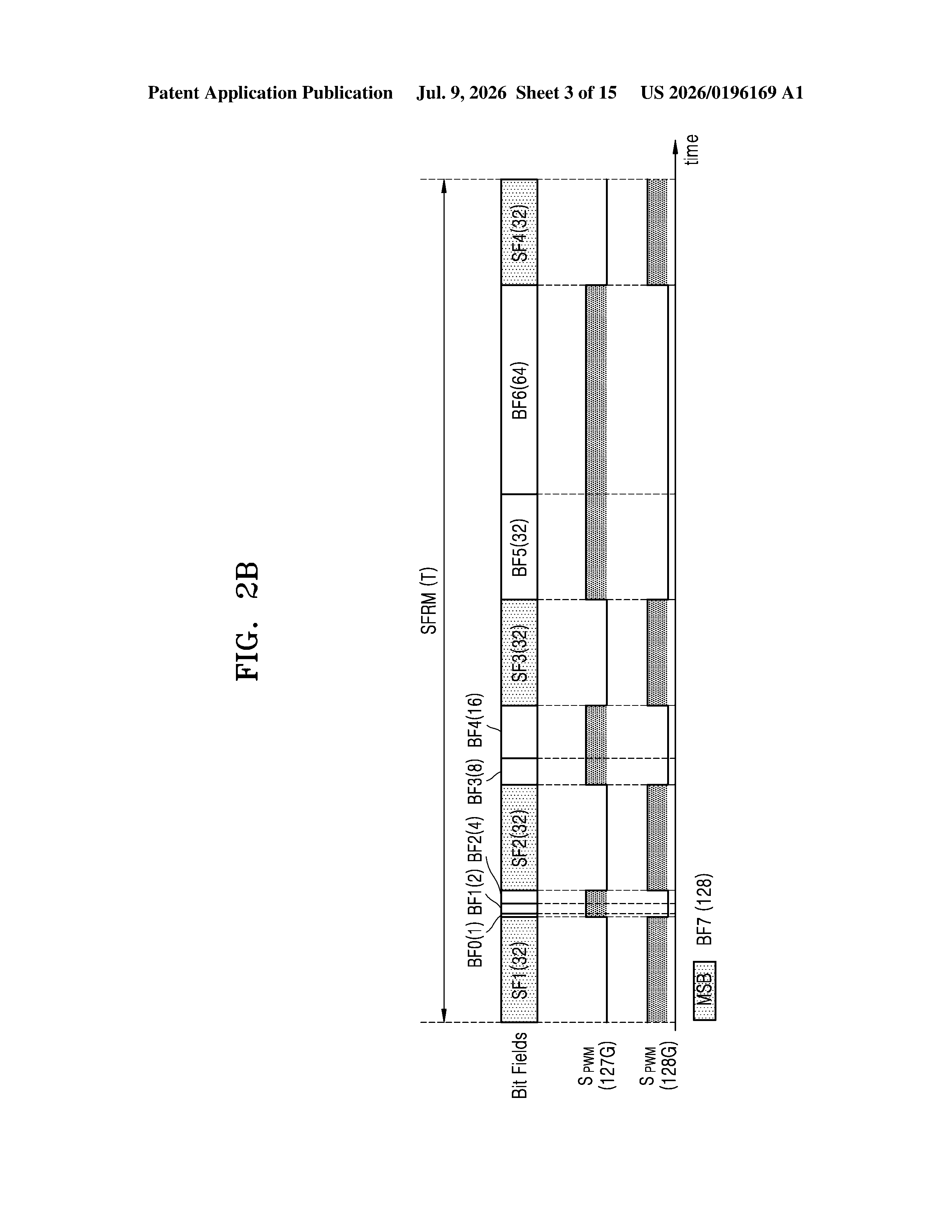
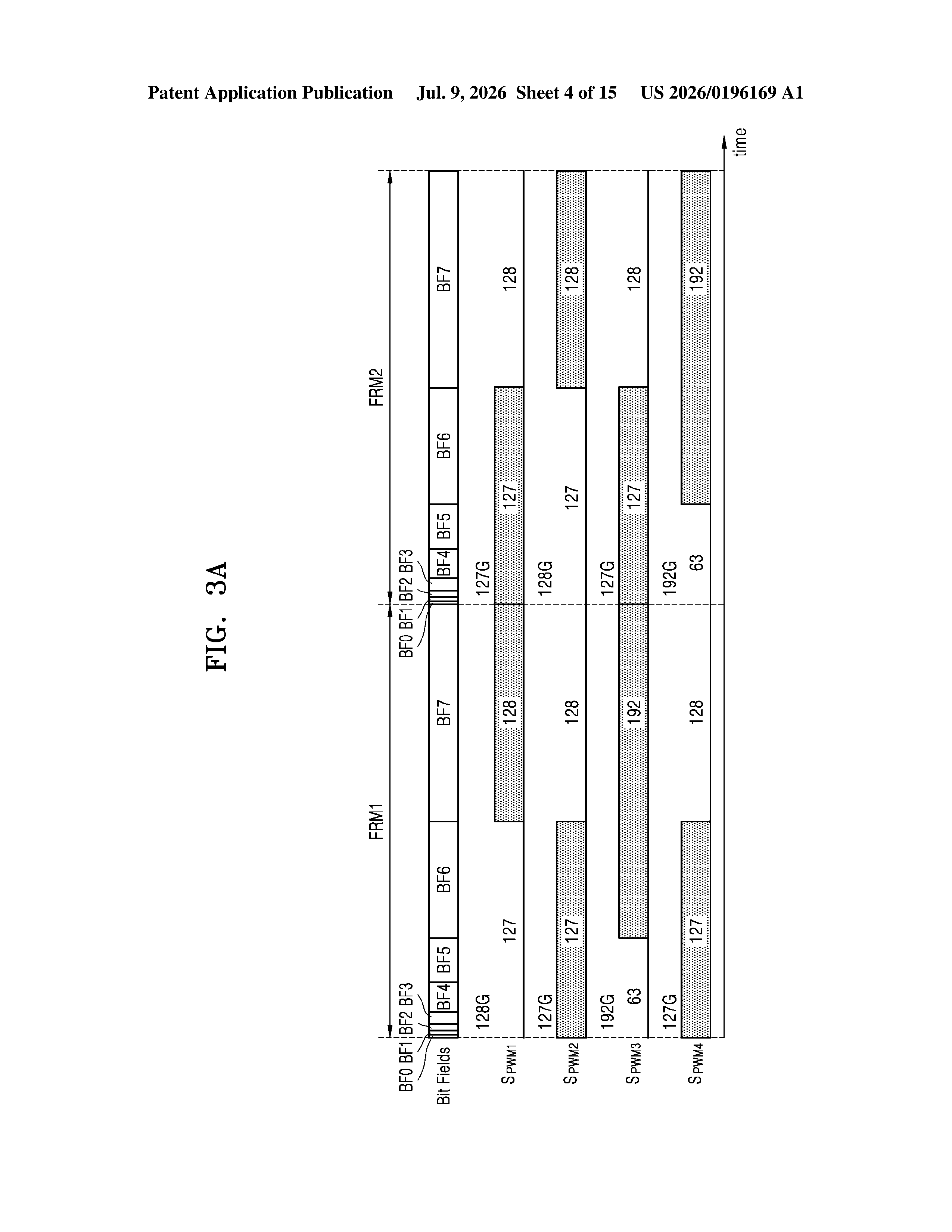
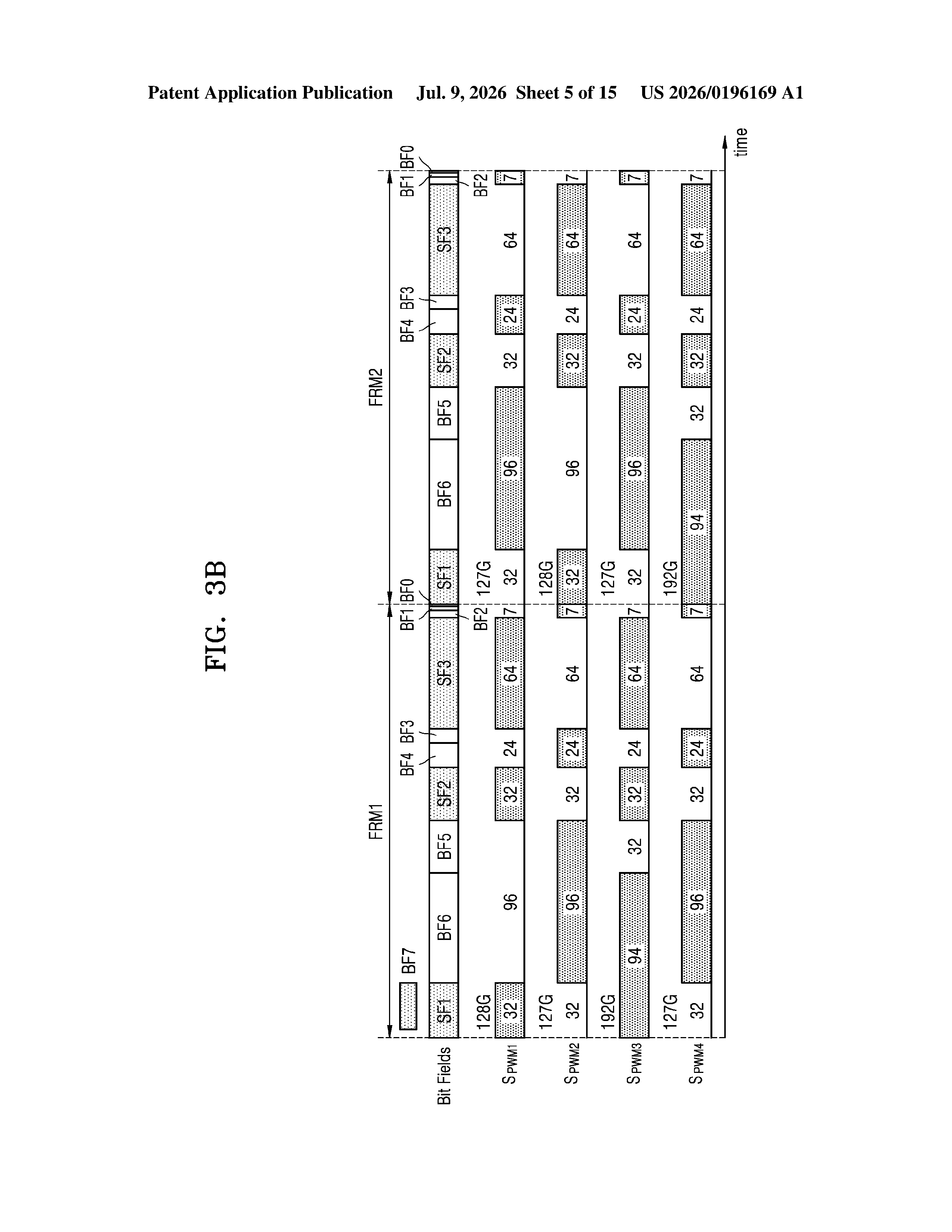
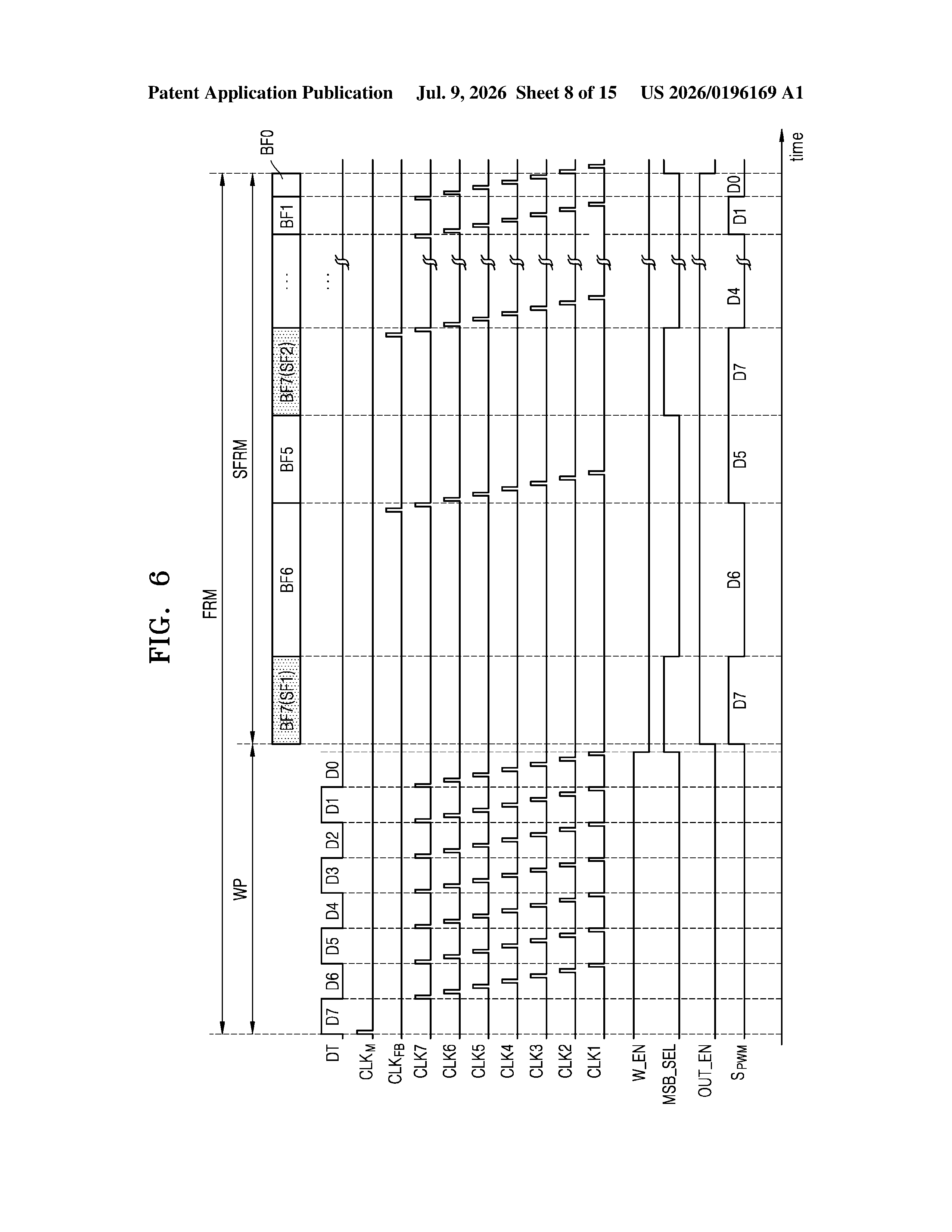
Samsung's patent describes a new way to build the tiny circuit inside each individual pixel that handles this switching. Instead of dumping all the brightness information in one go, the circuit can spread out the most important part of the brightness signal (the "most significant bit") across the display's refresh window. Think of it like spreading a heavy weight evenly across a floor rather than dropping it all in one spot.
The goal is a more even, stable light output from each pixel, which should translate to a display that's easier on your eyes, especially at lower brightness settings where flicker tends to be most noticeable.
Inside the PWM bit-distribution circuit
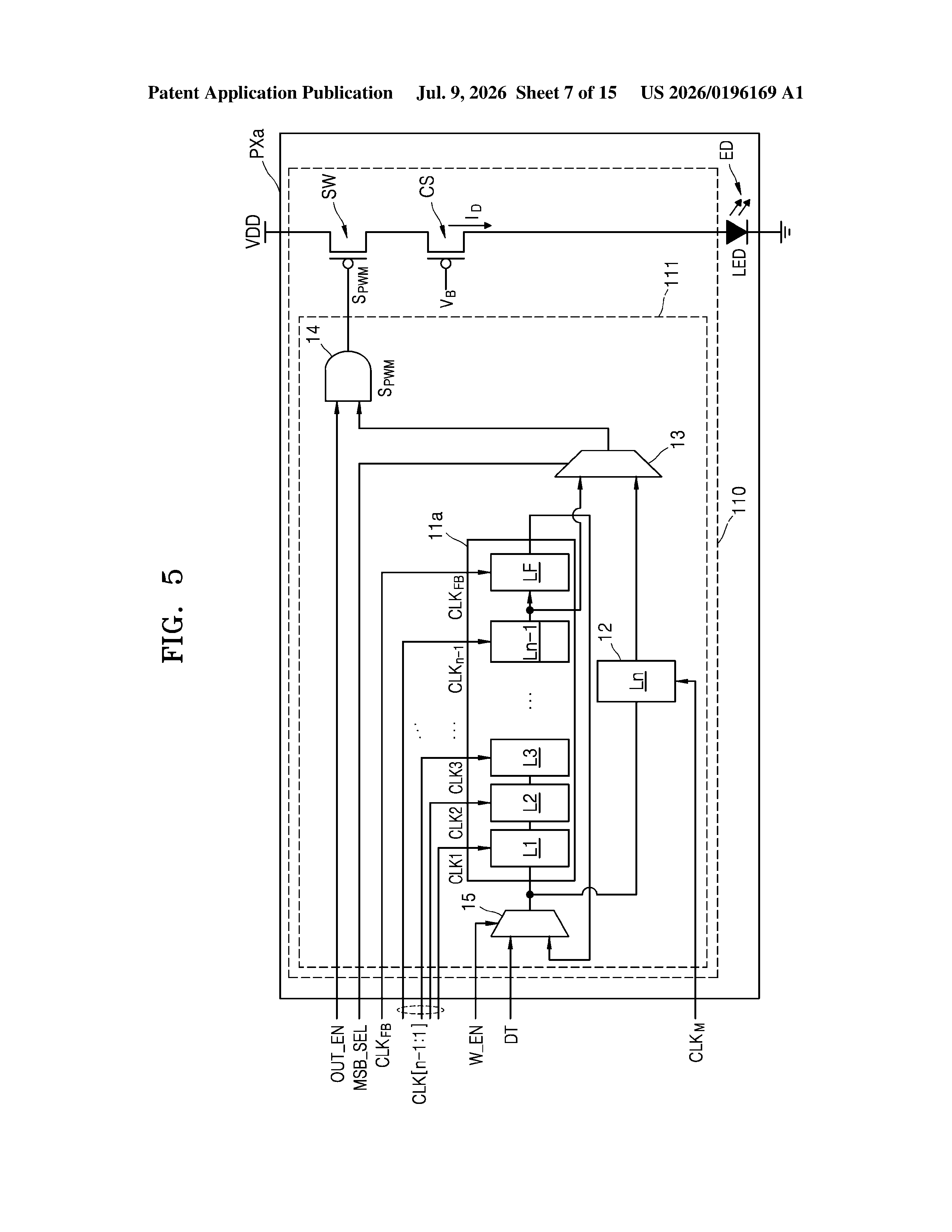
The patent centers on a redesigned PWM (pulse width modulation) circuit built directly into each pixel of a display panel. PWM is how screens control how bright each pixel appears: the light pulses on and off rapidly, and the ratio of on-time to off-time determines perceived brightness.
Pixel data arrives as a series of binary bits, and the most important of those is called the most significant bit (MSB), it carries the largest share of the brightness value. In conventional designs, the MSB's contribution gets concentrated in one chunk of the refresh cycle, which can create uneven light output and perceptible flicker.
The new circuit contains three key components:
- A storage device that holds and outputs the MSB separately from the rest of the data.
- A serial shift circuit that handles the lower-significance bits, outputting them in sequence.
- An output selection circuit that decides, moment to moment, whether to send the MSB or a lower bit as the actual PWM signal driving the pixel's light emitter.
By routing the MSB through a dedicated path and using the selection circuit to distribute (split and scatter) it across the PWM period rather than delivering it as one unbroken block, the pixel achieves a smoother, more uniform light output over each frame.
What this means for your next Samsung display
Flicker at low brightness levels is a well-documented complaint about OLED screens, and it's particularly bothersome for people who are sensitive to it. Regulatory bodies in Europe and South Korea have already started flagging PWM flicker as a potential eye-health concern, which means display makers are under real pressure to address it at the hardware level.
Because this fix lives inside the pixel circuit itself, it doesn't require software tricks or external processing, your display would handle it automatically, regardless of what content you're watching. For Samsung, which makes panels for its own Galaxy devices as well as screens sold to other manufacturers, a low-flicker pixel design could become a meaningful differentiator in an increasingly spec-conscious premium display market.
This is unglamorous but genuinely useful display engineering. The move to fix flicker at the pixel-circuit level rather than papering over it with software is the right approach, and Samsung filing this now aligns with growing industry and regulatory pressure around PWM flicker standards. It won't make headlines at a product launch, but it's the kind of foundational work that separates good screens from great ones.
Get our take in your Top Stories
Liked this breakdown? Add Patentlyze as a preferred source on Google, and our plain-English take shows up more often in your Top Stories the next time Samsung patent news breaks.
There are more where this came from
We read every patent application Big Tech publishes and send you the ones worth knowing. Plain English, free, every week.
The drawings
15 drawing sheets from US 2026/0196169 A1 · click any drawing to enlarge
Want this weekly breakdown for a company we don't cover? Patentlyze Pro →