
Samsung Patents Storage That Decides How to Shrink Files on Its Own
Your SSD is constantly making judgment calls about which data to squeeze together, and those calls have a big effect on speed and longevity. Samsung wants to make that decision-making a lot smarter by letting the storage system weigh two different strategies at once and pick the right one for each situation.
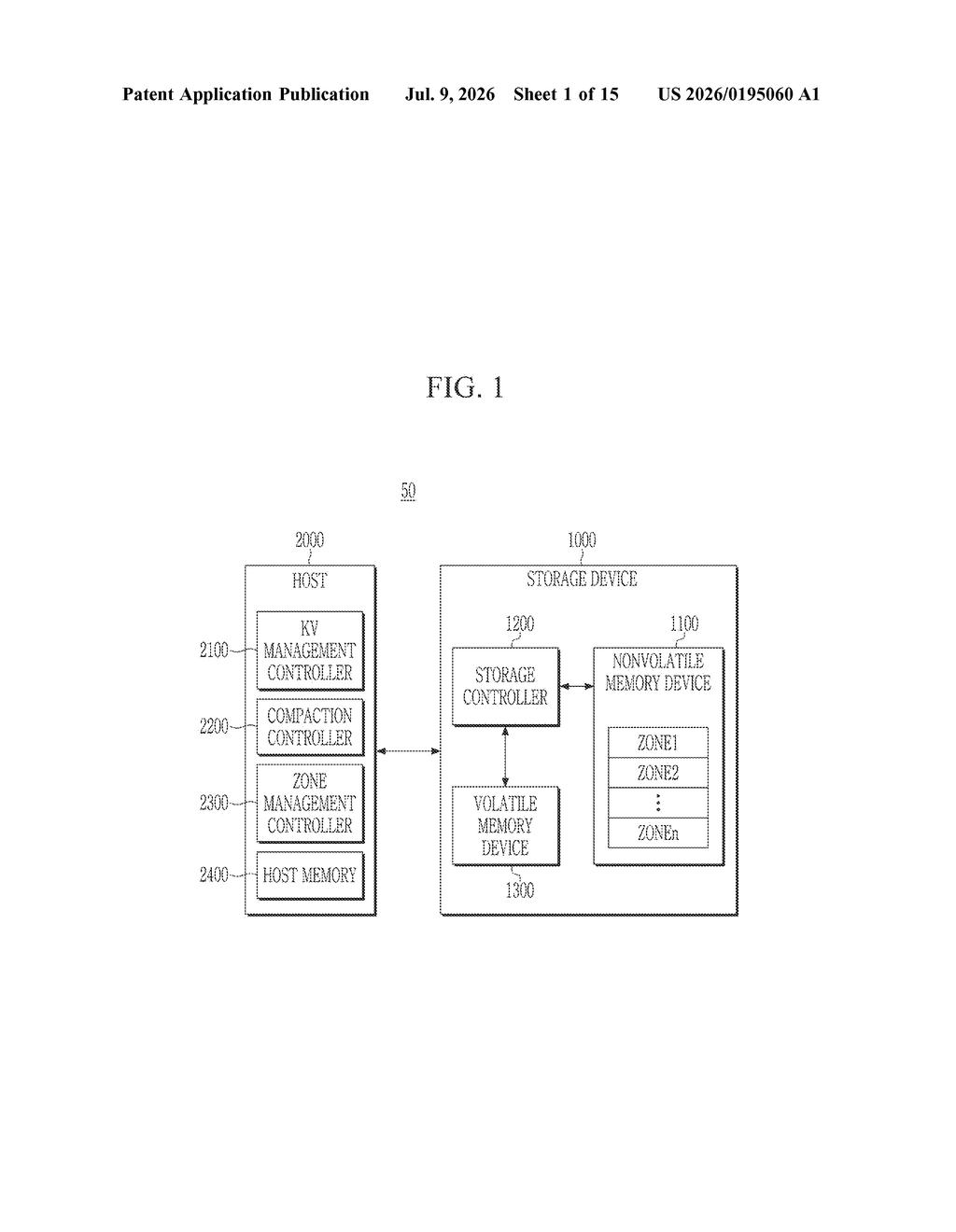
What Samsung's adaptive SSD compression actually does
Imagine a warehouse where workers are constantly reorganizing boxes. Some boxes share items, and periodically you need to merge those overlapping boxes to save space. The trick is knowing which boxes to merge first and how to do it without slowing everything down.
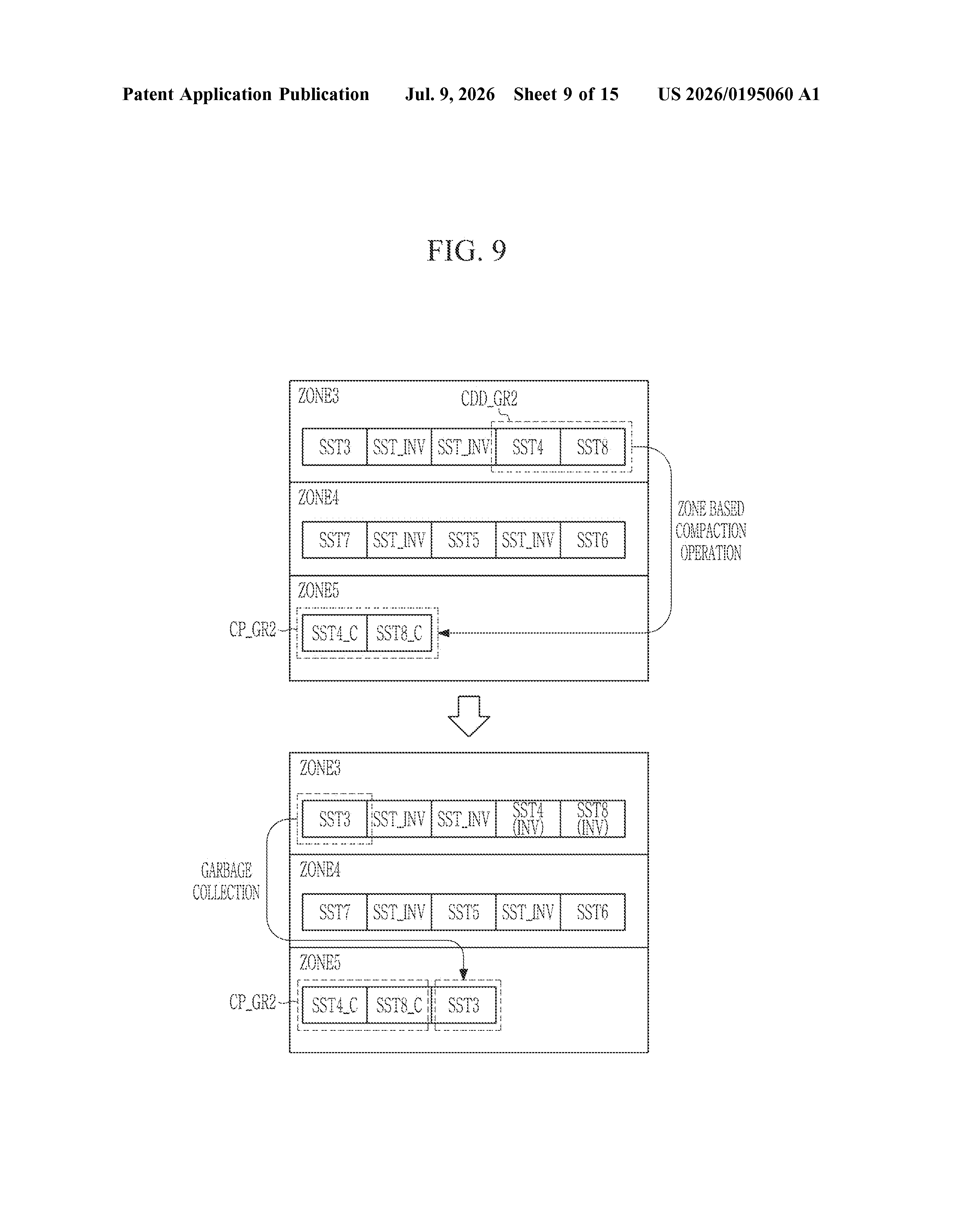
That's essentially what happens inside a modern solid-state drive (SSD). Data is stored in chunks called sorted string tables, and over time those chunks overlap, wasting space and slowing reads. The drive has to periodically merge and compress them, a process called compaction. The question is: which chunks get merged, and by what rule?
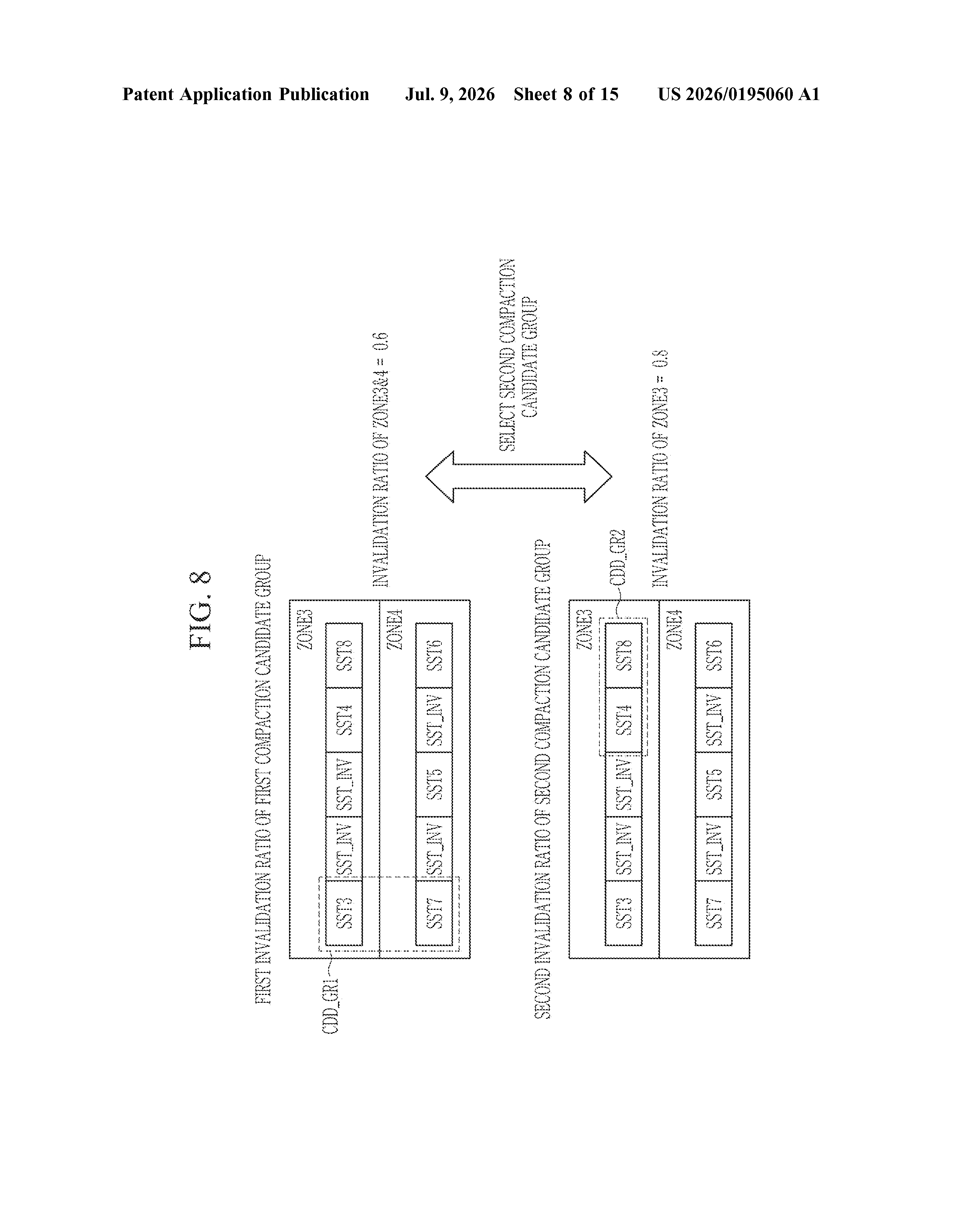
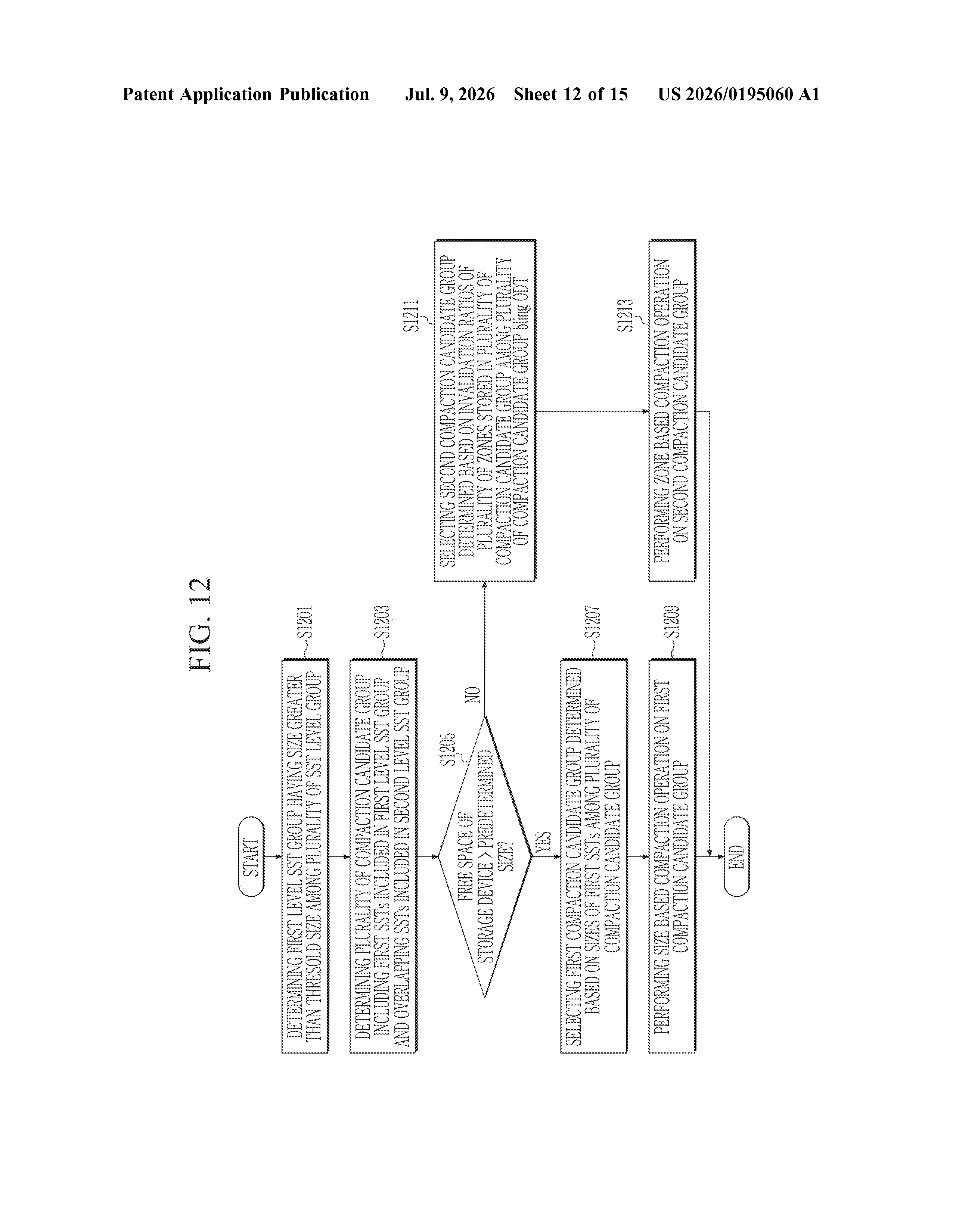
Samsung's patent describes a system where the host computer looks at two things simultaneously: how much wasted space exists in a given storage zone, and how large the overlapping data chunks are. It then chooses between two compression strategies, one focused on clearing out wasted zones and one focused on the size of the files involved, depending on what the drive actually needs at that moment.
How the host chooses between zone-based and size-based compression
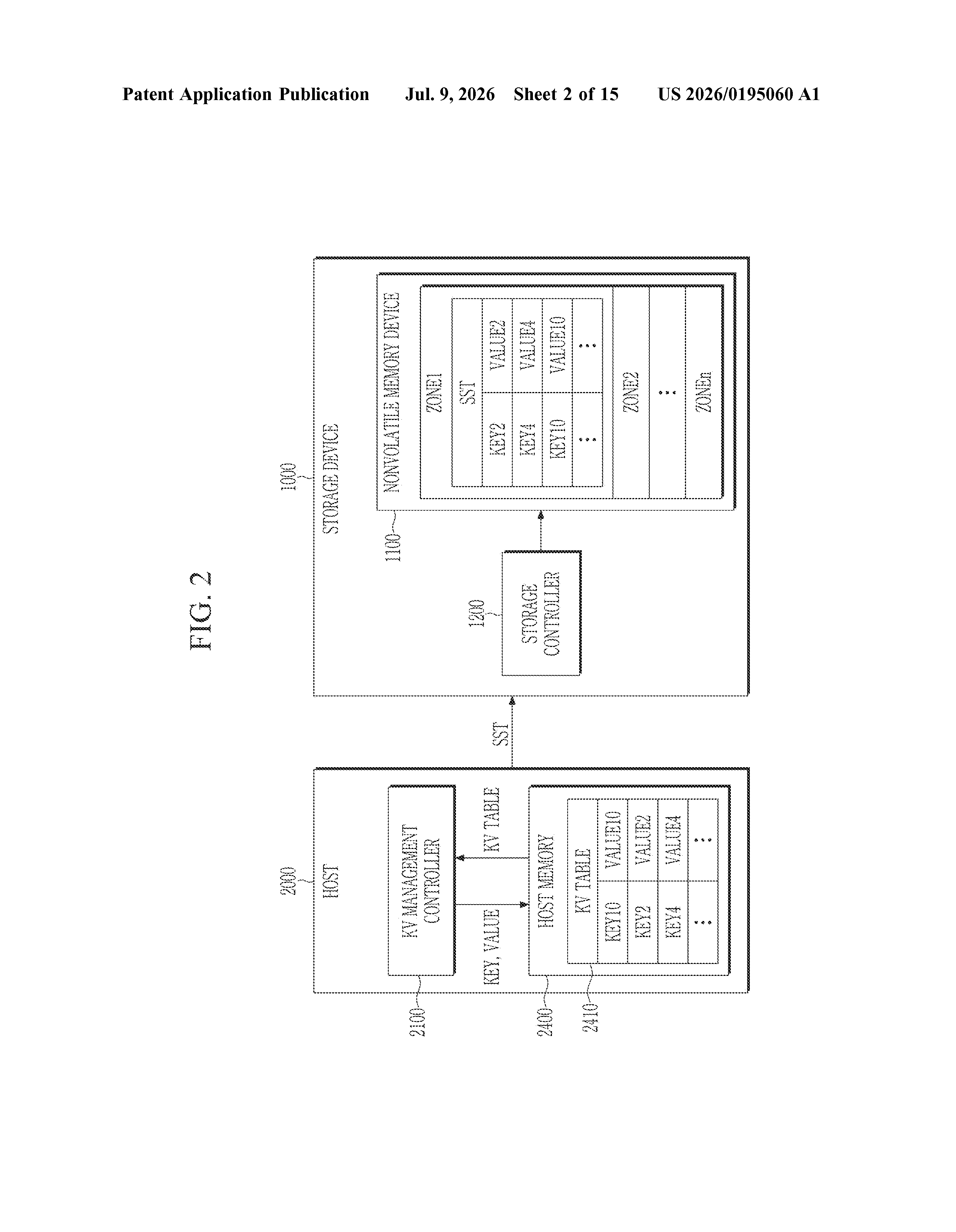
The patent describes an electronic system made up of a storage device (a zoned SSD) and a host (the computer or controller managing it). Data is organized into sorted string tables (SSTs), which are files used by key-value databases and storage engines like RocksDB. When multiple SSTs contain overlapping keys (the same data address), they need to be merged to avoid confusion and reclaim space.
The host identifies two groups of overlapping SSTs at once. For each group, it evaluates two criteria:
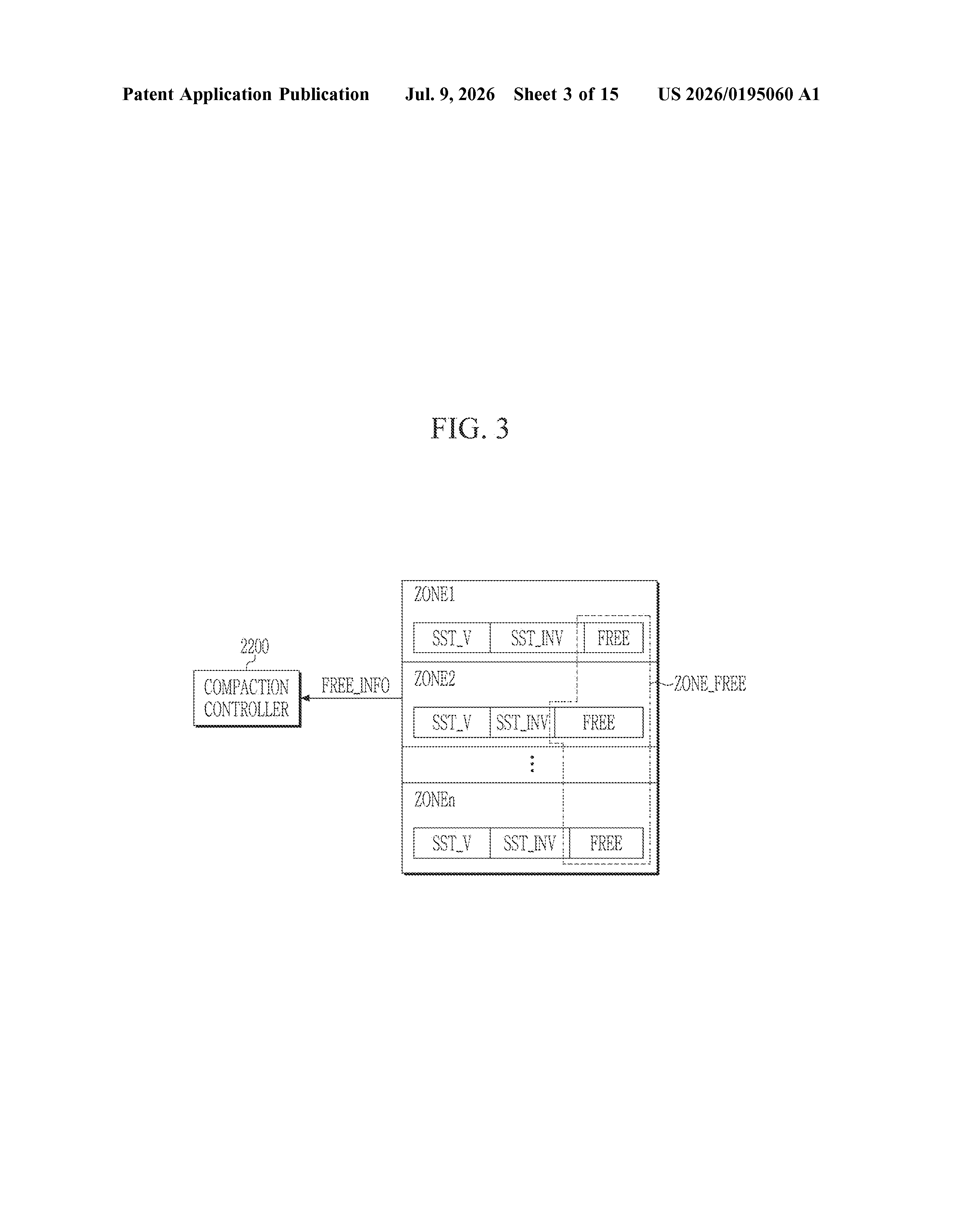
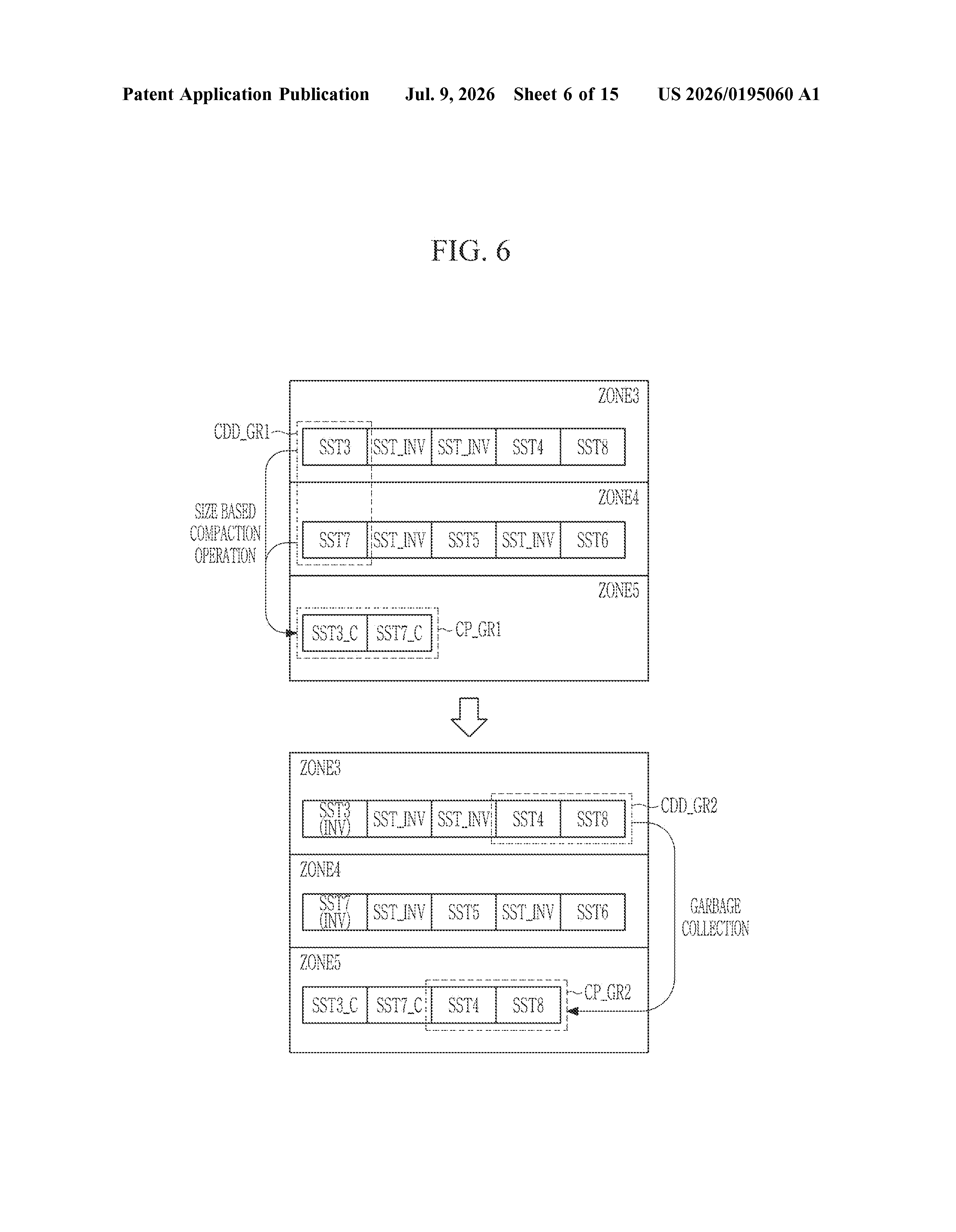
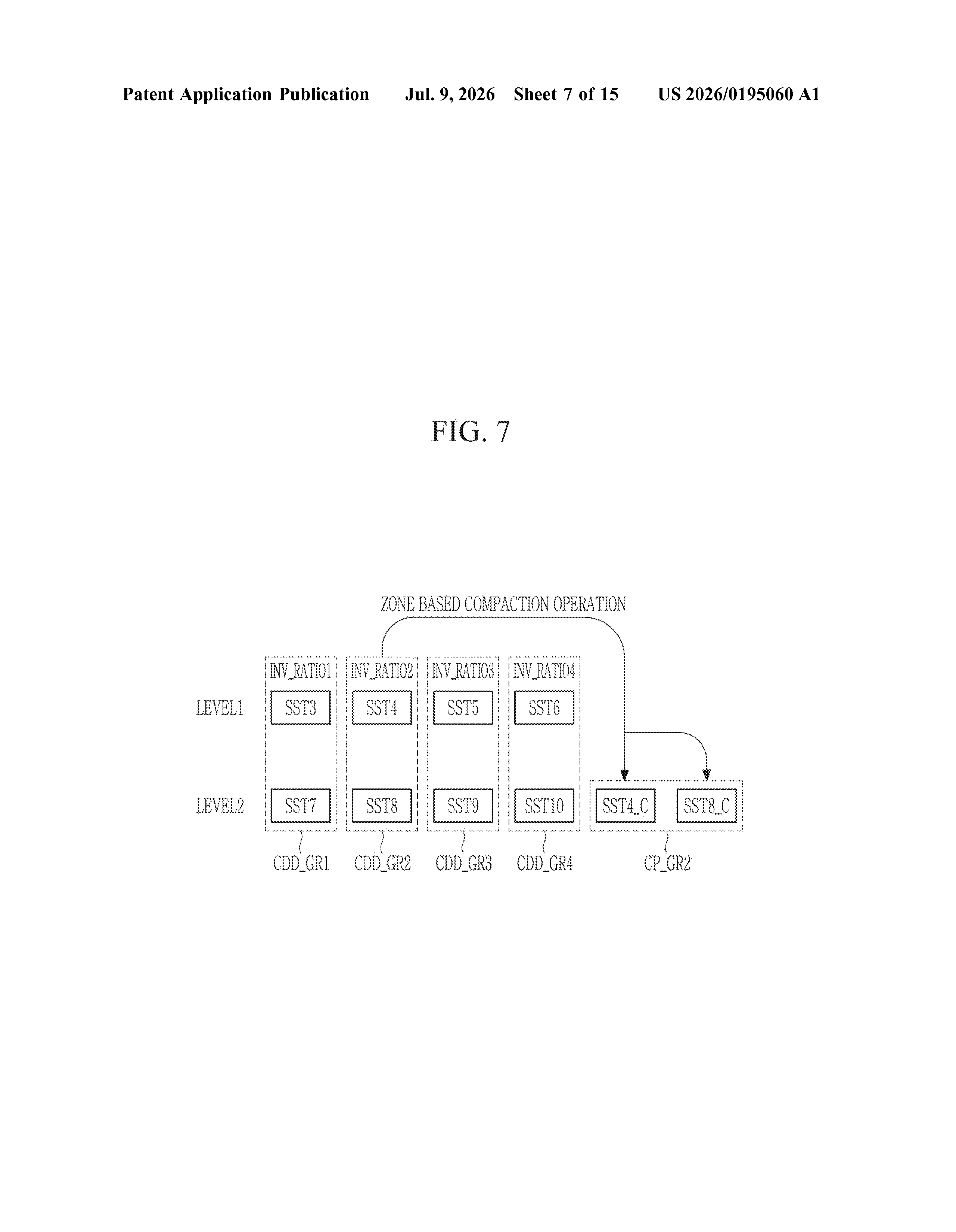
- Invalidation rate: how much of a storage zone is occupied by data that's been overwritten and is no longer useful. Higher invalidation means more wasted physical space.
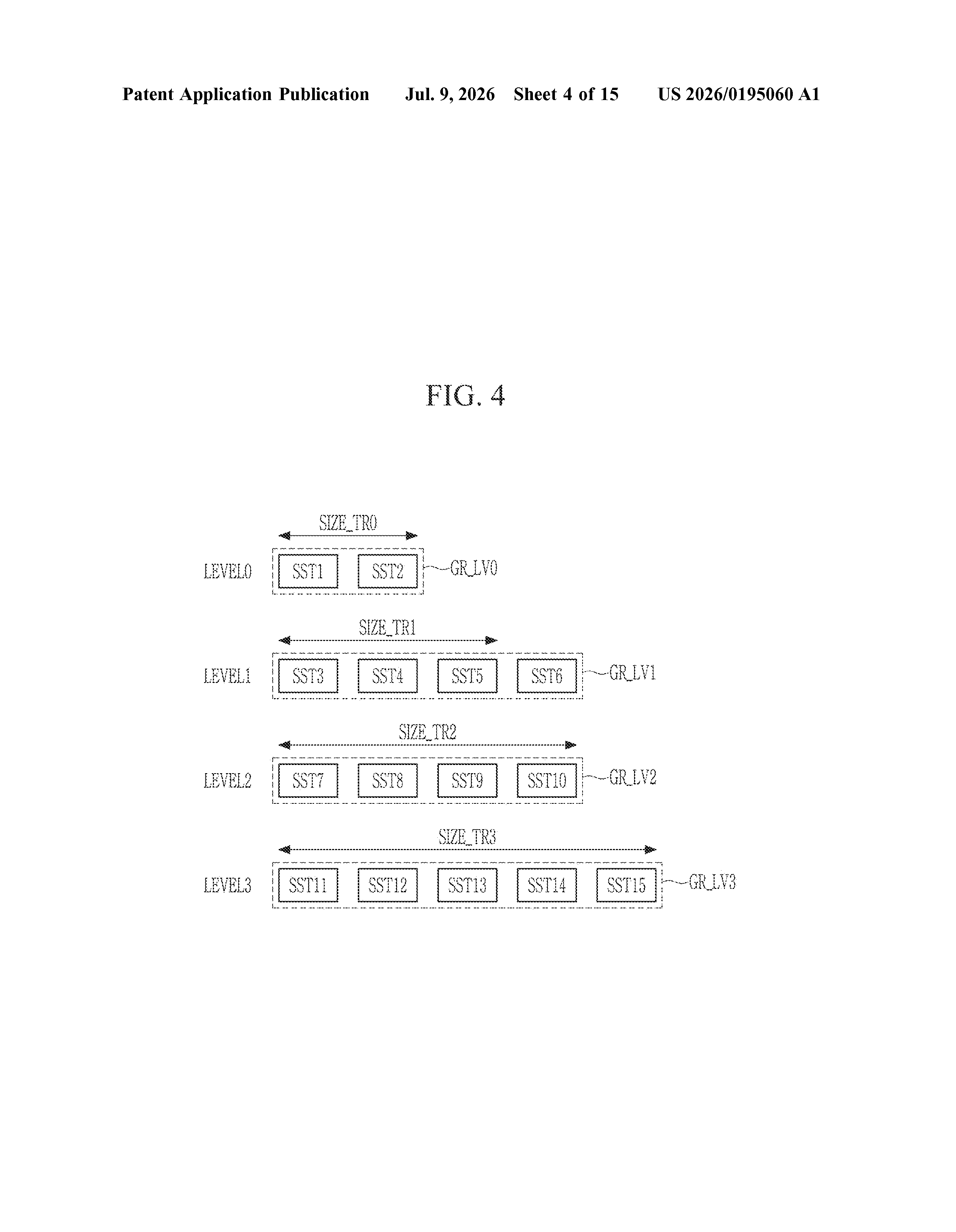
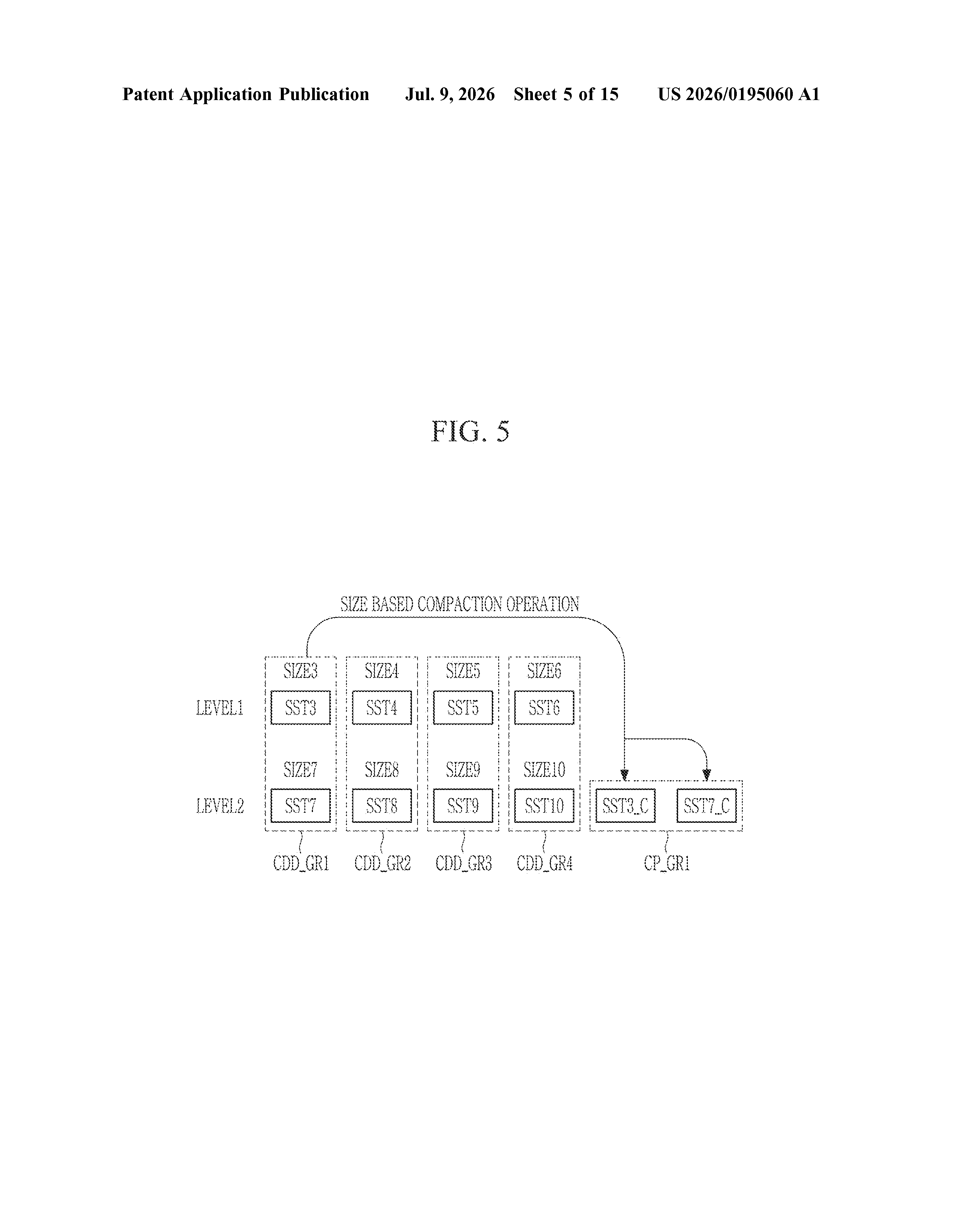
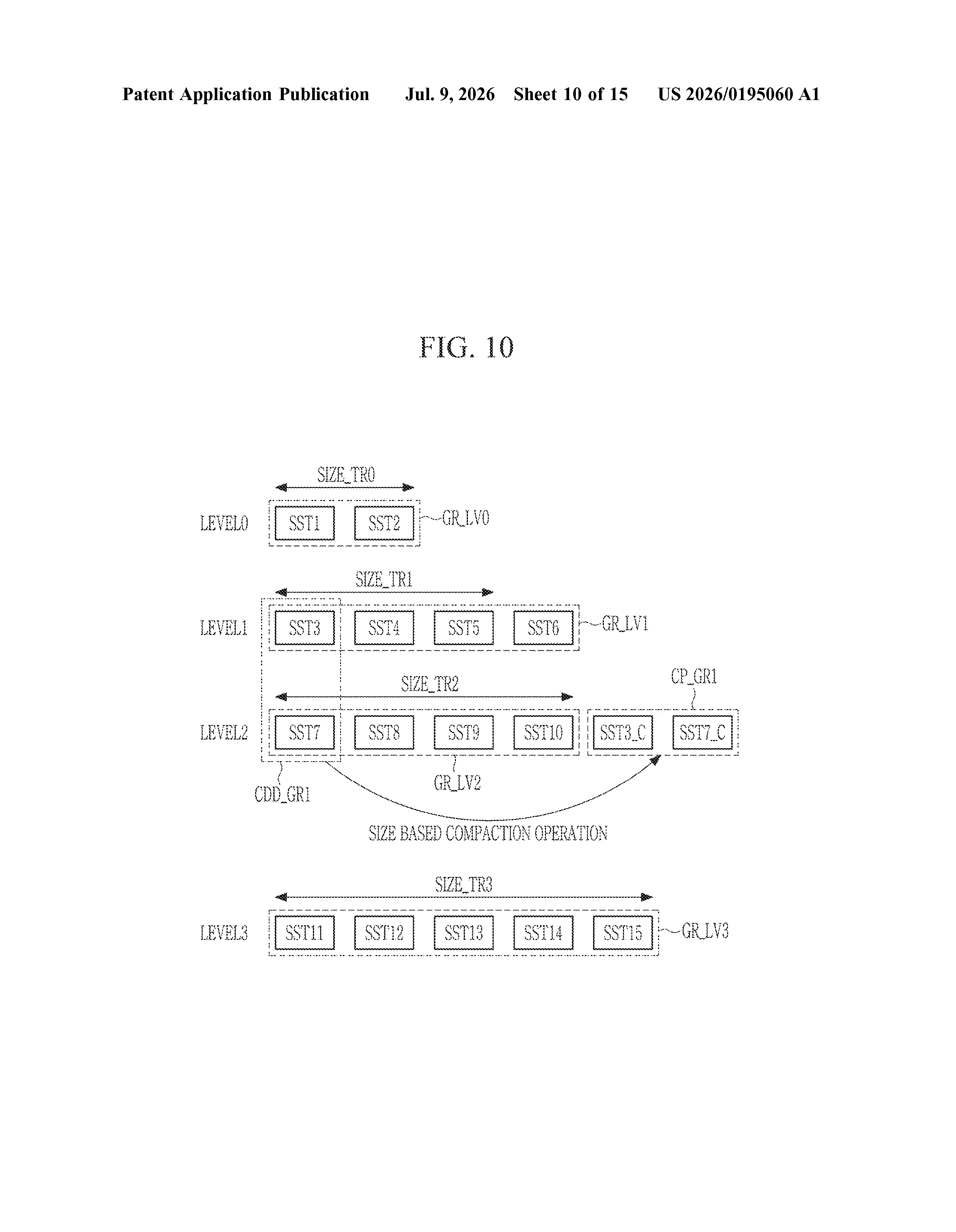
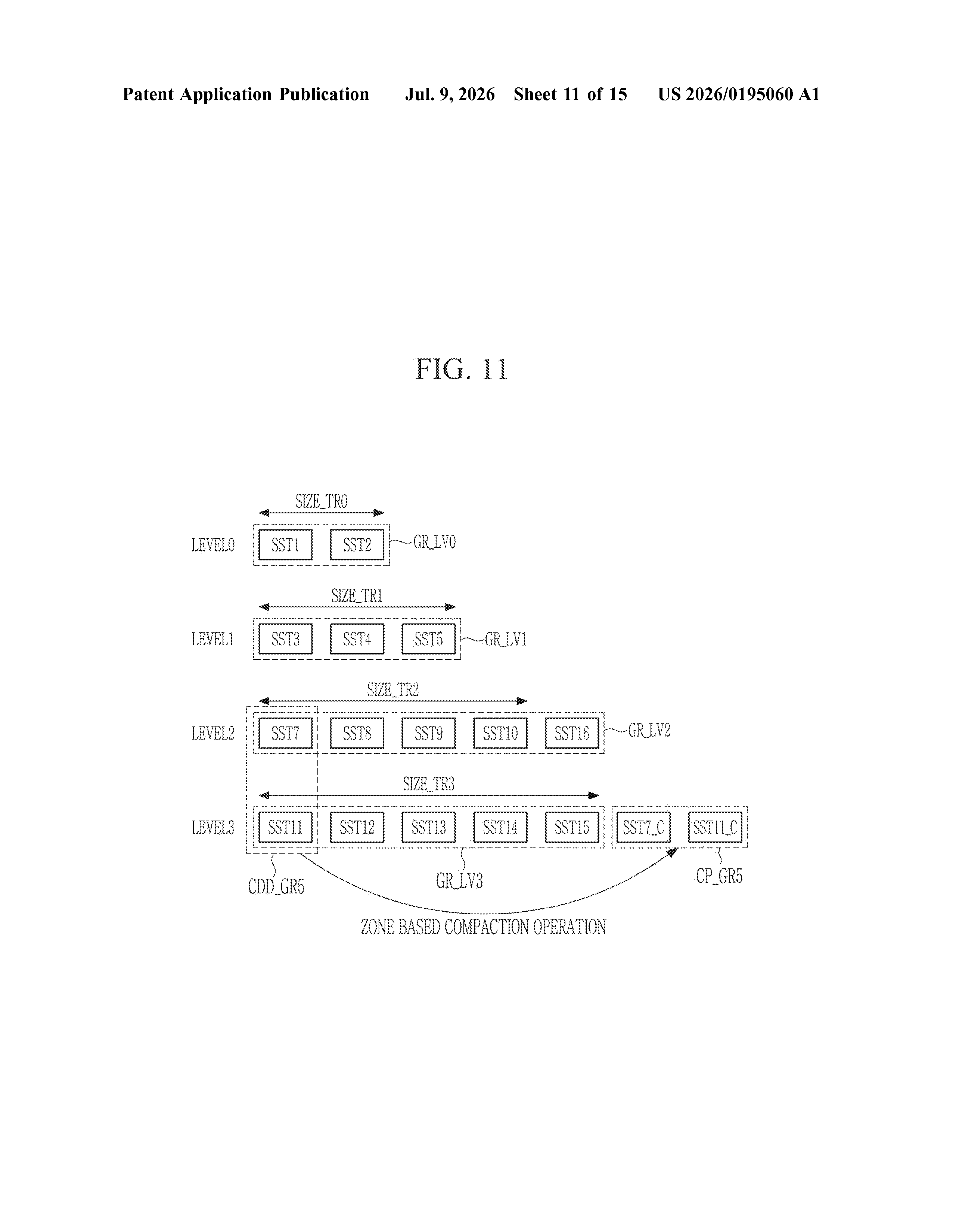
- SST size: how large the individual sorted string tables are. Smaller tables can be a sign of fragmentation; larger ones may be more efficient to merge differently.
Based on those two readings and the overall free space left on the device, the system picks between a zone-based compression (prioritizing which physical zone to clean up first) or a size-based compression (prioritizing which SST files to tackle based on their byte count). The idea is that neither strategy is universally best, so the system applies each where it fits.
What this means for SSD performance and lifespan
For anyone running database workloads on NVMe SSDs, compaction is one of the biggest performance headaches. When the compression strategy is too aggressive, it consumes bandwidth and slows reads. When it's too passive, the drive fills up with stale data and slows down anyway. A system that can pick the right approach in real time could mean more consistent throughput and better drive endurance over time.
This is squarely aimed at data center and enterprise storage scenarios rather than the SSD in your laptop. But as zoned storage devices (a newer SSD design that trades flexibility for better performance) become more common in cloud infrastructure, the ability to manage compaction efficiently becomes a meaningful competitive advantage for storage chip makers like Samsung.
This is unglamorous but genuinely useful infrastructure work. Compaction tuning is a real pain point for anyone running RocksDB or similar storage engines at scale, and automating the strategy selection is a reasonable step forward. It won't make headlines, but it's the kind of patent that ends up in Samsung's enterprise SSD firmware within a product cycle or two.
Get our take in your Top Stories
Liked this breakdown? Add Patentlyze as a preferred source on Google, and our plain-English take shows up more often in your Top Stories the next time Samsung patent news breaks.
There are more where this came from
We read every patent application Big Tech publishes and send you the ones worth knowing. Plain English, free, every week.
The drawings
15 drawing sheets from US 2026/0195060 A1 · click any drawing to enlarge
Show the other 7 sheets
Want this weekly breakdown for a company we don't cover? Patentlyze Pro →