
Google Patent Filing Adds Adjustable Realism Controls to Image Compression Technology
When you compress an image heavily, you lose detail permanently. Google is patenting a system that keeps that decision flexible, letting the same compressed file produce different versions of an image depending on how much detail you want the AI to recreate.
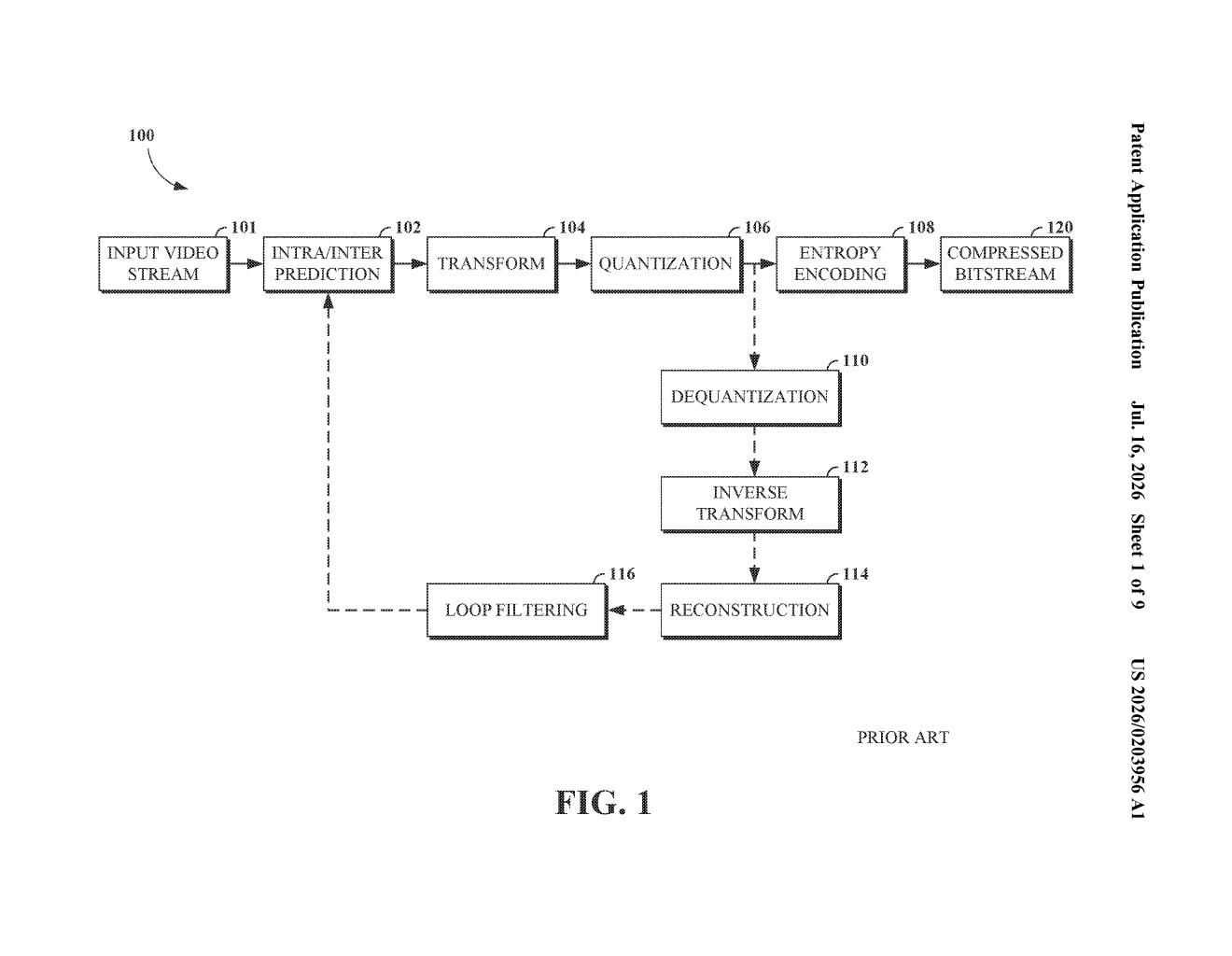
What Google's adjustable-realism image compression actually does
Imagine you take a photo and send it across a slow internet connection. To make the file small enough to transmit quickly, a lot of visual detail gets thrown away. When the image arrives and your device tries to display it, that missing information is just... gone. The result can look blurry or blocky.
Google's patent describes a system where the compressed file gets decoded with an adjustable dial called a realism factor. Turn it up, and an AI fills in fine details, textures, and sharpness that were stripped out during compression. Turn it down, and you get a more conservative reconstruction that only shows what was actually in the original file.
The same compressed file can produce different-looking images depending on what you need. A website might display a quick, lower-detail preview first, then decode a richer version once it knows you're actually looking at it. You get control over the tradeoff between faithfulness to the original and how good the image looks.
How the decoder uses a realism factor to fill in missing detail
The system has two main parts: an encoder (which compresses the image into a compact mathematical form called a latent representation, essentially a compressed numerical fingerprint of the image) and a decoder (which reconstructs a viewable image from that fingerprint).
The twist is that the decoder is a conditional generator, meaning it takes an extra input alongside the compressed data: the realism factor. This is a value on a spectrum, from low (reconstruct only what the compressed data explicitly contains) to high (let the AI synthesize plausible-looking detail beyond what was stored).
At high realism settings, the decoder behaves like an AI image generator that knows the rough shape of the original photo and fills in convincing textures and details. At low settings, it behaves like a traditional decompressor. A single compressed bitstream can produce multiple valid outputs depending on the realism setting chosen at decode time.
This is different from current standards like JPEG or HEIC, where the compression level is fixed at the moment you save the file. Here, the receiver, not the sender, controls how much AI synthesis happens.
What this means for photos on slow connections and AI image pipelines
For everyday users, this could change how photos load on slow connections. Instead of a blurry placeholder that never gets better, a future browser or app could decode the same compressed image progressively, adding AI-synthesized sharpness once bandwidth allows. The photographer or platform, not just the original sender, would have a say in the final look.
For Google specifically, this fits squarely into its work on AI-driven media pipelines across Search, Photos, YouTube, and Chrome. The patent also raises an interesting question worth tracking: when AI synthesizes detail that wasn't in the original photo, is the resulting image still a faithful record? That line between compression and generation is exactly what this system deliberately blurs.
This is a genuinely interesting idea sitting at the boundary between compression and AI image generation, and Google is well-positioned to deploy it given its control over Chrome, Android, and major image-serving infrastructure. The philosophical question it raises, whether a reconstructed image with synthesized content is still a 'compressed' version of reality, is one the industry will have to reckon with as these systems become mainstream.
Which company should we read for you?
We track 17 companies here. Pro is the same weekly breakdown for any company you choose, delivered privately. Type a name and we'll scope it and send you a quote.
Get one Big Tech patent every Sunday
Plain English, intelligent commentary, no hype. Free.
Editorial commentary on a publicly published patent application. Not legal advice.