
Intel Patents Technology That Helps Computers Identify and Isolate Objects in Photos
Intel has patented a way to make AI image-selection tools more accurate by analyzing a photo at two levels at once, one that looks at broad regions and one that looks at fine details inside each region.
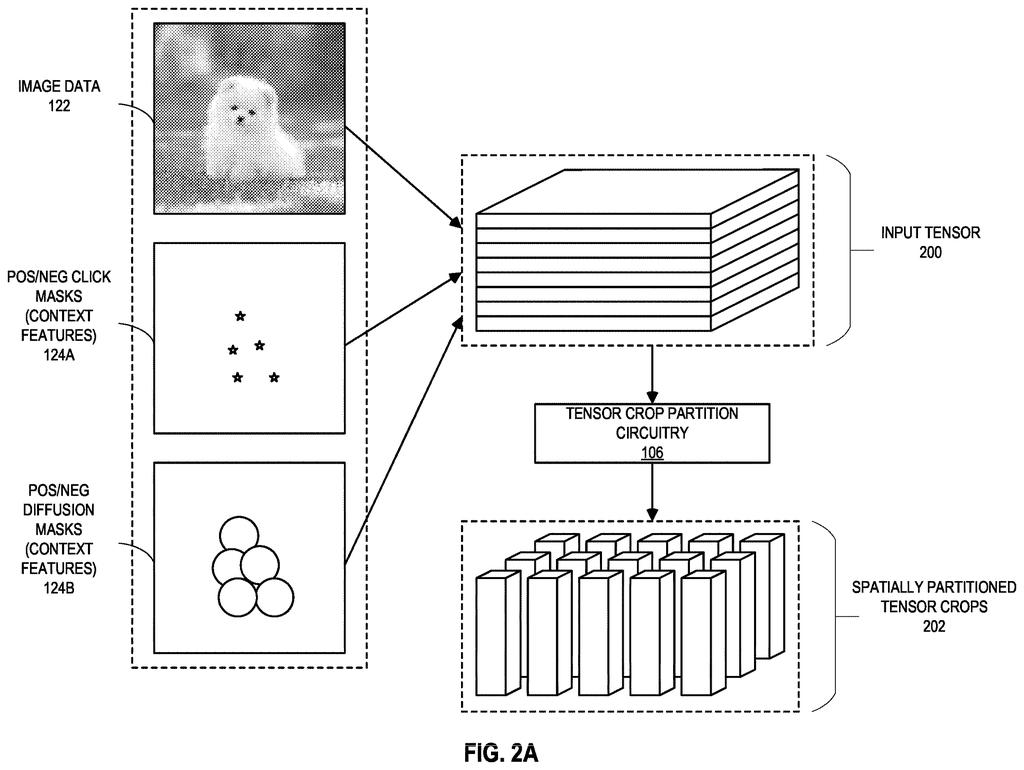
What Intel's dual-attention image segmentation actually does
Imagine you're using a photo editor and you click on a person to select them. The AI has to figure out exactly which pixels belong to that person and which belong to the background. That's called image segmentation, and getting the edges right is genuinely hard.
Intel's patent describes a system that approaches this problem from two angles at the same time. It breaks the image into chunks, then runs one layer of analysis asking how those chunks relate to each other, and a second layer asking what's happening within each individual chunk. The idea is that combining both views gives the AI a fuller picture before it draws a selection boundary.
The practical payoff would be cleaner, more precise selections in tools like photo editors or video compositing software, with less manual cleanup from you after the fact.
How the two attention layers analyze image crops
The patent describes a dual-attention vision transformer for interactive image segmentation. Vision transformers (a type of AI architecture that treats an image as a grid of patches rather than raw pixels) have become a popular backbone for image-understanding tasks, but they can struggle to capture both global structure and fine local detail at the same time.
Intel's approach splits the attention mechanism into two complementary passes:
- Inter-attention: measures relationships between the image crops (patches). This tells the model how different regions of the image relate to one another, capturing context like "the area to the left of the subject is background."
- Intra-attention: measures relationships within a single crop, across its internal layers. This captures fine-grained texture and edge detail inside each patch.
Both representations are assembled from an input tensor (essentially a structured numerical snapshot of the image data). The combined dual-attention tensor is then used to drive the segmentation decision, meaning which pixels get labeled as foreground versus background when a user clicks on an object.
The goal is more accurate object outlines with less back-and-forth interaction from the user.
What this means for AI photo editing and object selection
For everyday users, better segmentation means photo and video tools that select objects cleanly on the first try, rather than leaving ragged edges you have to fix by hand. Applications range from background removal in video calls to product cutouts in e-commerce photography.
For Intel, this is a play to position its hardware and software stack as a credible AI inference platform. Running vision transformer models efficiently on-device is a key selling point for Intel's current processor lineup, and patents like this one signal investment in the AI workloads those chips are meant to run.
This is a solid but fairly narrow computer-vision patent aimed at a well-established problem. The dual-attention framing is a genuine architectural idea, not just incremental tuning, but this space is crowded with similar research from Google, Meta, and academic labs. The canceled independent claims listed in the filing also raise a flag about how much of the original scope survived prosecution.
There are more where this came from
We read every patent application Big Tech publishes and send you the ones worth knowing. Plain English, free, every week.
The drawings
12 drawing sheets from US 2026/0220735 A1 · click any drawing to enlarge


Want this weekly breakdown for a company we don't cover? Patentlyze Pro →
Be the first to weigh in