
Samsung Display Patents a Vertical Side-Wall Transistor Architecture for Next-Gen Screens
Samsung Display is rethinking where the transistor lives inside a pixel — instead of lying flat on the substrate, it wraps around the vertical wall of a raised 'bank' structure. It's a subtle geometry shift with potentially big consequences for display density.
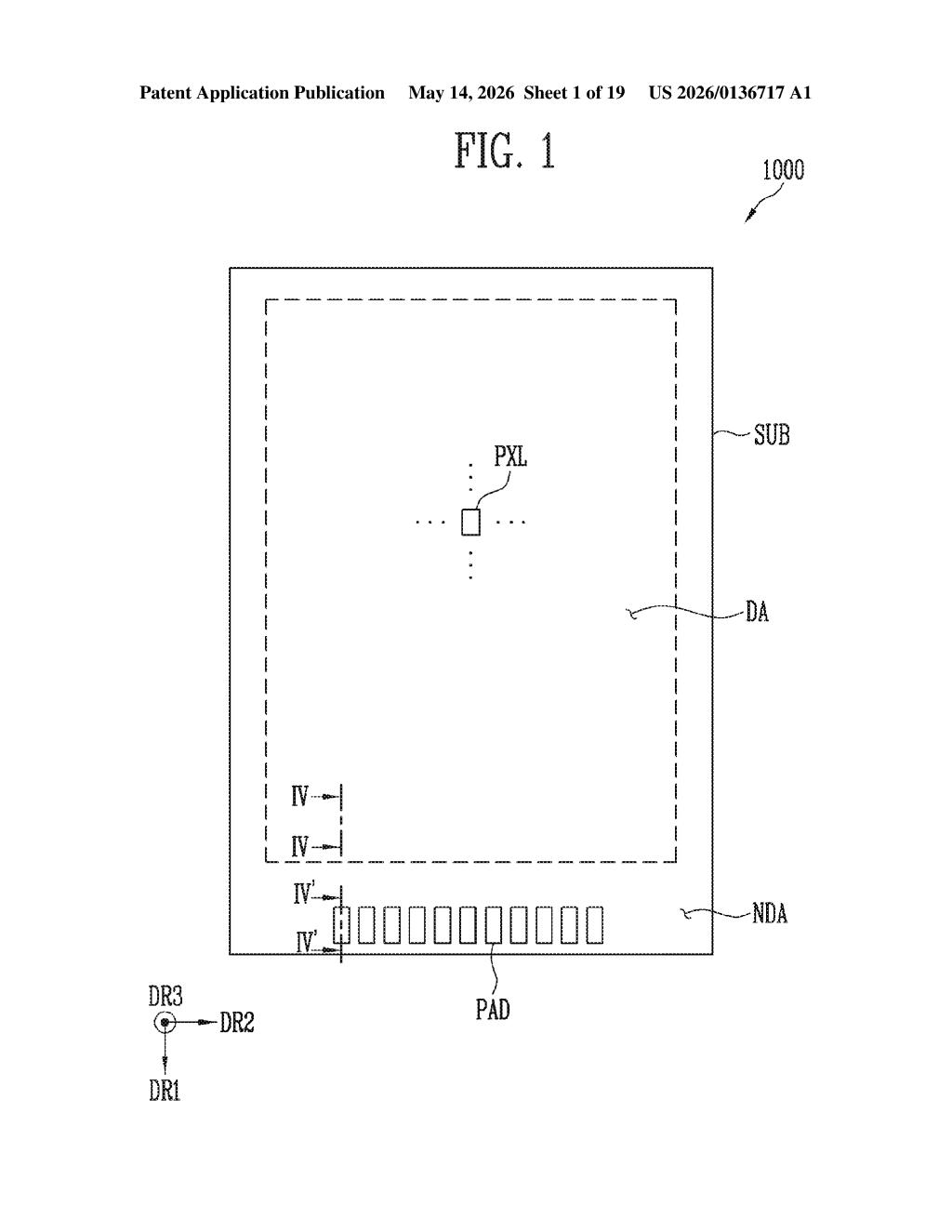
What Samsung's side-wall transistor display actually does
Imagine the guts of your TV or phone screen. Every pixel is controlled by a tiny transistor — a switch that turns the light on and off. Normally those transistors are laid out flat, like roads on a map. The problem is that flat transistors take up precious horizontal space, which limits how tightly you can pack pixels together.
Samsung Display's patent describes a different approach: stand the transistor up. By building a raised ridge (called a bank pattern) on the substrate and wrapping the transistor's semiconductor material around its side wall, the switching element becomes vertical. That frees up more of the flat surface area for the actual light-emitting part of the pixel.
The patent also details how tiny light emitting elements — think micro-LEDs — are placed on top of this structure and connected with dedicated electrodes at each end. The manufacturing steps are carefully ordered so each layer lands in the right place without interfering with the others.
How the bank pattern builds a vertical transistor channel
The core innovation is a vertical-channel thin-film transistor formed on the side surface of a raised bank pattern rather than on a flat horizontal plane. Here's how the stack builds up:
- First and second conductors are deposited on the substrate — these become the source and drain electrodes that carry current into and out of the transistor.
- A bank pattern (a physical ridge of insulating material) is formed between them, so the two conductors sit on either side of the ridge in the thickness direction — essentially top and bottom of the wall.
- A semiconductor pattern is then deposited on the side surface of that ridge, bridging the two conductors. This sidewall channel is where the transistor actually switches current.
- A gate insulating layer and a gate electrode (the third conductor) are wrapped around the semiconductor to complete the transistor structure — the gate voltage controls whether current flows through the side-wall channel.
Once the transistor stack is complete, a light emitting element (such as a micro-LED or nano-rod LED) is aligned on top of an insulating layer and contacted at both ends by dedicated pixel electrodes. The two-electrode contact scheme suggests the LEDs are bipolar devices that need a controlled current path through their full length.
What this means for micro-LED and high-density displays
Packing more pixels into a given area — whether for a high-resolution phone display, a tiny AR microdisplay, or a large-format TV — requires shrinking the non-light-emitting circuitry. By rotating the transistor channel from horizontal to vertical, Samsung Display's approach could allow the active switching area to occupy height rather than width, leaving more of the pixel's footprint available for the light emitter itself. That's a meaningful aperture-ratio improvement.
This patent is a divisional of a 2022 filing (which issued as US 12,520,630), meaning the core idea has already cleared examination once. The manufacturing method claim here extends that granted patent's coverage to the process side. For Samsung's micro-LED and QD-OLED roadmap, this kind of transistor geometry work is the unsexy backbone that makes future display generations possible.
This is deep-in-the-stack semiconductor process work — not the kind of thing you'll see in a product announcement, but exactly the kind of incremental architecture patent that separates display makers who can scale micro-LED yields from those who can't. The vertical transistor geometry is a real and well-studied approach to improving pixel aperture ratio, and Samsung Display filing a manufacturing-method divisional signals they're serious about protecting the process, not just the device structure.
There are more where this came from
We read every patent application Big Tech publishes and send you the ones worth knowing. Plain English, free, every week.
Want this weekly breakdown for a company we don't cover? Patentlyze Pro →