
Apple Patent: Teaching Your Face or Finger to Log In Faster
Setting up Face ID can feel like a guessing game when something goes wrong. Apple is patenting a system that cuts through the confusion by deciding which problem to tell you about first.
What Apple's enrollment error-priority system actually does
Imagine you're setting up Face ID on a new iPhone and two things go wrong at once: your face is too far away and the room is too dark. Your phone currently might try to tell you both things at once, or pick one at random. That's not great.
Apple is working on a system that ranks those problems by importance and tells you about only the most critical one at a time. Fix that, and then it moves on to the next issue. The idea is that showing you a single clear instruction is far more useful than throwing a list of complaints at you all at once.
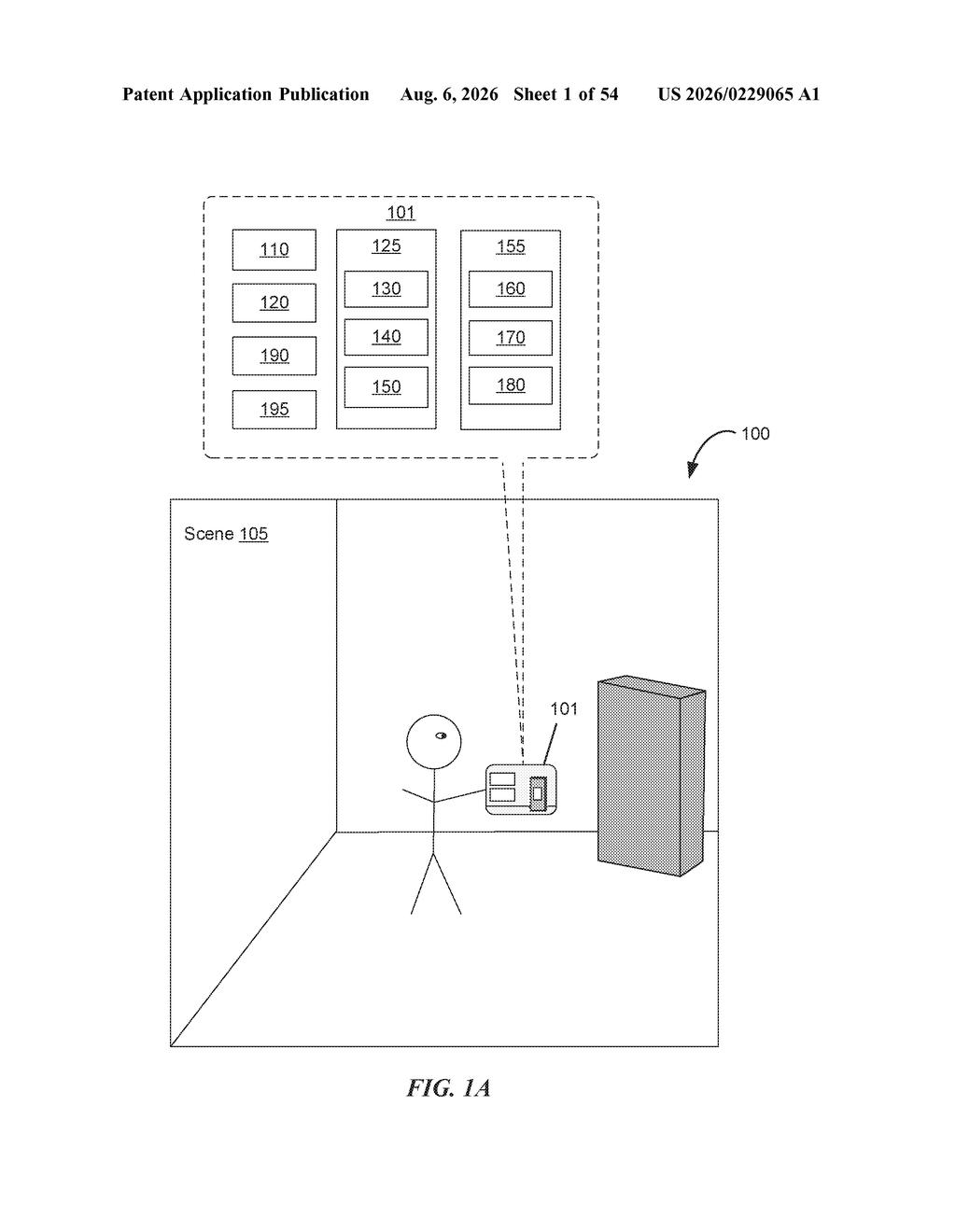
The patent covers the whole biometric enrollment experience, including a progress indicator so you know how close you are to finishing, a cropped video feed so you can see exactly what the camera sees, and layered on-screen guides that help you line yourself up correctly.
… outputting, via the set of one or more output devices, feedback to fix the first enrollment error condition without outputting feedback to fix the second enrollment error condition …
Translation: The system gives advice for only one error at a time so you do not get overwhelmed.
How the system ranks and filters setup errors in real time
The core of the patent is an error-priority system for biometric enrollment (the process of teaching your device what your face or fingerprint looks like).
When multiple problems occur at the same time during enrollment, the system assigns each error a priority level. It then outputs feedback for only the highest-priority error, suppressing guidance about lower-priority issues until the first one is resolved. For example, if your face is at the wrong angle (high priority) and the lighting is slightly dim (lower priority), the device focuses entirely on the angle problem first.
Beyond error handling, the patent also describes:
- A progress indicator that shows how far along the enrollment process you are
- A cropped video feed that shows a zoomed-in view of your face or finger so you can self-correct positioning
- Multiple overlapping alignment layers displayed on screen to help you line up correctly with the sensor
The system is designed to work across a range of output devices, meaning the feedback could come as on-screen text, audio cues, or haptic vibrations depending on what the device supports.
… an enrollment interface that includes a plurality of layers that provide alignment information …
Translation: The setup screen uses multiple visual layers to help you position your face or finger correctly.
What this means for Face ID and Touch ID setup experience
For most people, biometric setup is a one-time task they do when they get a new device and then forget about. But when it goes wrong, it can be genuinely frustrating, especially if you're not sure what you're doing incorrectly. A system that gives you one clear instruction at a time instead of multiple overlapping complaints is a real usability improvement, particularly for first-time iPhone users, older users, or people with accessibility needs.
Apple already leads the industry on biometric setup experience, but this patent suggests the company thinks there's still room to reduce setup friction. If this makes it into a shipping iOS or watchOS release, you'd likely see it touch Face ID, Touch ID, and potentially future biometric systems like iris or vein scanning.
This is a small but genuinely thoughtful UX patent. The error-priority idea is the kind of thing that sounds obvious in hindsight but clearly required deliberate engineering and design work to get right. It won't make headlines, but if it ships, it will make a real difference for the people who struggle most with device setup.
There are more where this came from
We read every patent application Big Tech publishes and send you the ones worth knowing. Plain English, free, every week.
The drawings
54 drawing sheets from US 2026/0229065 A1 · click any drawing to enlarge


Want this weekly breakdown for a company we don't cover? Patentlyze Pro →
Be the first to weigh in