
Samsung Patents a Two-Layer System for Grouping Faces Across Your Photo Library
Your phone's photo app already tries to group pictures by face, but it often splits one person into multiple folders. Samsung is filing a patent for a smarter approach that cross-checks two separate grouping engines to collapse those duplicates into one.
How Samsung's face-grouping patent works for your photos
Imagine your phone's gallery app creates a folder for 'Person A' from your vacation photos and a separate folder for the same person from your birthday photos, even though it's the same face. That kind of splitting is a common annoyance in photo apps today.
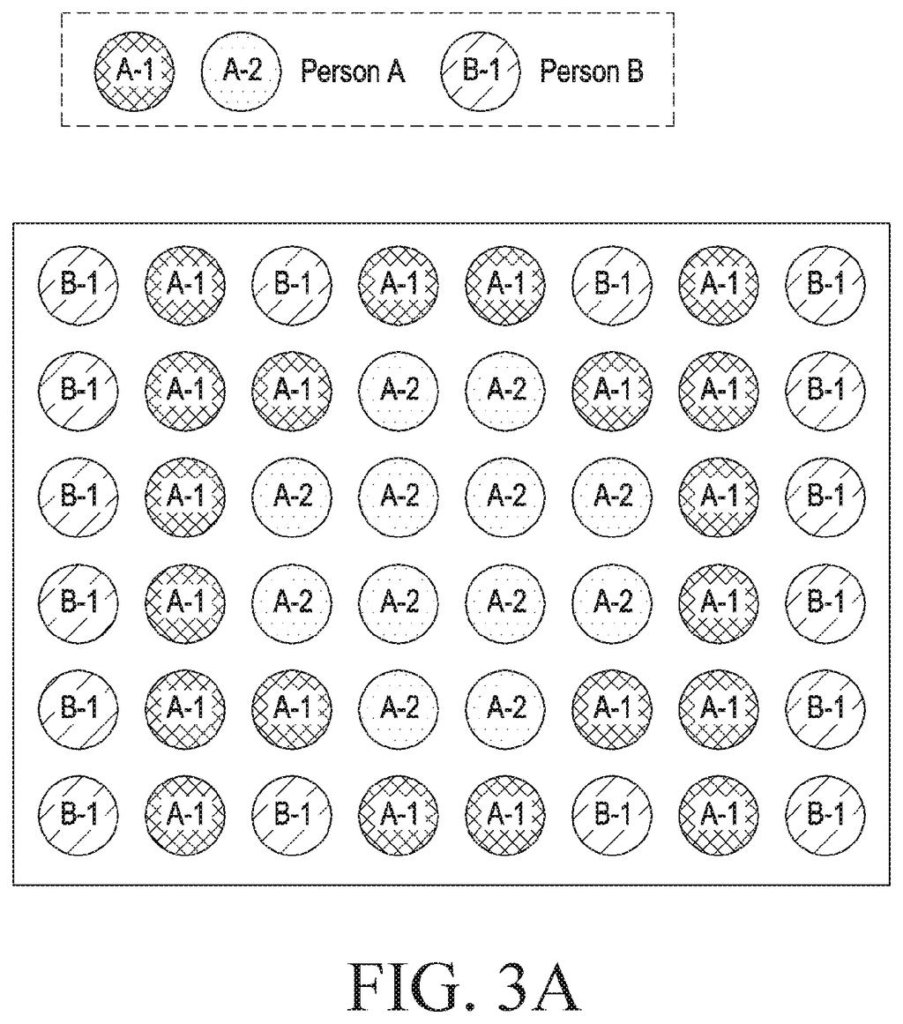
Samsung's patent describes a system with two independent face-grouping engines running in parallel. Each engine sorts your photos into groups based on facial features. Whenever one engine creates a new group, the system automatically checks whether the other engine already has a group containing the same face. If both engines have grouped the same person separately, the system merges those two groups into one final, unified folder.
The result is a cleaner 'People' album where each real person ideally shows up as a single, complete collection rather than scattered duplicates. It's a behind-the-scenes cleanup process that you'd never have to trigger yourself.
responsive to a new second cluster being generated by the second cluster generator, compare the plurality of first clusters generated by the first cluster generator with the plurality of second clusters generated by the second cluster generator …
Translation: When a new group of faces is created, the system compares the two different sets of face groups to each other.
How the three-cluster merge process identifies one person
The patent describes three types of clusters (think of a cluster as a bucket that holds photos of one person).
- First clusters: generated by a dedicated first-cluster engine, each containing facial feature data matched to a specific person.
- Second clusters: generated by a separate second-cluster engine, doing the same job independently from different data or at a different time.
- Third clusters: the merged output produced by comparing the two sets above.
The triggering event is key: whenever the second engine produces a new second cluster, the device immediately compares all first clusters against all second clusters to find shared facial feature data. If a first cluster and a new second cluster both contain feature data pointing to the same face, a third cluster is generated by merging them.
Running two engines rather than one gives the system a built-in cross-check. Each engine may surface groupings the other missed, and the merge step reconciles them. The patent does not specify what distinguishes the two engines technically, so they could represent different algorithms, different photo sets, or different time windows.
… a third cluster may be generated on the basis of the comparison by merging a first cluster including first face feature data among the plurality of first clusters and a second cluster including the first face feature data among the plurality of second clusters …
Translation: It combines matching face groups from both layers into a single comprehensive folder once the comparison is complete.
What this means for Samsung Gallery's 'People' feature
For everyday users, this is about the 'People' or 'Albums by person' feature found in Samsung Gallery and similar apps. Duplicate person folders are a persistent problem across Google Photos, Apple Photos, and Samsung's own gallery, particularly when someone's appearance changes (a new haircut, glasses, aging) or when photos come from different cameras with varying quality. A two-engine cross-check system could reduce how often those splits happen without requiring you to manually merge groups.
From a strategy angle, Samsung processes enormous volumes of photos on-device and competes directly with Google Photos and Apple's Photos app on face recognition quality. A more accurate people-grouping system is a real differentiator for Galaxy devices, especially as on-device AI processing becomes a standard selling point for flagship phones.
This is incremental but genuinely useful work. Duplicate-person folders are one of the most common complaints about AI photo organization, and a systematic two-engine reconciliation approach is a reasonable engineering answer to that problem. It won't make headlines on a spec sheet, but it's the kind of quiet improvement that makes a product feel polished.
There are more where this came from
We read every patent application Big Tech publishes and send you the ones worth knowing. Plain English, free, every week.
The drawings
16 drawing sheets from US 2026/0229008 A1 · click any drawing to enlarge


Want this weekly breakdown for a company we don't cover? Patentlyze Pro →
Be the first to weigh in