
Apple Patents a Camera System That Fixes AR Colors by Reading What's on Screen
When you wear an AR headset, virtual objects often look weirdly lit because the headset doesn't know much about the room you're actually in. Apple's new patent describes a camera system that looks at your real environment differently depending on what virtual content it's about to show you, so the colors match up much better.
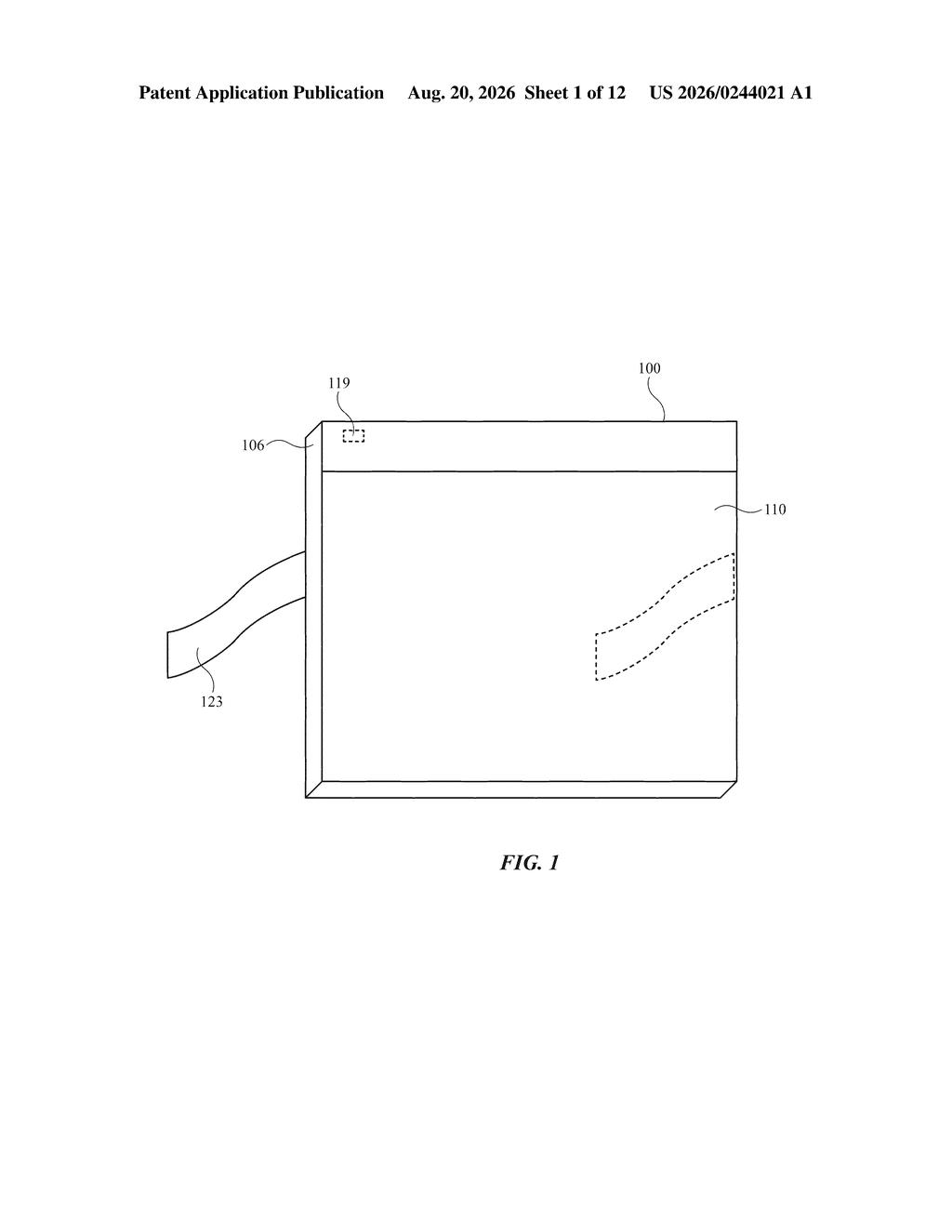
What Apple's AR color-correction camera actually does
You're wearing an AR headset and the digital coffee mug floating on your desk looks slightly off-color, too blue or too warm, because the headset isn't reading the room's lighting well enough. That color mismatch is one of the small but persistent annoyances of augmented reality.
Apple's patent describes a fix: the headset's camera doesn't just passively photograph your environment. It adjusts how it captures images based on what virtual content is about to appear. If a bright blue object is coming up on screen, the camera tunes itself to better measure how blue light behaves in your physical space, so the displayed object can be color-corrected before you ever see it.
There's also a clever shortcut built in. Human eyes are much less sensitive to color in your peripheral vision than at the center of your gaze. Apple's system takes advantage of that by doing less intensive color work in the edges of your view, saving processing effort where your eyes wouldn't notice the difference anyway.
… adjusting an operating feature of the image sensor based on the information associated with the display content; adjusting a color of the display content based on the one or more images; …
Translation: The device tweaks its camera settings based on virtual objects, then corrects the colors using actual camera photos.
How the sensor adjusts based on virtual content data
The patent describes a method where an AR or mixed-reality device, think a headset with see-through lenses, runs a feedback loop between its display pipeline and its image sensor.
- Step one: The device checks what virtual content it's about to display, specifically what colors and brightness levels are involved.
- Step two: It uses that information to adjust how the image sensor captures the physical room around you. Sensor "operating features" could include things like exposure time, gain (how sensitive the sensor is to light), or which part of the frame gets the most detailed scan.
- Step three: Those captured images are analyzed to understand the real-world lighting, and the virtual content's colors are adjusted to match before being shown to you.
The claim covers any electronic device with an image sensor and a transparent display, which is the hardware profile of something like Apple Vision Pro. The system overlays corrected content on the physical world view you see through the headset's transparent portions.
The peripheral vision shortcut is a meaningful efficiency gain. Because the human visual system (the way your brain processes what your eyes send it) has far fewer color-detecting cone cells toward the edges of your field of view, the patent proposes doing less precise color work in those regions, spending the saved computing resources on the center of your gaze where it actually counts.
This adaptive imaging can leverage the low sensitivity to color in the peripheral regions of the human visual system to more efficiently perform color correction operations.
Translation: It saves computing power by taking advantage of the fact that human side vision is poor at noticing color details.
What this means for future Apple Vision Pro experiences
For AR to feel truly convincing, digital objects need to look like they belong in the same room as you, lit by the same light sources, with no telltale color shifts that break the illusion. Today's AR systems often handle this with static or delayed adjustments that can't keep pace with changing light. A system that pre-tunes the camera based on what's about to appear on screen could keep colors accurate even as you walk from a sunny window to a dim hallway.
The peripheral-vision shortcut also matters practically: AR headsets are power-hungry devices, and anything that reduces the computational load of color correction extends battery life or frees up processing for other tasks. Apple's AR filings have been picking up detail work like this across many fronts, and this one fits a pattern of squeezing perceptual accuracy from efficient hardware decisions. Coverage of this and similar newest Big Tech patents in the AR space shows Apple treating display quality as an engineering problem to be solved layer by layer, sensor calibration included.
Apple's 31st filing we've tracked since May on our AR glasses work builds on ideas like wrapping video into a 3D room and a single knob for both lenses.
Claim 1 covers any electronic device that reads the surroundings and adjusts colors on a see-through screen based on what it finds. That reach goes far beyond one headset model.
If approved, this patent would block rivals from using that same read-then-correct loop on any see-through display. Other headset makers would almost certainly need that loop.
The part about side vision is grounded in measurable human biology, not a vague software idea. That makes it harder to challenge in court.
There are more where this came from
We read every patent application Big Tech publishes and send you the ones worth knowing. Plain English, free, every week.
The drawings
12 drawing sheets from US 2026/0244021 A1 · click any drawing to enlarge


Want this weekly breakdown for a company we don't cover? Patentlyze Pro →
Be the first to weigh in