
Qualcomm Patents a Way for Car Computers to Verify Each Other's Software Updates
Modern cars can carry dozens of tiny computers, and many of them are too limited to verify whether a software update is safe. Qualcomm's new patent lets the capable ones vouch for the rest.
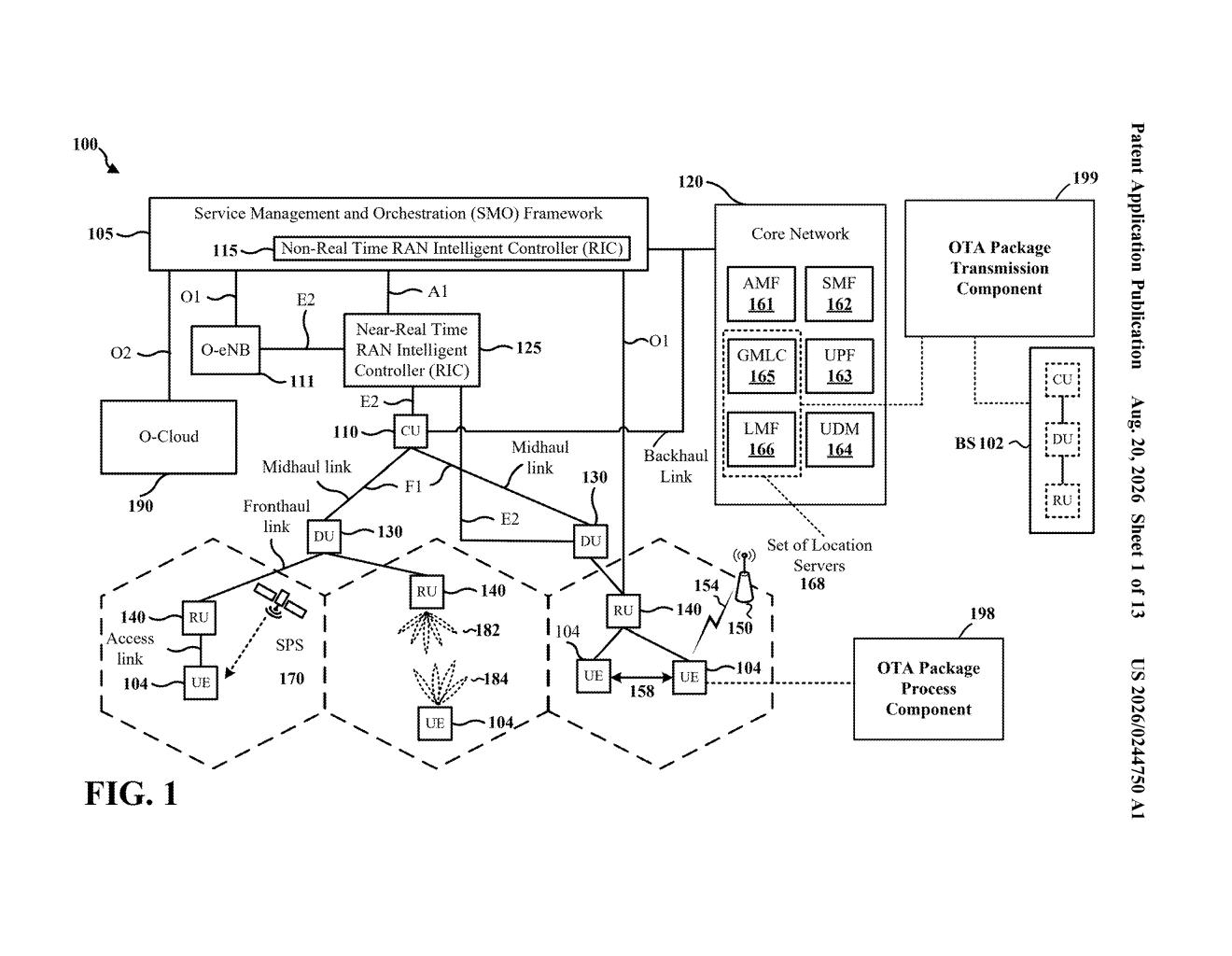
How Qualcomm's car-update proxy system actually works
Every time your car downloads a software update over the air, every computer inside the vehicle is supposed to check that the update is legitimate before installing it. That check requires real computing power, and many of the small chips running things like window motors or seat heaters simply don't have it.
Qualcomm's patent tackles this by letting one of the more powerful computers in the car step in and do the security check on behalf of the weaker ones. Think of it like a senior employee countersigning paperwork that a junior employee isn't authorized to approve. The stronger computer verifies the update is genuine, then gives the weaker one the green light to install it.
The result is that every module in the car can receive and apply updates safely, even if some of those modules barely have enough processing power to do their own job, let alone run cryptographic checks. The vehicle handles this coordination internally, without needing each chip to be individually upgraded.
… authenticate the corresponding individual ECU OTA update packages for the set of ECUs using at least one other ECU, wherein the at least one other ECU has a trust level or a capability greater than or equal to the set of ECUs; …
Translation: Stronger car computers check the software updates for weaker ones.
How one ECU authenticates updates for its weaker neighbors
The patent describes a system where a vehicle's on-board network receives a batch of over-the-air (OTA) update packages, one for each electronic control unit (ECU). ECUs are the individual computers that control specific functions in a car, from the engine management system down to the climate controls.
The core logic works in three steps:
- The vehicle identifies which ECUs in the batch cannot perform cryptographic authentication (the process of mathematically verifying that a file came from a trusted source and hasn't been tampered with) on their own update packages.
- It assigns the authentication task to at least one other ECU that has a higher trust level or greater processing capability, so the proxy ECU is never less trusted than the one it's helping.
- If the proxy ECU confirms the update is legitimate, the weaker ECU is permitted to apply it. If not, the update is blocked.
The patent's claim is device-level: it covers an apparatus (processor plus memory) configured to carry out this delegation logic. The system is designed to work across a mixed fleet of ECUs, which is the normal reality in production vehicles where chips from many different suppliers sit on the same network.
… an electronic control unit (ECU) with a higher capability to authenticate the over-the-air (OTA) package for an ECU with a lower capability to improve the overall performance of OTA update.
Translation: Advanced car parts help secure updates for less capable components.
What this means for keeping cars' software secure over time
Automakers are under mounting pressure to patch vulnerabilities in vehicles already on the road, and OTA updates are the only practical way to do it at scale. The weak link has always been the low-power ECUs that can't run the security checks needed to confirm an update is safe before applying it, leaving those modules either unpatched or relying on update pipelines with weaker security.
This patent points toward a solution that doesn't require swapping out hardware. Vehicle software teams and automotive cybersecurity engineers are the ones this filing directly touches, and for them it matters quite a bit: claim 1 covers the fundamental act of proxy authentication between ECUs, which is a building block for any secure heterogeneous update architecture. The automotive software security space is active territory in the newest Big Tech patents, with chipmakers like Qualcomm staking out foundational positions in how cars verify and install code.
Qualcomm's 324th filing joins the full set we've tracked since May, a run that includes the boot power selector and the AR frame buffer.
The first claim in this patent covers any system where one car computer steps in to handle a security check for another car computer that cannot do it alone. It sets no limits on how the security check works, what kind of car it runs in, or how the computers talk to each other.
That wide reach means nearly every carmaker or parts supplier building a modern over-the-air update system would have to pay for a license or find a way to build around this patent. For something this central to keeping cars safe from hackers, that is a powerful position to hold.
Get our take in your Top Stories
Liked this breakdown? Add Patentlyze as a preferred source on Google, and our plain-English take shows up more often in your Top Stories the next time Qualcomm patent news breaks.
There are more where this came from
We read every patent application Big Tech publishes and send you the ones worth knowing. Plain English, free, every week.
The drawings
13 drawing sheets from US 2026/0244750 A1 · click any drawing to enlarge


Want this weekly breakdown for a company we don't cover? Patentlyze Pro →
Be the first to weigh in