
Meta Patents Smart Glasses That Pick One Voice Out of a Noisy Room
Meta is patenting a system that lets AR glasses lock onto a single person's voice in a noisy room and amplify it just enough to drown out everything else. It's a hearing aid concept built into a pair of glasses.
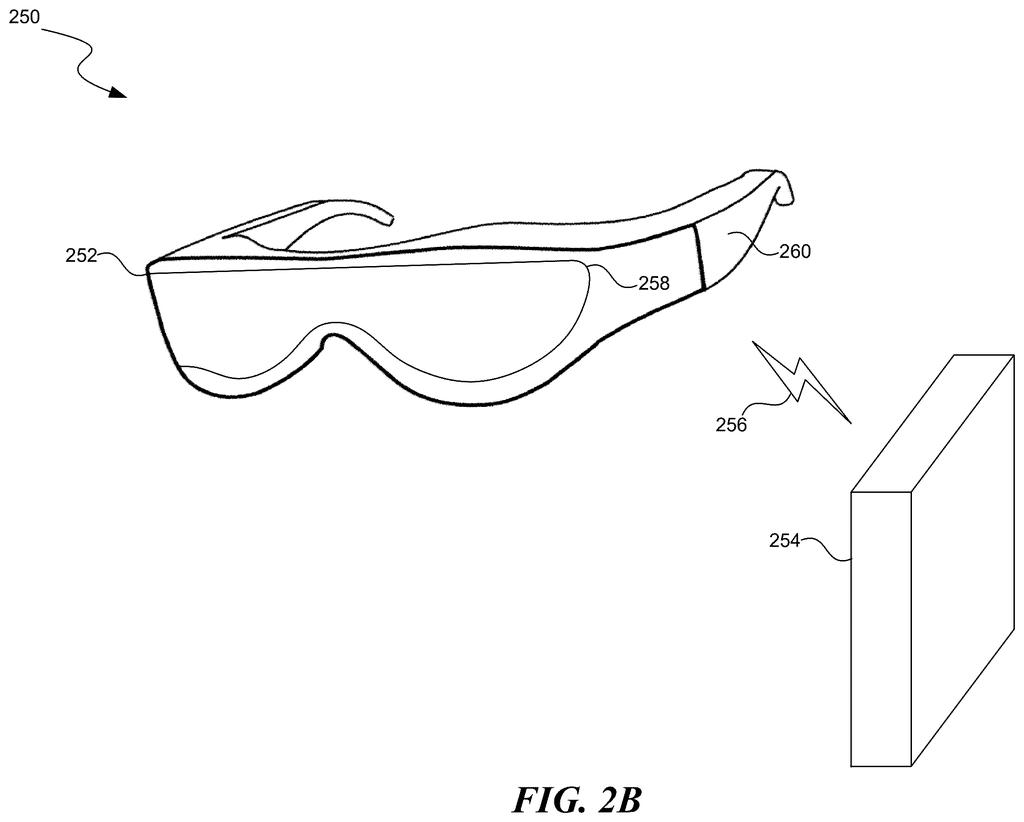
How Meta's AR glasses would tune into one voice
Ever tried to follow a conversation at a loud party while everything around you competes for your ears? Meta's latest patent application describes AR glasses that would handle exactly that situation automatically.
The glasses use their built-in microphones to measure how loud the background noise is, then pick a specific voice you want to hear. From there, they filter out other sounds, amplify just that one voice, and calibrate the volume so the remaining background noise stays below what your ears would naturally notice. The result: one clear voice cutting through the noise, without the rest of the room feeling artificially silent.
Think of it as a hearing boost mode you'd switch on when someone across the table is hard to hear, rather than a full hearing aid that's always on.
… based on the selected amplification gain for the audio signal, selecting a level of noise suppression to apply to the audio signal having the applied amplification gain, such that an amount of remaining residual noise is below the estimated level of ambient noise …
Translation: The system automatically adjusts noise reduction so that any background hiss stays quieter than the actual room noise.
How the system balances amplification and noise filtering
The patent describes a two-stage audio processing pipeline running inside an AR headset or glasses.
Stage one: measure the room. The device's microphones constantly sample ambient noise and calculate a baseline volume level. This number becomes the ceiling the system works around.
Stage two: amplify then filter (in that order). The system picks an amplification level based on the ambient noise measurement, applies that gain to the selected voice signal, and then chooses how aggressively to filter out other sounds. The filter strength is calculated so that whatever noise leaks through after filtering stays quieter than the ambient baseline the wearer would hear without any enhancement at all.
The patent describes two approaches:
- Set amplification first based on ambient noise, then tune the filter to keep residual noise below that ambient level.
- Filter first, measure how much noise remains in the filtered signal, then set amplification to bury that residual noise.
Voice selection can happen automatically (the system identifies a speaker) or manually (the user points to or designates someone). The output goes directly to the AR system's speakers, so the wearer hears a processed mix rather than raw room audio.
A hearing enhancement system can provide a wearer of an XR system, such as augmented reality (AR) glasses, heightened hearing for a conversation by accentuating a particular voice for the wearer.
Translation: These glasses can act like a hearing aid by isolating and boosting the voice of the person you are talking to.
What this means for hearing aid alternatives in AR
For people with mild hearing loss, or anyone in a consistently loud environment, a feature like this built into everyday AR glasses could be more practical than carrying dedicated hearing aids. The glasses are already on your face, the microphones are already there, and the processing happens in real time without any external device.
The latest Big Tech patents in AR audio show a clear push toward health-adjacent features that blur the line between consumer electronics and assistive technology, and this Meta filing sits squarely in that space. Whether it ships as a dedicated hearing mode or gets folded into broader audio settings, the underlying signal is that Meta sees AR glasses as a platform for hearing enhancement, not just visual overlays.
That makes this Meta's 56th filing we've tracked since May in the AR glasses race, a list that includes work on faster device pairing and finger-rub menu scrolling.
The hardware this system needs, microphones, small speakers, and a processor, already exists in glasses Meta sells today. That makes this primarily a software problem, which means the path to shipping it is shorter than most patents suggest.
The document is detailed about how to control volume and filter out background noise once a voice is selected, but it is vague about how the system reliably picks out one person's voice in a noisy room in the first place. That gap is the real engineering work standing between this patent and a product someone can use.
If that voice-selection step can be solved, everything else described here looks like a software update waiting to happen rather than a years-away research project.
Get our take in your Top Stories
Liked this breakdown? Add Patentlyze as a preferred source on Google, and our plain-English take shows up more often in your Top Stories the next time Meta patent news breaks.
There are more where this came from
We read every patent application Big Tech publishes and send you the ones worth knowing. Plain English, free, every week.
The drawings
14 drawing sheets from US 2026/0253596 A1 · click any drawing to enlarge


Want this weekly breakdown for a company we don't cover? Patentlyze Pro →
Be the first to weigh in