
Qualcomm Patents a Screen That Moves Buttons Out of the Way When You Fold It
Foldable phones are a hardware story that software keeps failing to finish. Qualcomm's new patent describes a system that automatically rearranges the on-screen layout whenever a device's physical display changes size, without forcing content and controls to overlap.
What Qualcomm's foldable screen UI fix actually does
A user unfolds their phone mid-video call and suddenly the controls are sitting on top of the video feed. That's the specific frustration Qualcomm's patent is trying to solve.
The patent describes a system that watches for physical changes to the display screen, like folding or unfolding, and then automatically reorganizes the user interface so that buttons and menus don't pile up on top of your content. When the screen gets wider or taller, the layout shifts to take advantage of the new shape instead of just stretching awkwardly.
The key detail is that this happens without overlap: whatever you were already looking at stays visible and clear, while additional controls or panels appear in the newly available space. It's about making the transition feel natural rather than jarring.
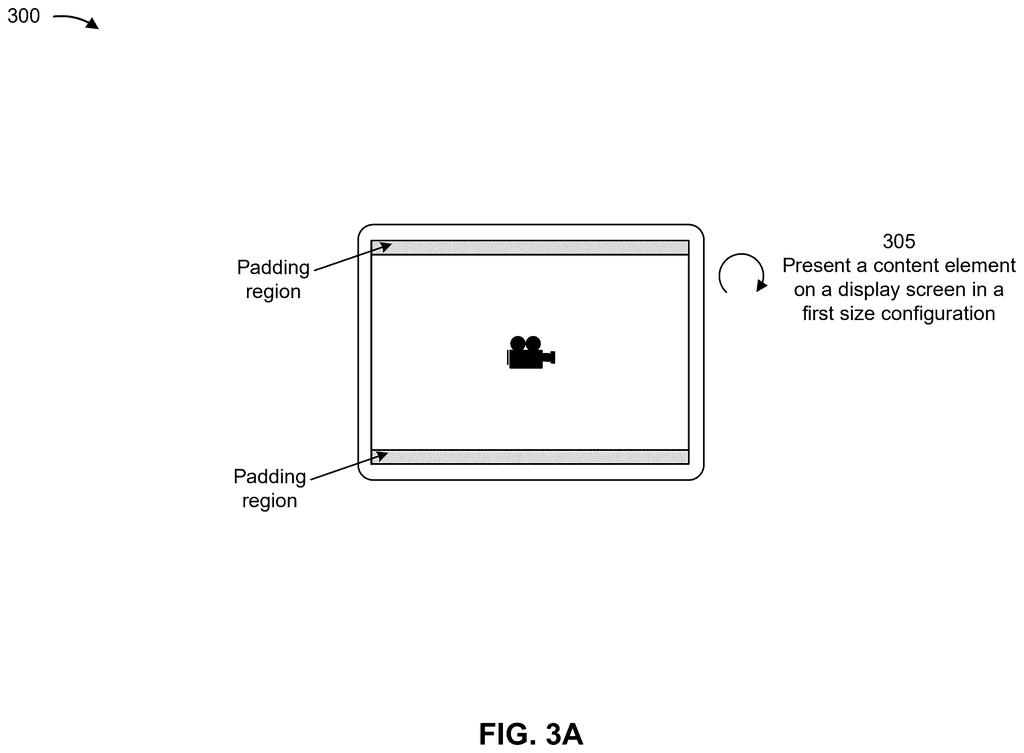
… detect adjustment of a physical size of the display screen from the first size configuration having a first display aspect ratio to a second size configuration having a second display aspect ratio different from the first display aspect ratio …
Translation: The phone notices when you fold or unfold it to change the screen size.
How the layout engine detects and responds to size changes
The patent describes a three-step process tied to physical screen changes:
- Detection: The device monitors the display's current size configuration and its aspect ratio (the proportional relationship between width and height).
- Trigger: When the physical size changes, moving from one configuration to another with a different aspect ratio, the system registers that as an event to act on.
- Response: The device then places one or more user interface elements, like buttons, panels, or menus, in a non-overlapping arrangement relative to whatever content was already on screen.
The emphasis on aspect ratio is important. It's not just about the screen getting bigger or smaller in raw pixels; the system cares about the shape change. A phone going from folded (tall and narrow) to unfolded (wider) has a fundamentally different canvas, and the patent addresses that transition specifically.
The patent doesn't prescribe a single rigid layout. The language covers "one or more" UI elements arranged in response to the change, suggesting the system can handle partial adjustments as well as full rearrangements depending on how much the screen size shifts.
What this means for foldable phone software design
Foldable phones have been on the market for several years now, but the software experience on most of them still lags behind the hardware ambition. Apps frequently fail to reflow properly when a screen unfolds, leaving users with stretched content, hidden controls, or overlapping panels. A chip-level or OS-level framework that handles this transition automatically could push that responsibility away from individual app developers and into the platform itself.
Qualcomm sits at the center of the Android ecosystem, supplying chips to most of the major foldable phone makers, which gives a patent like this practical reach even if it stays a background component. The foldable display space is exactly the kind of area covered by plain-English patent summaries tracking how chip companies are shaping the software behavior of next-generation form factors.
That makes this Qualcomm's 51st filing in our cell phone patent coverage since May, a tracker that already includes work on saving phone state on battery loss and reading multiple fingerprints through a screen.
The shortest path to shipping this feature is actually pretty short. Nothing here requires new hardware. The detection logic depends on sensors or software signals that already exist in foldable devices, and the layout response is a software behavior that could live in an OS layer or a Qualcomm platform SDK.
What's less clear from the patent is how the system decides where to put rearranged UI elements. The claim covers the non-overlapping outcome but says little about the rules governing placement decisions. That gap between "don't overlap" and "put things in the right place" is where most of the real engineering work lives.
This reads like an infrastructure-layer filing rather than a finished feature. It staking out the conceptual territory of display-aware UI adaptation at the platform level, which is useful positioning even if the implementation details still need to be built out above it.
Get our take in your Top Stories
Liked this breakdown? Add Patentlyze as a preferred source on Google, and our plain-English take shows up more often in your Top Stories the next time Qualcomm patent news breaks.
There are more where this came from
We read every patent application Big Tech publishes and send you the ones worth knowing. Plain English, free, every week.
The drawings
11 drawing sheets from US 2026/0253522 A1 · click any drawing to enlarge


Want this weekly breakdown for a company we don't cover? Patentlyze Pro →
Be the first to weigh in