
Microsoft Patents a Code Editor That Hides Irrelevant Lines as You Work
Every developer knows the pain of scrolling through thousands of lines to find the one function that matters. Microsoft's new patent describes an editor that hides the rest automatically.
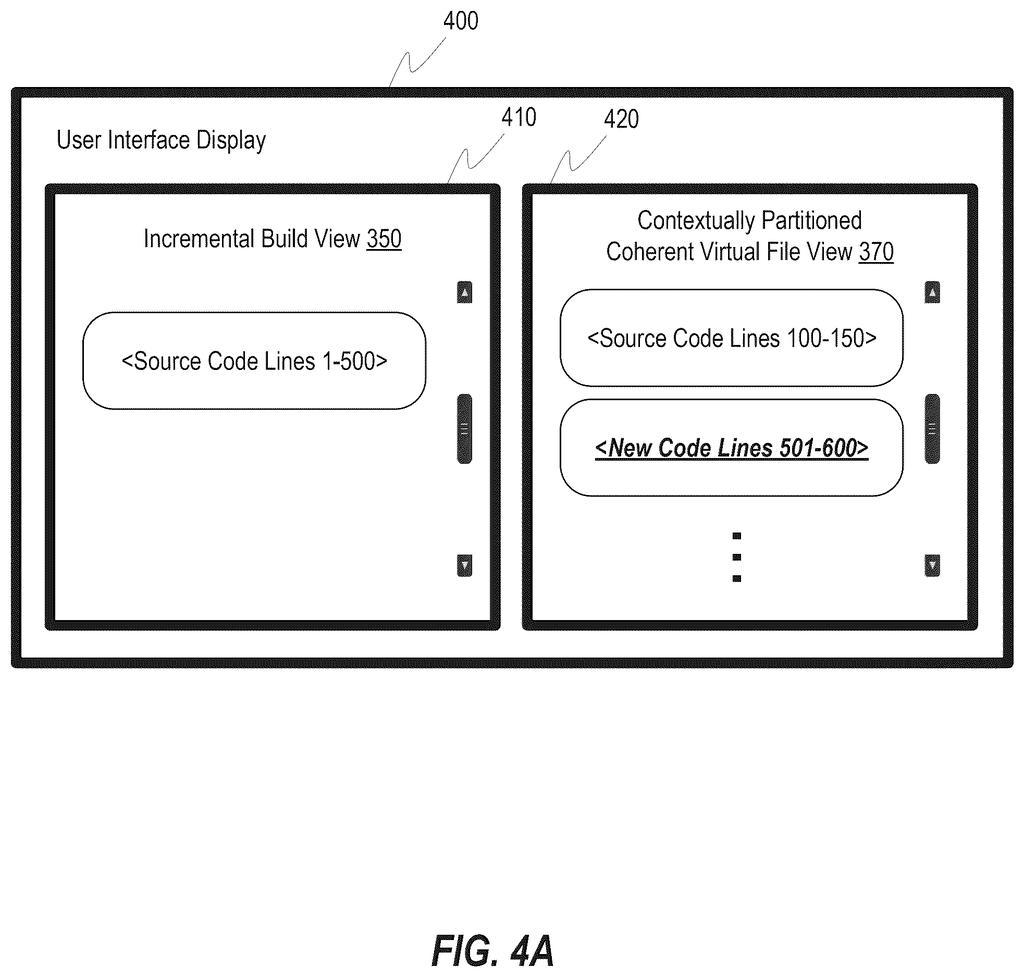
What Microsoft's context-aware code view actually does
A developer opens a source file with ten thousand lines of code and needs one small section near the bottom. So the editor just shows them that section, hiding the rest.
That's the core idea in this Microsoft patent. The editor watches what you're doing, figures out what part of the code is relevant right now, and shows you a trimmed view that looks like a normal file but skips everything you don't need. If you switch to a different task, the view updates to match.
When the view changes, the editor visually highlights which lines are new, so you're never confused about what shifted. It's aimed squarely at large software projects where a single file can scroll for minutes, and where finding your place is half the battle.
Partitioned segments are presented within a coherent virtual file view while omitting less relevant code from the coherent virtual file view.
Translation: The editor displays only the relevant sections and hides unnecessary lines of code.
How the editor detects context shifts and rebuilds the view
The system works inside a code editor and continuously monitors what a developer is focused on. Based on that focus (called the "defined context" in the patent), it partitions the source file into segments and presents only the relevant ones in what the patent calls a contextually partitioned coherent virtual file view.
That phrase is doing a lot of work. "Virtual file view" means the underlying file is not changed. The developer sees a filtered window into the real file, not a copy. "Coherent" means the displayed segments flow together logically, so the view doesn't feel broken or patchy even though chunks are missing.
When the context changes, say the developer clicks somewhere new or switches tasks, the system detects that change and regenerates the view. Crucially, it visually distinguishes the newly shown code from what was visible before, so the developer can see at a glance what shifted.
The patent covers both the display logic and the update logic:
- Determining context and scope from developer activity
- Partitioning source code based on that context
- Rendering a filtered but coherent view of the relevant segments
- Re-rendering with visual differentiation when context changes
… detecting a change that results in a new defined context for generating an updated contextually partitioned coherent virtual file view of partitioned code segments; …
Translation: When your focus shifts, the editor automatically updates to show the new relevant code.
What this means for developers working in large codebases
For developers working in large, mature codebases, like the ones maintained by Microsoft itself inside products such as Windows or Visual Studio, file size is a real daily friction. A feature that automatically collapses irrelevant code and updates that collapse in real time could meaningfully reduce the mental overhead of navigating a project.
The broader trend here is editors becoming more context-aware rather than just syntax-aware. Microsoft has been building AI-assisted developer tools under the GitHub Copilot umbrella, and a patent like this fits that direction, whether or not it ever ships as a standalone feature. Patentlyze tracks new Big Tech patents across developer tooling and AI, where Microsoft has been one of the most active filers in the past two years.
That makes this Microsoft's 333rd filing in our Microsoft coverage since May, a run that spans everything from private call timers to AI building AI training data.
Claim 1 covers any tool that reads code, figures out what the programmer is currently working on, splits the file into relevant and less relevant pieces, and then shows only the relevant pieces in a clean view that updates as context shifts. No specific programming language, AI model, or platform is required. That scope is intentionally wide. Wide scope means wide reach.
Any code editor that automatically filters a source file by what the programmer is focused on, and marks or hides the rest, would need to be measured against this claim. That covers a large family of possible features, not just one narrow implementation. The underlying user benefit is straightforward: big files are hard to read, and hiding the unrelated parts makes work faster.
Whether automatically doing that, with visual cues to show what was hidden, is a sufficiently new idea to justify a claim this broad is exactly what an examiner will press on hardest.
Get our take in your Top Stories
Liked this breakdown? Add Patentlyze as a preferred source on Google, and our plain-English take shows up more often in your Top Stories the next time Microsoft patent news breaks.
There are more where this came from
We read every patent application Big Tech publishes and send you the ones worth knowing. Plain English, free, every week.
The drawings
10 drawing sheets from US 2026/0252315 A1 · click any drawing to enlarge


Want this weekly breakdown for a company we don't cover? Patentlyze Pro →
Be the first to weigh in