
Microsoft Patents AI That Audits and Fixes Company Security Policy Gaps
Keeping a company's security settings up to date is a thankless, error-prone job. Microsoft is patenting a way to let an AI do the auditing, explain what's missing, and fix it automatically.
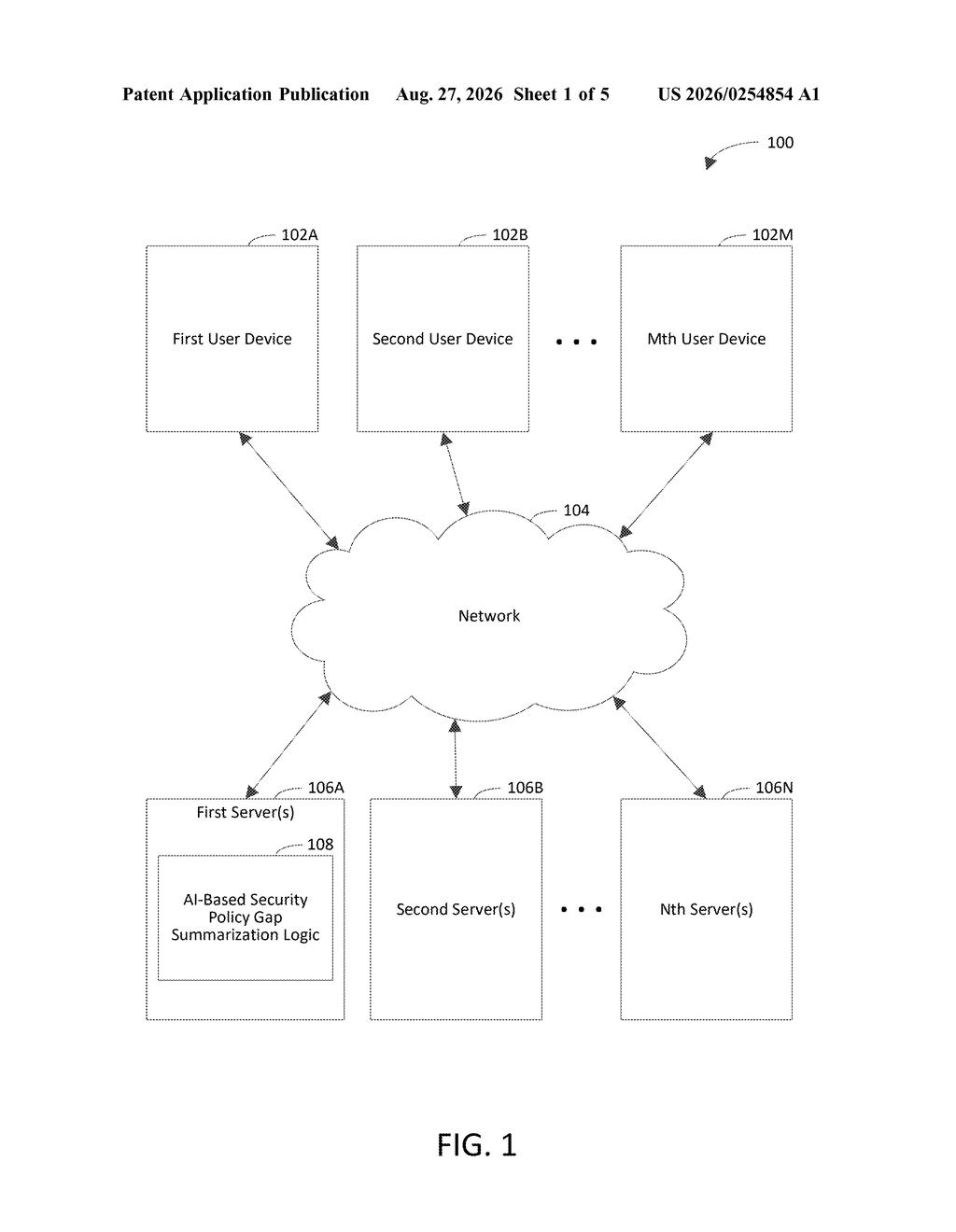
What Microsoft's AI-powered security gap finder actually does
You're an IT administrator at a mid-size company, and somewhere in your organization's software settings there are security rules that should be turned on but aren't. Finding those gaps means comparing a long list of "what should be enforced" against an equally long list of "what actually is enforced." That kind of audit is easy to put off and easy to get wrong.
Microsoft's patent describes a system that does that comparison automatically. It takes a pre-approved security template (think of it as the official checklist) and holds it up against whatever security rules are actually running. When it finds a mismatch, it uses an AI model to write a plain-language summary of what's missing and why it matters, then shows that explanation inside the admin's dashboard.
The system doesn't just tell you what's wrong. It can also fix the problem by adding the missing rules back in automatically, so your live security policy matches the template without anyone having to do it by hand.
determine that a subset of a plurality of reference security features is absent from a plurality of enforced security features that are enforced in a system …
Translation: The software spots where your active security settings fail to match standard guidelines.
How the AI compares templates to live policies and acts
The patent describes a three-stage pipeline built around the concept of a security policy template (a reference set of rules that defines what a properly secured system should look like) versus a security policy (what the system is actually enforcing right now).
First, the system identifies the gap: it computes which features appear in the template but are absent from the live policy. These missing features form the "subset" the rest of the process focuses on.
Second, that subset is fed as input to an AI model (the patent does not specify which type, but the language points toward a large language model capable of generating readable explanations). The AI produces:
- A summary of the missing features in plain language
- An explanation confirming that those features are not currently enforced
Both outputs are surfaced inside a user interface so an administrator can review them.
Third, the system can automatically remediate the gap by redefining the live security policy to include the missing features. Effectively, it merges the absent rules into the enforced set without requiring a human to manually edit configuration files.
A summary of the subset of the reference security features is generated using an AI model.
Translation: An artificial intelligence engine creates an overview of the missing protection measures.
What this means for enterprise IT security management
For enterprise IT teams, security policy drift is a real and chronic problem. Systems get updated, new features ship, templates get revised, and the live settings fall behind. The manual audit cycle is slow enough that gaps can sit open for months. A system that continuously compares, explains, and self-corrects cuts that window significantly.
The shortest path from this patent to a shipping product is actually quite short: no new hardware is required, and Microsoft already operates cloud security management services like Microsoft Defender for Cloud and Microsoft Intune, which deal with exactly this kind of policy enforcement at scale. The AI summarization layer is a software addition to infrastructure that already exists. Patentlyze covers plain-English patent summaries across Microsoft's security and AI filings, and this one fits a clear pattern of the company adding AI-generated explanations to tools that previously returned only raw data.
This is the 355th Microsoft filing in our Microsoft coverage since May, adding to a run that includes auto-summoning absent colleagues and a feel-faking touchpad.
The core idea here is software all the way down. No new hardware, no new device category, just a tool that compares a checklist of required security settings against what a system is actually running, asks an AI to write a plain-language explanation of the difference, and then applies the fix automatically.
The automatic fix is where the real stakes are. Describing a gap to a human is a feature; closing it without human sign-off is a policy decision, and this document does not spell out who gets to authorize that or what happens when the AI reads a deliberate configuration choice as a mistake.
Any team shipping this would likely launch the explanation layer first, since that part is low-risk and immediately useful to anyone managing security settings at scale. The auto-remediation step follows only once the approval guardrails are built around it, and those guardrails are a harder design problem than the AI writing itself.
There are more where this came from
We read every patent application Big Tech publishes and send you the ones worth knowing. Plain English, free, every week.
The drawings
5 drawing sheets from US 2026/0254854 A1 · click any drawing to enlarge


Want this weekly breakdown for a company we don't cover? Patentlyze Pro →