
Qualcomm Patents a Way to Widen AR Glasses' View Using a Nearby Screen
One of the biggest complaints about AR glasses is that they only show digital content in a narrow strip of your vision. Qualcomm's new patent proposes a fix: rope in a nearby screen, like a phone or tablet display, and treat it as an extension of what the glasses project.
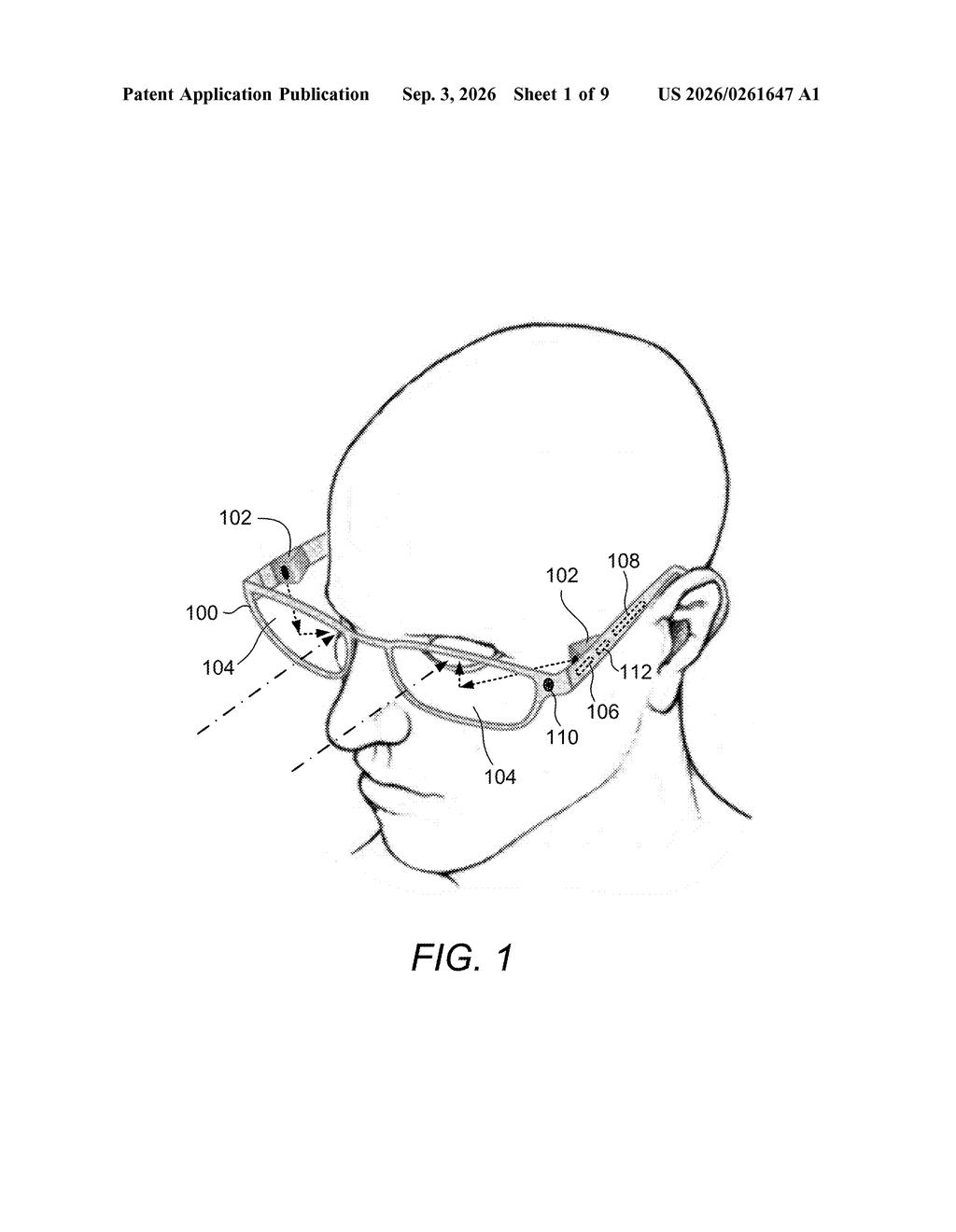
What Qualcomm's AR field-of-view trick actually does
A person wearing AR glasses stands near a desk, and the little digital window floating in front of their eyes only covers a fraction of what they can actually see. That narrow slice of augmented content is the core frustration with today's AR headsets, and it's you who ends up constantly turning your head to find things.
Qualcomm's patent describes a system where your AR glasses detect a nearby display, such as a phone, tablet, or monitor, figure out exactly where that screen is sitting relative to your head, and then push content onto it. The glasses and the screen stay time-synchronized so the images on each feel like parts of one continuous picture.
The clever part: the glasses' camera keeps tracking your surroundings to figure out where you are in space, but it's trained to ignore the companion screen itself so that screen doesn't confuse the tracking system. The companion screen can even show 3D images that, viewed through the glasses' lenses, look like true 3D objects sitting in the room.
establishing communications between the AR device and a display device having a display screen; time-synchronizing the display device to the AR device; determining a position of the display screen of the display device relative to the AR device; …
Translation: The glasses connect to a nearby screen, sync their clocks, and figure out exactly where that screen is located.
How the AR device syncs to and uses a companion screen
The patent describes an AR device (glasses or a headset with a camera) that pairs with a separate display device over a wireless or wired connection. Once paired, the AR device goes through four main steps:
- Time-synchronization: The companion display's internal clock is locked to the AR device's clock so both refresh at the same instant. Without this, images on the two screens would appear to stutter or drift relative to each other.
- Position determination: The AR device measures where the companion screen is in physical space relative to the wearer's head, likely using its camera and possibly data from the screen itself. This lets it calculate what virtual content to send to that screen so it visually lines up with what's in the glasses.
- Content configuration and delivery: The AR device decides what to render on the companion screen (say, the left edge of a panoramic map that doesn't fit in the glasses alone) and streams it over.
For position tracking (figuring out where the wearer is in the room), the AR device's camera normally reads visual landmarks in the environment. The patent adds a step: the system identifies pixels that belong to the companion screen and discards them before running that tracking calculation. That prevents the moving images on the companion screen from fooling the headset into thinking the room is shifting.
An optional mode pairs a 3D display as the companion screen. The AR device's lenses then act like a viewer, so digital objects on that screen appear to float in three-dimensional space rather than sitting flat on the display.
… determines its position based at least in part on visual information received by the image sensor while ignoring visual information within the display screen of the display device.
Translation: The glasses track your location using the room around you while intentionally tuning out the extra screen.
What this means for the narrow-view problem in AR headsets
The narrow field of view in AR glasses is a hardware problem that's expensive to fix at the lens and display level. This patent sidesteps that by offloading extra visual real estate to a screen you already own. If it works in practice, it could make a cheaper, lighter pair of glasses feel much more capable, because your phone or a nearby monitor becomes part of the headset experience.
Qualcomm's sustained push into AR infrastructure means this isn't an isolated idea. The company supplies processors to many AR headset makers, so a method like this, baked into Qualcomm's platform, could show up across multiple brands rather than staying exclusive to one device. For you as a user, that's potentially a wider view in your next pair of AR glasses without waiting for better optics to become affordable.
Qualcomm's 32nd filing we've tracked since July in the AR glasses race adds to a pattern that includes work on auto-labeling 3D models and AI vision for smart glasses.
Claim 1 covers any AR headset that connects to a second screen, aligns their internal clocks, figures out where that screen sits in physical space, prepares content for it, and sends it over. The claim puts no restrictions on what kind of screen qualifies, what the connection looks like, or what gets displayed.
In practice, that scope is wide. A headset that detected a nearby tablet, calculated its location, and pushed images to it to expand what the wearer could see would fall squarely inside this claim as written.
The more precise idea buried in the abstract, where the headset deliberately ignores whatever is showing on the companion screen when calculating its own position in the room, never appears in Claim 1. Qualcomm is staking the broadest boundary first and saving the sharper details for dependent claims. How much of that boundary holds under examination will decide how much this filing actually controls.
Get our take in your Top Stories
Liked this breakdown? Add Patentlyze as a preferred source on Google, and our plain-English take shows up more often in your Top Stories the next time Qualcomm patent news breaks.
There are more where this came from
We read every patent application Big Tech publishes and send you the ones worth knowing. Plain English, free, every week.
The drawings
9 drawing sheets from US 2026/0261647 A1 · click any drawing to enlarge


Show the other 1 sheets

Want this weekly breakdown for a company we don't cover? Patentlyze Pro →
Be the first to weigh in