
Qualcomm Patents a Video Noise Filter That Knows When to Leave the Picture Alone
Most video noise filters run all the time, blurring fine detail even in clean footage. Qualcomm's new patent describes a system smart enough to measure how noisy a frame actually is — and only engage the heavy-duty filtering when it's genuinely needed.
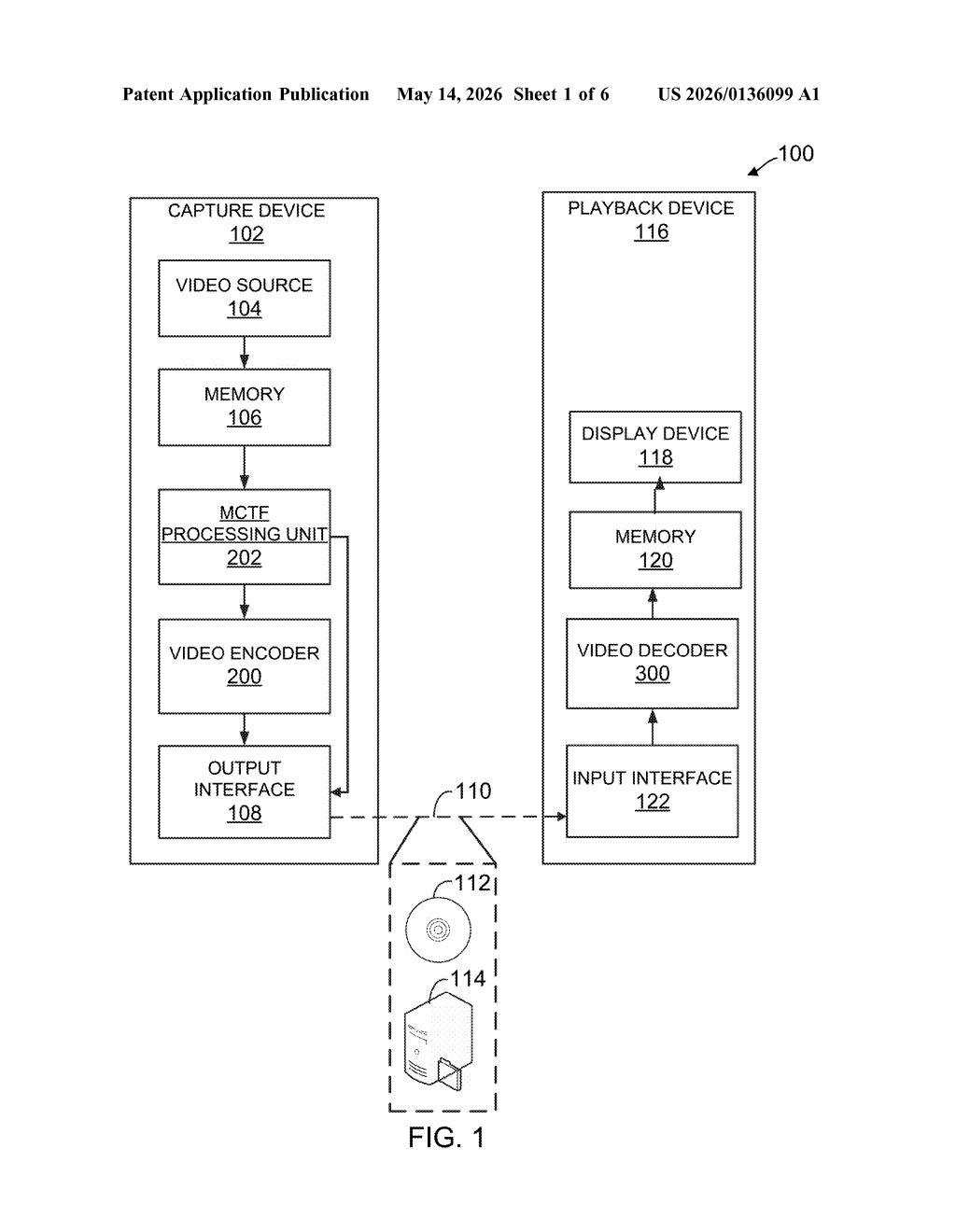
What Qualcomm's adaptive MCTF noise filter actually does
Imagine recording a video in a dimly lit room. Your phone's camera picks up a lot of visual 'grain' — random speckles that aren't really part of the scene. To clean that up, video processors use noise filters. The problem is that most filters run constantly, even on clean, well-lit footage where they can actually soften details you want to keep sharp.
Qualcomm's patent describes a smarter approach: before applying its Motion Compensated Temporal Filtering (a technique that compares multiple frames across time to smooth out noise), the system first measures how noisy the current frame actually is. If the noise is below a certain threshold, it skips the filter entirely or dials it back.
The result is that your video looks cleaner in dark or grainy conditions, but doesn't get unnecessarily softened when lighting is already good. It's the difference between a thermostat that runs the heater all winter versus one that only kicks in when it actually gets cold.
How the noise detector decides when to trigger MCTF
The core technique here is Motion Compensated Temporal Filtering (MCTF) — a method of reducing video noise by aligning and blending information from multiple frames over time. Rather than just blurring a single frame spatially, MCTF uses motion estimation to line up nearby frames and average out the random noise while preserving real edges and motion. It's a powerful tool, but computationally expensive and not always necessary.
What Qualcomm's patent adds is a noise level detection step that sits in front of the MCTF pipeline. The system analyzes the incoming frame, estimates how much noise is present, and then makes a binary or graduated decision: run MCTF, skip it, or run a lighter spatial-only filter instead.
The patent diagram shows the system with several key components:
- Noise estimation — measures grain/noise in the current picture
- Motion estimation — tracks object movement between frames for alignment
- Spatial NR filter — a fallback noise reducer for lower-noise cases
- Temporal blend — the actual MCTF blending stage, enabled or bypassed based on noise level
This conditional architecture means the chip can save power and processing cycles on clean footage, while still delivering full temporal filtering when low-light or high-ISO conditions demand it.
What this means for low-light mobile and streaming video
For mobile chips — which is Qualcomm's core business — power efficiency is everything. Running a full temporal filtering pipeline on every single video frame burns cycles and battery. A system that intelligently bypasses heavy processing when it isn't needed is a meaningful engineering win, especially as 4K and 8K video become standard on flagship phones.
On the user side, selective filtering also tends to produce better-looking video. Over-filtering is a real problem in computational photography — that plastic, over-processed look you sometimes see in phone videos shot in good light. If Qualcomm's approach lands in a future Snapdragon ISP (image signal processor), it could mean cleaner low-light video without the waxy smoothing that plagues current systems.
This is solid, unglamorous ISP engineering — the kind of work that quietly makes phone cameras better without anyone writing a blog post about it. The core idea (don't run expensive filters when you don't need them) is obvious in retrospect, which usually means it's genuinely useful. Qualcomm's Snapdragon ISPs already lead the industry in video processing, and patents like this are how that lead gets maintained incrementally.
Get our take in your Top Stories
Liked this breakdown? Add Patentlyze as a preferred source on Google, and our plain-English take shows up more often in your Top Stories the next time Qualcomm patent news breaks.
There are more where this came from
We read every patent application Big Tech publishes and send you the ones worth knowing. Plain English, free, every week.
Want this weekly breakdown for a company we don't cover? Patentlyze Pro →