
Samsung Patents a Device That Tracks Your Health Signs After You Take Medication
Most medication apps let you log a pill and move on. Samsung's new patent describes a device that keeps watching what happens to your body after you do.
What Samsung's medication-and-biometrics tracker actually does
Keeping track of whether a medication is actually working is genuinely hard, even for caregivers with medical training. You give someone a drug at a set time, but unless you're measuring the patient's vitals before and after, you're mostly guessing at the effect.
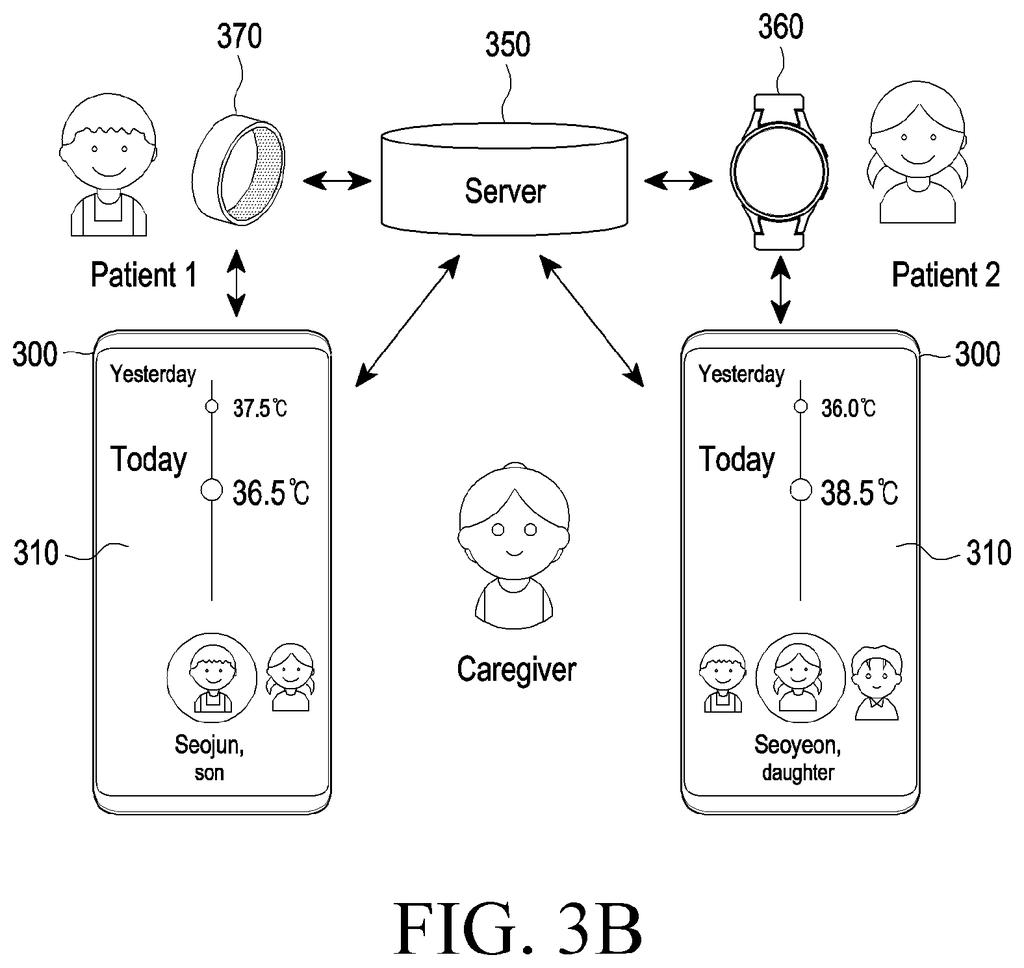
Samsung's patent describes a device, likely a tablet or phone, that stores when a patient takes a medicine and what that medicine is. It also pulls in biometric readings from an external device, like a wearable sensor, taken before and after the medication. The device compares those readings to figure out how much the patient's body changed, then sends a notification based on what it finds.
In plain terms: log a dose, watch the body's response, get an alert if something looks off. The system is aimed at structured patient care rather than casual self-tracking, and it places a human caregiver at the center, not an autonomous AI.
store information about a medicine administered to a patient and information of the administration time, obtained through the touchscreen, as medication information in the second memory …
Translation: The device saves what medicine you took and when you took it based on what you tap on the screen.
How the device links medication logs to biometric readings
The patent describes an electronic device with a touchscreen where a caregiver or patient manually enters two things: the name of a medicine and the time it was given. That information gets stored as a medication log.
Separately, the device receives biometric data from an external device over a wireless connection. The patent refers to this as "first data" and "second data," meaning readings taken at two different points in time, before and after a dose is administered. The device then calculates the amount of change between those two readings, essentially a before-and-after comparison of whatever biometric signal the external device is measuring (heart rate, blood pressure, glucose, and so on are all plausible candidates, though the patent does not specify).
Once the device has both pieces of information, the medication record and the measured biometric shift, it generates a notification. The patent does not specify exactly what triggers a notification or what form it takes, leaving that flexible.
- Manual entry of drug name and administration time via touchscreen
- Wireless receipt of biometric data from an external sensor at two points in time
- Calculation of the change between those readings
- A notification tied to both the medication record and the biometric change
… identify the amount of change in biometric information about the patient based on the first data and the second data …
Translation: It figures out how your body health metrics shifted by comparing two sets of incoming health data.
What this means for patient monitoring at home
Medication errors and missed responses to drugs are a real problem in home care and long-term care settings. Caregivers often lack a simple, connected way to know whether a drug had any measurable effect on a patient's body in the hours after administration. A system that automatically links a logged dose to biometric change data could help flag situations where a drug is not working as expected, or where a reaction is occurring.
For Samsung's health hardware business, this kind of patent signals continued interest in building devices that sit at the intersection of caregiving and sensor data. Samsung keeps filing on connected health monitoring, and a medication-alert device would logically pair with the Galaxy Watch or other biometric hardware already in the market.
Samsung's 19th filing we've tracked since June in our wearable body sensing watch follows one on two-sensor wear detection and one on a light-control sensor coating.
Caregivers managing medications at home or in a care facility face a silent, costly guessing game: a drug is given, time passes, and no one has a clear record connecting what was administered to how the patient felt or measured afterward. That gap delays responses to bad reactions and keeps ineffective drugs in rotation longer than they should be.
Samsung's approach here is to log the drug and timing by hand, then compare health readings taken before and after. The manual entry requirement means the whole system depends on a caregiver remembering to record each dose accurately, and a single missed entry breaks the connection the device is trying to draw.
The underlying problem is large enough, in elder care especially, that even a partially reliable solution has real value. Whether this design can be trusted in practice hinges on how consistently people actually use it, and that question is more human than technical.
There are more where this came from
We read every patent application Big Tech publishes and send you the ones worth knowing. Plain English, free, every week.
The drawings
21 drawing sheets from US 2026/0290617 A1 · click any drawing to enlarge


Want this weekly breakdown for a company we don't cover? Patentlyze Pro →
Be the first to weigh in