
Samsung Patents a Two-Sensor Method for Telling When You're Actually Wearing a Device
Your smartwatch's health readings are only as good as its ability to know it's touching your skin. Samsung has filed a patent for a dual-sensor light system that figures out body contact more reliably than a single sensor can.
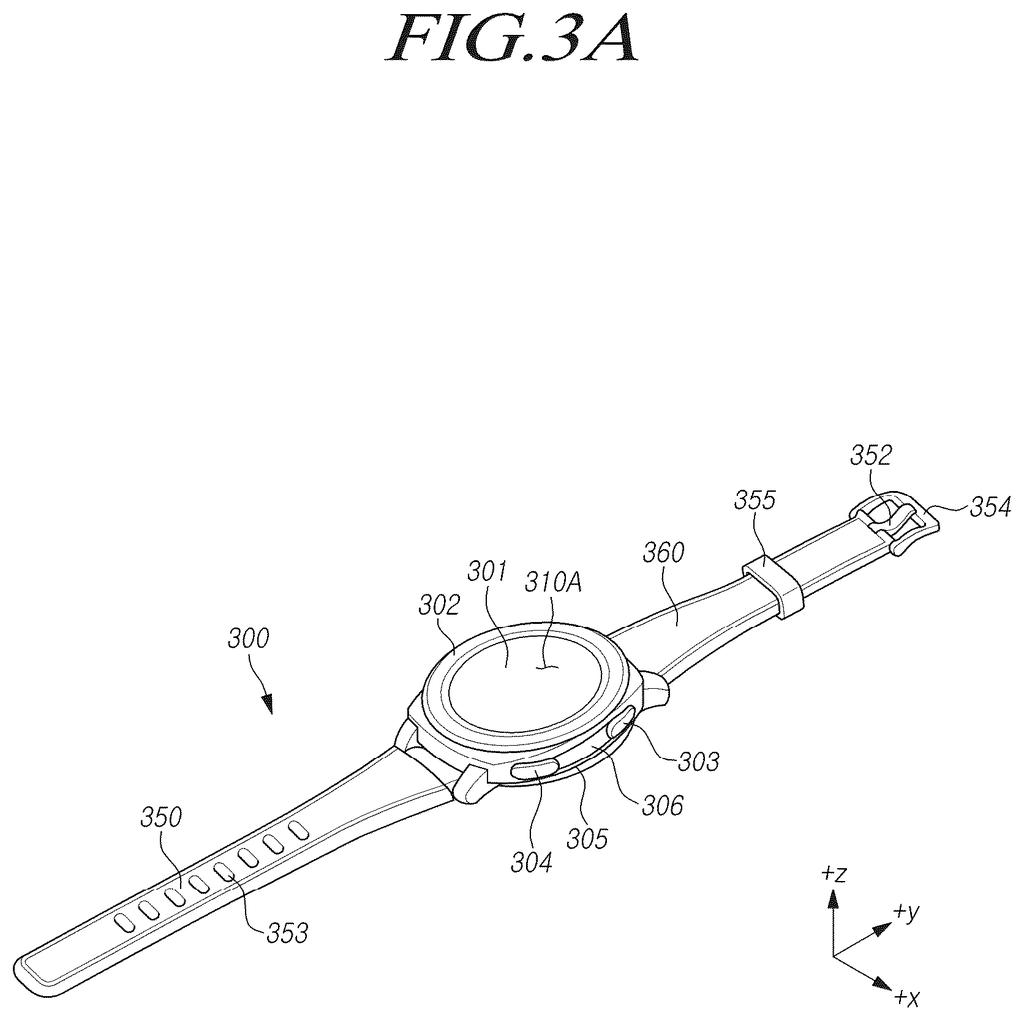
How Samsung's dual-light skin detection actually works
Ever pressed a heart-rate monitor button and wondered if it actually registered your pulse or just the air? That gap between "wearing" and "actually sensing your body" is a real problem for health wearables.
Samsung's patent describes a device with one light source and two separate light receivers, each tuned to a different color of light. By comparing what each receiver picks up when the light bounces back, the device can tell whether it's resting against skin or sitting on a table.
The payoff for you is simpler than it sounds: more accurate step counts, heart-rate readings, and blood-oxygen measurements, because the device only records health data when it's confident it's actually touching your body.
… determine whether the electronic device contacts at least a portion of a body of a user based on the first light and the second light.
Translation: The device uses two different light sensors to figure out if it is currently touching your skin.
How the two wavelength channels confirm skin contact
The patent describes a wearable device with a single light emitting unit and two distinct light receiving units, each sensitive to a different wavelength band (think different colors of light, like red versus infrared).
When the emitter fires, both receivers capture the returning light. Human skin reflects those wavelengths differently than open air, a hard surface, or clothing does. By comparing the two signals together, the processor can make a much more confident call about whether the device is touching a body.
- First light receiver: captures one wavelength band from the reflected light
- Second light receiver: captures a separate wavelength band from the same emitted light
- Processor: compares both signals to determine body-contact status
The key advantage of using two wavelength channels is that each one responds differently to skin, making it far harder for the system to be fooled by background surfaces. A single sensor can confuse a shirt sleeve for an arm; two sensors with different spectral signatures make that kind of error much less likely.
a first light emitting device configured to emit light, a first light receiving device configured to receive light of a first wavelength band, a second light receiving device configured to receive light of a second wavelength band …
Translation: The hardware includes one light source and two separate sensors that each detect a different type of light.
What this means for wearable health tracking accuracy
Health wearables live or die on data quality. If a Galaxy Watch or fitness ring is recording a heart rate while sitting on your nightstand, those readings pollute your health history in ways that are hard to untangle later. A reliable body-contact check stops that at the source, and it also lets the device decide when to activate its optical sensors rather than running them continuously, which saves battery life.
Samsung is clearly tightening the foundation that health tracking is built on, and this kind of sensor-fusion work is part of a broader wave of wearable accuracy patents covered in this week's Big Tech patents on biometric sensing.
This is the 18th Samsung filing we've tracked since June in our wearables that read your body watch, following one on sensor-accurate coatings and one on health-reading displays.
The problem this patent addresses is real and expensive. Wearables that can't confirm skin contact generate bad data, and bad health data is worse than no data because it looks legitimate. That's a meaningful quality issue, not a minor inconvenience.
The two-wavelength approach is a sensible step up from a single-sensor design. It adds almost no hardware complexity (one extra photodetector) while significantly improving the system's ability to distinguish skin from everything else.
What's less clear is whether this alone is enough to satisfy regulators or clinicians who increasingly want medical-grade accuracy from consumer wearables. The patent solves a real problem, but the gap between "better than before" and "accurate enough to matter clinically" is still wide.
Get our take in your Top Stories
Liked this breakdown? Add Patentlyze as a preferred source on Google, and our plain-English take shows up more often in your Top Stories the next time Samsung patent news breaks.
There are more where this came from
We read every patent application Big Tech publishes and send you the ones worth knowing. Plain English, free, every week.
The drawings
30 drawing sheets from US 2026/0248452 A1 · click any drawing to enlarge


Want this weekly breakdown for a company we don't cover? Patentlyze Pro →
Be the first to weigh in