
Apple Patents a System That Pauses Your AI Assistant When You're Talking to Someone
Your phone's AI assistant has no idea when you're already mid-conversation with a real person. Apple is trying to fix that by teaching devices to read the room before interrupting.
What Apple's social-awareness feature actually does for you
Right now, your digital assistant has no way to know whether you're free to receive a notification or deep in conversation with someone standing right in front of you. It will pipe up with reminders, messages, or responses regardless of what you're actually doing at that moment.
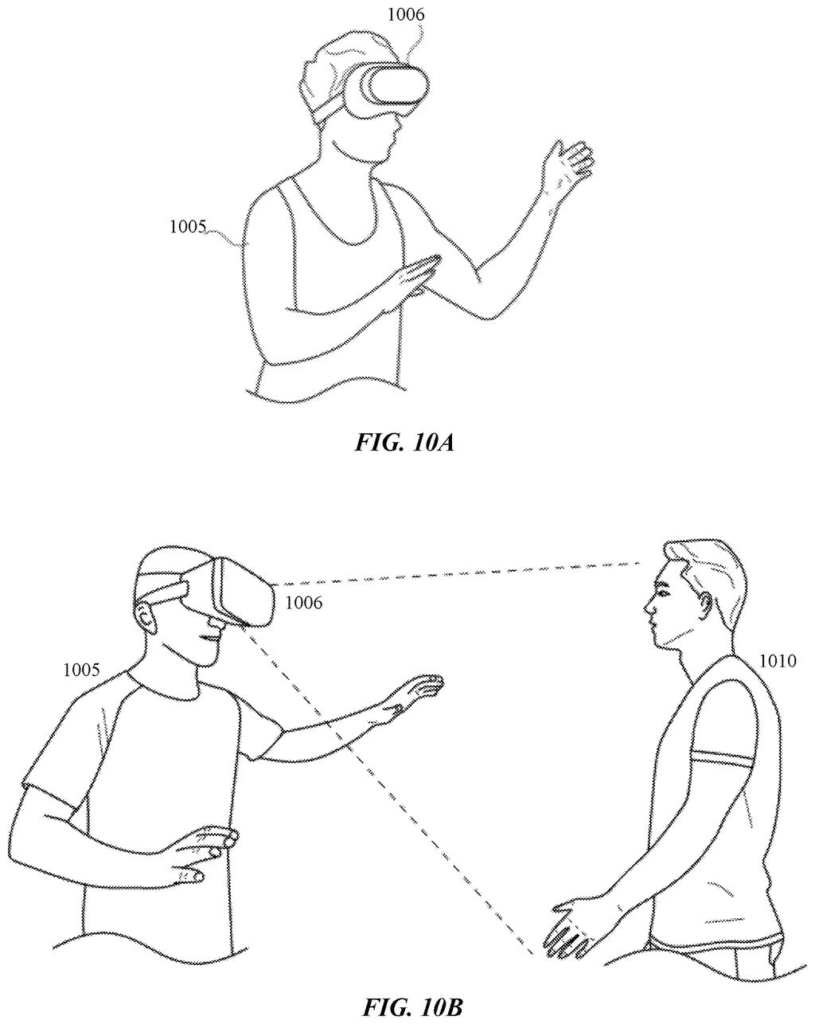
Apple's patent describes a system that watches for three cues at once: a person nearby, your eyes pointed at them, and someone speaking. When all three line up, the device decides you're socially engaged and holds its notifications until the moment passes.
The idea is that your device should be sensitive to what's happening around you, not just what's happening on screen. Instead of interrupting a face-to-face moment, the assistant steps aside and waits. Apple's interest in socially aware AI shows up here in a very practical form: fewer awkward buzzes at the wrong time.
… determine whether a user is in an engaged state based on at least one of: detecting a human in a near-field scene of the user; determining that the user is gazing at the human; detecting a speech input from at least one of the user or the human while the user is gazing at the human …
Translation: The system figures out you are talking to someone by noticing another person nearby, eye contact, and spoken words.
How the device detects eye contact, faces, and live speech
The patent describes a method for detecting what it calls an engaged state, a condition where the user is actively interacting with another person nearby.
The system works by combining three signals from the device's sensors:
- Face or person detection: The camera identifies a human in the immediate scene, meaning close by rather than across a room.
- Gaze tracking: The device checks whether the user's eyes are directed toward that person, confirming attention rather than just proximity.
- Live speech detection: The microphone picks up speech from either the user or the person they're looking at, confirming an actual exchange is happening.
The system also analyzes the context of the speech, meaning it tries to understand what the conversation is about and what the user probably intends, so it can make a smarter call about whether to hold back.
When all the signals align, the device withholds pending notifications, assistant responses, and other outputs until the engaged state ends. The patent does not specify a hard timer; it links the pause to the ongoing social interaction itself.
In response to determining that the user is in the engaged state, foregoing providing the one or more outputs to the user while the user is in the engaged state.
Translation: When it detects a conversation, it stops bothering you with notifications or audio output.
What this means for AI assistants in face-to-face moments
Interruptions from devices during real-world conversations are one of the most reliably annoying problems with modern assistants. This patent addresses that friction at the sensor level rather than asking users to manually set a "do not disturb" mode every time they talk to someone.
For users of wearables like Apple Watch or glasses-style devices, the benefit is especially clear: a device on your face or wrist that keeps talking when you're in a live conversation is socially disruptive in a way a phone in your pocket is not. Teaching the device to recognize and respect those moments is a meaningful step toward assistants that fit into human life rather than constantly cutting across it.
Apple filed its 31st application we've tracked in our eye and hand control watchlist since May, building on work like hand tracking in the dark and pupils shifting the display.
The problem this patent attacks is real and underappreciated. Assistants that interrupt face-to-face conversations are not just annoying; they signal that the device has no model of social context at all, which becomes a serious barrier to how much people will actually trust and use always-on AI.
The approach here is thoughtful. Using gaze direction as the key signal rather than just proximity or sound is a meaningful distinction, because you can be near someone and hear them without being in a conversation with them. Combining it with live speech detection tightens the logic further.
Whether this works cleanly in practice is the open question. Eye contact tracking in real lighting conditions, on moving devices, with different face geometries, is a hard engineering problem. The patent describes the right goal; shipping it reliably is the harder part.
There are more where this came from
We read every patent application Big Tech publishes and send you the ones worth knowing. Plain English, free, every week.
The drawings
21 drawing sheets from US 2026/0290341 A1 · click any drawing to enlarge


Want this weekly breakdown for a company we don't cover? Patentlyze Pro →
Be the first to weigh in