
Samsung Patents an Internal Acoustic Duct That Routes Speaker Sound Around Display Electronics
Getting loud, clear speaker audio out of a razor-thin smartphone is harder than it looks — especially when the display's driver circuitry is sitting right where the sound needs to go. Samsung's new patent solves that by building a dedicated acoustic tunnel inside the phone's frame itself.
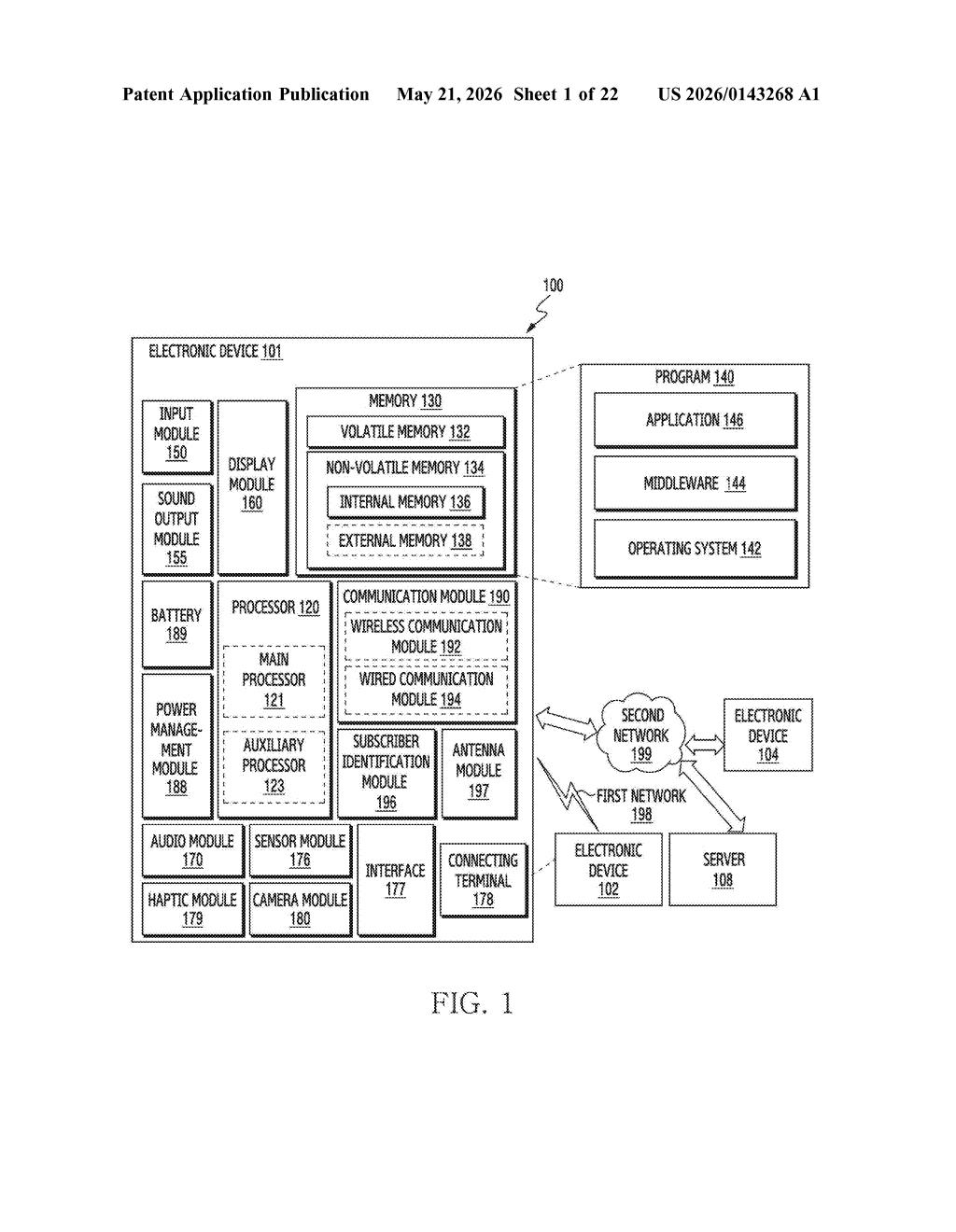
What Samsung's hidden speaker duct actually does
Imagine trying to pipe water through a wall that's already packed with electrical wiring. That's roughly the challenge phone engineers face when routing speaker sound to the tiny audio hole on a modern smartphone — the space inside is crowded with the flexible display and its control chips.
Samsung's patent describes a solution: a purpose-built acoustic duct — essentially a miniature sound tunnel — carved through the phone's metal or plastic frame. The duct connects the front of the speaker to the audio hole on the outside of the device, but it's physically walled off from the section of the frame where the display's driver circuitry lives.
The key benefit is that sound travels its own dedicated path, so vibrations from the speaker don't interfere with the sensitive display electronics, and the display hardware doesn't block or distort the audio on its way out. It's a structural solution to what is fundamentally a space-management problem inside increasingly thin phones.
How the acoustic duct separates sound from display circuitry
The patent describes an electronic device — almost certainly a smartphone — built around a two-part frame: a first frame part that supports the main display area, and a second frame part that covers the far end of the display where the driver IC (the chip that tells the screen what to show) connects.
The display itself is described in three sections:
- A first portion — the pixel-bearing panel you actually look at
- A second portion — the far end connected to the display driver integrated circuit (DDIC), the chip controlling the screen
- A third portion — the bridge connecting those two, which bends or extends under the second frame part
The acoustic duct (also called an acoustic conduit in the abstract) is a physical channel that passes through the frame to link the speaker's front cavity to the audio hole. The critical engineering detail is that the duct is physically separated from the space where the display's third portion — the DDIC connection bridge — lives. The first frame part acts as the dividing wall.
This isolation matters because the display flex cable and driver IC are heat- and vibration-sensitive. Keeping the sound path mechanically separate reduces the risk of acoustic energy coupling into the display assembly and also prevents the display hardware from physically obstructing or narrowing the sound channel.
What this means for thin phones with edge-to-edge displays
As phones push displays closer and closer to all four edges, the internal real estate for routing audio gets squeezed hard. The display's driver IC and its connecting flex cable have to go somewhere, and that somewhere increasingly overlaps with the natural path sound would take from speaker to grille. A dedicated acoustic duct that's structurally isolated from display components is a clean engineering answer to that conflict.
For you as a user, this kind of internal architecture is what separates a phone that sounds clear and loud from one that sounds muffled or thin — even when the specs look identical on paper. If Samsung ships this in a future Galaxy device, it would suggest the company is investing seriously in speaker quality as a differentiator for ultra-thin form factors.
This is solid, unglamorous engineering work — the kind of patent that rarely makes headlines but absolutely shows up in product reviews as 'surprisingly good speakers for a phone this thin.' Samsung has been steadily improving audio in the Galaxy S line, and a structurally isolated acoustic duct is exactly the sort of detail that makes those gains possible without compromising display real estate. Worth paying attention to.
Get our take in your Top Stories
Liked this breakdown? Add Patentlyze as a preferred source on Google, and our plain-English take shows up more often in your Top Stories the next time Samsung patent news breaks.
There are more where this came from
We read every patent application Big Tech publishes and send you the ones worth knowing. Plain English, free, every week.
Want this weekly breakdown for a company we don't cover? Patentlyze Pro →