
Samsung Patents a Multi-Wavelength LiDAR System with Optical Path Separation
Samsung is working on a LiDAR system that fires multiple light beams at different wavelengths simultaneously — and uses a clever optical trick to keep the outgoing and incoming signals from stepping on each other.
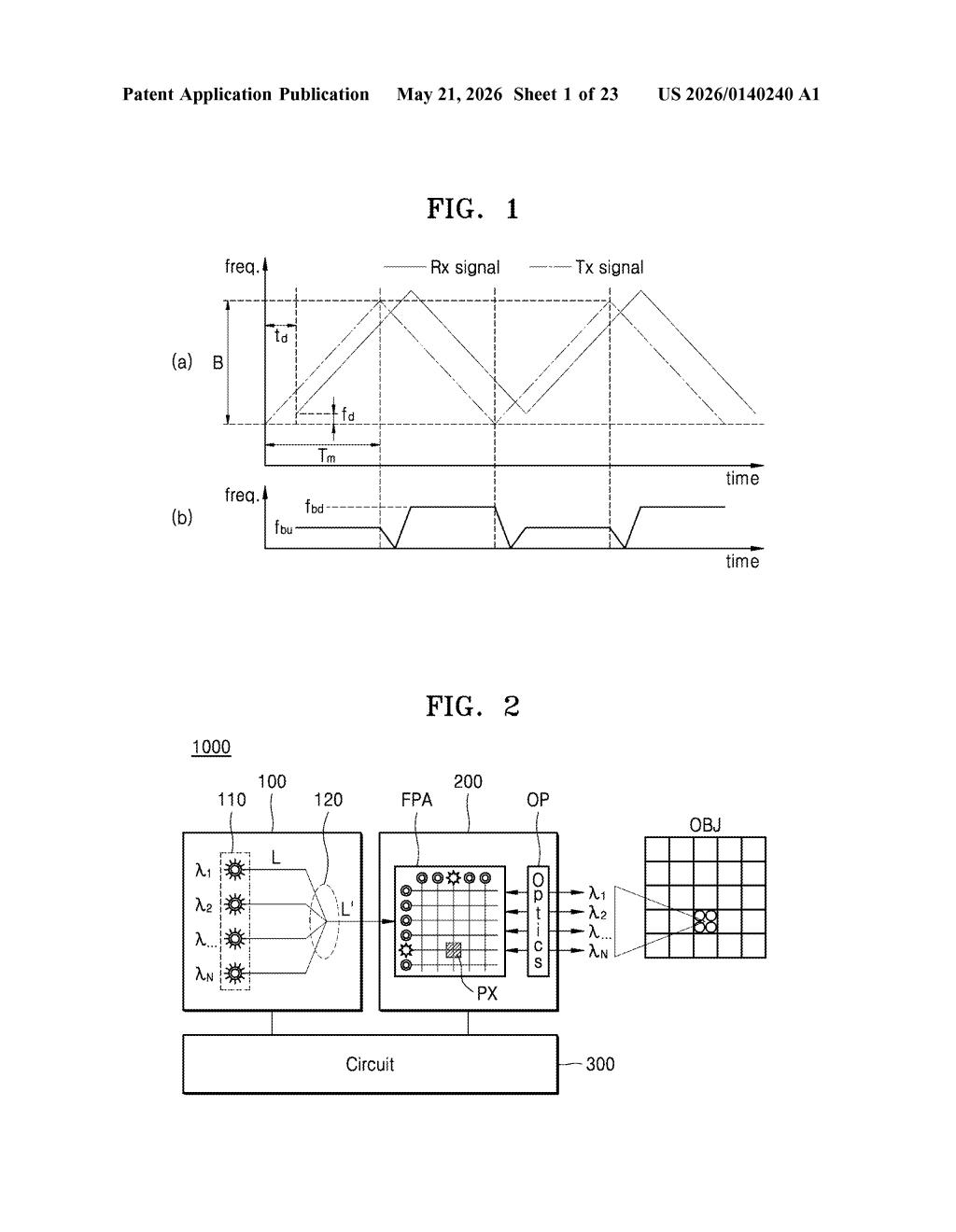
What Samsung's multi-wavelength LiDAR actually does
Imagine a bat using echolocation — it sends out a sound pulse and listens for the echo bouncing back from obstacles. LiDAR works the same way, but with light instead of sound. The tricky part is making sure your sensor can listen for the faint returning echo while also shouting the original signal outward.
Samsung's patent describes a LiDAR system that generates several beams of light, each at a different wavelength (think different colors of light, invisible to the eye). All of those beams go out as one combined transmission, hit a target, and bounce back as a return signal.
The key ingredient is an optical path separator — a component that keeps the outgoing light and the returning light from mixing together inside the sensor. A convex lens sits inside that separator to help route the beams correctly. The result is a cleaner, more reliable depth-sensing system.
How the convex lens separates LiDAR's send and receive paths
At its core, this patent describes a LiDAR architecture built around three main ideas:
- Multi-wavelength signal generation: A signal generator produces multiple light beams, each at a distinct wavelength. Using multiple wavelengths can improve range accuracy and help distinguish real returns from noise or interference.
- A shared transceiver: A single unit handles both transmitting the combined outgoing light and receiving the reflected light that bounces back from objects. Combining these in one unit keeps the hardware compact.
- Optical path separation with a convex lens: The most technically specific claim here is an optical path separator — a component that physically routes the outgoing beam down one optical path and the returning reflected signal down a separate path. A convex lens (a lens that focuses light inward) sits inside this separator. The lens helps collimate or redirect one of the beams so the two paths don't interfere with each other.
The challenge this solves is a classic one in optical sensing: if you're sending and receiving light through the same hardware, the powerful outgoing signal can swamp the much weaker return signal. Keeping those paths clean is essential for accurate distance measurement.
What this means for Samsung's sensor ambitions
LiDAR is central to autonomous vehicles, robotics, and increasingly, consumer devices — and the race to make it smaller, cheaper, and more accurate is intense. A multi-wavelength design with cleaner optical path separation could improve depth resolution and reduce crosstalk, both of which matter if you're trying to fit LiDAR into something the size of a phone or a robot vacuum.
Samsung makes everything from image sensors to automotive chips, so a LiDAR patent filing fits neatly into its broader sensor ambitions. Whether this ends up in a vehicle sensor array, a robotics platform, or something else entirely isn't clear from the filing — but it signals that Samsung is investing engineering attention in the fundamentals of how LiDAR hardware is architected.
This is a fairly foundational optical engineering patent — the kind that's more about getting the basics right than announcing a flashy new product. The convex-lens-in-an-optical-path-separator approach is specific enough to be meaningful, but this filing reads more like infrastructure work than a headline feature. Worth tracking if you follow Samsung's sensor division, but not a signal of an imminent product launch.
There are more where this came from
We read every patent application Big Tech publishes and send you the ones worth knowing. Plain English, free, every week.
Want this weekly breakdown for a company we don't cover? Patentlyze Pro →