
Samsung
Samsung · AI / ML · Filed Jun 26, 2026 · USPTO published Nov 12, 2026 · This week's release
Samsung Files Patent for Phone Photo Cleanup That Pauses When Your Battery Runs Low
Samsung's photo-cleanup AI works in many small passes, and this filing lets your phone decide how many to run. It can even stop mid-photo when the phone gets hot or the battery runs low.
- Publication number
- US 2026/0361996 A1(US20260361996A1)
- Applicant
- SAMSUNG ELECTRONICS CO., LTD.
- Filed · Published
- Jun 26, 2026 · Nov 12, 2026
- Inventors
- Sejun SONG, Jongbum CHOI, Hyunhee PARK
- Status when we published
- Waiting for an examiner
- Document
- 20 claims
- US classification
- 348/222.1
- Parent application
- Continuation of PCT/KR2024/018225 (filed Nov 19, 2024)(PCTKR2024018225)
What Samsung's adjustable photo cleanup does
A phone snaps a photo in a dim restaurant, then spends a few seconds scrubbing the grain out of it. A photo taken in bright sunlight barely needs that scrubbing, and giving it the same treatment just burns battery.
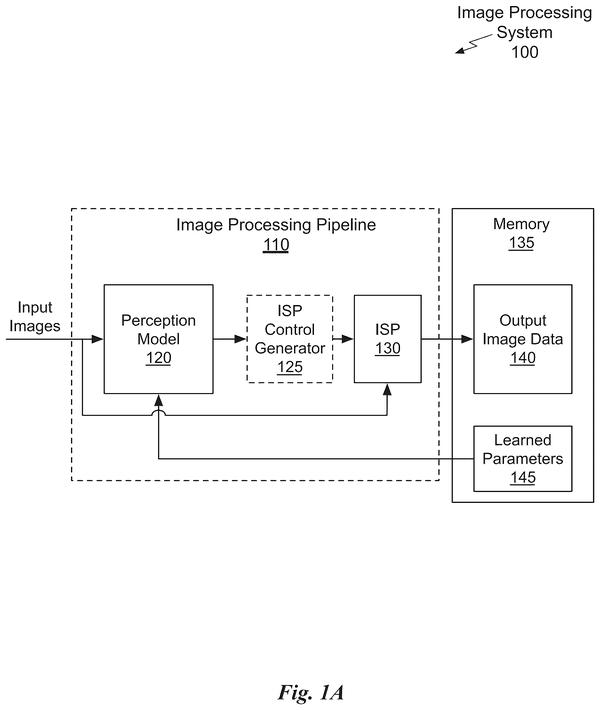
Samsung's filing describes an AI that cleans up a picture in many small passes, with each pass making it a little sharper and less grainy. The phone chooses how many passes to run based on the photo itself and on the state of the phone. A dark, noisy shot gets more passes. An easy, bright one gets fewer.
There is also an off switch of sorts. If your battery is low or the phone is running hot, it can stop mid-job, save the half-finished picture, and finish later once things calm down.
determine, based on image information related to a target image or context information related to a state of the electronic device, at least one image processing step for acquiring the processed image from the target image, among a plurality of image processing steps performed by the neural network model …
Translation: The phone checks the photo and its own battery level to decide how to edit the image.
How the phone picks how many passes to run
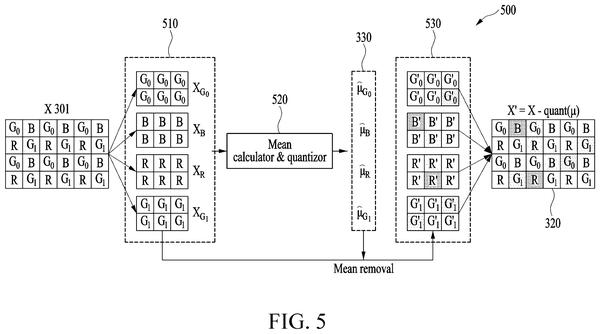
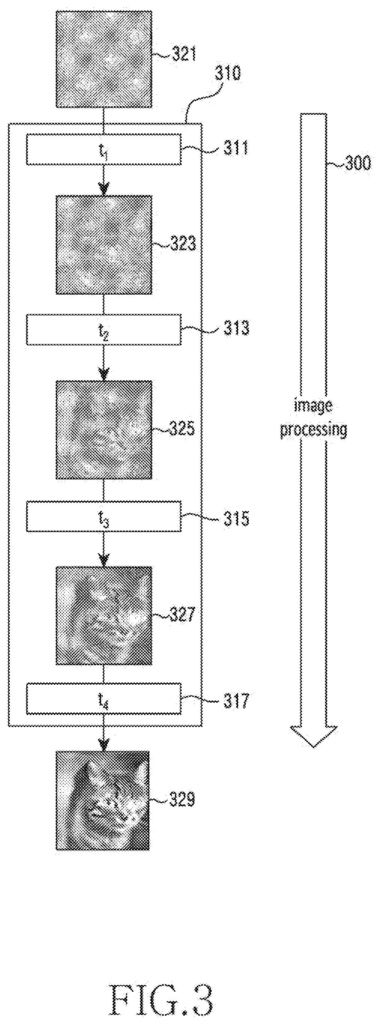
The model at the center uses an iterative refinement approach (the same idea behind many AI image generators, often called a diffusion process). In training, clean pictures are damaged with noise again and again, and the AI learns to reverse that damage one small step at a time. On a real photo, the phone feeds the image in, gets a slightly better version out, and feeds that back into the same model, repeating until the picture is clean.
The new part is that the phone does not have to run every step the model was trained on. The filing gives the example of picking 200 steps out of 1000. Each pass carries a step identification value (a number telling the model which stage it is on). The claims tie the step count to camera conditions:
- A narrower dynamic range (the gap between the darkest and brightest parts of a scene) means fewer steps.
- Brighter light means fewer steps.
- A higher sensor gain (how much the camera boosts a weak signal, common in the dark) means more steps.
Separately, the phone can stop partway. When a storage condition is met, such as low battery, a hot chip, or the gallery app opening, it saves the half-cleaned image and its step number. After the temperature falls below a second, lower threshold, it restarts from the saved step. The description also mentions giving faces and text extra steps, and using fewer steps during live preview.
An electronic device includes one or more processors, and memory configured to store instructions and a neural network model created by training a neural network to output an inference result for information of an input image.
Translation: The phone uses an AI model stored in its memory to analyze and process your pictures.
Why this matters for your phone's battery
If this ever shows up in a phone, the practical effect would be a camera that spends effort only where a photo needs it. Easy daytime snaps would finish faster and use less battery, while a dark, grainy night shot gets the full treatment. The pause-and-resume piece means a phone that is hot or nearly out of power could set heavy photo work aside and finish later.
The filing frames the goal as high-quality images at faster speed and lower power use. That matters because AI cleanup of this style needs many passes, which is expensive on a battery-powered device. A patent application is not a product, and this one does not name one, so read it as a look at the problem Samsung is trying to solve: making heavy AI photo tools affordable on a phone.
Samsung's 167th filing we've tracked since May in our camera sensor push watchlist adds to earlier work like fixing zoomed photo detail and the thumbnail mismatch fix.
Source: US 2026/0361996 A1 at the USPTO (PDF). Full patent text and figures are in the official publication.
Get our take in your Top Stories
Liked this breakdown? Add Patentlyze as a preferred source on Google, and our plain-English take shows up more often in your Top Stories the next time Samsung patent news breaks.
Add Patentlyze on Google
One click.
There are more where this came from
We read every patent application Big Tech publishes and send you the ones worth knowing. Plain English, free, every week.
The drawings · 11 sheets
11 drawing sheets from US 2026/0361996 A1 · click any drawing to enlarge


Show the other 3 sheets


More from Samsung
All 1,629 Samsung patents →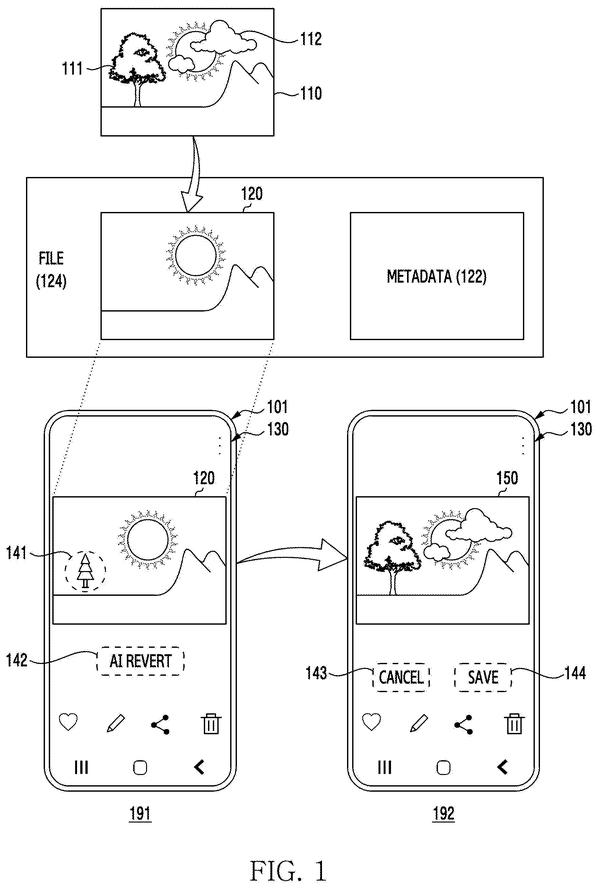
More in AI / ML
All 2,637 AI / ML patents →
Google
Google Files Patent for AI That Captions One Chosen Part of a Photo
Google
Google Patents an AI Reviewer That Grades How Good Your Videos Look
Qualcomm
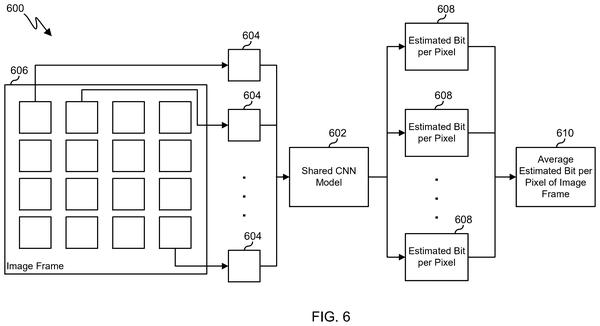
Qualcomm Files Patent to Clean Up Grainy Phone Photos Using a Shrunken Copy
Nvidia
No comments yet