
Samsung
Samsung · AI / ML · Filed Apr 13, 2026 · USPTO published Nov 12, 2026 · This week's release
Samsung Files Patent for Training AI to Restore Fine Detail in Blurry Photos
Zoom into an old photo and it falls apart into mush. Samsung has filed a patent on a training method meant to help AI rebuild the fine texture that low-resolution images lose.
- Publication number
- US 2026/0359958 A1(US20260359958A1)
- Applicant
- Samsung Electronics Co., Ltd.
- Filed · Published
- Apr 13, 2026 · Nov 12, 2026
- Inventors
- Joonsoo Kim, Tien C. Bau
- Status when we published
- Waiting for an examiner
- Document
- 20 claims
- US classification
- 382/274
- Parent application
- Claims priority from a provisional application 63802452 (filed May 8, 2025)
What Samsung's photo-sharpening AI actually does
A photo taken years ago on an old phone looks soft the moment you zoom in. A show made for a smaller screen looks the same when it gets stretched across a big TV.
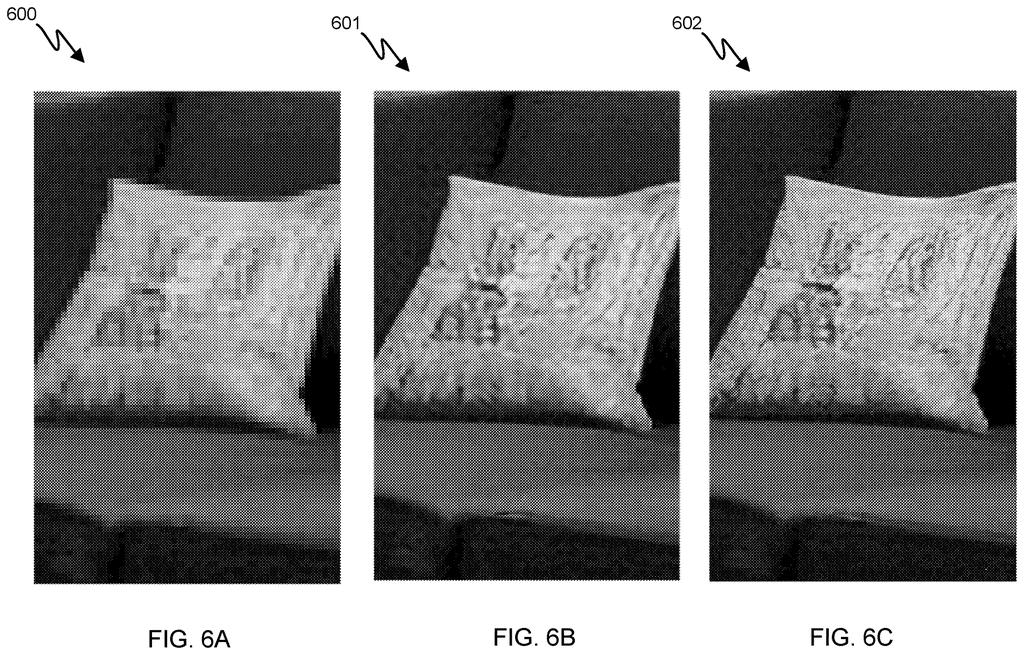
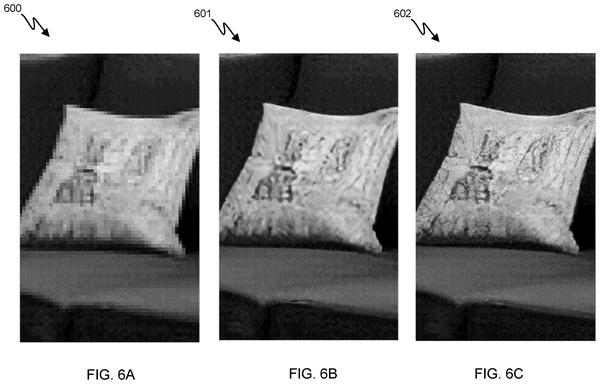
Samsung's patent is about teaching an AI to fill in the missing fine detail, like the leaves of a plant or the fabric of a couch pillow, instead of just making the blur bigger. The AI starts from pure static and cleans it up step by step until a sharper picture appears, guided by the small original image.
The new part is how the AI is graded while it learns. Instead of only checking whether it removed the static correctly, it also gets scored on whether the finished picture looks right to a separate image-checking system. That extra score is meant to push it toward sharper, cleaner detail.
generating a super resolution (SR) image using an artificial intelligence model to restore perceptual details of an image, wherein the artificial intelligence model is trained using perceptual loss …
Translation: An AI sharpens blurry pictures by learning how to fill in missing visual details.
How the AI is graded while it learns detail
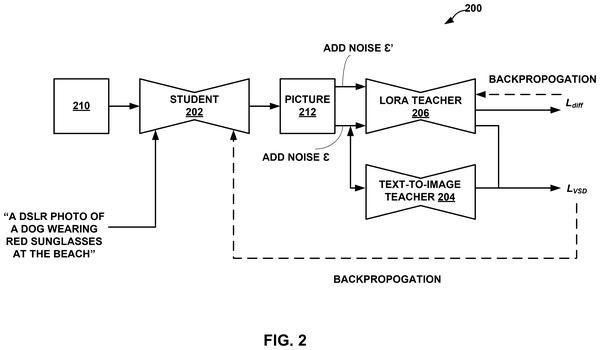
The patent covers super resolution (turning a small, low-resolution picture into a larger, sharper one) using a diffusion model, an AI that builds an image by starting from random static and removing noise in many small steps. The claims focus on how it is trained, using a perceptual loss, a score for whether a result looks right to the eye rather than whether each pixel matches.
Training works like this:
- The AI works on the residual, the difference between the sharp and blurry versions, instead of rebuilding the whole picture.
- It predicts the noise in a noisy residual, and that is combined with the low-resolution image to form a predicted sharp image. The same is done with the true noise to form a reference image.
- Both images go through a perceptual network (the filing says it can be a standard image-analysis model called VGG), which compares them and produces the score.
The loss function weights two scores differently at different steps. Very noisy steps lean on the plain noise-matching score, since image-checking networks cannot read heavy static. Cleaner steps lean more on the perceptual score. The filing says keeping the low-resolution image in every prediction stops training from falling apart.
The filing adds that smaller networks with fewer steps lose detail, and this training helps them keep it.
… the perceptual loss is calculated using a predicted denoised residual image, an original denoised residual image, and a low-resolution (LR) image.
Translation: The system trains itself by comparing the cleaned up photo against the original blurry image.
Why this matters for TVs and phone photos
If this works as described, photos you zoom into and video stretched onto a big screen could keep more fine detail. The filing names smartphones and televisions as places it could be used, and says the method is especially helpful when the AI is made smaller and runs in fewer steps. Smaller models are easier to fit on everyday devices.
For Samsung, which makes both phones and TVs, better upscaling is a visible quality feature. The filing includes two before-and-after image sets, a plant and a couch pillow, showing sharper and cleaner results with the perceptual score than without it.
Samsung's 168th filing we've tracked since May builds on ideas like battery-aware photo cleanup and restoring zoomed detail, adding another piece to our camera sensor push watchlist.
Source: US 2026/0359958 A1 at the USPTO (PDF). Full patent text and figures are in the official publication.
Get our take in your Top Stories
Liked this breakdown? Add Patentlyze as a preferred source on Google, and our plain-English take shows up more often in your Top Stories the next time Samsung patent news breaks.
Add Patentlyze on Google
One click.
There are more where this came from
We read every patent application Big Tech publishes and send you the ones worth knowing. Plain English, free, every week.
The drawings · 8 sheets
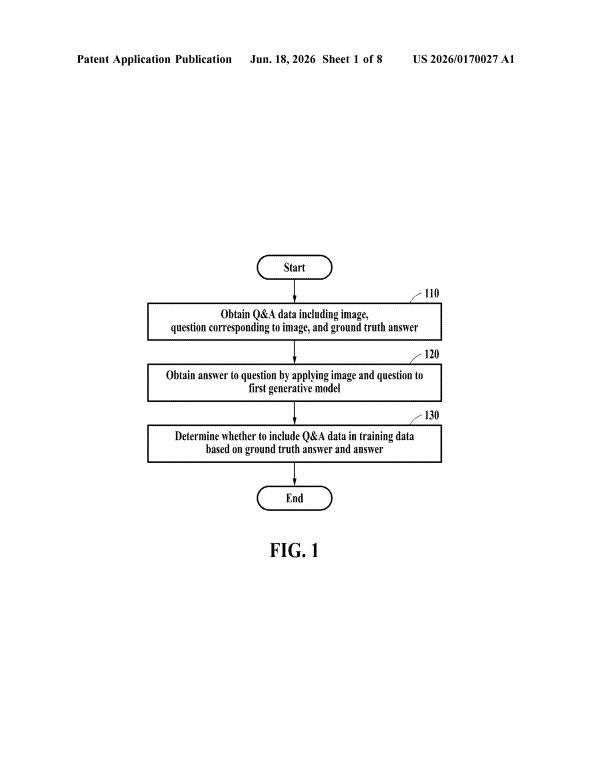
8 drawing sheets from US 2026/0359958 A1 · click any drawing to enlarge


More from Samsung
All 1,629 Samsung patents →

More in AI training & infrastructure
All 316 AI training & infrastructure patents →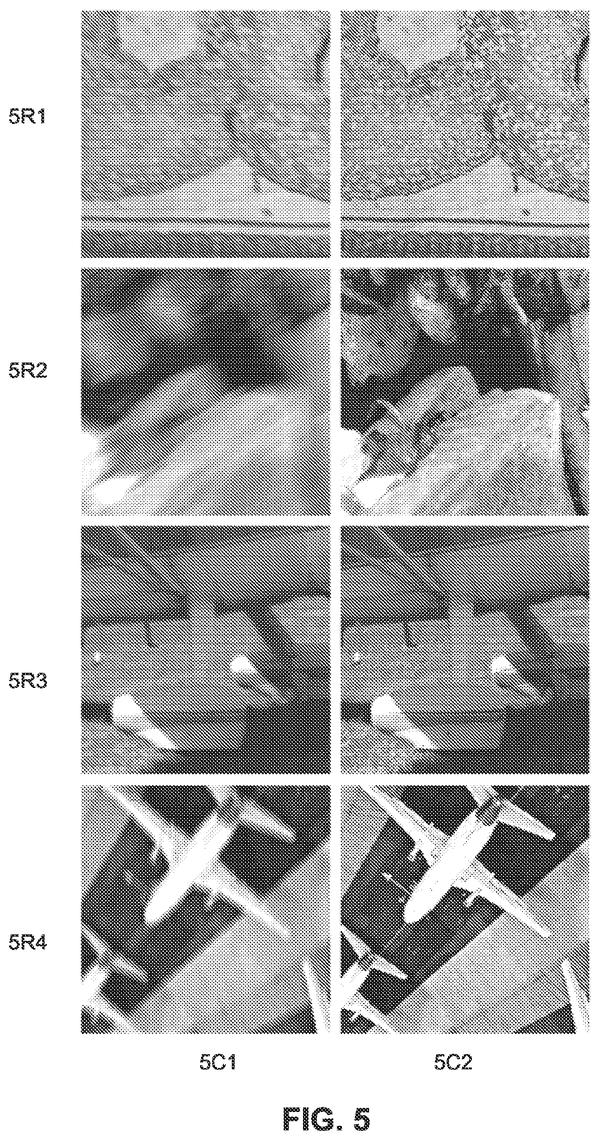
Google
Google Files Patent to Fix Blurry, Grainy Photos by Training AI on Fake Flaws
Google
Google Patents a Way to Teach AI How Light Changes a Photo
Google
Google Patents a Way to Train AI to Reframe Photos Using Plain-English Commands
Disney
No comments yet