
Samsung
Samsung · AI / ML · Filed May 27, 2026 · USPTO published Nov 12, 2026 · This week's release
A New Samsung Patent Tracks Which Phone Sent a Bad AI Update
Phones that tweak a shared AI to fit you can also spoil it. Samsung's patent application gives every tuned model a signed tag tied to the chip that made it, so the server can spot and shut out repeat offenders.
- Publication number
- US 2026/0359036 A1(US20260359036A1)
- Applicant
- SAMSUNG ELECTRONICS CO., LTD.
- Filed · Published
- May 27, 2026 · Nov 12, 2026
- Inventors
- Kyungsun CHO, Jaemin RYU
- Status when we published
- Waiting for an examiner
- Document
- 20 claims
- US classification
- 717/168
- Parent application
- Continuation of PCT/KR2026/096855 (filed May 12, 2026)(PCTKR2026096855)
What Samsung's signed personal AI models do
Your phone's AI can learn from how you use it, and a company can fold those lessons back into the shared AI everyone downloads. The catch is that some of what phones learn is biased, distorted, or planted on purpose, and a shared AI that absorbs it gets worse for everybody.
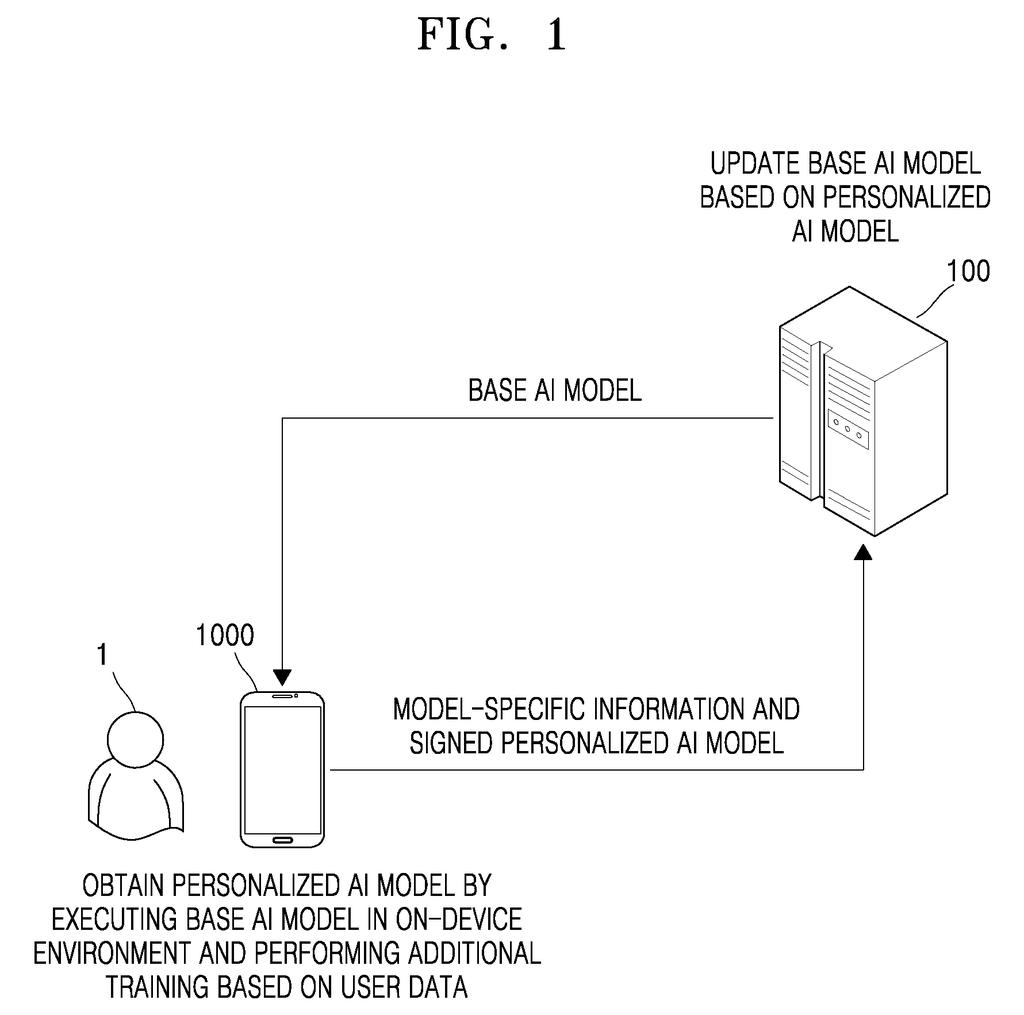
Samsung's patent application describes a paper trail for that process. After your phone tunes its own copy of the AI, it stamps the result with an ID built from tiny physical quirks of its processor chip, plus details like the region and time. It signs the model with that ID and sends both to Samsung's server.
If the server finds a model that has drifted too far from the original, it can remember where that model came from. Later models from the same phone, from other phones owned by the same person, or from the same group of devices can then be turned away.
… obtaining, by the user terminal, a personalized AI model by performing fine-tuning on the base AI model based on user data, wherein the user data is collected in a process of executing the base AI model on the user terminal; …
Translation: The phone customizes its AI software by learning from how you use it daily.
How the server spots and blocks bad AI models
The phone first downloads a base AI model (the general-purpose version) from the server. It then fine-tunes it (retrains it slightly) on what you type, say or photograph while using it. The filing says this happens in a trusted execution environment (a walled-off part of the chip that ordinary apps cannot touch), and the input is anonymized or reworded first, for example by swapping synonyms, to protect privacy.
Next the phone builds model-specific information. The core is a key from a physical unclonable function (a fingerprint made from microscopic manufacturing differences in the chip). Around it go:
- The region and locale of the phone
- A group the device belongs to
- The device model, plus the date and time
- IDs for the secure environment that ran the tuning
Private fields are scrambled with a hash (a one-way scramble) and a random number. The phone then signs the model's structure and values with the key, and sends everything to the server.
On the server, the check is numeric. It compares each setting in the personalized model with the base model, then looks at the average gap, the spread, or how many settings moved past a limit. In the filing's example, two settings shifting by more than 0.4 get a model flagged. Once a model is flagged, later models from the same chip, the same owner, or the same group can be rejected or re-checked.
Why Samsung wants to trace bad AI updates to a phone
If your phone ever lets an AI learn your habits and then shares what it learned, someone has to decide whose lessons count. This filing gives the server a way to say no, and to remember who it said no to. A bad batch from one device could be kept out of the update that reaches everyone else.
There is a trade-off. Tying every submission to a specific chip means the server can recognize a repeat sender, though the filing scrambles the private chip ID fields. And excluding by owner or group means one flagged device could cut off others. How fair that turns out depends on how a company applies it.
Samsung's 15th filing we've tracked since June in our AI guardrails race watch builds on earlier applications like one blocking data misuse and one curbing photo hallucinations.
Source: US 2026/0359036 A1 at the USPTO (PDF). Full patent text and figures are in the official publication.
Get our take in your Top Stories
Liked this breakdown? Add Patentlyze as a preferred source on Google, and our plain-English take shows up more often in your Top Stories the next time Samsung patent news breaks.
Add Patentlyze on Google
One click.
There are more where this came from
We read every patent application Big Tech publishes and send you the ones worth knowing. Plain English, free, every week.
The drawings · 14 sheets
14 drawing sheets from US 2026/0359036 A1 · click any drawing to enlarge


Show the other 6 sheets


More from Samsung
All 1,629 Samsung patents →


More in AI / ML
All 2,637 AI / ML patents →
Google
Google Patents Vibrations That Tell You How Sure Its AI Is
IBM
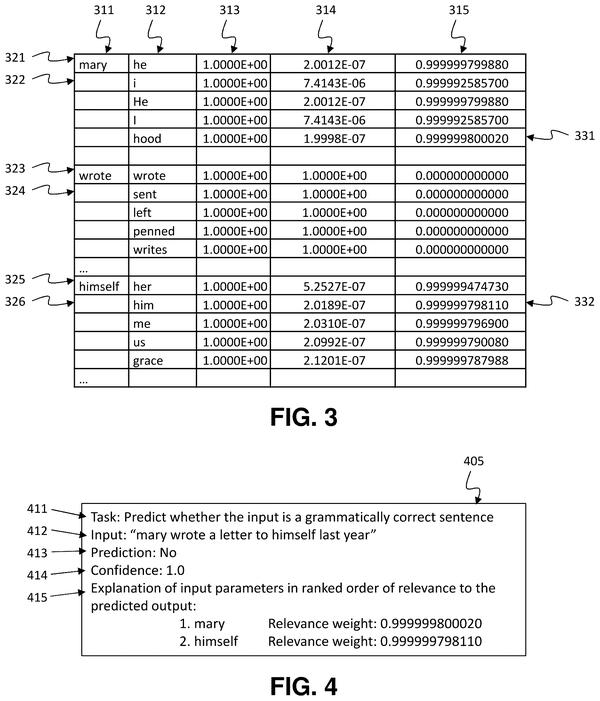
IBM Files Patent for Showing Which Words or Image Areas Swayed an AI
Microsoft
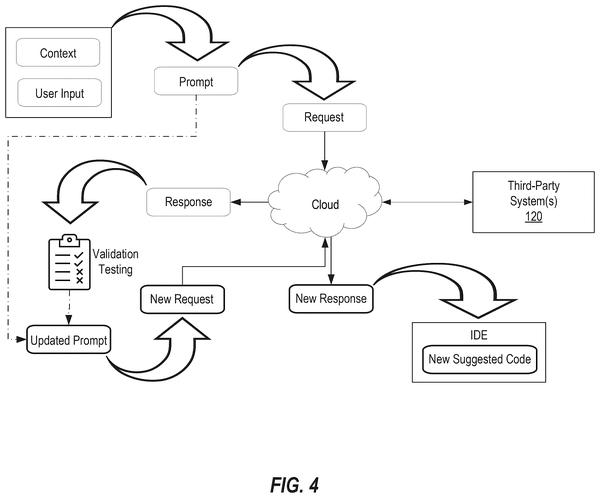
Microsoft Files Patent for AI Coding Help That Checks Its Own Work First
IBM
No comments yet