
Apple Patents a System That Reconstructs Hidden Faces in VR Avatars
When you're wearing Apple's Vision Pro and take a sip of coffee, your digital avatar's mouth disappears — this patent is Apple's answer to that awkward gap.
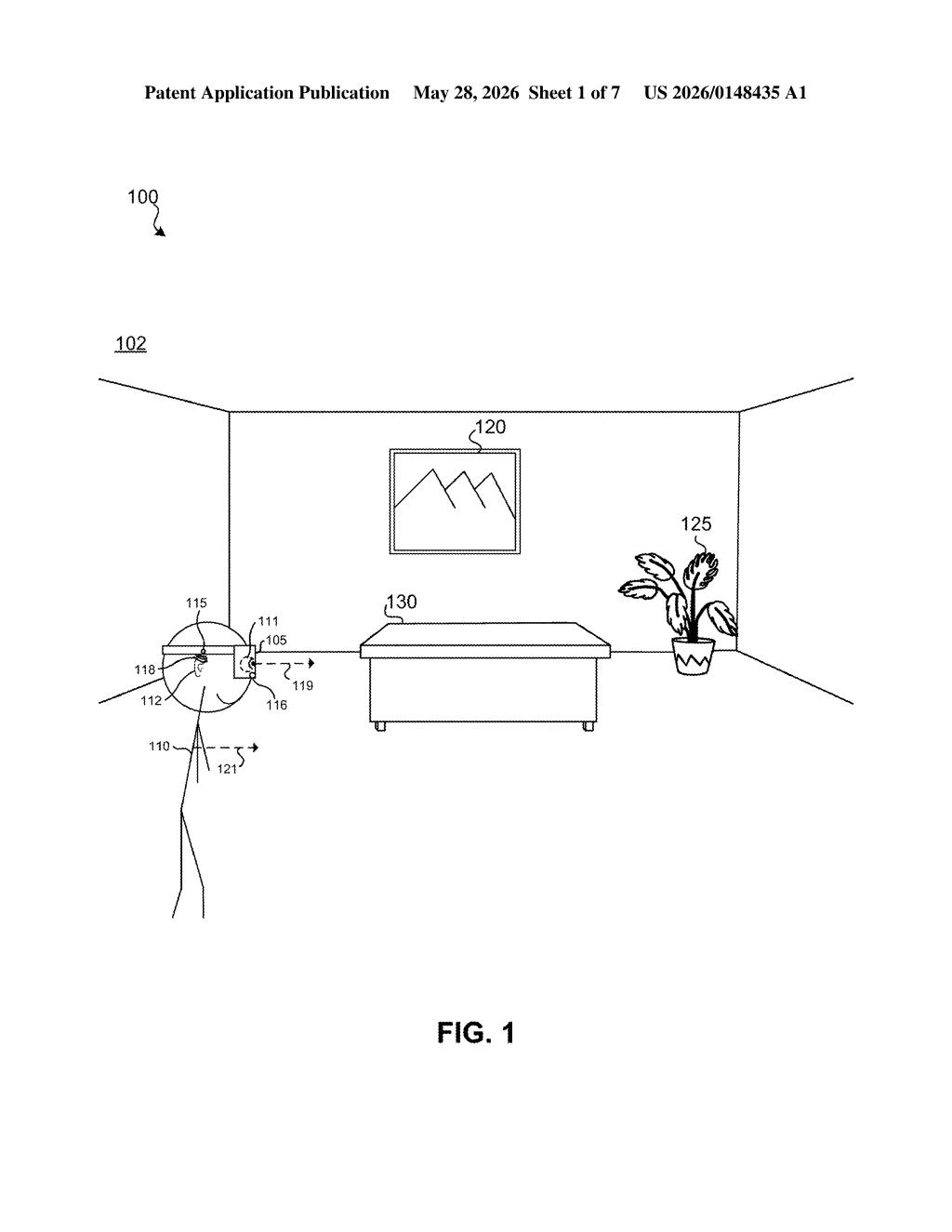
What Apple's occluded-face fix actually does
Imagine you're in a FaceTime call or a shared virtual space using a headset, and your avatar is supposed to mirror your real facial expressions. Now imagine you bring a cup of coffee to your lips — suddenly your mouth is hidden from the headset's inward-facing cameras, and your avatar's face goes blank or glitchy. Not a great look.
Apple's patent describes a way to handle that gracefully. When the device detects that part of your face — like your mouth — is about to be or is currently blocked from its sensors, it falls back on prior data it already has about your face. Instead of a missing mouth or a frozen expression, your avatar can display something plausible based on what your face looked like before the obstruction.
The result is a smoother, more natural-looking avatar even during those brief moments when the hardware simply can't see you clearly. It's less about guessing and more about using what the system already knows about your face to bridge the gap.
How the HMD detects and fills in missing face data
The system lives on the processor of a head-mounted device (HMD) — think Vision Pro's inward-facing sensor array. It continuously monitors sensor data for what the patent calls a "sensor data condition" — essentially, a signal that a chunk of the user's face is blocked from view.
When that condition is detected, the device switches modes: instead of trying to render the occluded face region from live camera input (which it doesn't have), it pulls from prior user data — previously captured information about how that person's face looks. This stored data is then used to generate the missing portion of the user representation (the avatar) for however long the occlusion lasts.
The patent is specifically about the decision logic — when to switch, what data to use, and how to generate a coherent avatar output during that window. A few key components:
- Occlusion detection: Identifies when a face region (e.g., the mouth) is hidden in sensor data
- Prior user data: A stored baseline of the user's facial geometry or expression state
- Representation generation: Producing a plausible avatar output for the occluded period
- Anticipatory triggering: The system can act when occlusion is about to happen, not just after the fact
The anticipatory element is notable — it suggests the device may use motion prediction to get ahead of the obstruction before it fully hits.
What this means for avatar fidelity on Vision Pro
Avatar fidelity is one of the core UX bets Apple made with Vision Pro's Persona feature, which uses machine learning to generate a digital likeness of your face during calls. Right now, if your face is partially obscured, the avatar can look unnatural or incomplete — which undermines the whole point of having a lifelike avatar in the first place.
This patent is essentially graceful degradation infrastructure: it doesn't make the avatars more expressive in normal conditions, but it keeps them from falling apart in edge cases. For you as a user, this is the difference between your Persona looking human during a casual video call and looking broken the moment you reach for your coffee mug.
This is quiet but real polish work on Vision Pro's Persona system. It won't make headlines like a new sensor type would, but consistent avatar quality during real-world use is exactly where spatial computing lives or dies — and Apple clearly knows that. Worth tracking as a signal of how seriously they're taking Persona as a long-term platform.
There are more where this came from
We read every patent application Big Tech publishes and send you the ones worth knowing. Plain English, free, every week.
Want this weekly breakdown for a company we don't cover? Patentlyze Pro →