
Samsung Patents a Flexible Display Control System for Its Slidable Phone
When a phone's screen physically slides out from its housing, the edge where hidden meets visible is a potential visual disaster — Samsung's latest patent is specifically about making that boundary look clean.
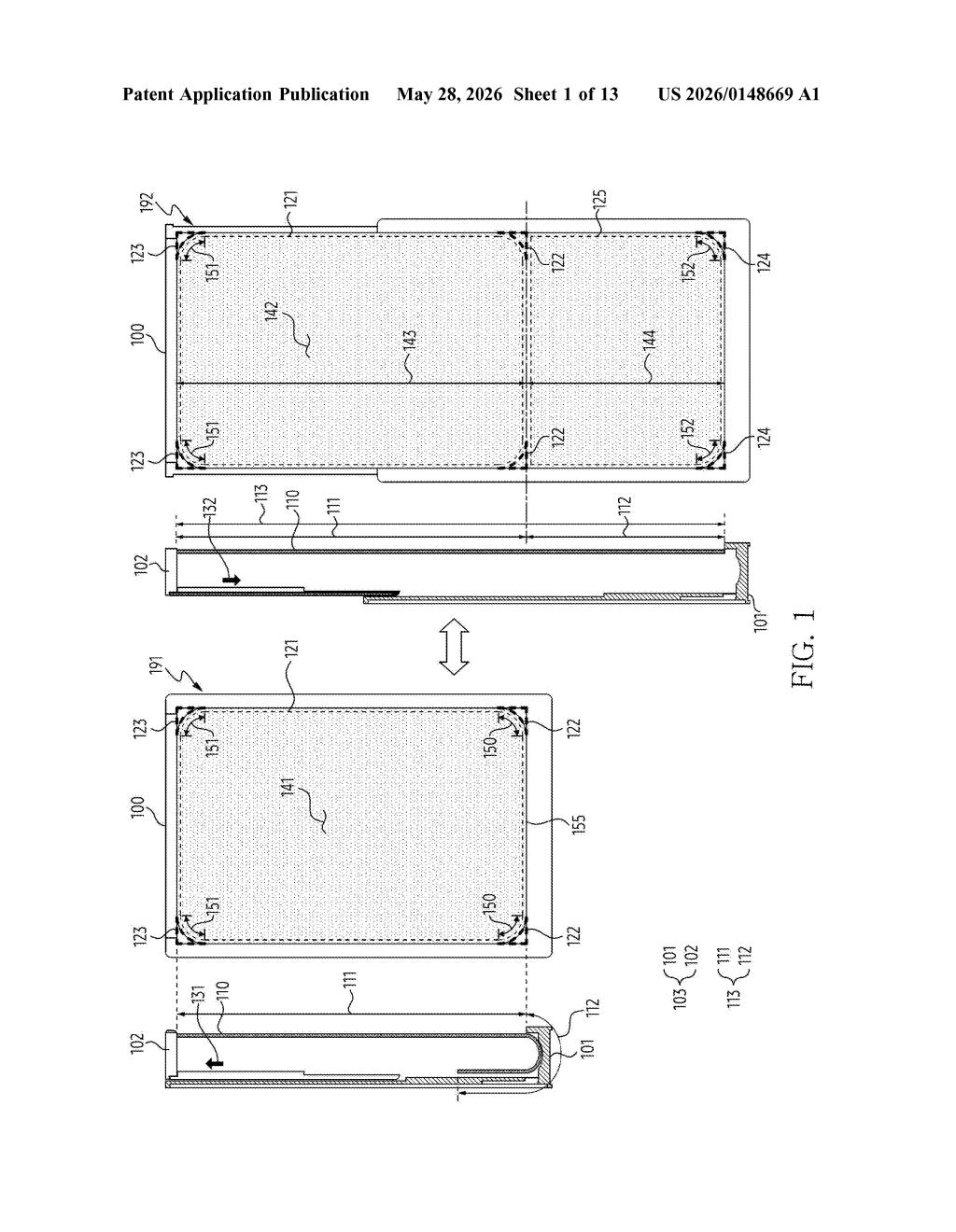
What Samsung's sliding display corner trick actually does
Imagine a phone where the screen literally rolls out of the side, like a scroll, to give you more display real estate when you need it. The challenge is that the edge where the visible screen ends and the hidden part begins is a weird, mechanically awkward boundary — and making that edge look polished on an OLED display takes some clever engineering.
Samsung's patent tackles this by giving the display driver — the chip that tells each pixel what to do — a specific set of rules for the pixels near that boundary. When the screen is partially rolled out, the pixels along the rounded corners at that edge get treated differently from the rest of the visible screen.
Specifically, pixels in the corner zone right at the edge are lit for a defined reference duration, while the pixels just outside those corners get their own separate lighting instructions. The goal is to prevent weird visual artifacts, burn-in, or uneven brightness at the most mechanically stressed part of a flexible OLED screen.
How the driver circuit handles the roll-out boundary zone
The patent describes a slidable electronic device — a phone with a flexible OLED display that rolls partially inside the housing when compact, and unrolls to reveal more screen real estate when slid open.
The core technical contribution is in the display driver circuitry, which manages two distinct zones near the dynamic screen boundary:
- First area (rounded corners): Pixels right at the rounded corners of the visible/hidden boundary. These are lit to display the active screen content normally.
- Second area (outside the rounded corners): Pixels just beyond those corners, still in the visible portion, are told to emit light for a specific reference time — essentially a timed, controlled illumination pulse separate from regular screen rendering.
The distinction matters because flexible OLEDs are under physical stress at the roll-over point. Pixels there age differently, and the curvature means light emission behaves differently than on a flat panel. By giving the driver circuit precise, zone-specific instructions, Samsung can compensate for these physical irregularities.
The patent covers both the hardware configuration and the software instructions (stored in memory) that implement this behavior, as well as a method claim and non-transitory storage medium claim — covering the algorithm itself.
What this means for Samsung's rumored sliding phone
Slidable phones have been demonstrated as concepts by Samsung and others for a few years, but none have shipped at scale partly because the display boundary problem is genuinely hard. A display that looks great when fully extended or fully collapsed still needs to look great at every intermediate size — and the corners of that rolling edge are the most visually prominent failure point.
This patent suggests Samsung is doing the unglamorous pixel-level engineering work needed to actually ship a slidable Galaxy device. It's not the flashy "look at this concept" filing — it's the kind of detail-oriented patent that shows up when a company is getting close to production-ready hardware.
This is the kind of patent that only gets filed when engineers have been staring at a real prototype and cataloguing its failure modes. Samsung isn't patenting the concept of a sliding phone — they're patenting a specific fix for a specific visual problem at the screen boundary. That's a sign this technology is further along than concept-stage.
There are more where this came from
We read every patent application Big Tech publishes and send you the ones worth knowing. Plain English, free, every week.
Want this weekly breakdown for a company we don't cover? Patentlyze Pro →