
Samsung Patents a Display That Pops 2D Content into 3D as You Scroll
Samsung is patenting a system where scrolling a piece of content into a specific zone on your screen is all it takes to flip it from flat 2D into stereoscopic 3D — no button press required.
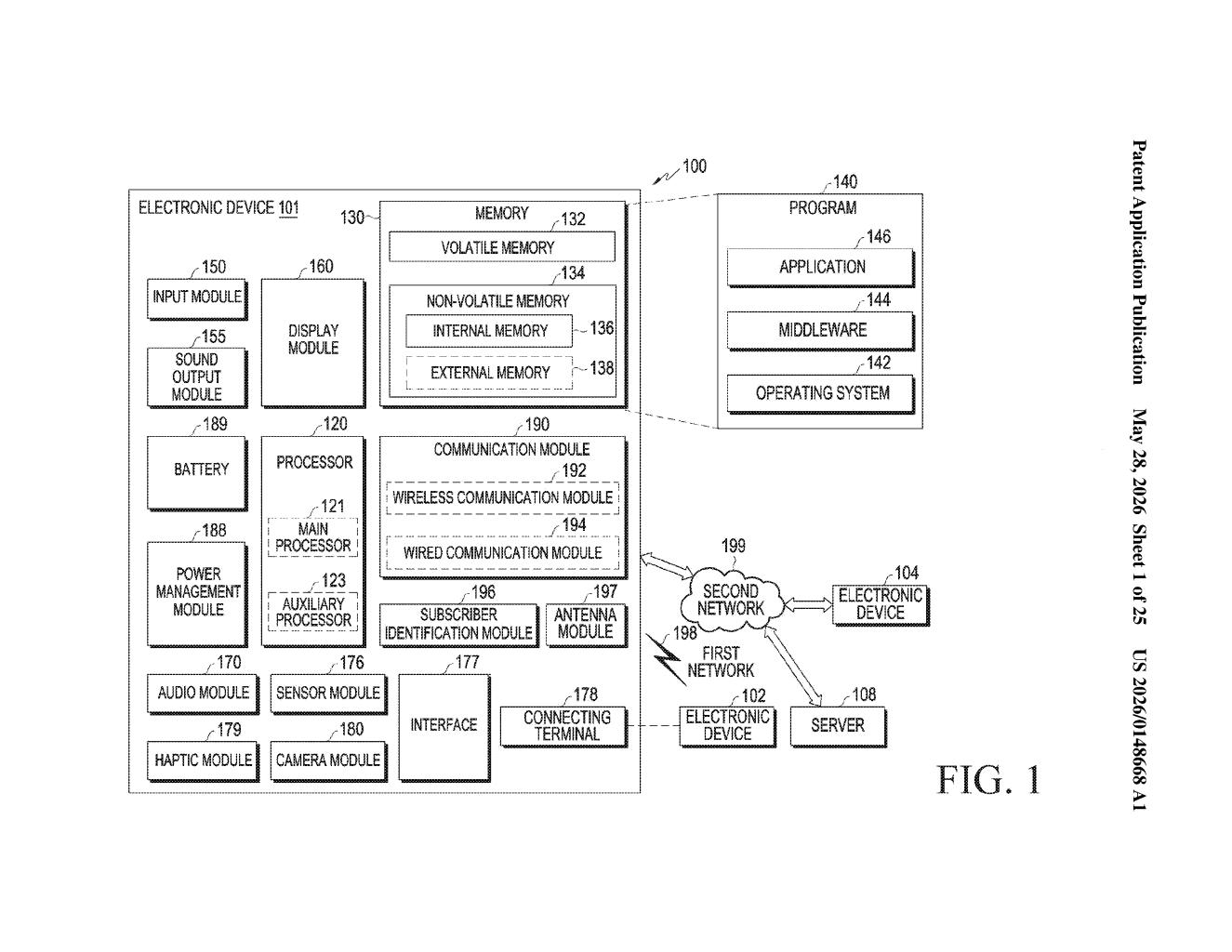
What Samsung's scroll-triggered 3D display actually does
Imagine browsing a feed full of photos and videos. Most are regular flat images, but a few have hidden depth information baked in. Right now, switching any of them to a 3D view would require digging through a menu or tapping a special button.
Samsung's patent describes a display that watches where content sits on the screen. When you scroll a piece of 3D-capable content into a defined "set area" — think of it like a spotlight zone in the center of your screen — the device automatically renders it in stereoscopic 3D using separate left-eye and right-eye images. Scroll it away, and it goes back to flat 2D.
The clever part is that before the 3D switch happens, all content looks identical — there's no parallax effect, so nothing looks weird or doubled until the item lands in that trigger zone. It's a seamless, gesture-driven way to move between 2D and 3D without any extra UI clutter.
How the device detects scroll position and switches to 3D
The system runs on a display capable of outputting separate left-eye and right-eye images — the standard building block of stereoscopic 3D. The screen shows a mixed feed of 2D content, some of which carries embedded depth data that makes it 3D-capable.
By default, everything on screen is rendered flat and without parallax, so nothing looks distorted or out of place in a normal browsing context. The processor continuously monitors user input — specifically scroll gestures — to track which pieces of content are entering or leaving a predefined "set area" on the display.
When 3D-capable content crosses into that zone, the device:
- Identifies it as containing depth information
- Switches rendering mode for that content only
- Drives the display to output the full left/right stereo image pair for that item
The patent doesn't specify whether the "set area" is a fixed region or user-configurable, but the core mechanic is clear: spatial position on screen is the trigger, not a manual mode toggle. This keeps the UX passive — you browse normally, and depth activates itself.
What this means for Samsung's next-gen 3D display push
Samsung has been building toward glasses-free 3D displays, particularly on its high-end TVs and foldable devices. A scroll-to-activate model is a practical answer to one of 3D display's biggest UX problems: the awkward friction of manually switching modes. If depth just turns on when content drifts into a focal zone, you remove the cognitive overhead entirely.
For you as a viewer, this could mean a mixed-reality-lite browsing experience — most of your feed stays flat, but a product photo or a movie clip blooms into depth as you pause on it. It's a reasonable design for a world where 3D content is still a minority, and it avoids forcing everything into a mode that looks bad on ordinary images.
This is a tidy UX solution to a real problem — 3D displays have always suffered from clunky mode-switching that breaks browsing flow. Tying the 3D trigger to scroll position is intuitive and low-effort, and it fits naturally into a feed-based interface like a social app or a media gallery. Whether Samsung ships this as a feature depends entirely on whether their display hardware can pull off the per-content rendering switch cleanly, but as a concept it's worth tracking.
There are more where this came from
We read every patent application Big Tech publishes and send you the ones worth knowing. Plain English, free, every week.
Want this weekly breakdown for a company we don't cover? Patentlyze Pro →