
Sony Patents a Thermal Throttle for In-Car Cabin Monitoring Cameras
A car parked in the summer sun can turn into an oven — and that's a real problem for the cameras and infrared lights increasingly watching you inside the cabin. Sony's new patent tackles what happens when those systems get too hot to safely keep running.
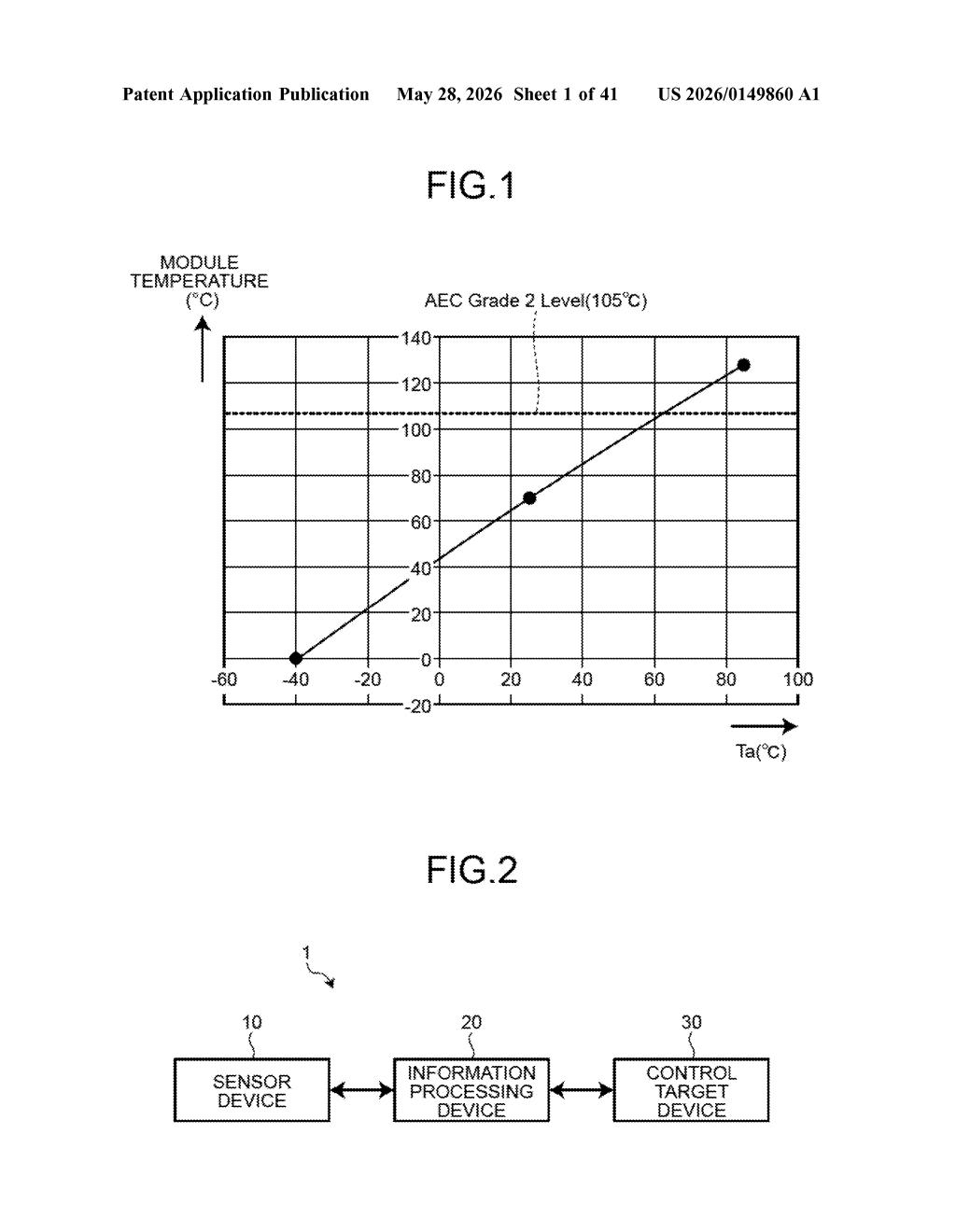
What Sony's overheating cabin camera system actually does
Imagine a dashboard camera system that watches the inside of your car — tracking whether you're paying attention, checking if a child is in the back seat, that kind of thing. These systems use small light sources (often infrared, invisible to your eyes) and image sensors to do their job. The problem: cars get very hot, especially when parked, and electronics don't love heat.
Sony's patent describes a system that monitors the temperature of the module housing those lights and camera. When it gets too warm — past a defined threshold — the system automatically dials back what it's doing. That could mean dimming or turning off some of the light sources, reducing how actively the camera captures images, or both.
The goal is to protect the hardware from damage while keeping the system as functional as possible under the conditions. Think of it like a laptop fan kicking in before the chip throttles — except here, thermal management is baked directly into the cabin monitoring logic itself.
How the control unit decides when to throttle light and imaging
The patent describes an information processing device — essentially the brain of an in-cabin monitoring module — that has a control unit watching the module's temperature in real time.
When that temperature crosses a first threshold, the control unit kicks in and restricts the module's function. According to the claim language, it can do this by adjusting the operation of:
- One or more of the plurality of light sources (likely infrared LEDs used for night or low-light imaging inside the cabin)
- The imaging unit (the camera sensor capturing the scene)
- Or both simultaneously
The abstract mentions canceling a "detection area restriction" — suggesting the system may also reconfigure which parts of the cabin it actively monitors, potentially narrowing coverage to reduce the computational and thermal load.
This is essentially a thermal throttle (a technique familiar from CPUs and GPUs, where performance is reduced to prevent hardware damage from excessive heat) applied to an automotive imaging module. The multi-threshold framing implies there could be graduated responses — a gentle pullback at one temperature, a harder cutoff at a higher one.
What this means for always-on driver monitoring in hot cars
Driver monitoring systems and occupant detection cameras are rapidly becoming standard equipment in new vehicles — pushed by safety regulations in the EU and growing adoption of ADAS (advanced driver assistance systems). These systems run continuously, which means they need to survive extreme thermal environments: think a black car parked in Phoenix in July, where interior temps can exceed 70°C.
Without thermal management logic like this, a module could overheat, fail silently, or degrade in ways that appear to work but produce unreliable data — which is dangerous if the car is relying on that camera to detect an unconscious driver or an unattended child. Sony building this throttle logic into the imaging module itself, rather than relying on the vehicle's broader thermal management, means the safety system can protect itself without needing the car's ECU to intervene.
This is unglamorous but genuinely necessary engineering. In-cabin monitoring is becoming a regulated requirement in new cars, and the thermal survivability of those systems in real-world conditions is an underappreciated problem. Sony Semiconductor Solutions — which supplies image sensors to a huge swath of the automotive industry — filing this suggests they're thinking seriously about productizing reliable, thermally robust cabin monitoring modules rather than leaving thermal policy to automakers to figure out downstream.
There are more where this came from
We read every patent application Big Tech publishes and send you the ones worth knowing. Plain English, free, every week.
Want this weekly breakdown for a company we don't cover? Patentlyze Pro →