
Samsung Patents a Display That Shows 2D and 3D Views of Content at the Same Time
Samsung is patenting a screen that can display both a flat 2D image and a glasses-free 3D version of the exact same content — simultaneously, on different parts of the same display.
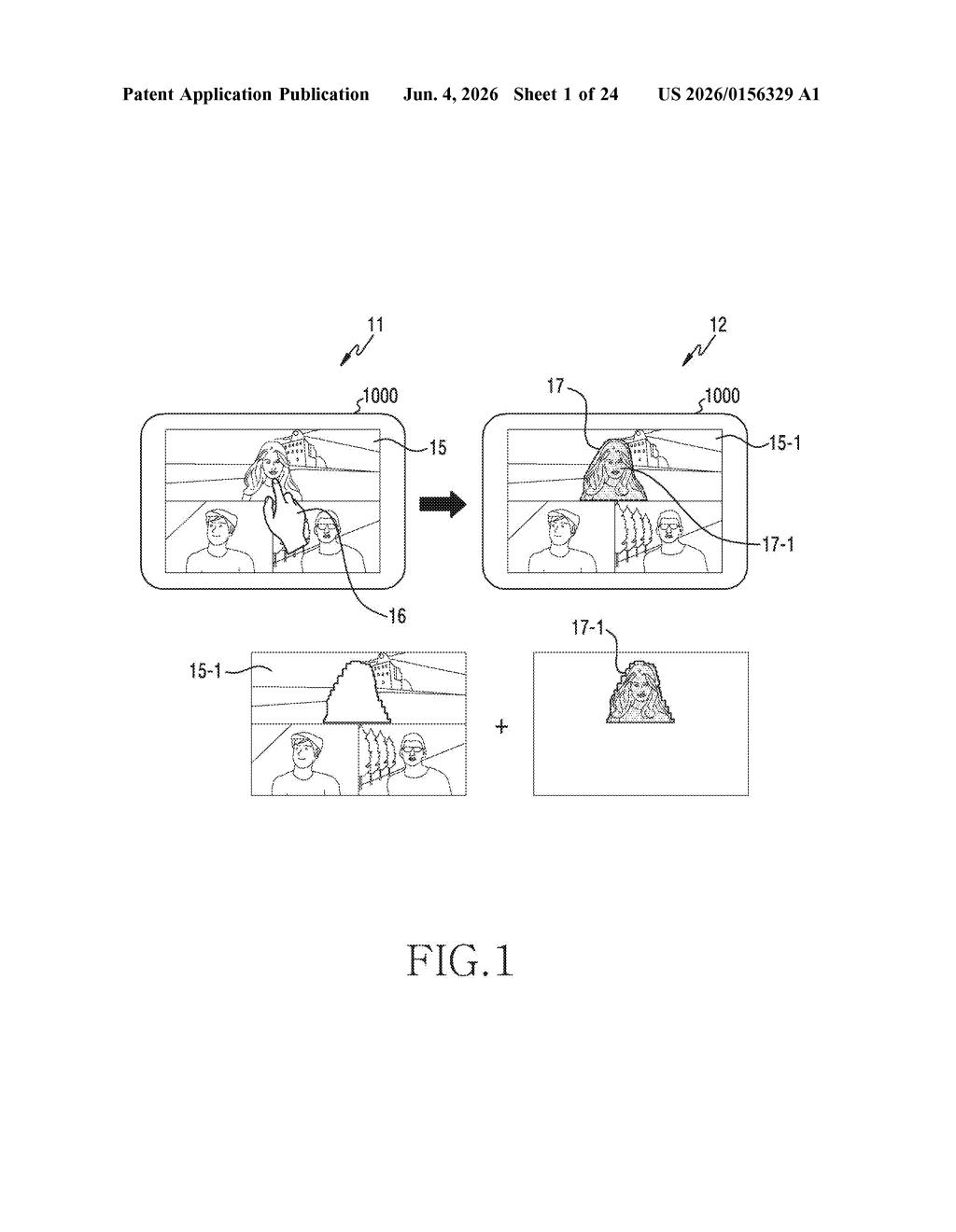
What Samsung's split 2D/3D display actually does
Imagine watching a movie where one part of your screen shows the regular flat version while another section pops out in 3D — no glasses required, and both views are playing at once. That's the core idea in this Samsung patent.
Samsung's system uses a special lens layer built into the display that can change how light bends in different regions of the screen. By adjusting those regions independently, the device can dedicate one area to a normal 2D rendering and another to a stereoscopic 3D rendering of the same visual content, all at the same time.
The device reads setting information attached to the content to figure out which rendering mode is preferred, then splits the screen accordingly. It's a bit like having two monitors in one — except the dividing line is controlled by software and the optics of the panel itself.
How the lens layer switches between 2D and 3D zones
The patent describes an electronic device — likely a phone or tablet — with a layered display stack: a display panel, a polarization layer, a lens layer (a liquid-crystal-based optic that can steer light differently in different zones), and a touch panel on top.
A control circuit adjusts the refractive indices (essentially, how strongly each region of the lens bends light) across multiple regions of that lens layer. By tuning different zones independently, the system can make part of the screen behave like a normal flat display while another part acts as a lenticular or parallax-barrier 3D display — the kind that sends slightly different images to your left and right eyes to create depth without glasses.
The software side reads setting information embedded in or associated with the content, which declares a preferred rendering dimension (2D or 3D). Based on that, it carves the content's display area into a first display area (one rendering mode) and a second display area (the other), then renders the content twice — once per mode — and routes each render to the correct zone.
- Lens layer refractive index is adjusted per-region by a dedicated control circuit
- Content metadata declares a preferred rendering dimension
- Two rendered images of the same content display simultaneously in separate screen zones
- Touch panel sits above the full stack, preserving interactivity across both areas
What this means for glasses-free 3D screens
Glasses-free 3D displays have been a recurring Samsung theme — the Galaxy S series has experimented with depth effects, and Samsung's display division supplies panels to many OEMs. A system that can simultaneously show both 2D and 3D renditions of the same content solves a real usability problem: not everyone in the room wants the 3D effect, and toggling the whole screen between modes is disruptive.
For content creators and developers, the patent also implies a standardized metadata flag that tells the device how to split the view — which could eventually become a format-level feature in Android or Tizen apps. Whether Samsung ships this in a consumer device soon is an open question, but the underlying lens-layer architecture is the same one powering its existing autostereoscopic display research.
This is a genuinely interesting engineering patent, not a vague software claim. The per-region refractive-index control is specific and non-trivial, and the simultaneous dual-mode rendering idea addresses a real limitation of current glasses-free 3D screens. It's worth watching if you follow Samsung's display hardware roadmap.
There are more where this came from
We read every patent application Big Tech publishes and send you the ones worth knowing. Plain English, free, every week.
Want this weekly breakdown for a company we don't cover? Patentlyze Pro →