
Samsung Patents a Two-Stage Braking System for Its Rolling Robots
Samsung's new patent teaches a robot to ease off its brakes mid-stop — cutting motor power once it's already coasting to a halt, instead of holding full stopping force all the way to zero.
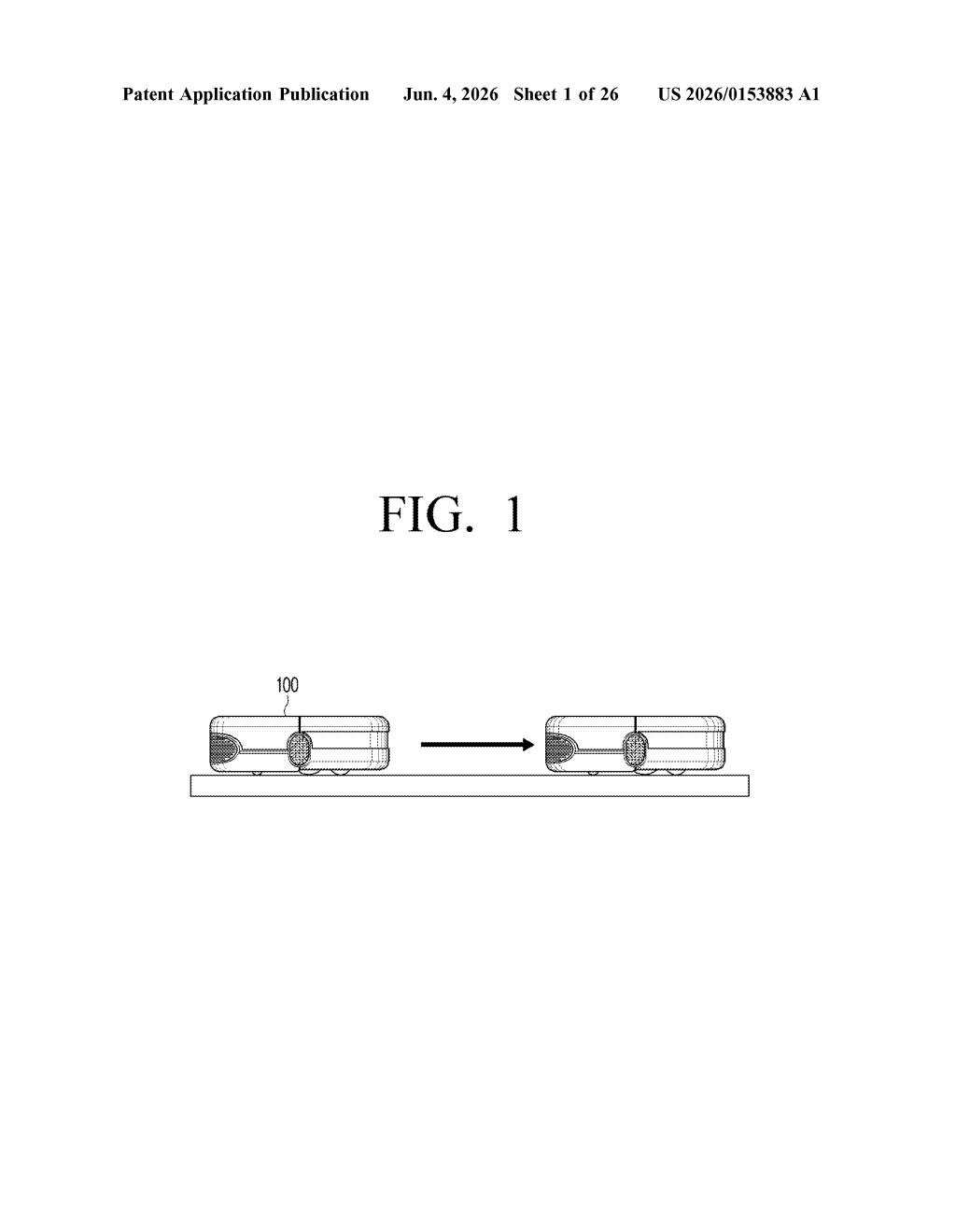
What Samsung's two-stage robot braking actually does
Imagine you're driving and you need to stop quickly. You stomp the brake pedal hard at first, but as the car slows down and you're nearly stopped, you ease up — otherwise you'd get a jarring jerk at the end. Samsung's patent applies exactly that logic to wheeled robots.
When the robot gets a signal to stop, it first applies a strong braking voltage to its motors to kill speed fast. But the system is constantly watching: it measures how fast the robot is still moving, what angle the floor is sloped at, and how heavy the robot is. From those three things, it calculates how much braking force is actually still needed.
Once the required braking force drops below a set threshold — meaning the robot is almost stopped and the situation is no longer critical — it automatically switches to a lower voltage. That means less heat, less wasted energy, and less unnecessary stress on the motors during the final creep to a full stop.
How the torque threshold triggers the voltage drop
The patent describes a two-phase braking controller for a mobile electronic apparatus — think a delivery robot, a cleaning robot, or any wheeled device with motorized drive wheels.
Phase 1 (hard brake): When a stop command arrives, the system applies a first (higher) voltage to the braking mechanism. This is the aggressive deceleration phase — get the robot slowing down fast.
Phase 2 (soft brake): Simultaneously, the system pulls three data points from its onboard sensors and memory:
- Speed — current movement velocity from the sensor
- Inclination angle — how steep the floor is, because a ramp requires more holding force than flat ground
- Mass — the robot's own weight, stored in memory (which can vary if it's carrying cargo)
Using these three inputs, it computes a stop torque — essentially, the minimum motor braking force needed to keep decelerating safely given current conditions. When that calculated torque drops at or below a predefined critical torque threshold (meaning deceleration demand is now low), the system switches to a second, lower voltage. This reduces power draw and motor heat during the tail end of the stop.
The key insight is that a full-power brake during the last inch of travel is wasteful and potentially causes motor wear — the patent's logic gate (torque ≤ critical torque) is what decides exactly when to back off.
What this means for battery-powered mobile robots
For a battery-powered mobile robot that stops hundreds of times per shift — a warehouse bot, a hospital delivery unit, a consumer cleaning robot — shaving unnecessary power from every braking cycle adds up. Holding maximum braking voltage all the way to a full stop wastes energy and generates heat in the motor windings that degrades components over time.
The slope-awareness piece is particularly practical: a robot stopping on a ramp genuinely needs more torque than one stopping on flat tile, so a fixed low-power approach would be unsafe. By making the voltage cutover conditional on physics rather than a simple timer, Samsung's approach is both safer and more efficient. If this ends up in Samsung's growing lineup of home and commercial robots, it could meaningfully extend battery runtime without sacrificing stopping reliability.
This is solid, unglamorous engineering — the kind of detail that separates a consumer robot that lasts a full day on a charge from one that needs mid-shift docking. It's not a headline AI feature, but torque-aware two-stage braking is exactly the kind of system-level optimization that accumulates into real product differentiation for Samsung's robotics ambitions.
There are more where this came from
We read every patent application Big Tech publishes and send you the ones worth knowing. Plain English, free, every week.
Want this weekly breakdown for a company we don't cover? Patentlyze Pro →