
Samsung Patents a System for Two Foldable Phones That Share Screens Based on How They're Folded
Samsung is exploring a way for two paired foldable phones to automatically coordinate what's on each screen — and the key variable is how far each device is folded open at any given moment.
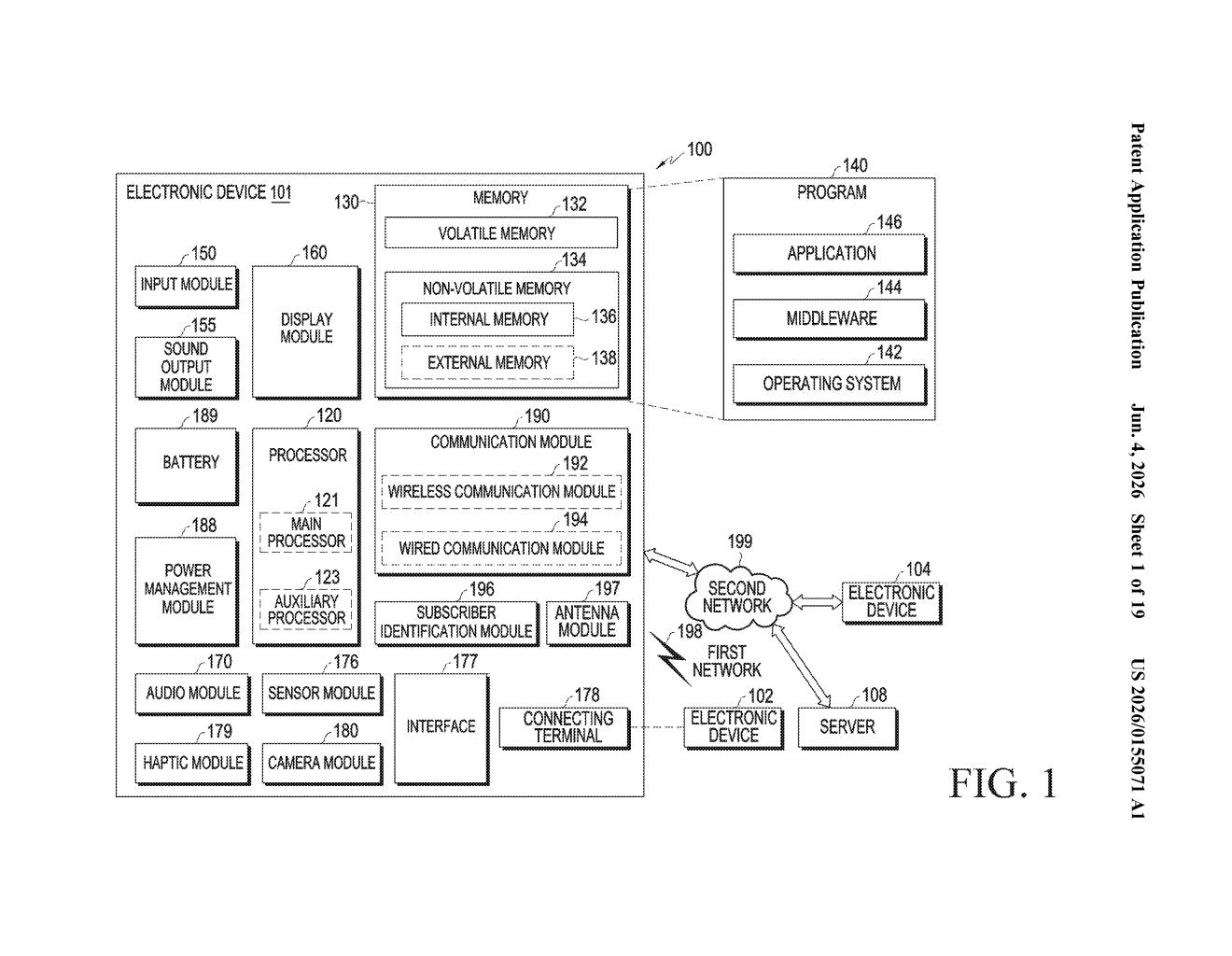
What Samsung's fold-aware screen sharing actually does
Imagine you're using your Galaxy Z Fold alongside a colleague's foldable phone. Right now, if you want to share a view or extend a task across both devices, you're doing it manually — dragging, casting, or just holding up your screen. Samsung's new patent wants to automate that.
The idea is that both phones stay aware of each other's folding state — whether each is fully open, half-tented, or closed like a clamshell. Based on that combination of states, the system automatically decides which content appears on your device and which goes to the other one.
So if you flip your phone flat while the other person's is half-open like a laptop, the screens rearrange accordingly. You don't tap anything — the devices just figure out the best layout for the physical posture each one is in.
How the two devices detect fold states and split content
The patent describes a paired device system where two foldable phones, connected over a network, continuously share information about their current fold angles or states. Each device uses its own onboard sensors — likely accelerometers or hall-effect sensors — to detect its own fold position, while receiving equivalent state data from the paired device over the connection.
The core logic is a decision engine that takes both fold states as inputs and outputs a content assignment: a first screen layout for the local device and a second screen layout for the remote device. The patent doesn't prescribe a fixed mapping — the system can dynamically adjust as either user physically repositions their phone.
Key components the patent outlines:
- A communication circuit to receive real-time state data from the external device
- At least one sensor to independently track the local device's fold position
- A processor-driven decision layer that resolves both states into complementary display assignments
Notably, the patent is device-agnostic about what content gets split — it's a general framework that could apply to productivity apps, media, gaming, or UI mirroring scenarios.
What this means for multi-device foldable workflows
Foldable phones have always been marketed on the idea of flexible screen real estate, but that flexibility has mostly been a solo experience. This patent pushes the concept into collaborative territory — two devices, physically near each other, adapting their UI to the posture of both at once. That's a meaningfully different use case.
For Samsung specifically, this fits a broader pattern of building out the foldable ecosystem beyond a single flagship device. If you own a Galaxy Z Fold and your partner or coworker does too, a system like this turns both phones into a coordinated two-panel display — without a dock, cable, or manual setup.
This is a genuinely interesting idea for a world where foldable phones are common enough that two people in the same room might both have one. Right now that's a small audience, but Samsung is clearly thinking ahead. The real question is whether the automatic layout logic will be useful in practice or just a party trick — that depends entirely on execution, not the patent.
There are more where this came from
We read every patent application Big Tech publishes and send you the ones worth knowing. Plain English, free, every week.
Want this weekly breakdown for a company we don't cover? Patentlyze Pro →