
Samsung Patents a Dual-Layer Sensor to Track the S Pen Across Foldable Screens
Tracking a stylus across a flat screen is a solved problem — but a foldable screen that bends in the middle is a different beast. Samsung's new patent tackles exactly that wrinkle.
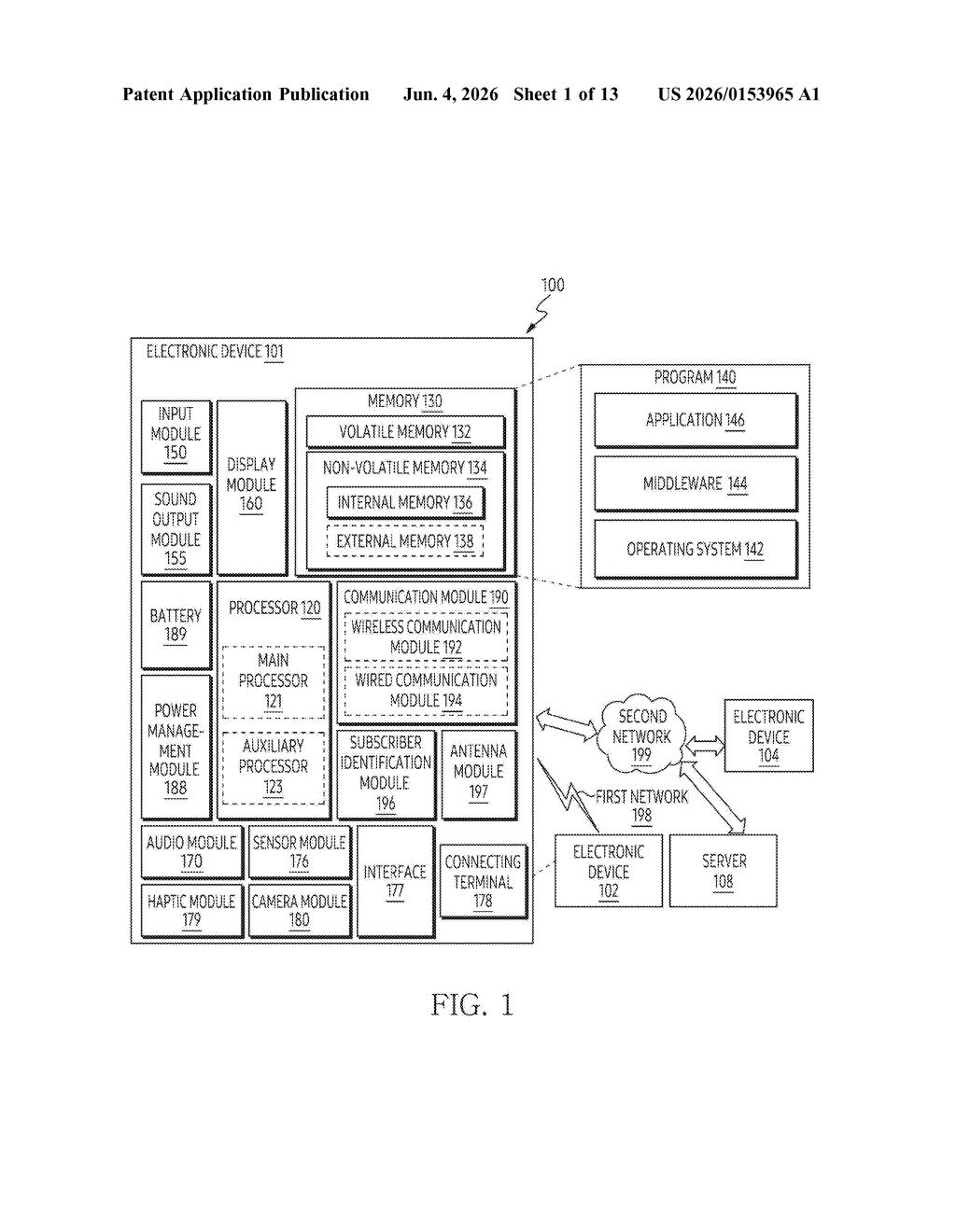
What Samsung's foldable S Pen tracking actually does
Imagine you're using a stylus on a phone that folds like a book. The screen has a flat top half, a flat bottom half, and a bendy middle section connecting them. The problem: the electronics that normally track where your pen is can't easily stretch across that flexible hinge area.
Samsung's patent describes a two-layer approach to fix this. One set of sensor wires lives inside the display itself, while a second set sits on the rigid metal support plate underneath — including in the hinge zone where putting wires inside the display isn't practical. Together, they cover the whole surface.
The system works by sending a radio-frequency pulse to the S Pen, which bounces a signal back. The device then uses both sensor layers together to calculate exactly where the pen is, even if it's hovering right over that tricky fold in the middle.
How the two conductive layers ping and locate the S Pen
The patent describes an electromagnetic resonance (EMR) digitizer — the same basic technology Samsung has used in S Pen for years. The device transmits a signal that energizes a coil inside the pen, and the pen's resonant response is picked up by a grid of conductive lines, letting the device triangulate the pen's exact position.
The twist here is where those conductive lines live. In a conventional flat display, all the tracking coils sit inside the display stack. On a foldable, the hinge area flexes thousands of times, making it impractical to run delicate sensor wiring through that zone without risking failure.
Samsung's solution splits the job across two layers:
- First group of conductive patterns — embedded in the touch sensor layer inside the display, running horizontally.
- Second group of conductive patterns — placed on the rigid supporting plate beneath the display, running vertically, and specifically aligned with the folding portion via a series of openings in the plate.
The control circuit uses both sets simultaneously to both transmit the excitation signal and receive the pen's response, building a complete position picture across the entire display surface — flat portions and fold included.
What this means for S Pen support on future Galaxy folds
Reliable S Pen support has historically been limited to Samsung's flat-screen Galaxy Note and S Ultra lineup. Bringing full stylus tracking to a foldable form factor — including the hinge zone — would be a meaningful capability gap to close, especially as the Galaxy Z Fold series competes with devices like the iPad and Surface that emphasize pen input.
For you as a user, this is the difference between a foldable phone that supports a stylus only on its two flat panels versus one where you can draw or write continuously across the whole unfolded display without the pen going dark mid-stroke. That's the kind of seamless experience that would make a foldable genuinely useful as a notebook replacement.
This is a concrete engineering solution to a real, well-known limitation of foldable stylus support — not a speculative moonshot. The dual-layer approach (display layer plus support plate layer) is elegant and practical. If Samsung ships this, it removes one of the more visible missing features from the Galaxy Z Fold lineup.
There are more where this came from
We read every patent application Big Tech publishes and send you the ones worth knowing. Plain English, free, every week.
Want this weekly breakdown for a company we don't cover? Patentlyze Pro →