
Samsung Patents a Redesigned Phone Frame That Doubles as a More Precise Antenna
Your phone's metal frame isn't just structural — it's an antenna. Samsung is now patenting a specific way to shape the gaps between metal segments to squeeze better wireless performance out of that frame.
What Samsung's segmented side-frame antenna actually does
Imagine your phone's shiny metal side rail. That rail isn't just holding the glass sandwich together — it's also one of the main antennas picking up your cellular signal. To make it work as multiple antennas, engineers have to cut the rail into separate conductive pieces using tiny plastic dividers called segmentation points.
The problem is that those cut points create a weak zone. Right where the metal is split, the antenna's electrical behavior gets messy. Samsung's patent describes adding small notches and protrusions — finger-like bumps and matching grooves — near each cut, and deliberately making the grooves on one side not line up with the grooves on the other side.
That deliberate misalignment isn't aesthetic — it changes how current flows through each antenna segment, giving engineers more control over the frequencies each piece of metal resonates at. It's a way to fine-tune antenna behavior without adding new components or making the phone thicker.
How the offset grooves tune the antenna segments
The patent describes a smartphone housing where the side member (the metal rail around the phone's edge) is divided into at least two conductive sections by a segmentation portion made of non-conductive material — essentially a plastic gap that electrically isolates one piece of metal from the next.
Each conductive section near that gap features:
- Protrusion parts — small finger-like extensions of metal that interleave near the gap
- Holes that pass through the protrusion parts
- Grooves — recessed channels cut between the protrusions
The key claim is that the groove on the first conductive member is positioned at a different height than the groove on the second conductive member when viewed along the axis perpendicular to the frame. In engineering terms, they are non-overlapping on the vertical axis — deliberately offset.
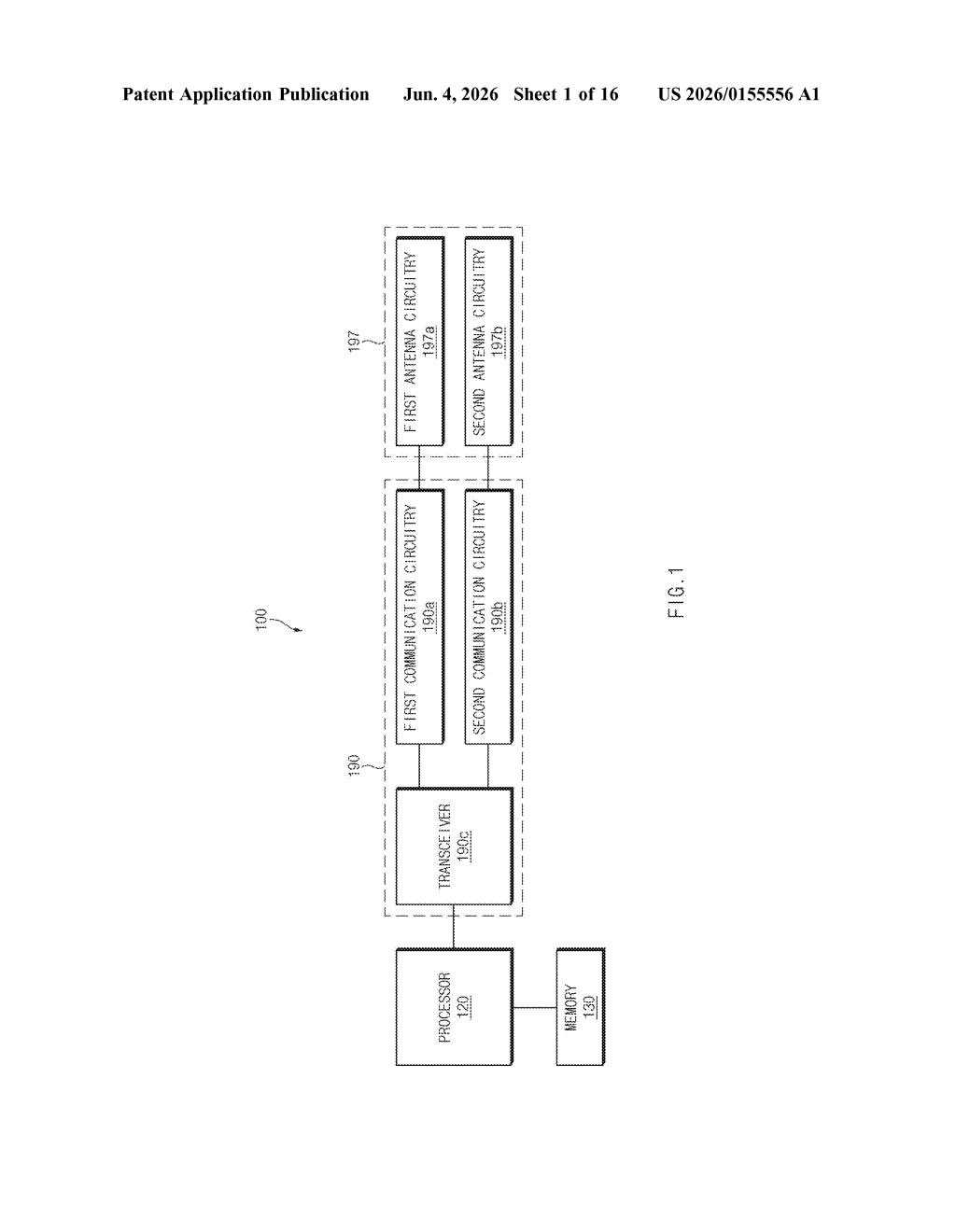
The wireless circuitry on the PCB inside the phone can feed either or both conductive members, meaning each segment acts as an individually tunable antenna element. The offset groove geometry changes the effective electrical length and coupling behavior of each segment independently, giving RF engineers more degrees of freedom to tune specific frequency bands without physically lengthening or shortening the visible frame.
What this means for Galaxy phone antenna performance
As phones pack more wireless radios — 5G sub-6, mmWave, Wi-Fi 7, UWB, Bluetooth — fitting all those antennas into a thin metal frame without interference is genuinely hard. Every millimeter of the side rail is contested real estate. A structural change that gives engineers finer control over how each antenna segment behaves without adding physical bulk is legitimately useful, not just incremental paperwork.
For Galaxy users, the practical payoff would be more reliable signal in edge cases — gripping the phone in ways that partially cover the frame, or in environments with heavy 5G congestion. This is exactly the kind of low-level RF engineering that separates flagship antenna performance from midrange compromises.
This is unglamorous but real antenna engineering. The offset-groove trick is a small geometric change with measurable RF consequences — the kind of detail that shows up in carrier certification tests and real-world signal benchmarks rather than marketing slides. Samsung files a lot of antenna patents, and this one reads like it's headed for a production device rather than a research archive.
There are more where this came from
We read every patent application Big Tech publishes and send you the ones worth knowing. Plain English, free, every week.
Want this weekly breakdown for a company we don't cover? Patentlyze Pro →