Latest AI image & video patents, Page 14
Generating and remaking pictures: text-to-image, video synthesis, upscaling, and the editing tricks that redraw photos after the shutter clicks.
- in the Nov 19 release
- 3
- in November so far
- 24
- filings tracked
- 226
- last 90 days
- 100
Recent filings
Newest first · 226 total-
Google · Published Jul 2
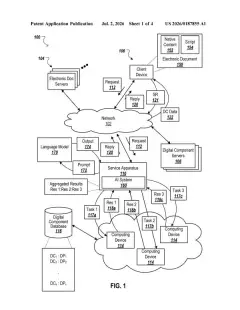
Google Patents an AI That Writes Its Own Image Prompts to Build Ads
Google is patenting a system where AI not only generates ad images but also figures out what those images should look like in the first place, by writing its own creative prompts along the way.
-
Samsung · Published Jul 2
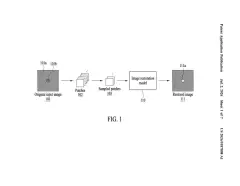
Samsung Patents a Training Trick That Teaches AI to Restore Photos From the Background Out
Most AI photo-restoration tools treat every part of an image equally. Samsung's new patent flips that assumption, training its model on the boring background first and the important subject second.
-
Samsung · Published Jul 2
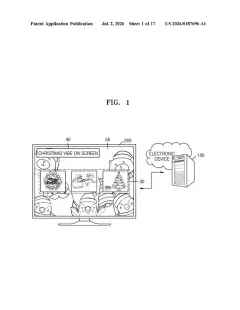
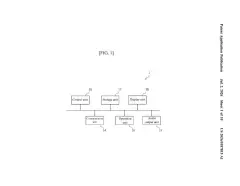
Samsung Patents a Three-AI System That Builds, Titles, and Illustrates Content Lists Automatically
Samsung is patenting a system where three AI models work in sequence: one picks content, another writes a title for the picks, and a third generates a matching image. The whole package gets assembled without a human editor in the loop.
-
Sony · Published Jul 2
Sony Patents an AI Video Upscaler That Tracks Motion Frame by Frame
Sony is patenting a way to make low-resolution video look sharper by teaching an AI to remember where every pixel was in previous frames, then deliberately nudging those memories with a tiny dose of controlled randomness.
-
Intel · Published Jul 2
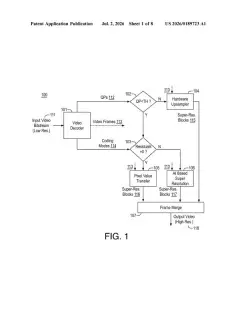
Intel Patent Boosts AI Video Upscaling Through Smarter Codec-Aware Processing
AI video upscaling looks great, but it's expensive to run on every single frame. Intel's new patent describes a system that only fires up the AI where it will actually make a visible difference.
-
Nvidia · Published Jul 2
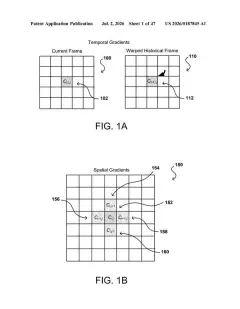
Nvidia Patents Software That Fills In Missing Image Colors Across Frames
Nvidia is patenting a way to use neural networks to figure out what color a pixel should be, not just from the current frame, but from how colors are changing across space and time. That's a different approach to image reconstruction than what most GPUs do today.
-
Nvidia · Published Jun 25
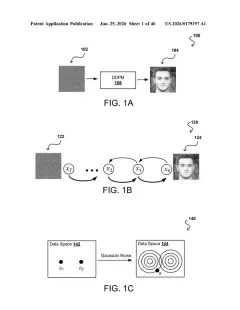
Nvidia Files Patent for Software That Generates Images From Random Noise
Nvidia has patented a processor-level system that uses neural networks to generate images from noise values, the same core idea behind modern AI image generators. The catch: the patent's claims are so broad they say almost nothing specific.
-
Nvidia · Published Jun 25
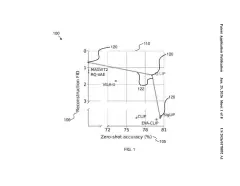
Nvidia Patents a Two-Stage Method for Teaching AI to See and Rebuild Images
Before an AI can generate a picture, it has to learn how to compress one. Nvidia's latest patent attacks that compression step from two angles at once, aiming for reconstructions that look far closer to the original.
-
Samsung · Published Jun 25
Samsung Patents a Fix for Flickering AI Video Effects Between Frames
If you've ever seen an AI-enhanced video where the effect seems to pulse or shimmer from one frame to the next, Samsung has filed a patent aimed directly at that problem. The fix involves blending information from neighboring frames so the result looks steady across the whole clip.
-
Sony · Published Jun 25
Sony Patents AI That Sharpens Video Detail Without Being Fooled by Shifting Colors
AI video upscaling usually assumes that pixels change because something moved. Sony's new patent tackles a trickier problem: what happens when pixels change color for reasons that have nothing to do with movement, like flickering lights or shimmering water?
-
Google · Published Jun 25
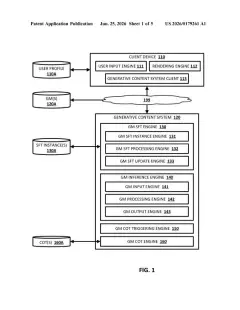
Google Patent Reveals AI That Reasons Through Images Before Producing Text Answers
What if an AI answered your question by first sketching a picture in its head? Google is patenting exactly that: a system where the AI generates internal images or videos as a thinking step, even when you only asked for text.
-
Nvidia · Published Jun 25
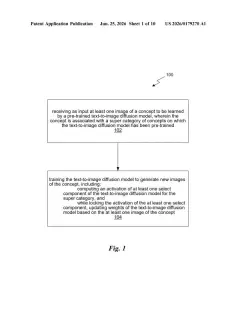
Nvidia Patents a Way to Teach AI Image Generators One Specific Object Without Wrecking the Rest
You hand an AI image generator a few photos of your dog, and instead of getting a vague dog-shaped blob, you get your actual dog, doing whatever you describe. That's the problem Nvidia is trying to solve here.