Latest camera patents, Page 3
How phones and headsets see: image sensors, lenses, autofocus tricks, and the processing that turns light into photos. We track every camera filing as it publishes.
- in the Nov 19 release
- 9
- in November so far
- 19
- filings tracked
- 278
- last 90 days
- 107
Recent filings
Newest first · 278 total-
Google · Published Oct 22
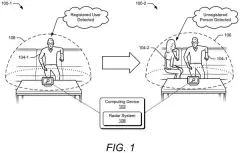
Google Files Patent to Tell Guests From Family by Radar, Without Faces or Names
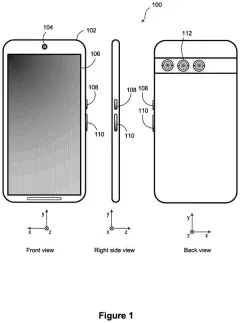
Google describes a home gadget that tells you apart by how you walk and swipe your hand, then gives every visiting stranger a made-up ID so it remembers them next time. No face scan, no name, and no camera required.
-
Sony · Published Oct 22
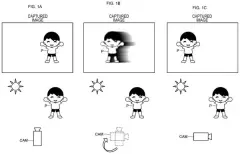
Sony Files Patent to Make Stabilized Video Look Less Strange
Video stabilization can leave you with a calm frame full of smeared motion, and Sony's filing tries to make the two agree. The camera would ease off its stabilizing when the shutter is slow.
-
Sony · Published Oct 22
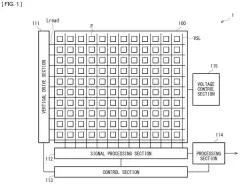
Sony Files Patent to Cut Camera Sensor Power by Turning Down the Voltage
A camera sensor does not need full power for every shot. Sony's filing describes a sensor that drops its supply voltage when it is working in a lower-sensitivity mode, so it can keep watching while using less electricity.
-
Sony · Published Oct 22
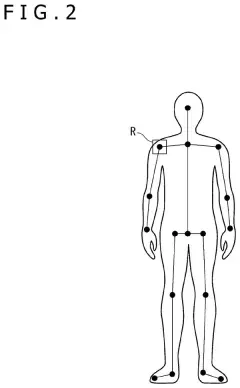
Sony Files Patent to Track Your Body Between Camera Frames
A regular camera only takes snapshots, so quick moves can fall between them. Sony's patent adds a second sensor that never blinks, to fill the gaps.
-
Sony · Published Oct 22
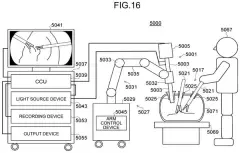
Sony Files Patent to Help Surgical Cameras See Faint Glowing Dye More Clearly
Surgeons sometimes inject a dye that glows, but that glow can be much fainter than the normal view around it. Sony's filing gives a second sensor a share of the visible light so the faint glow has a better chance of showing up.
-
Tesla · Published Oct 15
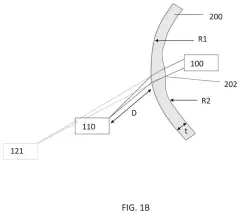
Tesla Files Patent for a Protective Camera Cover That Fixes the Blur It Causes
The clear cover in front of a camera is there to protect it, but a curved one can blur the picture all by itself. Tesla's patent fixes that by making the cover thicker in some spots than others.
-
Sony · Published Oct 15
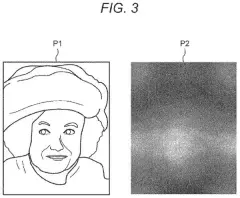
Sony Files Patent for a Camera That Scrambles Faces Before the Image Is Even Recorded
Most privacy cameras take a clear picture and then hide the faces afterward. Sony's patent scrambles the scene in the optics, so a clear picture never exists inside the camera to leak.
-
Samsung · Published Oct 15
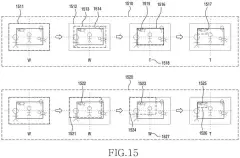
Samsung Files Patent for a Phone That Films With Several Lenses, Then Fixes Your Zoom Later
Zooming while you film usually means a jerky jump when your phone swaps lenses. Samsung's patent has the phone save footage from several lenses at once, then rebuild a smoother video after you hit stop.
-
Samsung · Published Oct 15
Samsung Files Patent for a Camera Design That Keeps Magnets Away From the Camera Next Door
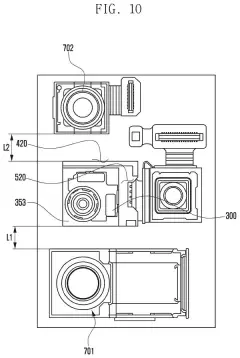
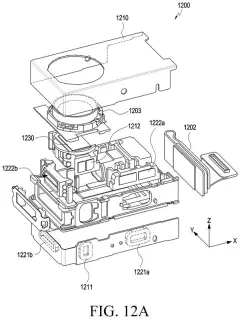
Every phone camera has magnets inside, and magnets tug on their neighbors. Samsung's patent application gives one whole side of the camera module no magnet at all, so another camera can sit right up against it.
-
Samsung · Published Oct 15
Samsung Files Patent for a Camera Fix That Saves Battery Without Adding Photo Noise
The tiny motors that move your phone's camera lens can save battery by running on rapid pulses of power, but those pulses can add noise to your photos. Samsung's patent application is a rule for deciding which motors get the pulses and which don't.
-
Google · Published Oct 8
Google Patents a Phone Camera Focus System That Knows When It Is Guessing
Google's new patent application gives a camera something most autofocus systems lack: a way to tell how sure it is about where to focus. When it's unsure, the lens holds back instead of lurching around.
-
Samsung · Published Oct 8
Samsung Patents a Camera Sensor That Fixes Motion Blur by Counting Individual Light Particles
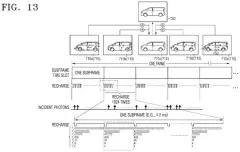
Samsung describes a camera sensor that takes a burst of tiny snapshots, lines each one up with the moving subject, and stacks them into one sharp frame. It also takes more snapshots only when things move fast.