
Samsung Patent: Making Flat, Dull Video Look Richer and More Lifelike on Modern Screens
Most of the video content you watch was made before HDR screens existed, and it shows. Samsung is patenting a way to make that older footage look like it was shot for a modern display, by leaning on decades of research into how human eyes actually perceive color and light.
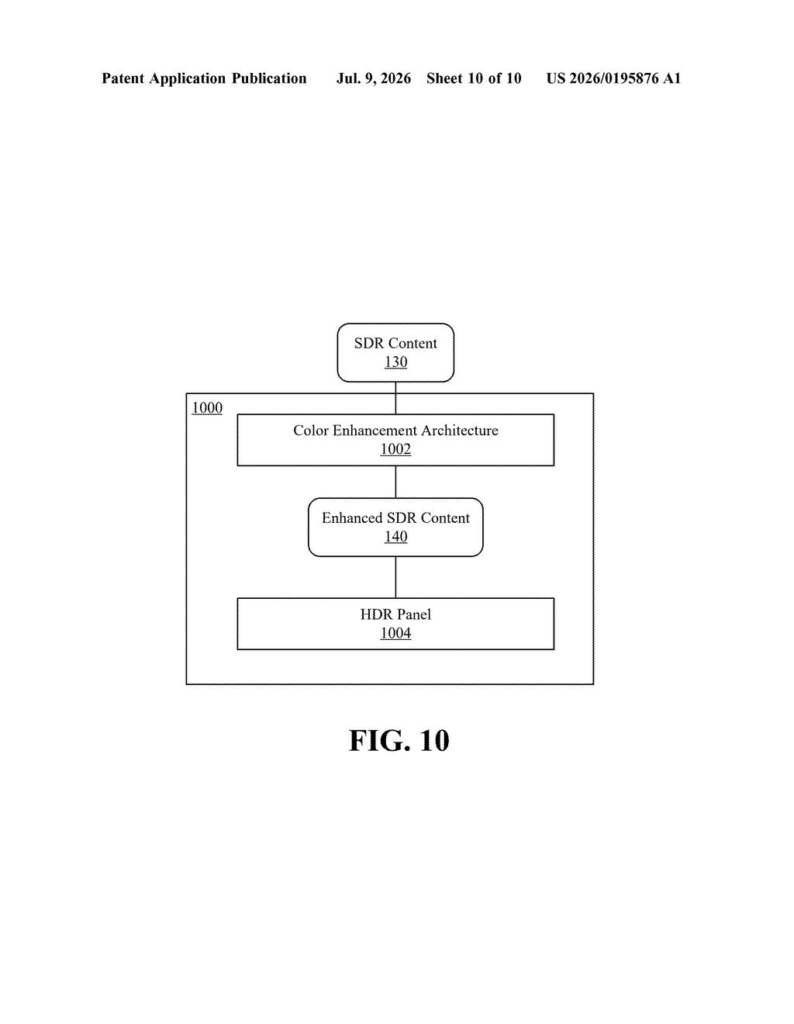
What Samsung's color-upgrade system actually does to your TV picture
Imagine watching an old movie on your brand-new 4K HDR television. The screen is capable of showing incredibly vivid colors and deep blacks, but the film itself was mastered for a much older, dimmer kind of display. The result can look flat, washed out, or just plain wrong.
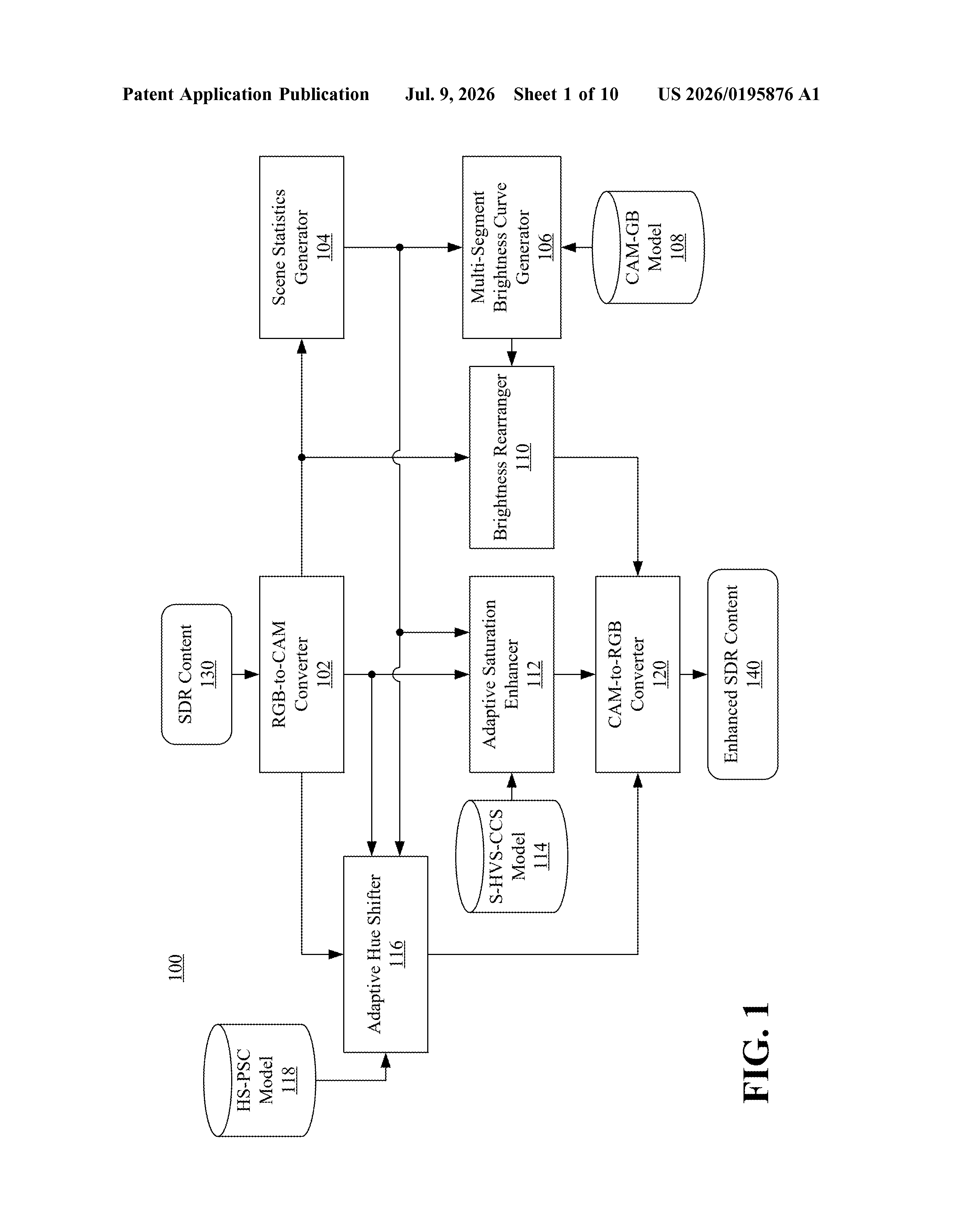
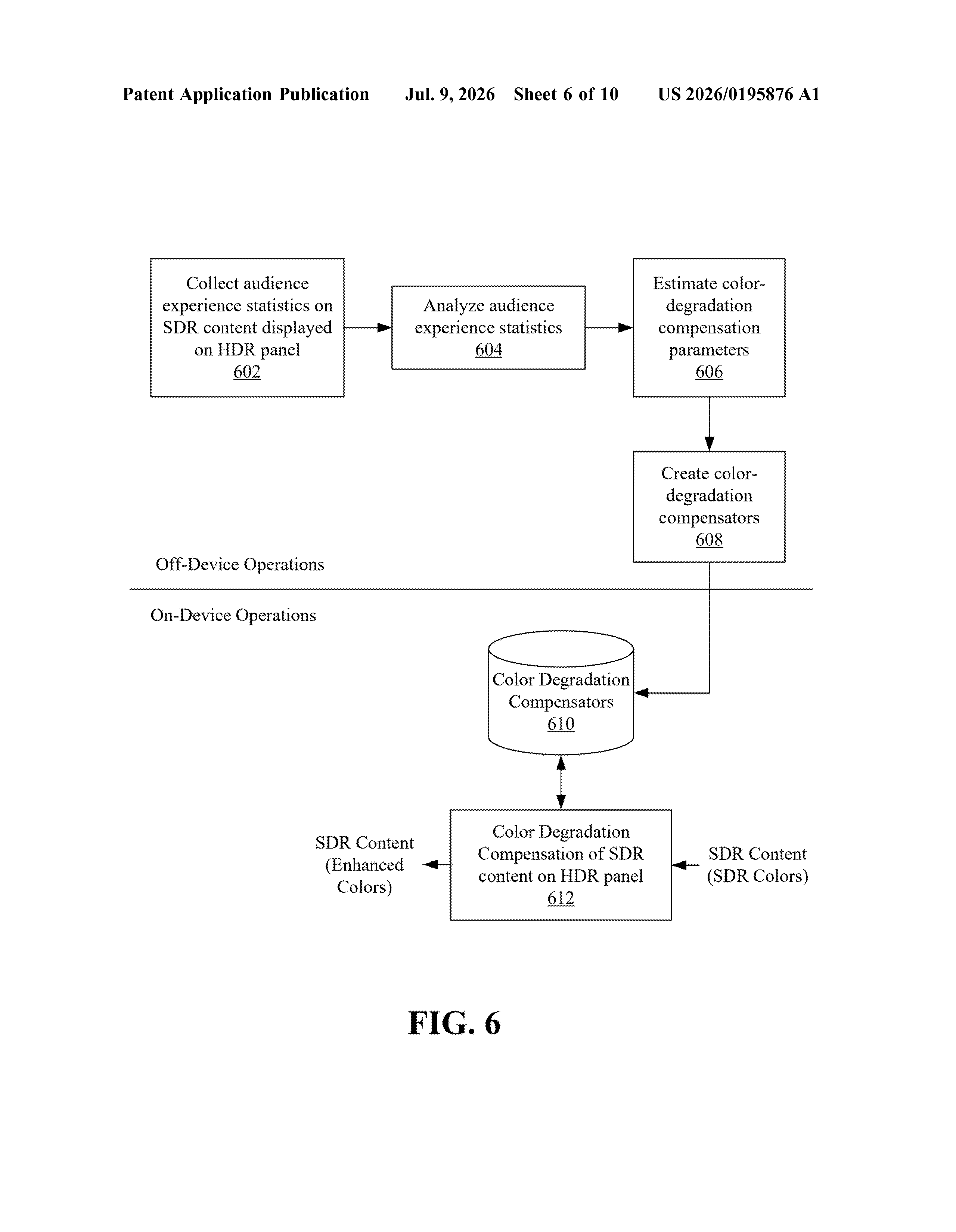
Samsung's patent describes a system that analyzes each scene in that older video and adjusts three things: how bright the pixels are, how rich the colors look, and whether certain color tones should be nudged slightly toward hues that look more natural to human eyes. Crucially, these adjustments are not random. They are based on collected data about what real audiences find visually pleasing, combined with established science about how our eyes respond to light and color at different intensities.
The result is that your TV could automatically rework older standard dynamic range (SDR) content on the fly, scene by scene, so it feels intentional and vivid on a high dynamic range (HDR) panel rather than like a rough upscale.
How the brightness curve and hue-shift pipeline processes each frame
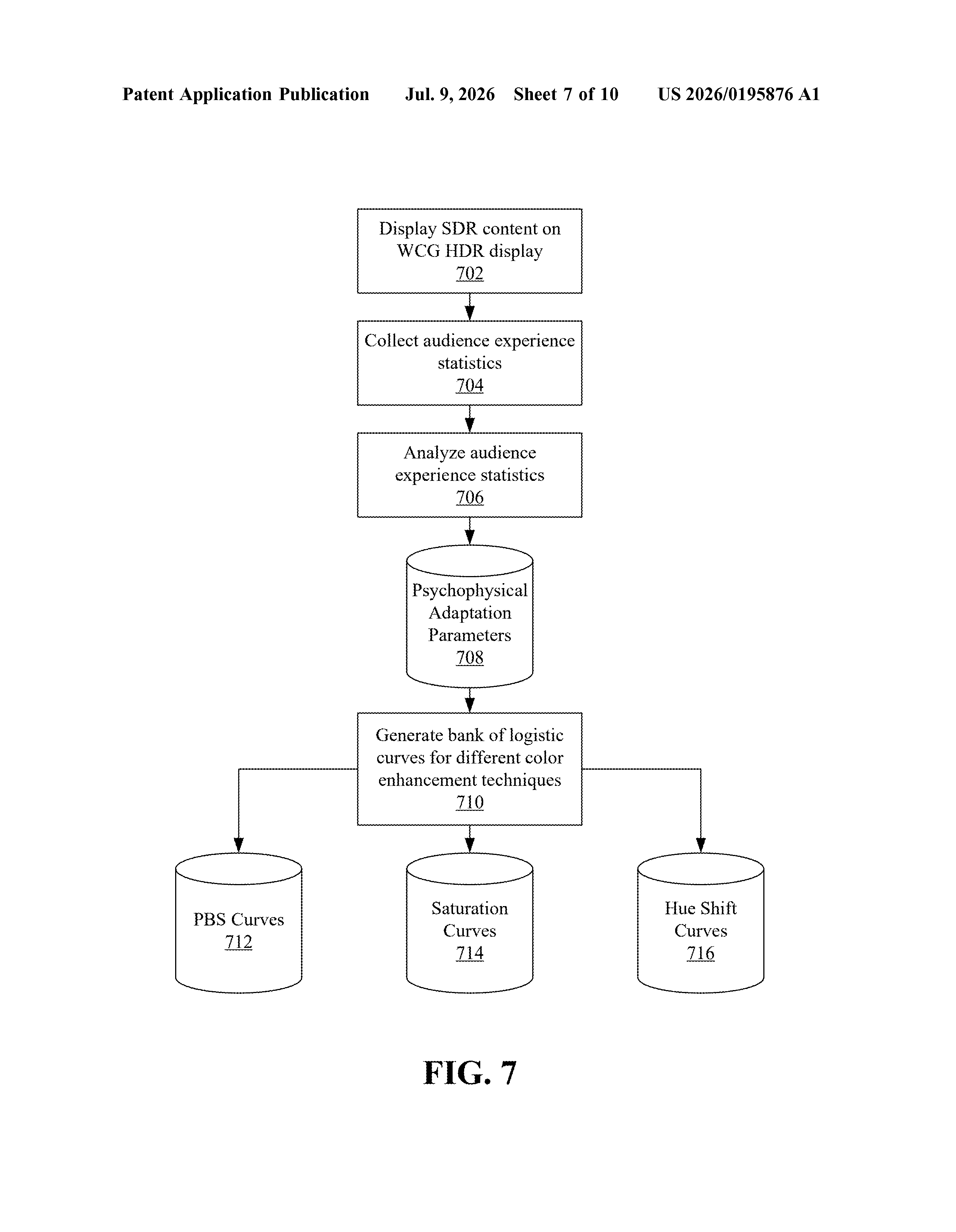
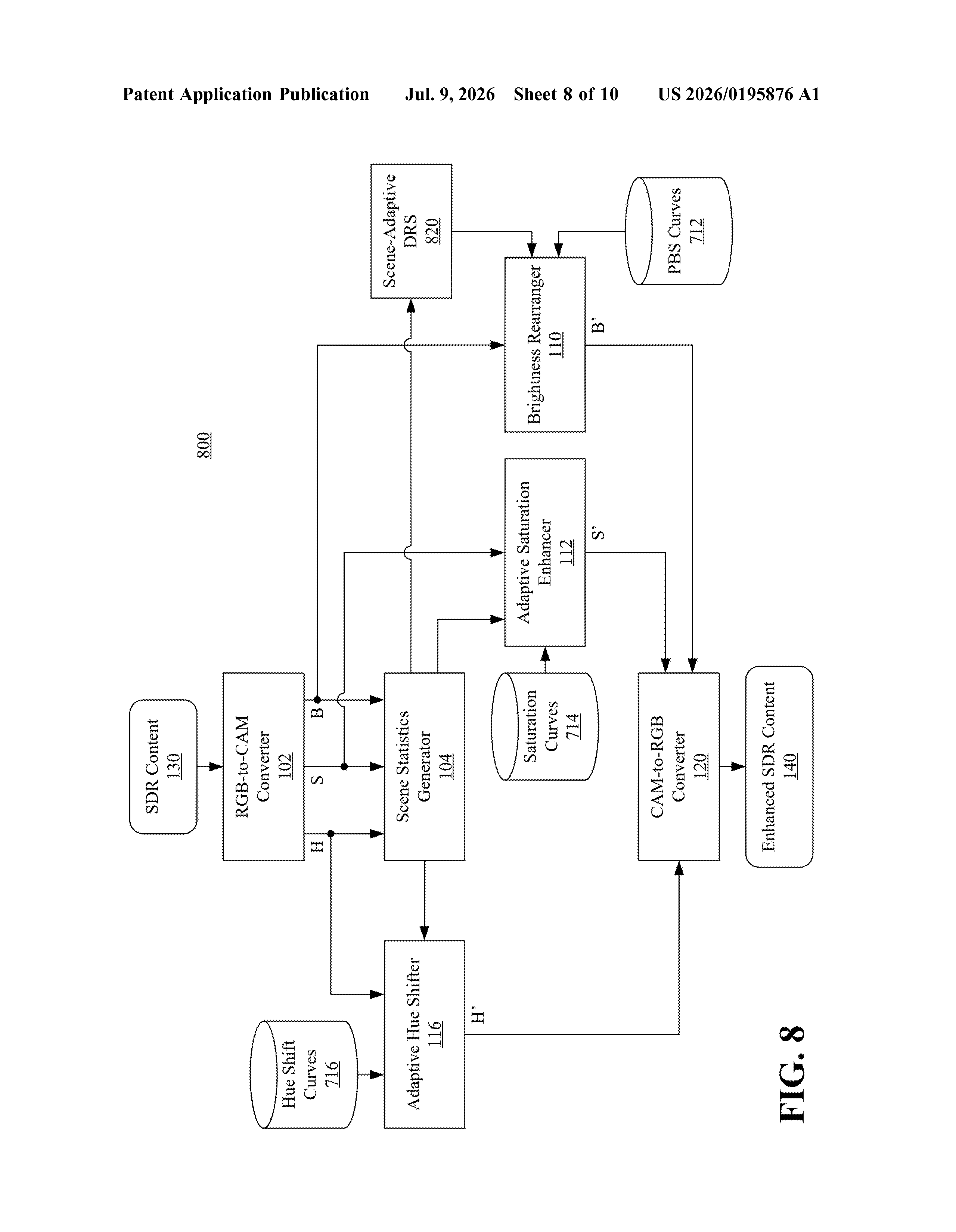
The patent describes a processing pipeline with three linked steps, each targeting a different property of how color reaches your eye.
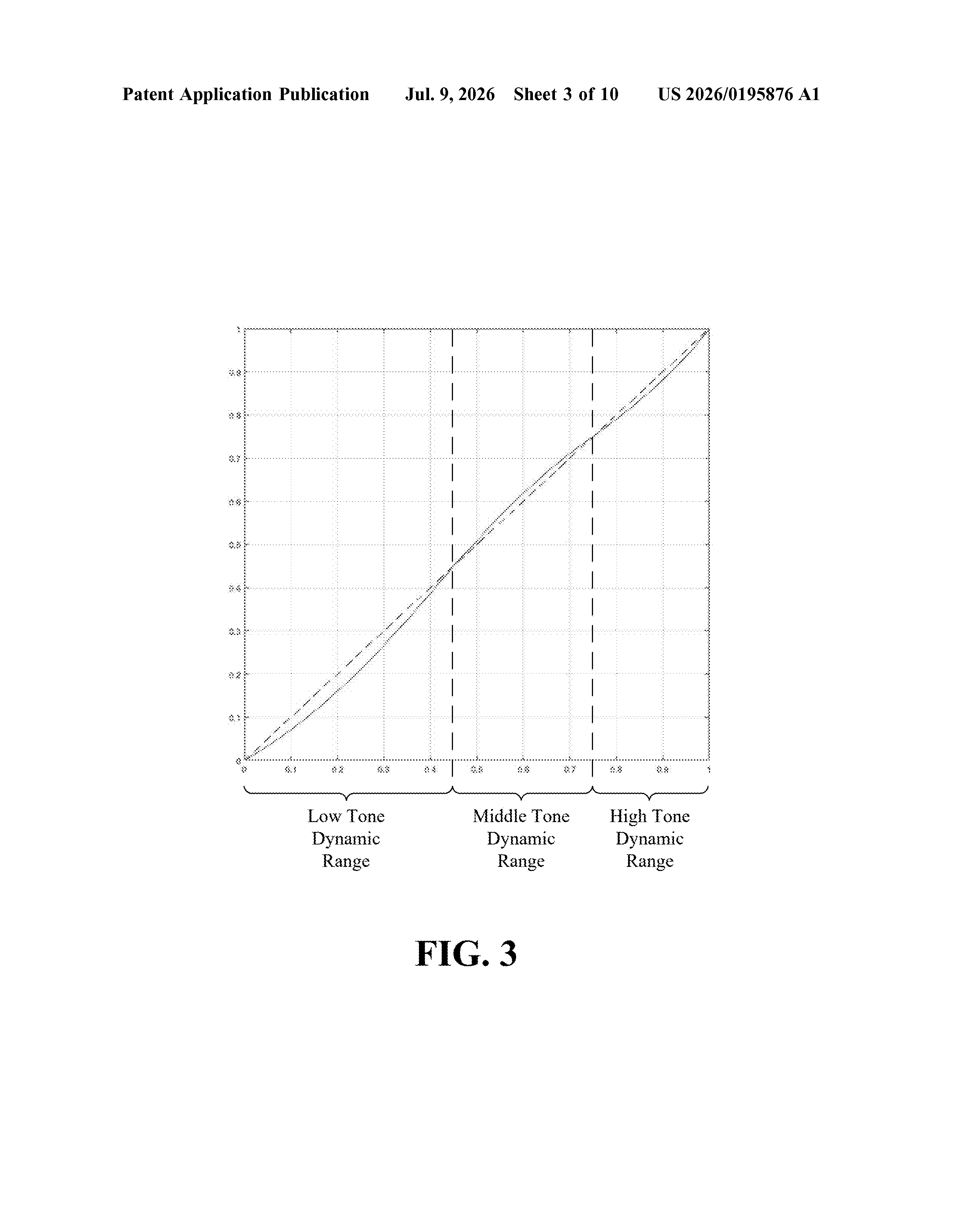
Brightness adjustment: The system first analyzes the overall scene, then applies a multi-segment brightness curve (think of it as a custom tone map with several distinct zones, from shadows to highlights) to each pixel. The shape of that curve is not guesswork; it is derived from audience experience statistics that factor in psychophysical effects, meaning the well-documented ways human vision responds non-linearly to light. Our eyes are much more sensitive to changes in dark areas than in bright ones, and the curve is tuned to match that.
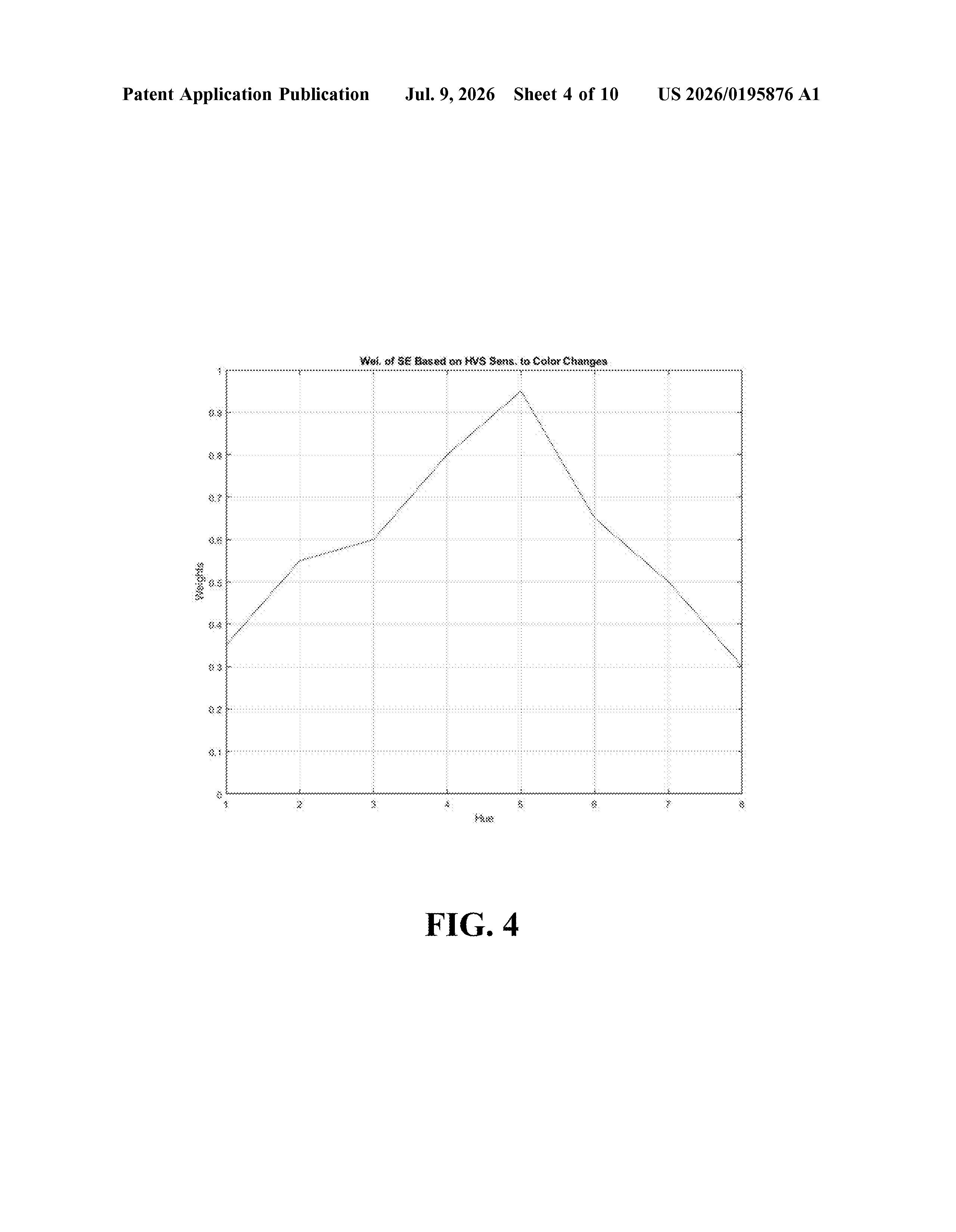
Saturation modification: The system then adjusts color richness, but not uniformly. It takes into account hue sensitivity to stimulus, which means different colors (reds, blues, greens) have different thresholds before they start to look oversaturated or garish to a human viewer. Adjustments are made per-pixel based on which color family that pixel belongs to.
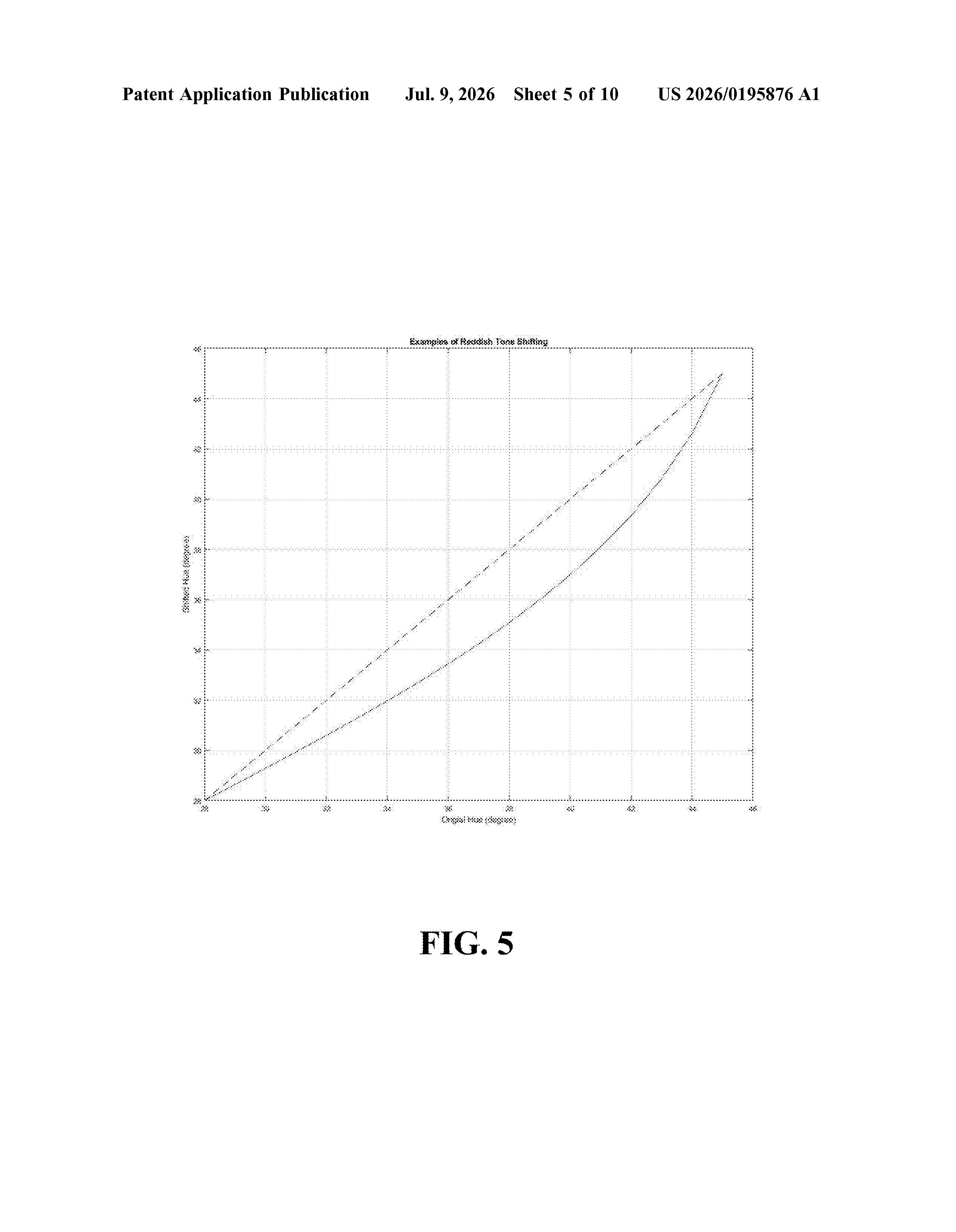
Hue shifting: Finally, certain pixel hues are nudged to slightly different hues. This compensates for a known phenomenon where colors that look correct on a dim SDR display can appear subtly wrong on a brighter HDR panel. The shift amounts are again anchored to audience data and per-scene analysis.
All three steps run together, producing an adjusted frame intended to look like it was graded for HDR from the start.
What this means for watching older content on today's HDR panels
For consumers, this is about getting more out of content that was never designed for the screen you own. Most streaming libraries are still dominated by older SDR content, and basic upscaling often makes those videos look artificial rather than genuinely better. A perception-aware system that adjusts brightness, saturation, and hue independently, using real viewer preference data, could produce a much more natural-looking result than simple blanket boosts.
For Samsung, this fits into an ongoing competition among TV makers to differentiate their display processing. If this system ships in a future television or monitor, it would let Samsung market a specific, testable claim: that its color processing is grounded in human perception science, not just signal math. Whether it outperforms rival processing engines from LG or Sony in practice is a question only a side-by-side comparison could answer.
This is a genuinely useful patent addressing a real and widespread problem: the majority of video content looks mediocre on high-end HDR screens because it was never made for them. Grounding the adjustments in psychophysical research rather than arbitrary presets is the right approach, and Samsung clearly has the panel engineering to pair with this kind of software. The main question is whether the audience experience data driving the curves is broad and current enough to handle the full variety of content, or whether certain genres and film stocks end up looking over-processed.
Get our take in your Top Stories
Liked this breakdown? Add Patentlyze as a preferred source on Google, and our plain-English take shows up more often in your Top Stories the next time Samsung patent news breaks.
There are more where this came from
We read every patent application Big Tech publishes and send you the ones worth knowing. Plain English, free, every week.
The drawings
10 drawing sheets from US 2026/0195876 A1 · click any drawing to enlarge
Want this weekly breakdown for a company we don't cover? Patentlyze Pro →