
IBM Patents a System That Catches Dropped Customer Service Calls and Reroutes Them
Anyone who's been cut off mid-complaint to a customer service agent — and then had to call back, re-explain everything, and start over — knows exactly what problem IBM is trying to solve here.
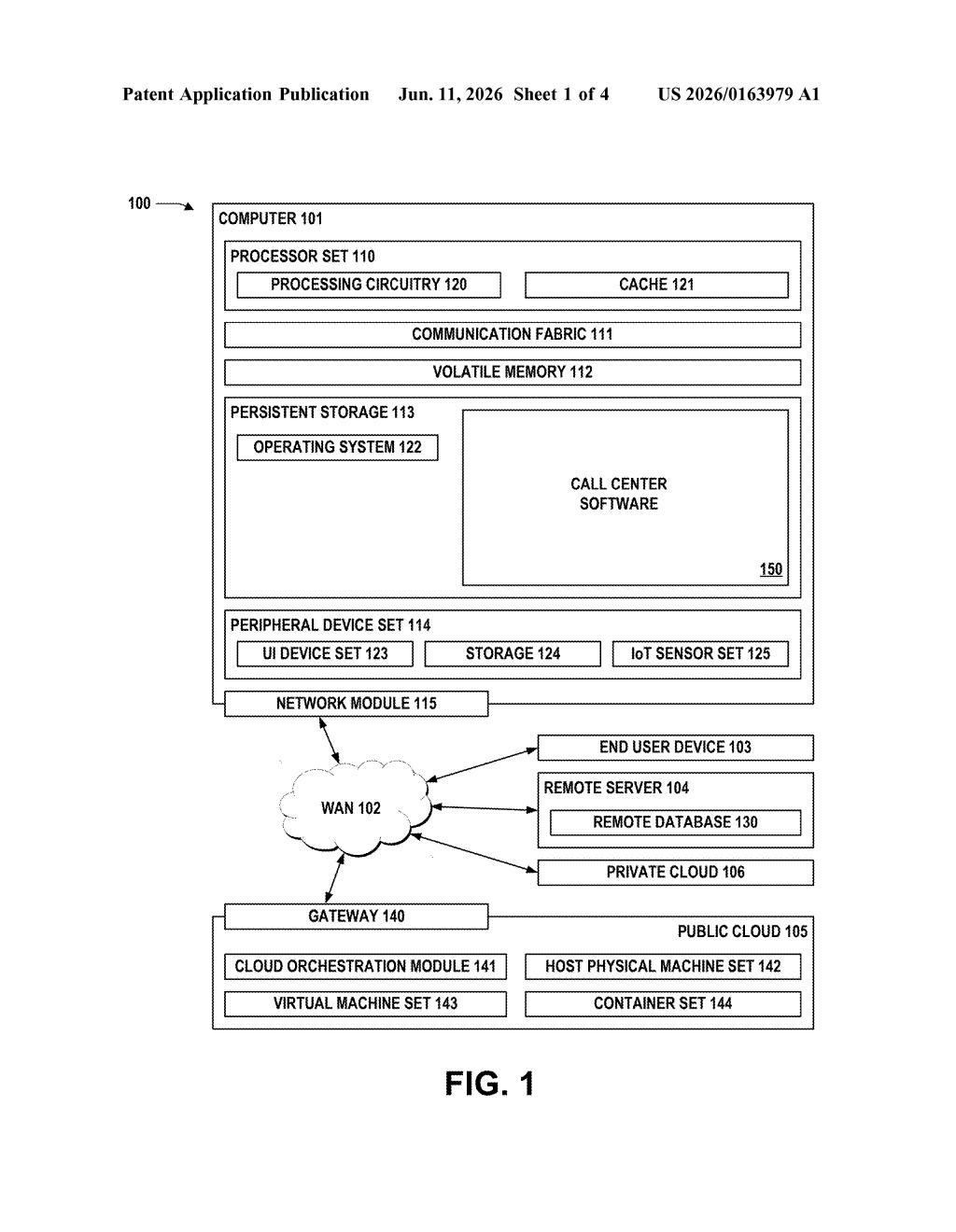
What IBM's dropped-call detection actually does
Imagine you're on hold with your bank, you finally reach a real person, and then the call drops. Now you're staring at a dead line, wondering whether to call back and wait another 40 minutes. IBM's patent is designed to stop that moment from becoming a dead end.
The system listens to a customer service call in real time and transcribes it as the conversation happens. An AI layer then reads that transcript and figures out whether the call ended naturally — or whether it was cut off unexpectedly, like when someone loses signal or a connection glitches out.
If the AI decides the call was dropped prematurely, the system automatically opens a backup communication channel between you and the same agent — think a text message, a chat window, or an email thread — so the conversation can continue without either side having to start over.
How the NLP engine spots a premature disconnect
IBM's patent describes a system built for omnichannel call centers — contact centers that can talk to customers over phone, chat, email, and other channels at once. The core idea is to make a dropped voice call a speed bump rather than a full stop.
Here's the sequence the patent describes:
- Live transcription: The system converts the voice call into text in real time as both sides speak.
- NLP analysis: Natural language processing (NLP — software that reads and interprets human language) scans the transcript to judge whether the call ended in a way that looks intentional or abrupt. An abrupt ending — mid-sentence, no goodbye, no resolution — signals a likely drop.
- Channel switch: If a premature disconnect is detected, the system automatically opens an alternative communication channel between the same caller and the same agent, preserving continuity.
The patent doesn't lock in which alternative channel gets used, leaving room for SMS, web chat, or other options depending on what the call center supports. The key technical bet is that language patterns alone can reliably distinguish a natural call ending from an accidental one.
What this means for customer service frustration
Dropped calls are one of the most consistent sources of customer frustration in service interactions. Every dropped call that isn't automatically recovered means a customer calling back, re-verifying their identity, and re-explaining their problem — often to a different agent. The cost lands on both sides.
For IBM, this fits squarely into its enterprise software and AI services business, where contact center tooling is a competitive market. If this system works as described, call centers could meaningfully reduce repeat-contact rates — a metric the industry already tracks closely. Whether IBM ships this as a standalone product or folds it into its existing Watson or watsonx platform remains to be seen, but the application area is well-defined and commercially motivated.
This is a genuinely practical patent — not flashy, but aimed at a real and measurable pain point that costs call centers money and frustrates customers daily. The core technical claim is modest: use NLP to tell the difference between a goodbye and a glitch. If that works reliably in noisy, real-world call audio, it's useful. If it misfires often, it's an annoyance. The execution is everything here.
There are more where this came from
We read every patent application Big Tech publishes and send you the ones worth knowing. Plain English, free, every week.
Want this weekly breakdown for a company we don't cover? Patentlyze Pro →