
Samsung Patents a Way to Edit Photos by Tapping Keywords the Camera Finds Itself
Instead of typing a text prompt to edit a photo with AI, Samsung's patent describes a system that reads your image, pulls out descriptive keywords on its own, and lets you tap the ones you want to change.
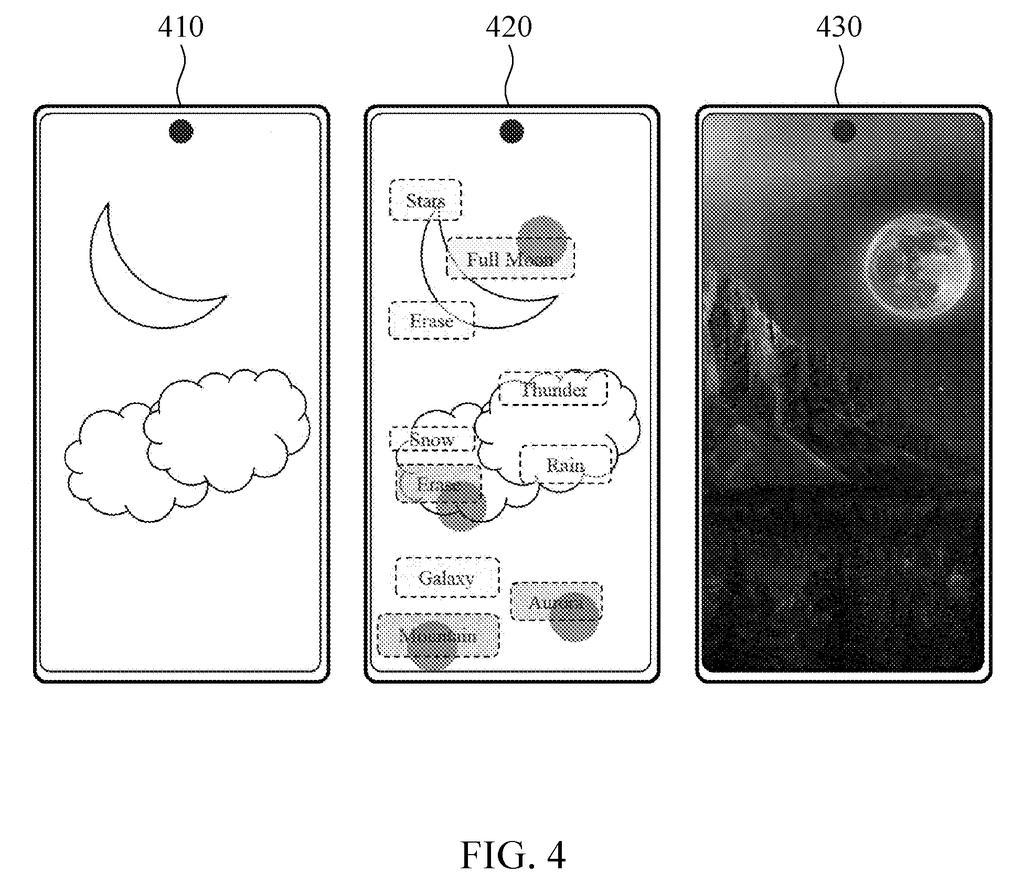
What Samsung's keyword-based AI photo editor actually does
Imagine you take a photo of a dog sitting in a park. You want to make it look like the dog is on a snowy mountain instead. Normally, you'd have to type something like "a golden retriever sitting on a snowy mountain" into an AI editor. Samsung's patent cuts out that typing step entirely.
Instead, the device analyzes your photo and surfaces a list of keywords it detected: things like the subject, the setting, the mood, the colors. You tap the ones you want to change or keep, and the device hands those off to an AI model that generates a new version of the image.
It's a way to make AI photo editing feel less like programming and more like tapping options on a menu. The idea is that most people don't know how to write a good AI prompt, but they can absolutely recognize and tap words that describe what they're looking at.
How the device extracts keywords and feeds them to the AI model
The patent describes a device (most likely a smartphone) that:
- Displays a photo when a user taps or long-presses it
- Runs an analysis pass over that image to extract descriptive keywords tied to specific objects in the scene
- Shows those keywords on screen, associated with the objects they describe
- Accepts a user's keyword selection as input
- Feeds both the selected keywords and part of the original image into an AI generative model to produce a new image
The key technical claim is that the image analysis and keyword extraction happen on the device itself, without the user needing to describe anything. The AI model then uses a combination of the chosen keywords (the text side of the prompt) and the original image (the visual side) to generate the output. This is similar in structure to what researchers call "image-conditioned generation" (producing new images that are guided by an existing photo, not just a text description alone).
The patent does not specify whether the AI model runs locally on the device or calls a cloud server, but the framing suggests an on-device or hybrid approach consistent with Samsung's Galaxy AI strategy.
What this means for Samsung's AI camera competition with Apple
For Samsung, this is a direct answer to the question of how you make AI image generation accessible to people who won't spend five minutes crafting a text prompt. Apple's Clean Up and Visual Intelligence features, and Google's Magic Eraser and Photo Unblur tools, all require some user-initiated action. Samsung's approach here offloads the description work to the device itself, which lowers the barrier considerably.
From a user perspective, this could make AI photo editing something you do casually in your camera roll rather than something you open a separate app for. The bigger question is how accurate the keyword extraction is in practice: if the device misreads your photo or surfaces irrelevant keywords, the whole experience falls apart. That's where the real engineering work lives.
This is a genuinely sensible UX idea for AI photo editing, not a flashy capability claim. The insight that most people won't write AI prompts but will happily tap keywords is correct and practical. Whether Samsung can make the keyword extraction accurate enough to be useful in the real world is the only thing standing between this patent and a feature people actually use.
There are more where this came from
We read every patent application Big Tech publishes and send you the ones worth knowing. Plain English, free, every week.
The drawings
13 drawing sheets from US 2026/0220834 A1 · click any drawing to enlarge


Want this weekly breakdown for a company we don't cover? Patentlyze Pro →
Be the first to weigh in