
Qualcomm Patents a Wi-Fi Router That Uses AI to Identify What's Jamming Your Signal
Your router already knows your Wi-Fi is slow — but it usually has no idea why. Qualcomm is patenting a system that uses a neural network to figure out exactly what kind of interference is polluting a channel, so the router can do something smarter about it.
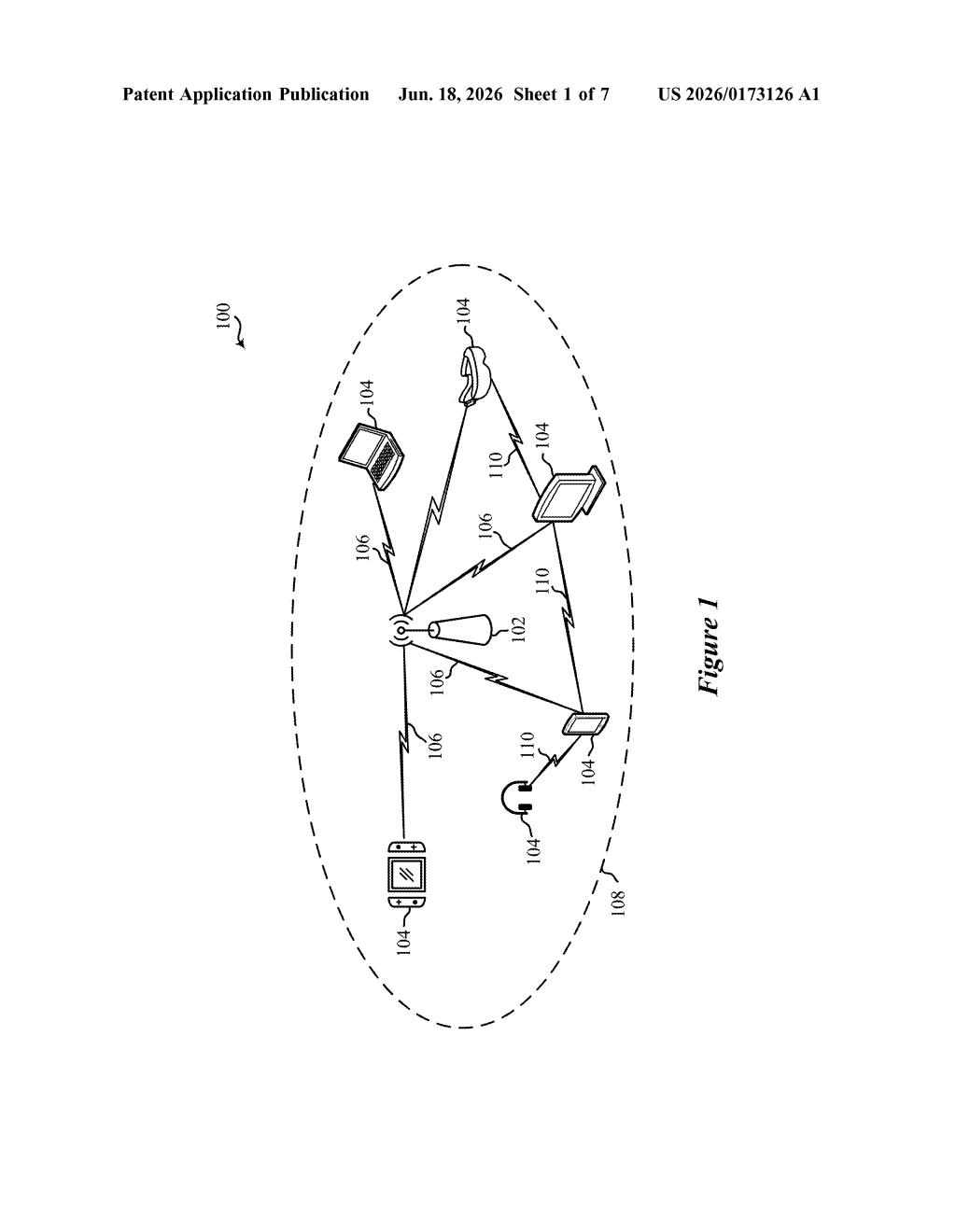
How Qualcomm's AI interference detector actually works
Imagine your Wi-Fi slows to a crawl every time your neighbor fires up their microwave. Your router notices the slowdown, but it can't tell whether the culprit is that microwave, a competing Wi-Fi network, a Bluetooth device, or something else entirely. Without knowing what is causing the problem, it can't pick the right fix.
Qualcomm's patent describes a router (technically an "access point") that scans the wireless airwaves, then feeds those readings into a neural network — the same kind of AI behind voice assistants and image recognition — to figure out exactly which category of interference it's dealing with.
Once the router knows what it's up against, it can take targeted action: switch to a cleaner channel, slow down traffic in a way that avoids collisions, flag the problem as a possible network intrusion, or adjust connection speeds automatically. It's the difference between a doctor who just says "you feel bad" and one who actually runs a test and gives you a diagnosis.
How the neural network classifies channel interference
The patent describes an access point (a router or base station) that performs what Qualcomm calls a spectral scan — essentially a snapshot of the radio signals present on a wireless channel, captured as raw time-domain samples (a rapid sequence of signal measurements over time).
Those samples are fed into a neural network that has been trained to recognize distinct patterns of interference. The key word here is "classes" — the system doesn't just detect that interference exists; it categorizes it. Different interference sources produce different radio fingerprints, and the neural network has learned to tell them apart.
Based on what the AI identifies, the access point can trigger one or more responses:
- Channel selection — switch to a less congested frequency band
- Scheduling adjustments — reorder or time transmissions to avoid known interference windows
- Data rate modification — lower speeds in a controlled way to maintain reliable connections
- Anomaly detection — flag unusual interference patterns that might indicate a rogue device or a security threat
The claim is broad enough to cover both Wi-Fi 6/6E and Wi-Fi 7 environments, and the neural network inference appears to run locally on the access point's own processor rather than in the cloud.
What this means for home and enterprise Wi-Fi routers
For everyday users, better interference detection means routers that fix themselves faster and more accurately than the blunt "try switching channels" logic most devices use today. In dense apartment buildings or offices packed with competing wireless devices, the difference between a router that guesses and one that diagnoses is real and noticeable.
For Qualcomm specifically, this fits squarely into its strategy of selling the silicon inside routers, not routers themselves. If this kind of AI inference becomes a standard feature, Qualcomm's chips — which already power a large share of Wi-Fi access points worldwide — become harder to swap out for a competitor's. It also positions the company ahead of the Wi-Fi 7 rollout, where managing dense, overlapping spectrum is one of the central engineering challenges.
This is a genuinely useful idea, and the execution Qualcomm describes — local AI inference at the router level, tied directly to actionable network decisions — is more specific and practical than most "AI in networking" patents. The broad claim language means it will face scrutiny during prosecution, but the underlying concept addresses a real gap in how routers currently handle interference.
There are more where this came from
We read every patent application Big Tech publishes and send you the ones worth knowing. Plain English, free, every week.
Want this weekly breakdown for a company we don't cover? Patentlyze Pro →