
Apple Patent Reveals Object Tracking Technology Triggered by Audio and Motion Cues
Apple has filed a patent for a camera system that doesn't stare at a room all day at full intensity. Instead, it listens and feels for movement first, then ramps up its visual processing only when something interesting is happening.
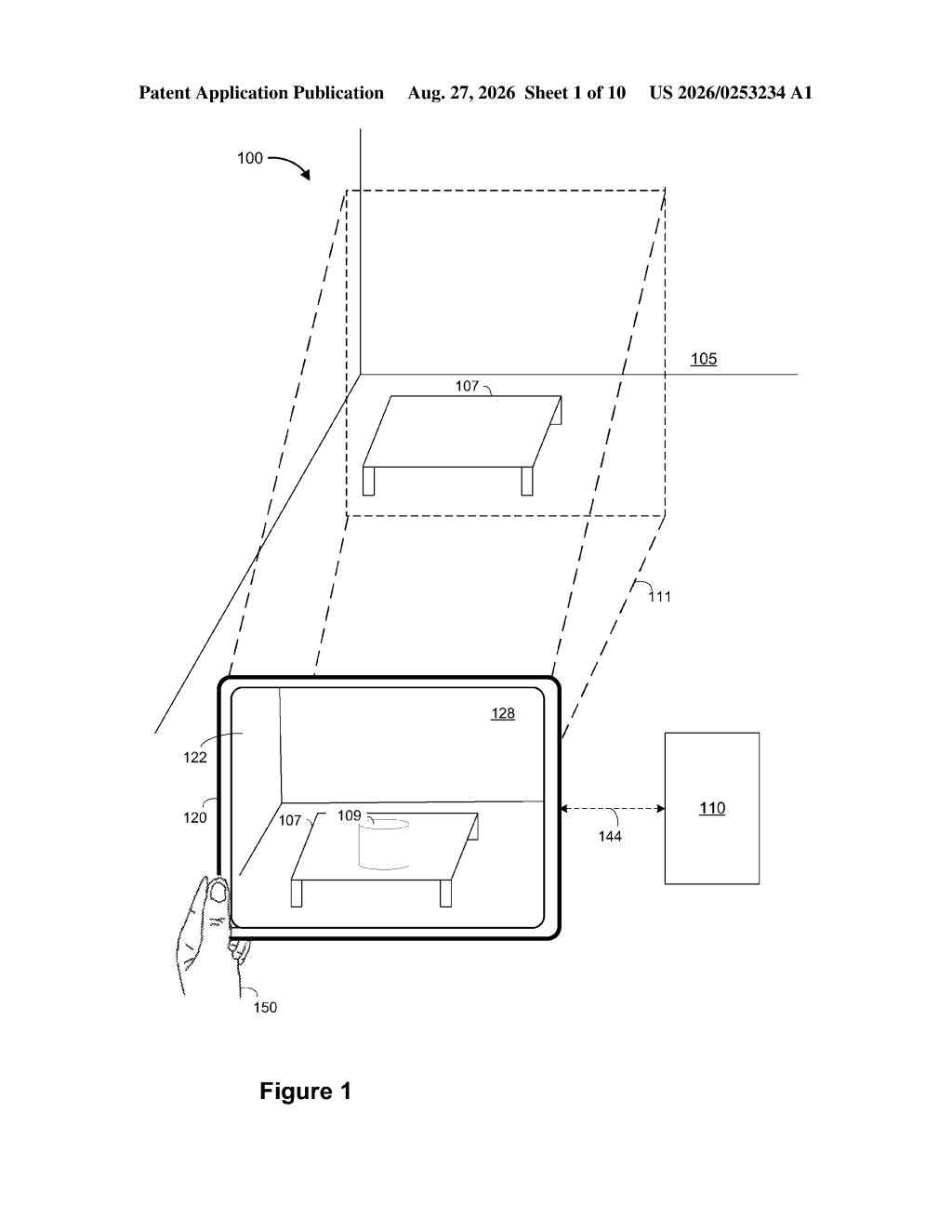
How Apple's object tracker decides when to pay attention
A security camera stares at an empty hallway all night, burning power and storing footage of nothing. You probably know that feeling on a smaller scale: your phone or smart home device constantly watching for something that almost never changes.
Apple's patent describes a system that breaks this cycle. Instead of always capturing images at the same rate, the device listens to the sounds around it and checks its motion sensors. When those cues suggest something worth watching, it shifts into a higher-attention mode, pulling in more image frames and running more detailed analysis to track a specific enrolled object, like a pet, a bag, or a person you've asked it to follow.
The result is a tracker that spends most of its time in a quieter, lower-power state and only kicks into full gear when the environment actually calls for it. That's a meaningful difference for any device that needs to last all day on a battery.
obtaining second image frames of the physical environment based on a second image frame ingestion rate, different than the first image frame ingestion rate, via the one or more image sensors; …
Translation: The system changes how fast it captures video frames depending on what mode it is currently using.
How audio and motion cues trigger the camera mode switch
The patent describes a computing system with image sensors, a processor, and memory that can operate in at least two distinct modes, switching between them based on real-world context.
Mode one (the default, lower-intensity state) captures images at a lower frame rate and runs a lighter set of image-processing steps. It still tracks an enrolled object (an item the system has been told to keep tabs on), but it does so with less computational effort.
Mode two (the higher-intensity state) activates in response to a mode transition trigger. That trigger is pulled from two sources:
- Audio data: sounds from the physical environment, which might indicate activity near the object being tracked
- Motion sensor data: readings from accelerometers or gyroscopes that detect movement of the device or its surroundings
Once in mode two, the system ingests image frames at a higher rate and applies a more demanding set of image-processing functions to pin down the object's current location. It then writes that location into a stored record, keeping the tracking history up to date. When conditions settle, it can drop back to mode one. The key design idea is that audio and motion are cheap to monitor continuously, so they serve as low-cost sentinels that decide when expensive camera processing is actually needed.
… determining whether at least one of the audio data and the motion sensor data satisfies a mode transition criterion; in response to determining that at least one of the audio data and the motion sensor data satisfies the mode transition criterion, transitioning the computing system from the first mode to a second mode; …
Translation: The device switches its tracking behavior automatically when it detects specific sounds or physical movements.
What this means for always-on tracking in Apple devices
For any device that tracks objects over long periods, the biggest practical enemy is battery life. Running a camera and its associated image analysis at full speed continuously is expensive in power terms. By offloading the "is anything happening?" question to microphones and motion sensors, which draw far less current than a camera pipeline running at high frame rates, Apple's approach could make always-on tracking practical in small, battery-powered form factors.
The patent doesn't name a specific product, but the architecture fits naturally with devices like AirTags, future smart glasses, or home monitoring hardware where you want persistent awareness without a wall outlet nearby. Apple's object-tracking ambitions have been visible across several hardware and software bets, and this week's Big Tech patents show sensor-fusion approaches like this one, combining audio, motion, and vision, becoming a recurring theme across the industry.
That makes this Apple's ninth filing since July that we've tracked in our on-device AI privacy watchlist, alongside real-time face learning and Siri shifting privacy during calls.
The obvious cost of this design is timing. By waiting for a sound or a shake before turning on the camera, the system could miss the opening moment of whatever it was supposed to catch. That tradeoff is probably acceptable for a lost set of keys but less so for anything that moves fast and. The trade reads as worth it for the common case.
Most trackable objects sit still in noisy, vibration-filled environments, and burning battery to watch an empty room is a real waste. The power savings likely outweigh a small delay in the handoff for the majority of everyday situations.
The harder question is how well the trigger actually works in practice. The patent describes what should set off the mode switch but says nothing about how the system tells a meaningful sound from ordinary background noise. That gap, between a clean concept and a reliable one, is where the whole thing either earns its place or collects dust.
Get our take in your Top Stories
Liked this breakdown? Add Patentlyze as a preferred source on Google, and our plain-English take shows up more often in your Top Stories the next time Apple patent news breaks.
There are more where this came from
We read every patent application Big Tech publishes and send you the ones worth knowing. Plain English, free, every week.
The drawings
10 drawing sheets from US 2026/0253234 A1 · click any drawing to enlarge


Want this weekly breakdown for a company we don't cover? Patentlyze Pro →
Be the first to weigh in